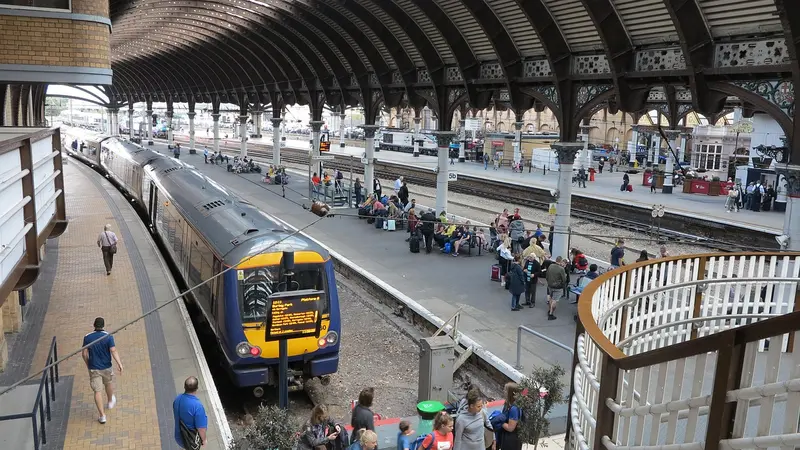
York makes an easy stop on a longer trip through northern England. If you’re arriving by train, give the city a few days of its own rather than trying to squeeze the Minster, the walls and the museums into a single afternoon.
Quick trip summary
- Ideal stay: 4 days for a first visit.
- Best approach: group each day by geography and keep one block flexible.
- Good for: first-time visitors, couples, families, senior travellers and independent travellers.
- Main planning risk: overloading short distances with too many timed attractions.
Is this the right trip for you?
York is compact enough to explore mostly on foot, but its layers of Roman, Viking, medieval and railway history make it easy to overfill a short break. Four days gives you time for York Minster, the city walls, the Shambles, the National Railway Museum and JORVIK without treating every historic doorway as another timed attraction.
Part of York’s appeal is how quickly the scene changes: one minute you’re beside a medieval church, the next you’re passing a small shop or heading down to the river. Plan one big visit in the morning and leave the afternoon loose enough to enjoy those smaller discoveries.
Where to stay
| Area | Why choose it |
|---|---|
| Minster Quarter | Best for a first visit, early access to York Minster and atmospheric evening walks. |
| Micklegate | A little calmer, still central, and useful for the railway station. |
| Fossgate / Walmgate | Strong choice for independent restaurants, pubs and a more local evening atmosphere. |
| Bootham | Quieter streets just north of the walls, with easy walking access to the centre. |
For a first stay, look around the historic centre or within an easy walk of York station. A room outside the walls can be good value, but check the walk back after dinner and whether you’ll need a bus every morning. If stairs are a concern, ask about the lift before booking; older buildings aren’t always straightforward.
How to get there
York has no major commercial airport of its own, so most international visitors arrive by train after flying into London, Manchester or another UK gateway. York railway station is just outside the historic walls and is one of the easiest arrival points for a car-free city break.
York station is close to the centre, so you may be able to walk straight to your hotel. With a heavy suitcase, though, cobbled streets and a long day of travel can make a short taxi ride worthwhile. Drop your bags first and save timed tickets for the following morning.
Getting around
Walk for most central sightseeing. The medieval core is compact, but cobbles, stairs on wall sections and busy pedestrian streets can slow the pace. Local buses are useful for outer attractions and park-and-ride services can be smarter than bringing a car into the centre.
Inside the walls, walking is usually the simplest way to get around. Don’t assume every route is quick: the Shambles can be crowded, some streets are uneven, and the city-wall walk involves steps. If you’re heading to an outlying attraction, compare the bus journey with a taxi rather than trying to do everything on foot.
A realistic 4-day itinerary
The four days below are arranged so you don’t keep retracing your steps. Book any must-see entry at the Minster or JORVIK around the time you want to visit, then let the riverside walks and smaller museums fit around those plans. York is far more enjoyable when you’re not checking the clock at every corner.
Day 1 – Minster, Shambles and the medieval core
Start with York Minster and allow enough time for the interior rather than treating it as a quick photo stop. Continue through the lanes around Stonegate and the Shambles, then walk toward Clifford’s Tower and the riverside. Finish with an unhurried evening in Fossgate or Walmgate.
Day 2 – City walls, railway history and riverside York
Walk a substantial section of the city walls in the morning while your legs are fresh. Continue to the National Railway Museum, then return along the Ouse. If the weather is poor, reverse the order and use the museum as the main morning block.
Day 3 – Viking York and smaller museums
Use the morning for JORVIK Viking Centre or another major history attraction, then choose one smaller museum or historic house rather than trying to visit all of them. Leave time for a café, market browsing and the quieter streets north of the Minster.
Day 4 – North Yorkshire extension or a slower city day
Take a day trip toward the North York Moors, Whitby or Castle Howard if transport and weather line up. Otherwise keep the final day in York for gardens, the Chocolate Story, independent shops and anything you deliberately skipped earlier.
If you choose Whitby or the North York Moors on day four, make that the focus of the day. It’s tempting to add another museum back in York that evening, but the journey and a proper meal already take time. A relaxed walk after dinner is a better finish than one more rushed ticket.
Best time to visit
Late spring and early autumn combine long enough daylight with more comfortable walking conditions. Summer is lively but busy, while winter can be atmospheric around seasonal events; rain is possible year-round, so keep at least one museum block movable.
Spring and early autumn are lovely for walking the walls, but the practical details matter more than a forecast average. Check the dates of school holidays and big events, especially if you’re hoping for a quiet weekend or a particular hotel. In winter, shorter days make it sensible to put the outdoor sights earlier.
Food and meal planning
York works well for a mix of traditional pubs, bakeries, modern British cooking and casual market food. Do not schedule every meal around a famous address: the centre is compact enough to browse, but popular weekend restaurants can still require reservations.
Eat where you happen to be exploring. Around the Shambles and the market you’ll find quick lunches; Fossgate and Walmgate offer plenty of choices for a more leisurely evening. If there’s a restaurant you particularly want to try on a Saturday, reserve it. The rest of the time, leave room to choose as you go.
One day trip or regional extension
North York Moors National Park and Whitby create a strong contrast to the compact historic city. Castle Howard is another classic option. Choose one extension and confirm transport before committing, because rural timetables can turn a simple-looking day trip into a long day.
Whitby, Castle Howard and the North York Moors offer very different days out, so pick the one that interests you most. Look at the actual train, bus or driving route before committing: travelling to a rural stop and getting back isn’t always as simple as the distance suggests. A full day in York is also a perfectly good choice.
How many days do you really need?
Four days lets you spend real time in the Minster, explore the old streets, visit JORVIK and enjoy the Railway Museum without losing the pleasure of wandering. If you only have a weekend, stay in York and skip the excursion. With an extra day, choose a trip into the countryside rather than cramming more sights into the city centre.

York Minster deserves more than a passing glance, and the Railway Museum can easily fill a morning. Treat each as the main event of that part of the day. Add a riverside stroll or a café afterwards, not another timed entry that forces you to leave just as something catches your attention.
For families with children
For children, York’s mix of old walls, Viking stories and trains is easier to enjoy in small doses. Pair JORVIK or the Railway Museum with time outdoors by the river or in a park. The Shambles can be busy for pushchairs, so allow for slower walking and check family facilities before planning a long museum morning.
Give older children a say in the plan: they might prefer Viking history, the Railway Museum or a walk along the walls. Choosing one favourite stop can make a history-heavy weekend feel more like their trip too. If rain sets in, swap an exposed walk for an indoor visit rather than insisting on the original order.
For senior travellers and slower-paced trips
You can see York’s major sights without walking every section of the walls. Choose a hotel close to the places you most want to visit, allow time to sit down between attractions and use a taxi when your legs have had enough. The city is compact, but its stone streets can be tiring over a full day.
The city walls are memorable, but their steps and uneven sections won’t suit everyone. You can still enjoy York’s historic character from street level, including views around the gates and the river. Before buying tickets for older buildings, check whether there are lifts, resting places and an entrance that works for your needs.
Accessibility
York’s medieval buildings weren’t designed with modern access in mind. The Minster, museums and other venues have different arrangements, so check the accessibility information for each one rather than assuming that a central location means easy access. Ask about toilets, seating and alternative entrances if those details will affect your visit.
In York, the approach to a hotel matters almost as much as the room. Ask whether you can reach reception without steps, whether a lift serves your floor and how far the hotel is from a taxi drop-off point. A charming old townhouse may be lovely for some visitors but awkward with a wheelchair or heavy luggage.
Budget and booking strategy
A well-placed hotel can save daily bus or taxi fares, particularly on a short break. Put your money towards the Minster, any timed experience you really want and a comfortable base. You can keep other costs down with casual lunches and free wandering through the centre instead of paying to enter every historic building.
Book the visits that would genuinely disappoint you to miss, especially if you’re travelling at a busy time. Leave the smaller museums and city-wall walks for whichever day has the best weather. Check the terms before choosing a non-refundable ticket; a little flexibility is useful in a city where rain can change the mood of a day.
Safety and practical awareness
York is a welcoming place to explore, though the busiest shopping streets and attractions are worth the usual care with bags and phones. At night, stick to familiar, well-lit routes back to your accommodation. If you’re using a car, don’t leave luggage on display while you stop for sightseeing.
Before leaving, check whether the rail route into York is affected by engineering work or disruption. It’s also worth looking at the official visitor information for changes to attractions and city events. Those two checks will save more frustration than trying to plan every spare minute in advance.
How to handle bad weather or extreme heat
Rain doesn’t have to spoil a day in York. Make the Railway Museum, JORVIK or another indoor visit your fallback, and save the city walls for a clearer spell. On a cold day, take a longer lunch between walks. Wet cobbles and exposed wall sections are much less pleasant when you’re hurrying.
Solo travel
York is particularly easy to enjoy on your own: the centre is walkable, cafés are plentiful and a guided history walk can be a friendly way to learn more about the city. Stay somewhere with a simple route back from the centre. Keep your hotel address and a map available offline for late returns.
Evenings and nightlife
After the daytime crowds thin, York has a quieter side. Have dinner around Fossgate or Walmgate, enjoy a traditional pub or take a short riverside stroll if conditions are good. You don’t need to book an evening activity every night; the city is atmospheric enough to reward an unplanned wander.
Photography without turning the trip into a photo shoot
The Shambles is striking in photographs, but it’s also a working street, so avoid stopping in doorways when it’s crowded. The Minster looks beautiful in the softer light around morning and evening, while the walls give broader views over the rooftops. Follow photography rules inside churches and museums.
Shopping and souvenirs
The market and independent shops around the old streets are better places to browse than a last-minute souvenir stand by the station. York has plenty of food gifts and locally made items, but choose something you’ll actually want to take home. If you’re travelling abroad afterwards, check what food you’re allowed to carry.
What to pack
Bring shoes you can comfortably wear on stone streets for hours, plus a light waterproof layer even if the forecast looks fair. A warm extra layer is handy by the river or on the walls. Keep your day bag small: crowded lanes and museum rooms aren’t much fun with bulky luggage.
Common planning mistakes
- Choosing accommodation by headline price without checking the repeated daily journey.
- Booking major attractions on arrival day with no margin for delays.
- Crossing the city several times because sights were listed by fame rather than geography.
- Assuming a short map distance means an easy walk regardless of hills, heat, cobbles or queues.
- Keeping every day full and leaving no space for weather or fatigue.
- Adding a day trip that duplicates a destination already scheduled later in the wider journey.
Practical habits that make the trip easier
- Save offline maps and the exact name of your hotel, station, terminal and meeting points.
- Download tickets and confirmations before leaving reliable Wi-Fi.
- Check the last practical return option before starting any excursion.
- Carry a small amount of local cash even where cards are widely accepted.
- Recheck opening hours and transport notices on the morning of any fixed reservation.
- Keep one half-day flexible so a delay does not damage the rest of the trip.
Final planning checklist
- Confirm entry, transit and insurance requirements relevant to your nationality.
- Choose accommodation by location, noise, access and transport as well as price.
- Reserve only the attractions or excursions that genuinely control the day.
- Keep offline copies of tickets, hotel details and important contact information.
- Check the exact station, airport terminal, parking area or pickup point before travel.
- Leave enough time for meals and unscheduled stops.
- Recheck official information shortly before departure.
Final thoughts
The best part of a York break may be the hour you didn’t plan: a lane you hadn’t noticed, a bookshop or a quiet stretch of river. See the Minster, the walls and the history that brought you here, then allow the city to surprise you. Four days gives you the luxury of doing both.
Official information to check before you go
Opening days, transport, weather-sensitive access and event schedules can change. Recheck the details that control fixed reservations shortly before travel, especially during public holidays, major festivals or severe weather.