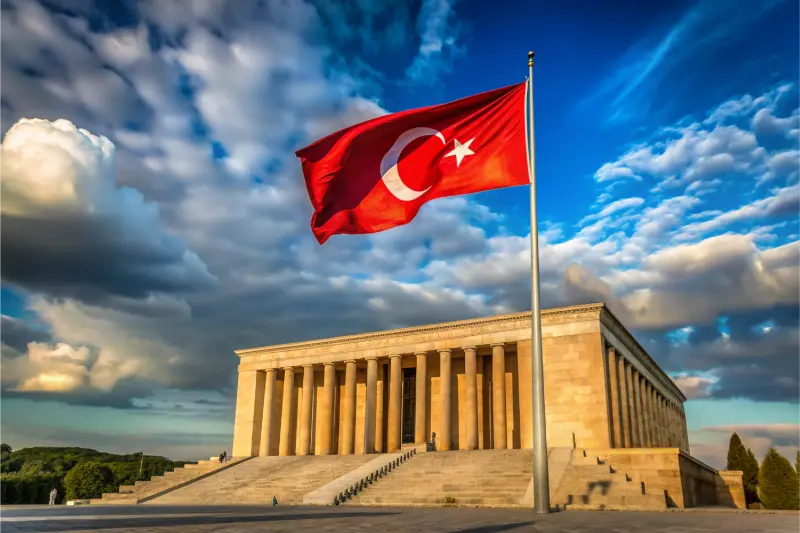
Ankara is very different from Istanbul, and that is exactly why it belongs in a wider Türkiye trip. The capital combines Anıtkabir, exceptional Anatolian archaeology, a citadel district, Roman remains and a modern political and cultural city. Four days lets those layers connect without turning Ankara into a stop between flights and trains.
If this stop is part of a wider journey, compare the pacing with Türkiye in 10 Days: Istanbul, Cappadocia and Ephesus Without Losing Days to Transfers. Use that wider route for country-level decisions and this guide for destination-level detail.
Quick trip summary
- Ideal stay: 4 days for a first visit.
- Best approach: group each day by geography and keep one block flexible.
- Good for: independent travellers, couples, families and slower-paced trips.
- Main planning risk: adding too many fixed activities and underestimating local transfers.
Is this the right trip for you?
Ankara suits travellers interested in archaeology, republican history, museums and contemporary urban life more than postcard scenery. It is also a useful base for a central Anatolia journey because high-speed rail links and domestic transport are strong. The city is large, so choosing a well-connected district matters more than staying beside one attraction.
Where to stay
| Area | Why choose it |
|---|---|
| Kızılay | Central, transport-rich and practical for restaurants, metro connections and a first visit. |
| Kavaklıdere / Tunalı | Good for cafés, embassies, shopping and a more polished evening atmosphere. |
| Ulus | Best for immediate access to the castle, Roman heritage and Museum of Anatolian Civilizations, though evenings are quieter in some streets. |
| Çankaya | Useful for longer stays, parks and a residential feel; choose a location near metro or major bus routes. |
Choose accommodation by the journeys you will repeat, not by a small difference in nightly price. Check the route to your first morning attraction, likely dinner area and departure point for any fixed excursion. Recent reviews about noise, air-conditioning or heating, lift access and luggage handling can be more useful than a generic star rating.
How to get there
Ankara Esenboğa Airport sits outside the centre, so allow meaningful transfer time. High-speed trains connect Ankara with Istanbul, Konya and other Turkish cities. If your wider route includes Cappadocia, compare bus, flight and private transfer options by total door-to-door time rather than assuming the shortest map distance is easiest.
Save the accommodation name and address offline before travelling. Keep arrival day low-risk: avoid a non-refundable attraction immediately after a flight or long transfer, and leave extra time for baggage, traffic, platform changes and finding the correct entrance.
Getting around
The metro, buses and taxis cover a large urban area. Ulus and the castle district are walkable once you arrive, but hills and traffic make repeated cross-city trips tiring. Group Anıtkabir and central modern districts separately from the old citadel day.
Compare journeys door to door rather than only looking at distance. Waiting time, stairs, traffic, the final walk and the number of transfers can matter more than the nominally fastest route, especially for families, senior travellers or anyone carrying luggage.
A realistic day-by-day itinerary
The schedule below is a framework rather than a rigid timetable. Recheck opening days, weather and local transport shortly before each block. If one major experience is closed or conditions are poor, move the entire block instead of forcing the rest of the trip to become inefficient.
Day 1 – Anıtkabir and modern Ankara
Start with Anıtkabir and allow time for the museum as well as the monumental complex. Continue toward Kızılay or Tunalı for a sense of contemporary Ankara. Keep the first evening simple because the scale of the city is easier to understand after one full day.
Day 2 – Anatolian Civilizations and the citadel
Make the Museum of Anatolian Civilizations the main morning experience, then walk through the Ankara Castle area, old houses and market streets. Add one smaller monument or Roman site rather than trying to collect every museum in Ulus.
Day 3 – Roman Ankara and arts
Use the morning for Roman and early civic heritage around Ulus, then shift to CerModern, a state museum or a performance depending on your interests. Ankara’s arts scene is a stronger part of the city than many first-time visitors expect.
Day 4 – Beypazarı or a slower capital day
Beypazarı can work as a regional extension if you have reliable transport and want Ottoman-era streets and a smaller-town contrast. Otherwise keep the final day for parks, additional museums and local neighbourhoods. Do not add a long Cappadocia excursion as a day trip; it deserves its own base.
Keep enough margin for meals, transport and an unscheduled stop. If this block runs long, remove the lowest-priority extra rather than turning the rest of the day into a race.
Best time to visit
Spring and autumn are the easiest seasons for walking. Summers can be hot and dry, while winters are cold and can bring snow. Ankara’s altitude makes temperature swings more noticeable than travellers expecting a Mediterranean climate may assume.
Do not choose dates from average temperature alone. Check daylight, rainfall, local holidays, school breaks and major events. A slightly less famous month can be better if it gives you easier accommodation, comfortable walking conditions and fewer queues.
Food and meal planning
Ankara offers both central Anatolian dishes and a broad capital-city restaurant scene. Try local forms of döner, Ankara tava, simit and regional bakery products, but keep meals geographically aligned with the day because traffic can turn a restaurant detour into a long transfer.
Keep meal geography aligned with the day. Crossing the destination for a famous restaurant can waste more time than the meal adds. One carefully chosen reservation is usually more useful than building every sightseeing block around food bookings.
One day trip or regional extension
Beypazarı is the most practical heritage extension for many visitors. If your wider trip already includes Cappadocia or Konya, use Ankara itself as the slower museum-and-history base rather than stacking another distant destination into the schedule.
A day trip should add a genuinely different experience. Measure it from hotel door to first attraction and back again, including waiting time, so a destination described as “nearby” does not quietly become a full transport day.
How many days do you really need?
For most first-time visitors, the suggested length works because it protects the essential experiences while leaving one flexible half-day for weather, fatigue or something discovered after arrival. With less time, remove the day trip or secondary excursion before compressing the core sights. With extra time, add a slower neighbourhood, nature block or second museum instead of extending every sightseeing day into the evening.
Think in half-days rather than individual attractions. One major museum, historic complex, long walk or excursion can easily consume a half-day once transport, tickets, meals and pauses are included. A realistic itinerary often looks less ambitious on paper but feels far better on the ground.
For families with children
Families can balance large museums with parks and the castle district. Anıtkabir is significant but can be a long visit for young children, so do not pair it with another demanding museum on the same half-day.
Older children can help choose one experience per day. That small decision makes museums, historic districts and city walks feel less like a fixed adult schedule. On hot or wet days, move the most exposed activity to a better time rather than forcing the original order.
For senior travellers and slower-paced trips
A slower trip should reduce repeated crossings of the destination, not necessarily remove the headline sights. Stay near the area you will use most, choose the easiest transport for hills or long approaches and sit down before fatigue becomes the main memory of the day. A taxi or private transfer can be excellent value when it protects energy for the actual attraction.
Check lift access, seating, stairs and walking surfaces at major attractions before booking. Historic centres can be compact but physically demanding because of cobbles, slopes and standing time. The best route for a senior traveller is often not the shortest route on a map.
Accessibility
Modern museums and transport facilities are generally easier than the steep, uneven streets around the citadel. Confirm lifts, accessible entrances and taxi drop-off points for the exact attractions you plan to visit.
When choosing accommodation, ask about the route from reception to the room, lift dimensions, shower access and the real street approach. A property described as accessible can still sit on a steep street, sandy path or difficult route from public transport.
Budget and booking strategy
Spend first on the parts of the trip that are difficult to replace: a well-located room, a timed attraction you genuinely care about and any excursion with limited capacity. Save on ordinary meals, secondary attractions and transport choices that do not meaningfully improve the day. The cheapest hotel can become expensive if it creates two paid transfers every day.
Book early only where scarcity is real. Flexible accommodation and cancellable tours are valuable when weather controls the experience. Compare the total cost of an excursion including transfers, entrance fees and meals rather than comparing only the headline price.
Money and payments
Carry more than one payment method and keep a small amount of local cash where useful. Card acceptance, tipping expectations and ATM fees vary, so check current local guidance rather than relying on a rule from another country. Keep your main card and backup card in different places.
How to handle bad weather or extreme heat
Build one movable indoor block into the itinerary. In hot weather, move the longest walk to the morning and protect the middle of the day; in rain or cold, use a museum, market or long lunch as the flexible block. The goal is to reorganise the day rather than force the original order.
Solo travel
Solo travellers can simplify logistics by choosing a central base and joining a guided walk or small-group excursion only where it adds context or solves transport. Keep a charged phone, offline map and the accommodation address available without internet. Late at night, prioritise a simple route home over saving a small amount on transport.
Evenings and nightlife
Do not turn every evening into another sightseeing shift. One planned dinner, performance, waterfront walk or neighbourhood bar is enough. Keeping some evenings light protects early starts and gives the trip the feeling of a holiday rather than a schedule that must be completed.
Photography without turning the trip into a photo shoot
Early morning and late afternoon usually bring softer light and fewer people, but good travel photography comes from understanding a place rather than blocking it. Respect restrictions in religious sites and museums, ask before photographing people closely and avoid staging pictures in doorways or narrow lanes where others need to pass.
Shopping and souvenirs
Look for products connected to the destination rather than generic travel merchandise. Markets, museum shops and independent stores are often the easiest places to understand provenance. Check customs rules before carrying food, plants, animal products, antiques or unusually large quantities across borders.
What to pack
Comfortable footwear is the first priority. Add layers appropriate to the season, a compact rain layer, sun protection and a reusable water bottle where practical. A small day bag is more useful than carrying the contents of a suitcase through museums, historic streets or long walking routes.
Common planning mistakes
- Choosing accommodation by headline price without checking the repeated daily journey.
- Booking major attractions on arrival day with no margin for delays.
- Crossing the destination several times because sights were listed by fame rather than geography.
- Assuming a short map distance means an easy walk regardless of hills, heat, cobbles, sand or queues.
- Keeping every day full and leaving no space for weather or fatigue.
- Adding a day trip that duplicates a destination already scheduled later in the wider journey.
Practical habits that make the trip easier
- Save offline maps and the exact name of your hotel, station, terminal and meeting points.
- Download tickets and confirmations before leaving reliable Wi-Fi.
- Check the last practical return option before starting any excursion.
- Carry a small amount of local cash even where cards are widely accepted.
- Recheck opening hours and transport notices on the morning of any fixed reservation.
- Keep one half-day flexible so a delay does not damage the rest of the trip.
Final planning checklist
- Confirm entry, transit and insurance requirements relevant to your nationality.
- Choose accommodation by location, noise, access and transport as well as price.
- Reserve only the attractions or excursions that genuinely control the day.
- Keep offline copies of tickets, hotel details and important contact information.
- Check the exact station, airport terminal, ferry terminal, parking area or pickup point before travel.
- Leave enough time for meals and unscheduled stops.
- Recheck official information shortly before departure.
Final thoughts
A good trip is not the itinerary with the highest number of pins. It is the one that protects the experiences you care about, groups the day sensibly and leaves enough energy to notice what happens between attractions. Use this structure as a framework, then let weather, local events and your own pace decide the final order.
Official information to check before you go
Opening days, transport, weather-sensitive access and event schedules can change. Recheck the details that control fixed reservations shortly before travel, especially during public holidays, festivals or severe weather.