
New England looks compact by American standards, which is why fall itineraries often become Boston, Vermont, White Mountains, Acadia and southern New England in a week. The mileage may fit, but the experience becomes a series of checkouts.
This ten-day route uses Boston, Vermont, New Hampshire’s White Mountains and Bar Harbor/Acadia. It deliberately leaves southern New England and Cape Cod for another trip.
The regional 2026 foliage guide recommends booking autumn lodging early, especially in Vermont, New Hampshire and Maine. At Acadia, the NPS requires Cadillac Summit Road vehicle reservations from May 20 through October 25, 2026.
Quick trip summary
- 2 nights Boston, 2 Vermont, 2 White Mountains, 3 Bar Harbor/Acadia, Day 10 departure.
- Collect the rental car when leaving Boston.
- Do not assume exact peak foliage dates.
- Book fall lodging early.
- Reserve Cadillac Summit Road if it matters to your 2026 plan.
Why this route works
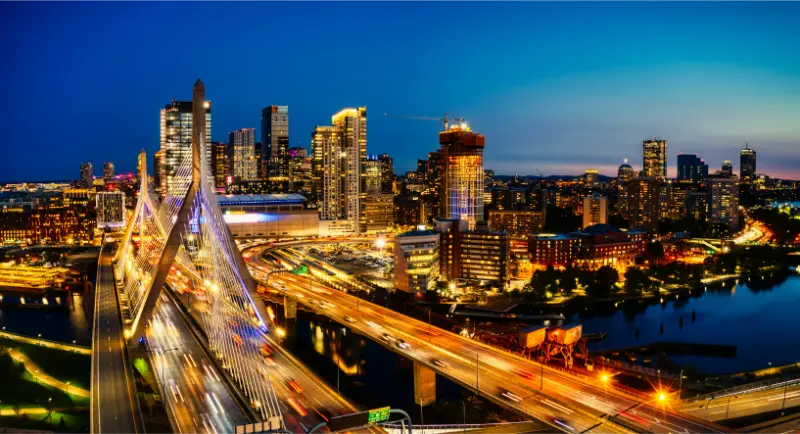
Boston gives history and food without parking stress before the road trip begins.
Vermont and the White Mountains provide two different inland landscapes; each deserves a multi-night base.
Acadia is far enough east that three nights are needed to justify the drive and preserve a weather buffer.
A realistic itinerary at a glance
| Days | Base | Main focus |
|---|---|---|
| 1–2 | Boston | History, neighbourhoods and food |
| 3–4 | Vermont | Small towns, scenic roads and hikes |
| 5–6 | White Mountains | Kancamagus region and mountain scenery |
| 7–9 | Bar Harbor / Acadia | Coast, park loops and weather buffer |
| 10 | Departure | Bangor/Boston onward travel |
Day-by-day plan
Day 1: Boston arrival
Stay car-free and use the Freedom Trail area, waterfront or a neighbourhood meal according to arrival time.
Day 2: Boston properly
Choose history, museums, Cambridge or another neighbourhood cluster. Do not rent the road-trip car yet.
Day 3: Boston to Vermont
Collect the car and drive toward Woodstock, Stowe or another chosen base, using one town stop rather than crossing the whole state.
Day 4: Vermont foliage and town day
Choose a scenic loop, short hike, farm or food stop and one village. Let current foliage reports influence direction.
Day 5: Vermont to White Mountains
Drive east and settle around North Conway, Lincoln or another practical base.
Day 6: White Mountains
Use the Kancamagus region, Franconia Notch or a focused hike. Fall traffic can be significant, so start early.
Day 7: White Mountains to Bar Harbor
This is the longest move; stop for lunch and one Maine town only.
Day 8: Acadia main day
Use Park Loop Road, Ocean Path, Jordan Pond or another cluster. If Cadillac Summit Road matters, follow the current reservation process.
Day 9: Acadia weather buffer
Use another trail, carriage roads, Schoodic or Bar Harbor according to conditions.
Day 10: Departure
Fly from Bangor when practical or begin the longer return to Boston with a proper buffer.
Where to stay and how many hotel changes to make
Boston should be central enough to remain car-free; in Vermont and New Hampshire choose one base rather than a sequence of inns; Bar Harbor is the easiest first Acadia base.
For New England, location matters more than a small difference in nightly rate. A hotel that removes repeated transfers usually adds more value than a prettier property in the wrong part of the route.
Read recent guest reviews for practical details that booking photos rarely show: stairs, lift size, road noise, parking access, breakfast hours and the final walk from transport.
Transport: what is worth planning in advance
A rental car is necessary once you leave Boston, but fall weekend traffic can make short scenic roads much slower than expected.
Measure every move door to door rather than by the headline timetable. Checkout, terminal access, waiting, luggage and the final connection can turn a short journey into half a day.
Use inflexible tickets only when the saving is meaningful and the day is genuinely fixed. Weather-sensitive coast, mountain, wildlife and boat plans benefit from flexibility.

Food and daily rhythm
Boston offers broad dining while rural New England rewards bakeries, diners, farm shops and earlier dinner planning.
Use meals to control the rhythm of the day. A long regional lunch can be an experience and a recovery period, especially after hiking, museums, wildlife outings or early starts.
Do not make every meal another attraction. Mix local specialties with simple food so that the destination, not the restaurant schedule, remains the centre of the trip.
Families, children and older travellers
Short hikes, covered bridges, lakes and Acadia’s coast create variety. Older travellers can use scenic drives and carriage roads instead of long mountain hikes.
For multigenerational travel, the useful pace is the one at which the least mobile member still enjoys the day. That normally produces a better shared trip for everyone.
When accessibility matters, ask specific questions about steps, trail surfaces, boat boarding, lift dimensions and vehicle access rather than relying on a generic label.
Budget: where the money really goes
Autumn lodging can rise sharply in Vermont, New Hampshire and Bar Harbor. A Bangor departure or one-way car fee can be worth it if it saves a full return-driving day.
Compare total trip cost rather than headline prices. Parking, transfers, luggage, park transport, tours and time lost reaching a remote hotel can erase an apparent saving.
Keep a contingency rather than allocating every day to the last euro or dollar. Weather, a changed ferry, a taxi or an extra night can appear even on a carefully planned journey.
Best time to go
Fall color timing varies every year by latitude, elevation and weather; use current reports once the trip starts.
Shoulder season often balances weather, demand and room prices well, but ferries, mountain services, wildlife excursions and rural restaurants may run less frequently.

Heat, rain, snow, wind and daylight should change the order of your day. Use the most comfortable hours for exposed outdoor sights and keep lower-effort alternatives available.
Comfort, accessibility and realistic pacing
The route has four bases in ten days but none is a one-night stop. The longest drive lands you in Acadia for three nights.
Travel fatigue compounds. One difficult transfer can reduce the quality of the following two days, which is why this itinerary avoids one-night bases unless geography genuinely requires them.
A free half-day is not wasted time. It is insurance for weather, laundry, a delayed service, a tired child or a place you discover only after arriving.
Small decisions that improve the trip
Do not chase exact foliage dates blindly
Use current reports.
Rent after Boston
Urban parking is unnecessary.
Give Acadia three nights
Coastal weather deserves a buffer.
What I would leave out on this length of trip
Leave Cape Cod, Newport and the Berkshires for a southern New England trip.
Skip trying to include all six New England states in ten days.
Mistakes that make this trip harder than it needs to be
- Changing inns every night.
- Assuming peak foliage is the same week every year.
- Ignoring Cadillac reservations.
- Driving scenic roads only at midday on peak weekends.
- Underestimating White Mountains-to-Acadia time.
- Driving Acadia-to-Boston directly under an international flight.
How I would adapt the itinerary
With seven days, use Boston, White Mountains and Acadia or Boston, Vermont and White Mountains.
With two weeks, add the Berkshires or coastal Maine south of Acadia.
Before booking
- Book autumn lodging early.
- Check current foliage reports.
- Reserve Cadillac Summit Road if desired.
- Collect the car after Boston.
- Protect the final flight.
Practical questions
When is peak foliage?
There is no fixed date.
Do I need a reservation for Acadia?
General park entry is separate, but Cadillac Summit Road uses a seasonal vehicle reservation system.
Is ten days enough?
Yes for this northern route, not for all New England.

Final thoughts
New England’s fall road trip becomes much better when foliage is treated as a landscape to live in rather than a color checklist.
Boston, Vermont, the White Mountains and Acadia create a ten-day route with history, mountains and coast while preserving multi-night bases.
How to keep this itinerary resilient
Keep Day 9 uncommitted until you know which Acadia day has the best weather.
In foliage season, plan alternate scenic roads because traffic and color can be better somewhere other than the famous route you originally saved.
Who this route suits best
This route is designed for travellers who prefer depth over collecting places. It keeps hotel changes low, protects flexible time and assumes that a good meal, an unexpectedly interesting neighbourhood or a slower morning can be as valuable as another attraction. That makes it particularly suitable for first-time visitors, couples, families and multigenerational groups.
More energetic travellers can add a longer hike, an extra museum or a second excursion on the flexible days. Travellers who prefer an easier pace can remove those extras and still keep the core journey intact. Before booking, identify the two or three experiences that would genuinely disappoint you to miss; those are the ones to reserve or protect first.
What to book early and what can wait
Book the elements with genuinely limited capacity first: high-demand accommodation, protected-area access, popular trains or ferries, and any guided experience that is central to the trip. Leave ordinary meals, minor attractions and weather-dependent outdoor activities more flexible whenever possible. This prevents the itinerary from becoming a chain of reservations that forces you to ignore how the destination actually feels on the day.
One week before departure, check the official transport or park information again. The evening before each major move, confirm departure points, opening status and the hotel address. That small routine catches most avoidable travel problems before they become expensive or tiring.