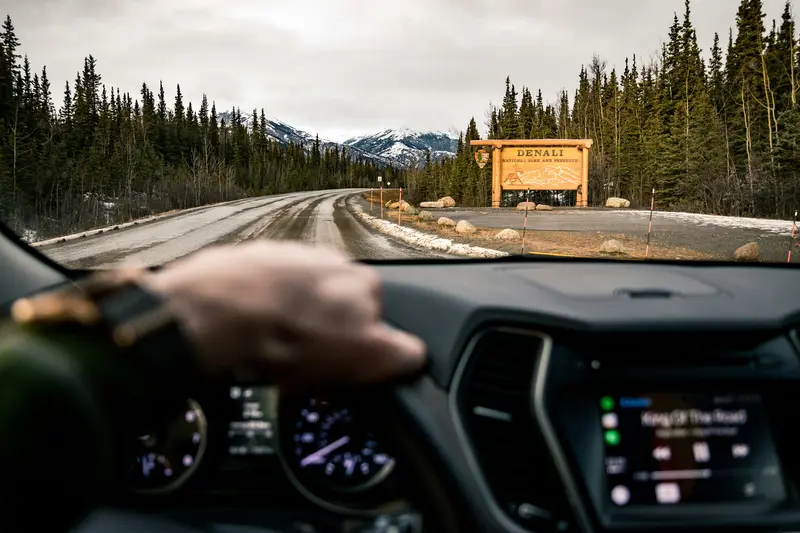
Alaska punishes rushed itineraries more than almost any U.S. destination. Anchorage, Seward, Denali, Fairbanks and the Inside Passage may all look possible on a state map, but the scale and weather make a focused ten-day route much stronger.
This itinerary uses Anchorage, Seward and Denali. It combines a Kenai Fjords marine block with an interior mountain and wildlife block and keeps Fairbanks optional.
For summer 2026, the National Park Service confirms Denali Park Road bus operations remain limited to East Fork at Mile 43. As of late August 2026 hikers and cyclists can travel beyond Mile 43, but buses do not; full bus service along the park road is expected to resume in 2027.
For current destination-wide information, use the Denali National Park current conditions before finalising transport, opening times or seasonal activities.
Quick trip summary
- 2 nights Anchorage, 3 nights Seward, 3 nights Denali, 1 final positioning night, Day 10 departure.
- Give Kenai Fjords two weather opportunities.
- In 2026 Denali buses travel only to Mile 43.
- Use rail or road based on schedule, not novelty.
- Do not add Fairbanks unless it improves the flight plan.
Why this route works
Anchorage is a worthwhile logistics base with museums, food and enough urban context to avoid arriving and immediately driving exhausted.
Seward deserves three nights because marine weather can cancel or change the best Kenai Fjords day.
Denali needs several nights even with the 2026 road limitation because wildlife, hiking and bus experiences are weather-dependent.
A realistic itinerary at a glance
| Days | Base | Main focus |
|---|---|---|
| 1–2 | Anchorage | Arrival, city and preparation |
| 3–5 | Seward | Kenai Fjords and coastal time |
| 6–8 | Denali | Bus, trails and wildlife |
| 9 | Anchorage/Fairbanks | Flight positioning |
| 10 | Departure | Onward flight |
Day-by-day plan
Day 1: Anchorage arrival
Keep the day to food, waterfront trail or museum depending on flight time. Do not begin the Seward Highway tired.
Day 2: Anchorage
Use the Anchorage Museum, Alaska Native cultural context or a simple local nature day.
Day 3: Anchorage to Seward
Take the scenic train or drive, but treat the transfer itself as part of the experience.
Day 4: Kenai Fjords marine day
Use a reputable boat operator if weather is suitable. Motion-sickness planning matters.
Day 5: Seward flexible day
Use Exit Glacier-area trails, another marine day or harbour time. This buffer protects the trip from bad weather.
Day 6: Seward to Denali
This is a substantial transfer. Arrive before a very early wildlife or bus day.
Day 7: Denali bus day
Use the 2026 bus service within the current road limit. NPS says buses run no farther than East Fork at Mile 43 for the 2026 season.
Day 8: Denali hiking and wildlife
Use entrance-area trails, ranger programmes or another bus experience. Wildlife is never guaranteed.
Day 9: Position for departure
Return toward Anchorage or continue to Fairbanks only if the flight plan makes that more efficient.
Day 10: Departure
Do not place an all-day park transfer under a major flight.
Where to stay and how many hotel changes to make
In Anchorage use logistics, in Seward harbour proximity is convenient for early boats, and in Denali compare park-entrance access with shuttle and meal availability.
Hotel geography matters more than a small difference in nightly rate. A room that removes a repeated transfer, difficult parking or an early-morning commute often adds more value than a prettier property in the wrong part of the route.
Read recent guest reviews for practical details that promotional photos rarely show: stairs, lift size, street noise, parking access, breakfast hours and the final walk from transport. Those details matter most on multi-base trips when luggage and early departures are involved.
For families and older travellers, central or transport-friendly accommodation can reduce taxis, fatigue and lost time enough to justify a slightly higher price.
Transport: what is worth planning in advance
The Alaska Railroad can replace some driving, but choose it for schedule and experience. Rental cars add flexibility but one-way fees and long distances matter.
Measure every move door to door rather than by the headline timetable. Checkout, terminal access, waiting, luggage and the final connection can turn a short journey into half a day.
Use inflexible tickets only when the saving is meaningful and the day is genuinely fixed. Weather-sensitive island, mountain, marine and park plans benefit from flexibility.
Save tickets, hotel addresses and essential timetables offline. Rural roads, national parks and islands are exactly where mobile coverage or battery life can become least reliable.
Food and daily rhythm
Anchorage has the broadest dining; Seward and Denali have more limited peak-season capacity. Carry snacks and water on long boat or bus days.
Use meals to control the rhythm of the day. A long regional lunch can be both an experience and a recovery period after museums, hiking, heat or an early start.
Do not make every meal another attraction. Mix destination restaurants with markets, bakeries, cafés and simple local places so food improves the route instead of controlling it.
Reserve only the meals that genuinely matter. Leaving other meals open prevents unnecessary cross-town travel and gives room for discoveries.
Families, children and older travellers
Boats, wildlife and trains are memorable for children, but long transport days need breaks. Older travellers should consider boat motion and bus duration.
For multigenerational travel, the useful pace is the one at which the least mobile member still enjoys the day. That usually creates a better shared trip for everyone.
Children often respond better to a change of format than to another famous sight: a beach after a museum, a ferry after a city walk, wildlife after a road day or a pool after a hike.
When accessibility matters, ask specific questions about steps, trail surfaces, boat boarding, lifts and vehicle access rather than relying on a generic accessibility label.
Budget: where the money really goes
Alaska is expensive because lodging, rental cars, rail and guided marine trips all carry high seasonal demand. Spend where logistics matter most.
Compare total trip cost rather than headline prices. Parking, transfers, luggage, tours and time lost reaching a remote hotel can erase an apparent saving.
The best splurges usually remove friction: a central room, a direct transfer, a guide where context matters or one extra night that prevents an exhausting move.
Keep a contingency rather than allocating every day to the last euro or dollar. Weather, a changed service, a taxi or an extra night can appear even on a well-planned journey.
Best time to go
Summer gives broadest access and long daylight; shoulder seasons reduce crowds but change services quickly. Weather can still be cool, wet and windy.
Shoulder season often balances weather, demand and prices well, but ferries, mountain services, wildlife excursions and rural attractions may run less frequently.
Heat, rain, snow, wind and daylight should change the order of a day. Use the most comfortable hours for exposed outdoor sights and keep easier alternatives available.
Pack for the entire route rather than the destination stereotype. Coast, mountains, cities and highland environments can require very different layers in the same week.
Comfort, accessibility and realistic pacing
The route never asks you to do a marine day and a huge road transfer together, and the final positioning night protects the flight.
Travel fatigue compounds. One difficult transfer can reduce the quality of the following two days, which is why this itinerary avoids one-night bases unless geography genuinely requires them.
A free half-day is not wasted time. It is insurance for weather, transport disruption, a tired child or a place you discover only after arriving.
Decide before the trip which experiences are essential and which are optional. Shortening a day then feels like a deliberate choice rather than a failure.
Small decisions that improve the trip
Use only Seward and Denali as major nature blocks
They already provide coast and interior.
Respect the 2026 Denali road limit
Plan from current NPS operations, not old itineraries.
Give Seward a weather buffer
Marine Alaska should never have only one chance.
What I would leave out on this length of trip
Leave Homer, Wrangell-St. Elias and the Inside Passage for separate Alaska trips.
Skip trying to see Denali, Seward and Fairbanks with one night in each.
Mistakes that make this trip harder than it needs to be
- Driving tired after a long flight.
- Booking only one Kenai Fjords weather window.
- Planning Denali from pre-landslide itineraries.
- Expecting guaranteed wildlife.
- Underestimating transfer distances.
- Driving from Denali directly to a tight Anchorage flight.
How I would adapt the itinerary
With seven days, use Anchorage, Seward and one shorter Denali block.
With two weeks, add Fairbanks or Homer with proper nights.
Before booking
- Check current Denali NPS conditions.
- Reserve peak-season buses and lodging.
- Plan motion-sickness needs.
- Compare rail versus rental-car costs.
- Protect the final flight day.
Practical questions
How far can Denali buses go in 2026?
NPS says buses travel no farther than East Fork at Mile 43 during the 2026 summer season.
Do I need a car?
Not necessarily; rail plus transfers can build much of this route.
Is ten days enough?
Yes for Anchorage, Seward and Denali, not the whole state.
Final thoughts
Alaska works best when you choose one coastal ecosystem and one interior ecosystem and give both enough time.
Anchorage, Seward and Denali create a ten-day trip with glaciers, marine wildlife and mountain wilderness while respecting 2026 access realities.
How to keep the itinerary resilient
Before departure, rank the plan into essential experiences, strong options and easy-to-drop extras. If weather, traffic, fatigue or a changed service affects the day, remove an extra first. This protects the reason you chose the destination and prevents one disruption from turning the whole trip into catch-up travel.
A useful daily rule is one main experience, one secondary activity and one open block rather than three major commitments. The open block can become lunch, a swim, a viewpoint, a café, another museum room or simply rest. If the group still has energy, add something optional; if not, finishing early is usually better than beginning the following morning already tired.
One week before departure, check official transport, park or tourism information again. The evening before each major move, confirm the departure point, opening status, weather and hotel address. This simple routine catches most avoidable travel problems before they become expensive or tiring.