Japan becomes much easier to plan when you stop trying to collect cities and start building around a few strong bases. Kyoto, Nara, Hiroshima, Miyajima and Osaka sit on one of the country’s most convenient travel corridors, which means a ten-day trip can feel varied without requiring a new hotel every night. The mistake is assuming that fast trains make every transfer effortless. Stations are large, popular sights are spread out and the most rewarding parts of Kyoto and Hiroshima still require time on foot.
This itinerary is designed for travellers who have already decided that Tokyo is either a separate trip or a short arrival/departure point. It gives Kyoto the largest share of time, treats Nara as an easy day trip, gives Hiroshima enough space for both the Peace Memorial area and Miyajima, and finishes with Osaka rather than commuting back and forth between the two Kansai cities. The goal is to use Japan’s efficient transport to simplify the trip, not to justify adding more stops.
Quick trip summary
- Use Kyoto, Hiroshima and Osaka as the three hotel bases; visit Nara and Miyajima without moving luggage.
- Reserve only the transport and attractions that are genuinely time-sensitive; ordinary city days work better with flexibility.
- Ship large luggage or use station lockers strategically if you want a lighter Hiroshima segment.
- Start Kyoto mornings early when a famous temple or shrine matters, then move to quieter areas later in the day.
- Allow extra time inside major stations: a ten-minute train connection can involve far more walking than the timetable suggests.
Who this itinerary is for — and when to change it
This route is designed for a first visit with a moderate pace. It assumes you want the destination’s defining experiences without turning every day into an early start, late arrival and luggage transfer. Couples, solo travellers, families and mixed-age groups can all use the same geographic structure, but the number of activities inside each day should change with mobility, heat, jet lag and personal interests.
The easiest way to personalize it is to identify your two non-negotiable experiences before booking hotels. Protect those first, then let the rest of the itinerary support them. If a weather-dependent activity matters more than a museum or city walk, give it the flexible day rather than hoping the forecast behaves exactly as expected.
Where to stay: choose the base before the hotel
Accommodation is a transport decision as much as a comfort decision. Check how you will reach the first activity in the morning, how you will return after dinner, whether the property has stairs or parking, and what happens with luggage on transfer days. A cheaper room that creates two difficult journeys every day can cost more in taxis, time and energy than a slightly more expensive base in the right place.
| Base | Why it works — and the trade-off |
|---|---|
| Kyoto Station / Shichijo | Excellent for Shinkansen travel, airport connections and buses. Less intimate than Gion, but very practical when luggage and day trips matter. |
| Central Kyoto / Kawaramachi | A strong compromise for evening restaurants, shopping, buses and walking toward Gion. Travel to Kyoto Station takes a little longer. |
| Hiroshima Station | Best for short stays and onward rail travel. Trams connect easily to the Peace Memorial area, and luggage logistics stay simple. |
| Osaka: Namba / Shinsaibashi | Ideal for food, evening atmosphere and access to Dotonbori. Choose Umeda instead if rail connections are your main priority. |
The four decisions that shape this trip most
| Decision | Best default | When to change it |
|---|---|---|
| Kyoto base | 4 nights | Reduce to 3 only if temples and traditional neighbourhoods are a lower priority. |
| Nara | Day trip from Kyoto | Stay overnight if you want quieter early/late hours or plan to explore beyond Nara Park. |
| Hiroshima + Miyajima | 2 nights | A day trip is possible, but it compresses two very different experiences into one long day. |
| Osaka | 2–3 nights | Use 2 if you mainly want food and city atmosphere; add a night for Universal Studios Japan or deeper neighbourhood time. |
Make these decisions before filling the calendar with attractions. They determine how many hotel changes, early starts and long journeys the trip contains. Once the structure is right, individual sightseeing choices become much easier to adjust.
A realistic day-by-day route
Days 1–2: arrive in Kyoto and learn one side of the city
Keep the first day local. Walk around the area near your accommodation, eat early and avoid placing a famous timed attraction immediately after a long flight or Shinkansen transfer. Kyoto rewards an alert mind more than an exhausted checklist.
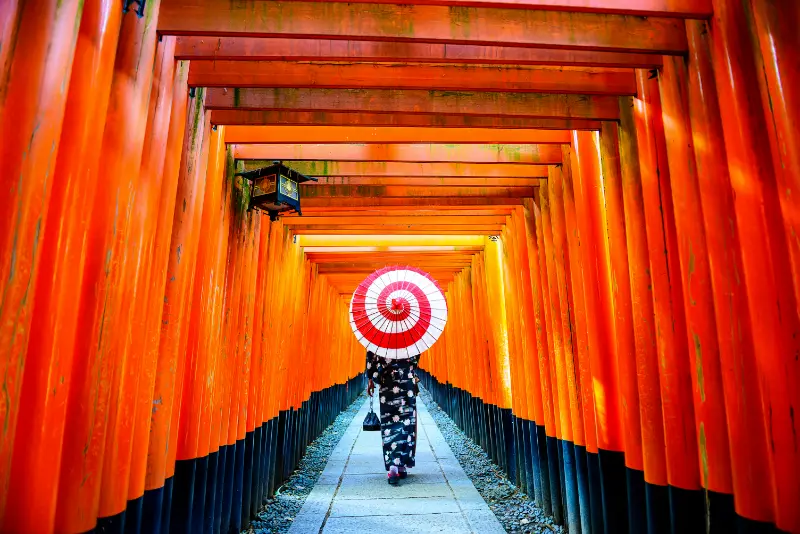
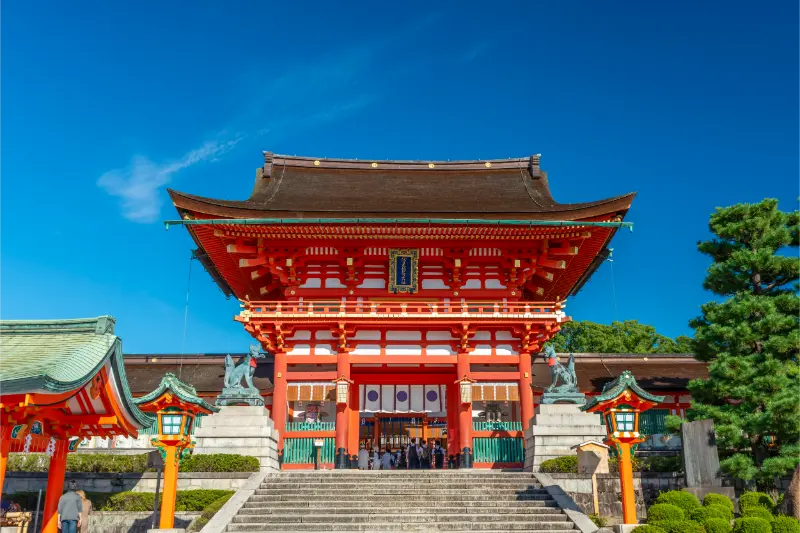
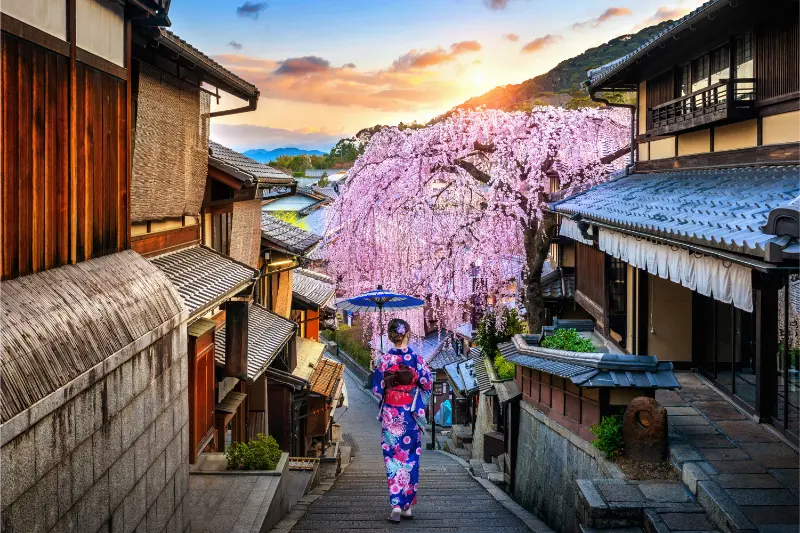
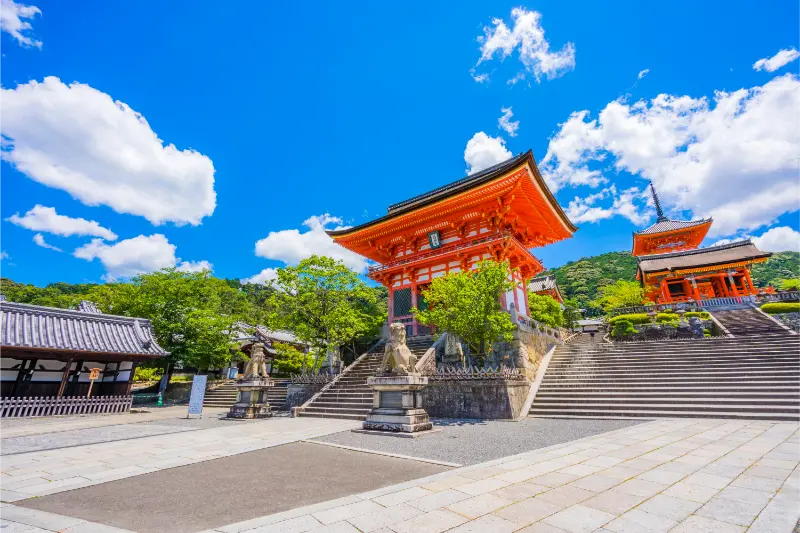
On the first full day, group sights geographically. A Higashiyama day might combine Kiyomizu-dera, smaller lanes and a section of Gion; do not add Arashiyama simply because both appear on “must-see” lists.
In the evening, choose one walkable restaurant area rather than crossing the city again. Kyoto transport is reliable, but repeated bus journeys through traffic can quietly consume the day.
Day 3: Arashiyama early, then a quieter Kyoto afternoon
Reach Arashiyama early if the bamboo grove is important to you, but treat the district as more than one photo stop. River views, gardens, temples and residential lanes make the trip worthwhile after the first crowds build.
Return toward central Kyoto after lunch and choose one contrasting activity: Nijo Castle, a museum, a tea experience or a slower market visit. This protects the day from becoming eight hours of temple-hopping.
Families often do better with an open-space stop near the river, while older travellers should check walking gradients and use taxis strategically between distant clusters.
Day 4: Nara as a full day trip, not a rushed detour
Travel from Kyoto to Nara in the morning and give the park and temple area enough time. Todai-ji, Nara Park and nearby historic streets are close enough to combine, but the day still involves substantial walking.
Do not build the itinerary around feeding deer. They are part of the setting, not the entire destination, and official guidance should be followed around the animals.
Return to Kyoto for a quiet evening. Packing for Hiroshima tonight makes the next morning noticeably easier.
Days 5–6: Hiroshima and Miyajima with emotional and physical space
Take the Shinkansen to Hiroshima and use the first day for the Peace Memorial Park, museum and surrounding city. This is not a day to stack with several unrelated attractions; leave room to process the visit and walk beside the river.
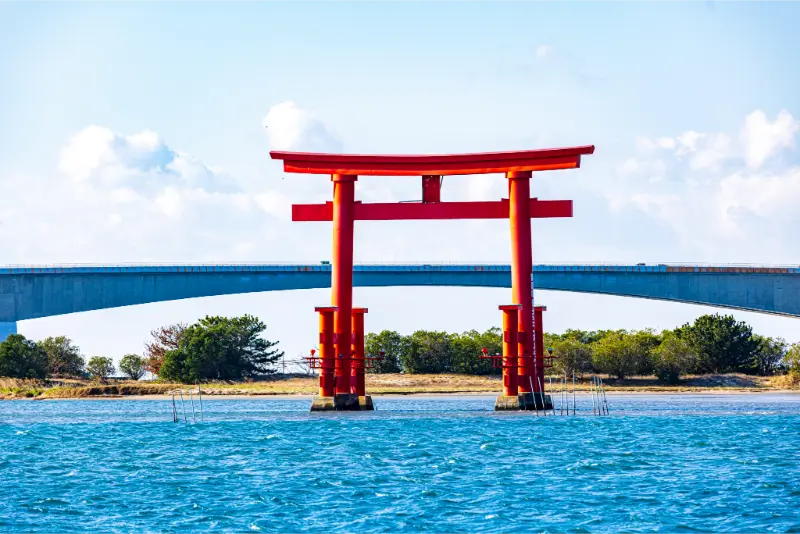
On the second day, travel to Miyajima. Tides change the visual relationship between the torii gate and the water, but do not let tide timing dictate every minute. The island also offers temples, streets, viewpoints and forested areas.
Return to Hiroshima for the night rather than moving hotels again. If you travel with only a small overnight bag, the two-night segment feels much easier.
Days 7–8: Osaka for food, neighbourhoods and a different urban rhythm
Move to Osaka and stay near either Namba or Umeda according to your priorities. Spend the first afternoon around your chosen neighbourhood instead of immediately travelling to the opposite side of the city.
Use the next day for one major anchor such as Osaka Castle, the aquarium or a theme park, then add street food and an evening district. Osaka is most enjoyable when you leave room for unplanned eating and people-watching.
If Universal Studios Japan is a priority, make it the day’s main event. Do not pair it with a full sightseeing programme elsewhere.
Days 9–10: flexible Kansai day and departure
Use the final full day for something that matches the trip you actually had: more Kyoto, a deeper Osaka neighbourhood, Himeji, Kobe or simply a slower day with shopping and food. This flexibility is useful if rain affected an earlier plan.
For departure, choose the airport route the night before and confirm which station and platform you need. Osaka has several major rail hubs and similarly named services can confuse tired travellers.
If your flight leaves from Tokyo rather than Kansai, treat the long transfer as a real travel block and avoid placing it immediately before a tight international connection.
Pace check: if this stage runs late, remove the lowest-priority activity rather than stealing time from meals, sleep or the next transfer. A resilient itinerary should become simpler when something changes, not more frantic.
Transport reality: plan door to door
The Kyoto–Hiroshima–Osaka corridor is built around frequent rail services, but the best ticket strategy depends on the exact trains and number of journeys you will take. Do not assume a nationwide rail pass is automatically the cheapest option. Compare individual fares and any regional pass that genuinely matches your route. In Kyoto, buses are useful but can be crowded; rail, subway, walking and occasional taxis often create a better mix. Japan National Tourism Organization provides route context for Kyoto, Nara and Osaka, while rail operators should be checked for the exact service you intend to use.
Door-to-door time is the number that matters. Add hotel checkout, reaching the station/airport/pier, waiting, boarding, collecting luggage, local transport at the other end and the possibility that everyone needs food immediately after arrival. This is why a “two-hour flight” or “three-hour drive” can consume most of a day. Our guide to building realistic 7-, 10- and 14-day itineraries explains how to treat transfer days honestly.
Food strategy: make meals part of the route
This route moves through places with very different food cultures, so avoid reserving famous restaurants every night. Kyoto suits one thoughtful kaiseki, tofu or seasonal meal if that interests you, Hiroshima is strongly associated with its style of okonomiyaki, and Osaka is ideal for a more spontaneous evening built around several smaller dishes. Food halls in department stores and station complexes are also practical when weather is poor or the group wants different things. Carry a little flexibility for opening days and queues rather than planning meals as tightly as trains.
One planned meal per day is usually enough. Keep the other meal flexible so it can respond to where you actually are, not where an old itinerary expected you to be. With children, older travellers or very hot weather, eating before everyone becomes tired is often more important than reaching the “best” restaurant on a list.
When to go and how the season changes the plan
Spring and autumn are famous for blossoms and foliage, but those seasons also concentrate demand. Summer can be hot and humid, especially in Kyoto, while winter is cooler and often easier for city sightseeing if you dress properly. Rainy periods can affect outdoor plans without ruining the trip because each base has museums, covered shopping streets and indoor alternatives. The best season is therefore the one that matches your tolerance for heat, crowds and shorter daylight rather than a single universal recommendation.
Instead of searching for one universal best month, decide which compromise you prefer: better weather, fewer visitors, lower prices, long daylight, swimming conditions or seasonal wildlife. No month maximizes everything. Recheck short-term weather and official access information shortly before the relevant day, especially for roads, trails, boats and outdoor attractions.
Budget: where spending actually improves the trip
Accommodation in Kyoto can rise sharply during peak blossom and foliage periods, while transport costs accumulate if you make repeated long-distance day trips. A good budget strategy is to spend on location and reduce hotel changes. If you want to save, compare weekday and weekend nights, consider business hotels near stations and use casual meals for balance. The route works particularly well with the planning approach in our realistic travel budget guide because rail, accommodation and attraction costs should be evaluated together.
The most useful upgrades are often logistical rather than luxurious: a hotel that removes a daily transfer, a direct ride after a long flight, a flexible ticket, an additional night in a weather-dependent region or a guide where interpretation genuinely adds value. Cut low-value extras before cutting the pieces that keep the route reliable.
Common mistakes to avoid
- Using Osaka as a cheap base for every Kyoto day and losing morning time to commuting.
- Buying a rail pass before checking whether the actual itinerary justifies it.
- Scheduling Kyoto temples from opposite sides of the city on the same day.
- Treating Hiroshima as only a museum stop and Miyajima as only a torii-gate photograph.
- Moving luggage to Nara or Miyajima when a day trip gives you the same experience with less friction.
Most difficult trips are not ruined by one large mistake. They become tiring through a sequence of small optimistic assumptions: a transfer that “should” be quick, a hotel that is “only” a kilometre away, a famous walk that is assumed to suit everyone and a dinner reservation across town after an already long day. Leave margin before you need it.
Families, older travellers and mixed-age groups
Japan is highly workable for families and mixed-age groups, but long station walks, stairs and full days on your feet matter. Choose hotels close to a practical station exit, not simply “near the station” on a map. Children may enjoy trains, deer, aquariums and interactive museums more than a long sequence of temples. Older travellers benefit from taxis for the awkward last kilometre, reserved seats on longer rail journeys and a midday hotel break in Kyoto when heat or crowds build.
For mixed-age groups, agree which experiences everyone will share and which can be optional. Splitting for two hours is often healthier than forcing the entire group through one person’s priority. Build seating, toilets, shade, step-free access and realistic meal times into the plan with the same seriousness as headline attractions. Our guide to travelling with parents and older adults covers this approach in more detail.
If you have more or less time
With twelve to fourteen days, add Kanazawa, Himeji, Koyasan or extra Kyoto/Osaka depth rather than inserting several one-night stops. With seven days, use Kyoto as the main base, day-trip to Nara, then spend two nights in Hiroshima or Osaka according to your priorities. The strongest version of the itinerary keeps bases stable and makes day trips do the work.
When shortening the trip, remove an entire base before cutting every destination to one night. When lengthening it, add depth before distance. An extra morning in a place you already understand often produces a better memory than another three-hour transfer to a new pin on the map.
Useful official resources
Opening hours, park rules, transport timetables, road conditions and visitor procedures can change. Use official sources for the details that affect your exact travel dates and recheck them shortly before departure.
Final planning checklist
- Confirm passport, visa, entry and transit requirements for your nationality and route.
- Book the genuinely scarce transport or accommodation segment before secondary attractions.
- Check the exact luggage journey between bases, including stairs, ferries, station exits and rental-car rules.
- Save offline copies of essential reservations, insurance details and each accommodation address.
- Recheck weather, road, park, trail or transport notices shortly before each critical day.
- Keep at least one flexible half-day that can absorb rain, fatigue, a delay or a cancellation.
- Choose clothing and footwear for the actual surfaces and climate, not only for photographs.
- Leave a generous buffer before international flights and other connections that are expensive to miss.
The purpose of a good itinerary is not to prove that you covered the maximum distance. It is to make the important experiences easier to enjoy and to leave enough energy for the unexpected parts that become the best memories. Use this route as a framework, then remove anything that does not fit your interests, mobility or travel rhythm.