
Central Florida is often planned as a seven-day theme-park marathon, but Orlando’s neighbourhoods, Winter Park, natural springs and the Space Coast can make the region much more varied.
This eight-day route uses Orlando/Winter Park as the first base and Cocoa Beach/Titusville as the second. It includes only one or two theme-park days rather than assuming every day must be spent in a queue.
Kennedy Space Center Visitor Complex publishes date-specific 2026 opening hours on its official hours page. For much of late summer and autumn 2026 the site lists 9 AM–5 PM, but hours change by season, so always check your exact date.
Quick trip summary
- 5 nights Orlando/Winter Park, 2 nights Space Coast, Day 8 departure.
- Choose one or two theme-park days, not all of them automatically.
- Give Kennedy Space Center a full day.
- Use Winter Park or another neighbourhood day as a recovery block.
- Do not add Miami or the Florida Keys.
Why this route works
Orlando needs several nights because theme parks, neighbourhoods, springs and museums are spread out.
Winter Park provides a lower-pressure day with food, museums and lakes close to Orlando.
Sleeping on the Space Coast makes Kennedy Space Center and an Atlantic beach day much easier than repeated Orlando commuting.
A realistic itinerary at a glance
| Days | Base | Main focus |
|---|---|---|
| 1–5 | Orlando / Winter Park | Selected parks, neighbourhoods, springs and recovery time |
| 6–7 | Space Coast | Kennedy Space Center and Atlantic coast |
| 8 | Departure | Orlando/Melbourne onward |
Day-by-day plan
Day 1: Orlando arrival
Choose a hotel based on your actual priorities: theme-park transport, walkable neighbourhood evenings or Winter Park access. Do not pay resort prices automatically if you have only one park day.
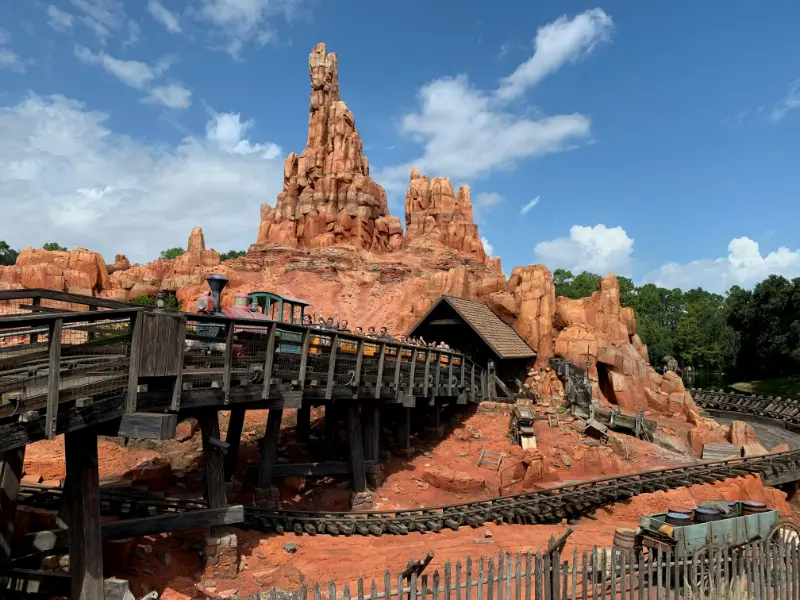
Day 2: Theme-park day
Choose the park that matters most and make it the only major commitment. Arrive early, use current reservation/queue systems and leave space for an evening rest.
Day 3: Winter Park and local Orlando
Use the scenic boat tour, Morse Museum-style culture, Park Avenue, Mills 50 or another neighbourhood. This day changes the rhythm completely.
Day 4: Springs or nature day
Use Wekiwa Springs, Blue Spring direction or another current accessible natural area according to conditions and wildlife rules. State-park capacity can fill, so check before driving.
Day 5: Second theme park or flexible Orlando day
Use a second park only if the group wants it. Otherwise choose museums, shopping, food or a slow hotel/pool day.
Day 6: Orlando to Space Coast
Move to Cocoa Beach/Titusville, use the beach or Merritt Island-area nature and keep the evening simple.
Day 7: Kennedy Space Center
Arrive at opening and give the Visitor Complex a full day. The bus tour, Space Shuttle Atlantis and major exhibits take far longer than a quick half-day.
Day 8: Departure
Return toward Orlando or use Melbourne where practical; do not attach a rocket launch or beach excursion to a tight flight.
Where to stay and how many hotel changes to make
Theme-park resorts make sense when transport and early-access benefits outweigh the price. Winter Park/downtown areas suit travellers who want restaurants and local neighbourhoods.
On the Space Coast, Titusville is practical for KSC while Cocoa Beach offers stronger beach atmosphere.
Choose accommodation for geography before décor. A well-positioned room can save an hour every day and often matters more than a small difference in nightly price.
Read recent guest reviews for practical details that hotel pages rarely emphasise: stairs, parking, road noise, breakfast hours, heating or air conditioning, and the real walk from transport.
Transport: what is worth planning in advance
A car is useful for this mixed itinerary, though resort shuttles and rideshare can reduce driving on park days.
Orlando traffic is a real planning factor; two attractions that look close on a map can involve a tiring cross-city transfer.
Measure every move door to door rather than by the headline distance. Luggage, waiting, parking, road conditions, ferries or the final local connection can turn a short-looking transfer into half a day.
Save hotel addresses, reservation confirmations and maps offline. The places where navigation matters most are often exactly where mobile coverage becomes weakest.
Food and daily rhythm
Orlando’s broader food scene is strongest away from the theme-park corridors, especially in neighbourhoods such as Mills 50 and Winter Park.
On full park days, prioritise hydration and easy meals rather than turning every dining reservation into another timed obligation.
Use meals to shape the rhythm of the day. A long regional lunch can be both an experience and a recovery period after hiking, museums, heat or an early start.
Do not make every meal another reservation. Mix destination restaurants with markets, bakeries, cafés and simple local places so food improves the itinerary instead of controlling it.
Families, children and older travellers
Families benefit most from alternating high-stimulation park days with low-pressure lake, spring or beach days.
Older travellers should check walking distances, mobility rentals and shade/rest areas at large attractions before arrival.
For multigenerational travel, the right pace is the one at which the least mobile member still enjoys the day. That usually creates a better shared trip for everyone.
When accessibility matters, ask precise questions about steps, trail surfaces, beach access, boat boarding, lifts, toilets and vehicle access rather than relying on a generic accessibility label.
Budget: where the money really goes
Theme-park tickets and resort hotels dominate the budget, so selecting fewer parks can free money for better accommodation or a longer stay.
Kennedy Space Center deserves its own budget line rather than being treated as a small roadside attraction.
Compare total trip cost rather than headline room prices. Parking, transfers, fuel, tolls, ferries and guided activities can erase an apparent saving.
The best splurges usually remove friction: a central room, a direct transfer, a good local guide or one extra night that prevents an exhausting move.
Best time to go
Central Florida can be hot and stormy in summer, while winter and spring are generally easier for long outdoor days.
Hurricane-season travel should use flexible bookings and daily weather awareness.
Shoulder season often balances weather, crowds and prices well, but rural attractions, boats, ferries, mountain services and seasonal restaurants may run reduced schedules.
Weather should change the order of the day. Keep indoor or lower-effort alternatives so rain, heat, wind, smoke, snow or cloud does not force you to waste the trip.
Comfort, accessibility and realistic pacing
The itinerary deliberately separates major theme-park days with recovery blocks.
Two Space Coast nights remove the need for an early and late Orlando–KSC round trip.
Travel fatigue compounds. One difficult relocation can weaken the following two days, which is why this itinerary avoids one-night bases unless geography genuinely requires them.
A free half-day is not wasted time. It is insurance for weather, traffic, a tired child or a place you discover only after arriving.
Small decisions that improve the trip
Choose parks intentionally
Not every traveller needs Disney, Universal and every new attraction.
Sleep on the Space Coast
Kennedy is better without a commute.
Use one local Orlando day
The city is more than resorts.
Check hours and launch schedules late
Space operations change.
What I would leave out on this length of trip
Leave Miami, Everglades and the Keys for the separate South Florida itineraries.
Skip booking consecutive rope-drop-to-fireworks park days unless the whole group genuinely wants that intensity.
Mistakes that make this trip harder than it needs to be
- Planning every day inside a major park.
- Booking dining/ride schedules with no recovery time.
- Assuming Kennedy Space Center takes only a few hours.
- Driving back to Orlando exhausted after KSC.
- Ignoring summer thunderstorms.
- Choosing a hotel by price without considering transport costs.
How I would adapt the itinerary
With five days, use Orlando plus one Space Coast night.
With ten days, add another nature/springs day or a slower beach block rather than another distant Florida region.
Before booking
- Check date-specific KSC hours.
- Choose theme parks before hotel geography.
- Use flexible storm-season rates.
- Plan hydration and rest.
- Protect the final airport drive.
Practical questions
How many theme parks should I do?
One or two is enough for a mixed Central Florida trip.
Is Kennedy Space Center worth a full day?
Yes. The major exhibits and bus tour easily fill a day.
Where should I stay for KSC?
Titusville for practical access or Cocoa Beach for a beach-focused evening.
Final thoughts
Central Florida becomes much more enjoyable when theme parks are part of the itinerary rather than the entire identity of the trip.
Orlando, Winter Park and the Space Coast create eight days of rides, local food, nature, space history and beach time without burnout.
How to keep the itinerary resilient
Keep the springs/beach days flexible around storms and capacity.
If a launch or park schedule changes, protect Kennedy day and the final flight rather than squeezing another attraction into the margins.
Who this route suits best
This route works best for travellers who prefer depth over collecting places. It keeps hotel changes low, protects flexible time and assumes that a good meal, an unexpectedly interesting neighbourhood or a slower morning can be as valuable as another famous attraction. That approach works especially well for first-time visitors, couples, families and multigenerational groups.
More energetic travellers can add a longer hike, another museum or a second excursion on flexible days. Travellers who prefer an easier pace can remove those extras and still keep the core journey intact. Before booking, identify the two or three experiences that would genuinely disappoint you to miss; those are the ones to reserve first.