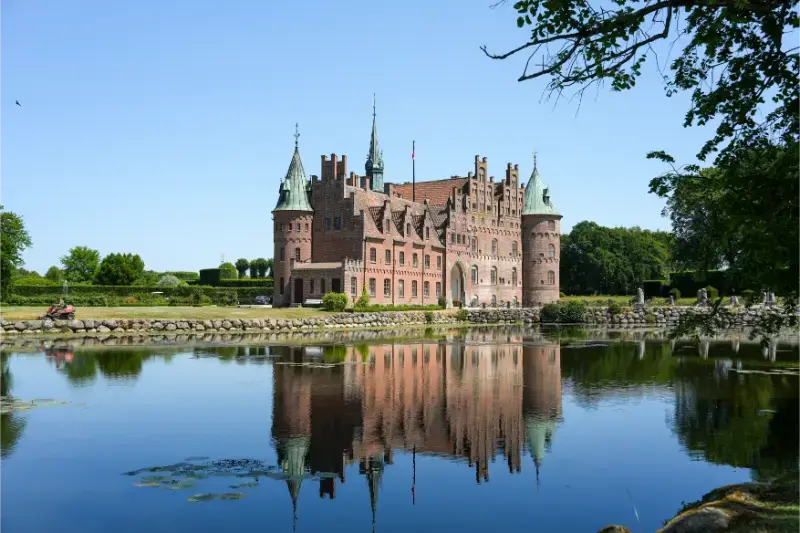
The Netherlands looks small enough to turn into a new hotel every night, but that is rarely the best way to travel there. The rail network is dense, cities are compact and many of the most interesting contrasts can be reached on day trips with far less luggage handling.
For seven days, use Amsterdam and Rotterdam as the two bases. Visit Utrecht from Amsterdam and Delft from Rotterdam. This gives you canals, major museums, a historic university city, modern architecture and a smaller Dutch town without treating the whole country like a race between check-in desks.
The national railway operator NS is the key tool. Utrecht sits centrally in the network, and NS lists direct links from Amsterdam as well as onward connections to Rotterdam. The real planning decision is therefore not whether the trains exist, but where you want to wake up and spend your evenings.
Quick trip summary
- Use only two hotels: 4 nights Amsterdam and 3 nights Rotterdam.
- Visit Utrecht as a day trip from Amsterdam and Delft from Rotterdam.
- Reserve only the most in-demand Amsterdam museums and keep the rest flexible.
- Do not rent a car for this route.
- Choose at least one day where the bicycle culture is observed rather than imitated if you are not an experienced urban cyclist.
Why two bases are enough for a first week
Amsterdam deserves several nights because its museum reservations, canal geography and neighbourhoods reward time. Staying longer also lets you see the city early and late, when day visitors are fewer.
Utrecht offers the canal atmosphere on a smaller scale and is easy to reach by train. NS describes it as a central hub with direct services to Amsterdam, Rotterdam, The Hague and other cities, which makes it ideal as a day rather than another hotel.
Rotterdam creates the strongest contrast with Amsterdam. Modern architecture, the port identity and wider streets make it feel like a different country at moments. Delft then adds the compact historic note without forcing a third base.
A realistic itinerary at a glance
| Days | Base | Main focus |
|---|---|---|
| 1–4 | Amsterdam | Canals, museums, neighbourhoods and Utrecht day trip |
| 5–7 | Rotterdam | Architecture, harbour atmosphere and Delft day trip |
Day-by-day plan
Day 1: Arrive in Amsterdam and walk your neighbourhood
Do not begin with a bike rental. Learn how tram lanes, cycle paths and pedestrian space interact first. Walk a compact canal loop, have dinner near your hotel and use the first evening to understand how busy the centre feels at different times.
Day 2: One major museum plus canals
Reserve either the Rijksmuseum, Van Gogh Museum or another priority collection, then keep the rest of the day outdoors. A canal cruise can be useful early in the trip because it explains the city’s shape without exhausting your feet. Avoid booking two huge museums back to back unless art is the main purpose of the trip.
Day 3: Neighbourhood Amsterdam
Move beyond the most crowded central streets. Jordaan, De Pijp, Oost, Noord or another district can become the focus depending on food, markets or architecture. This is also your weather buffer for an outdoor activity that did not work on Day 2.
Day 4: Utrecht by train
Take the train to Utrecht for a full but relaxed day. Explore the canal level, wharf cellars, Dom area and side streets. Because the return to Amsterdam is easy, there is no need to drag luggage through the city or leave before dinner unless you want to.
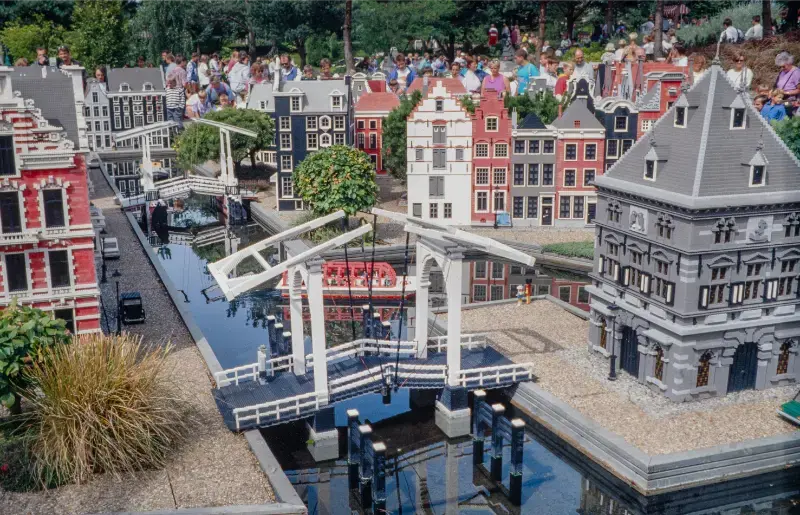
Day 5: Move to Rotterdam and change visual language
Take a direct train south, check in and use the afternoon for Rotterdam Centraal, the city centre, Markthal/Cube House area and riverside architecture. The point is contrast, not another list of old-town landmarks.
Day 6: Rotterdam properly
Choose one museum or harbour-focused experience, then walk or use public transport through the modern districts. If architecture interests you, slow down enough to understand post-war planning rather than simply photographing unusual buildings.
Day 7: Delft or departure day
If your departure is late enough, Delft works beautifully as a half or full day. If you fly early, move the Delft visit to Day 6 and keep the final day simple. Historic Delft is compact, so it does not need a night to justify the visit.
Where to stay and how many hotel changes to make
In Amsterdam, Centraal is convenient but not the only practical area. De Pijp, Museum Quarter, Jordaan edges or Oost can offer different evenings. Check tram access and the walking distance from the nearest stop with luggage.
Rotterdam Centraal and the central districts are easy for a short stay, but a riverside hotel can be worthwhile if views matter. The city is spread enough that proximity to metro or tram is useful.
Two hotels preserve the biggest advantage of Dutch rail: you can travel light during the day. Lockers and station storage exist, but the better itinerary often avoids needing them.
Transport: what is worth booking in advance
Use NS for live rail planning and fare information. Amsterdam to Utrecht and Utrecht to Rotterdam are routine rail corridors, and Amsterdam–Rotterdam also has frequent direct services. NS Utrecht information is a useful starting point.
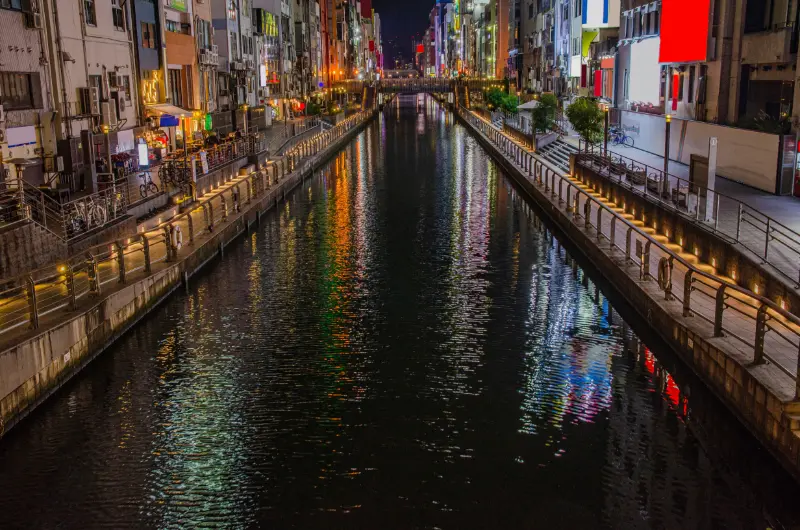
Within cities, walking, trams and metro are enough. Cycling can be wonderful, but dense urban cycling requires awareness. Visitors who do not regularly ride in traffic should start in a calmer area or choose a guided experience rather than learning in the busiest centre.
Schiphol is integrated into the rail network, which makes open-jaw hotel choices flexible. Still, check planned engineering works before an early flight because replacement buses can change the margin you need.
Food and daily rhythm
Dutch cities make casual eating easy: bakeries, markets, Indonesian influences, Surinamese food and modern cafés are as relevant as traditional snacks. Use lunch for experimentation and keep one dinner reservation for somewhere you especially want to try.
Amsterdam’s centre can be expensive and generic around the busiest corridors. Walking ten or fifteen minutes away from the major sights often improves both price and atmosphere.
Families, children and older travellers
Canal cruises, parks, interactive museums and short train rides make this route very family-friendly. The main challenge is water and bicycle traffic: young children need clear supervision near canal edges and cycle lanes.
Older travellers benefit from flat terrain, but cobbles, bridges and long museum standing times still add fatigue. Use trams for short hops without feeling that flat cities must be walked end to end.
A two-base structure is especially helpful for multigenerational groups because day-trip luggage disappears. Everyone can return to a familiar hotel each evening.
Budget: where the money really goes
Amsterdam hotels are the main cost pressure. Staying slightly outside the canal core but on a direct tram line can save significantly without damaging the experience.
Train day trips are straightforward costs and often cheaper than an extra hotel change. Museum tickets add up quickly, so prioritise rather than buying admission simply because a place is famous.
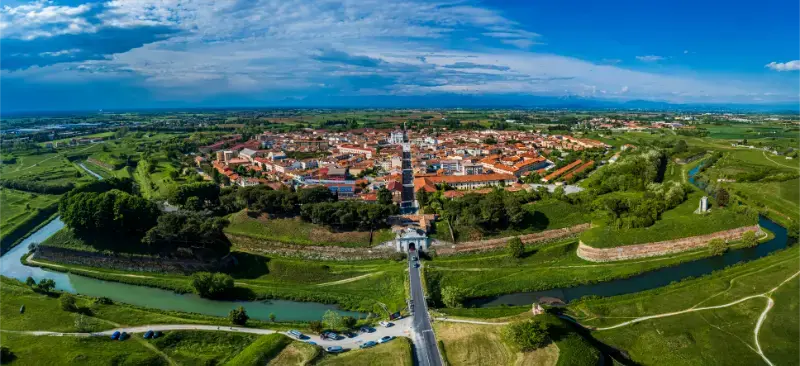
Food budgets vary widely. Markets, bakeries and casual Indonesian or Surinamese meals can balance one more expensive dinner.
Best time to go
Late spring brings long daylight and famous flower-season demand; summer has outdoor energy and crowds; early autumn is excellent for city travel; winter can be atmospheric but wet and windy.
Rain is not a reason to abandon the itinerary, but it is a reason to keep one museum option in reserve each day. Dutch weather changes quickly enough that rigid outdoor schedules are unnecessary.
Tulip expectations need realism. The flower-field season is specific, not a permanent feature of the country, and peak dates can crowd transport and accommodation.
Small decisions that improve the trip
Choose whether cycling is an experience or transportation
Urban cycling is part of Dutch life, but visitors do not need to prove anything by renting a bike immediately. If you are confident, it can be excellent; if not, walk and use transit. A nervous cyclist is less safe for everyone on a busy path.
Use Utrecht as the day trip that actually reduces stress
Because Utrecht is so well connected, sleeping there is unnecessary on a seven-day first route unless you strongly prefer it to Amsterdam. A day visit preserves the evening atmosphere of your existing base and avoids another pack-and-move cycle.
Give Rotterdam time after the first visual shock
Visitors expecting “classic Netherlands” can initially find Rotterdam less picturesque. That is exactly why it belongs. Architecture, port history and post-war planning need a few hours of context before the city becomes interesting rather than merely different.
Keep museum reservations selective
The best Amsterdam days usually contain one fixed cultural anchor and a lot of flexible walking. Multiple timed entrances remove your ability to respond to weather, queues and the simple discovery of a street you want to follow.
What I would leave out on this length of trip
I would not add Giethoorn, The Hague, Haarlem, Leiden and the windmill sites all in the same week. Any of them can replace Utrecht or Delft according to your interests, but they should not all be stacked as compulsory day trips.
I would also avoid a rental car. Parking and city driving add complexity without solving a transport problem on this route.
Mistakes that make this trip harder than it needs to be
- Changing hotels in Amsterdam, Utrecht, Rotterdam and Delft.
- Renting a bicycle before understanding urban cycle lanes.
- Booking several Amsterdam museums on the same day.
- Assuming flat terrain means no walking fatigue.
- Spending the entire week inside Amsterdam’s busiest canal core.
- Treating Rotterdam as a two-hour architecture photo stop.
How I would adapt the itinerary
With four or five days, stay only in Amsterdam and make one day trip to Utrecht or Haarlem. With ten days, add The Hague or Leiden and perhaps one rural/landscape day, but keep the number of hotel bases low.
Architecture-focused travellers can give Rotterdam three full days. Art-focused travellers may prefer extra Amsterdam time and use Rotterdam as a day trip instead.
Before booking the trip
- Reserve your highest-priority Amsterdam museum.
- Check NS engineering works before transfer and airport days.
- Choose accommodation by tram/metro access, not only map distance.
- Decide whether you are comfortable cycling before renting a bike.
- Keep one rain-proof plan available each day.
The Netherlands is a country where efficient transport should buy you more stillness, not more destinations. Two bases and two easy day trips let the rail network do the work while you keep the experience human.