Taipei is easy to navigate but surprisingly easy to over-plan. The metro is efficient, food is everywhere and major attractions sit in several distinct districts, which tempts first-time visitors to zigzag across the city from morning to night. Five days works better when each day has a geographic theme: old Taipei and temples, civic and cultural sights, modern Xinyi, one northern or mountain day, and one flexible neighbourhood day.
If Taipei is part of a longer journey, compare the pacing with Taiwan in 10 Days by Train: Taipei, Tainan and Kaohsiung Without Rushing the Island. The useful planning rule is to protect the experiences that are difficult to replace, then leave ordinary meals, neighbourhood walks and secondary attractions flexible. A city break usually becomes less enjoyable when every hour is reserved. Door-to-door travel time, queues, weather, luggage, meal stops and fatigue are part of the itinerary even when they do not appear on a map.
Quick trip summary
- Recommended time: 5 days.
- Best planning principle: group each day by geography and protect only the reservations that control access.
- Best for: independent travellers, couples, families and slower-paced visitors who prefer a realistic rhythm.
- Keep flexible: at least one half-day or one major activity that can move with weather, traffic or energy.
- Book first: accommodation location, scarce transport and any timed entry that shapes the rest of the trip.
Is Taipei the right trip for you?
Taipei suits travellers who value food, public transport, markets, temples, museums and urban hiking. It also works well for families and older travellers because many major areas are connected by metro and indoor options are plentiful in hot or wet weather. The main planning challenge is humidity and transfer fatigue rather than raw distance.
The practical test is to decide what would make you genuinely disappointed if you missed it, then build the trip around those one or two priorities. Everything else should earn its place by fitting the same area of the day. This becomes even more important when travelling with children, older relatives or anyone who values a slower rhythm.
Where to stay: choose location before hotel style
| Base | Why choose it |
|---|---|
| Taipei Main Station / Zhongzheng | Best for airport and rail connections, easy metro transfers and a practical first visit. |
| Ximending | Good for lively evenings, casual food and easy access to older central districts. |
| Zhongshan / Dadaocheng edge | A strong choice for cafés, design, older streets and a less intensely commercial evening atmosphere. |
| Xinyi | Best for modern Taipei, Taipei 101 and polished hotels; allow more transit time to some historic districts. |
A more attractive room is not always a better travel decision. Before booking, map the first activity of the morning, the likely dinner area and the departure route. If the hotel adds two unnecessary transfers every day, the hidden cost is time as well as money. Also check stairs, lift access, street noise and the final luggage route rather than relying only on the neighbourhood name.
A realistic 5-day itinerary
Day 1: Longshan Temple, Bopiliao and Ximending
Begin with older Taipei around Longshan Temple and Bopiliao, then continue through local streets and markets before reaching Ximending in the evening. The route works because it moves gradually rather than bouncing between opposite ends of the metro system.
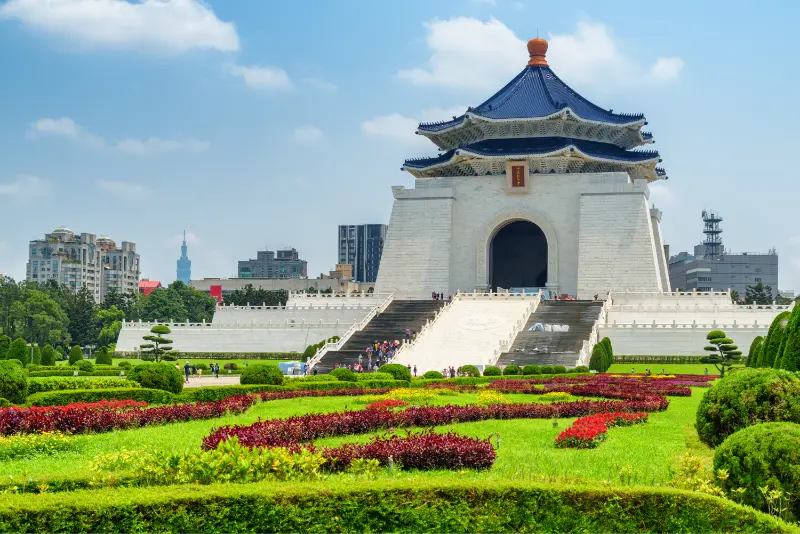
Day 2: Chiang Kai-shek Memorial Hall, museums and Dadaocheng
Use the morning for the memorial hall and nearby cultural institutions, then move toward Dihua Street and Dadaocheng for tea, shops, historic façades and the riverside. Keep one museum optional so the day still works in humid weather.
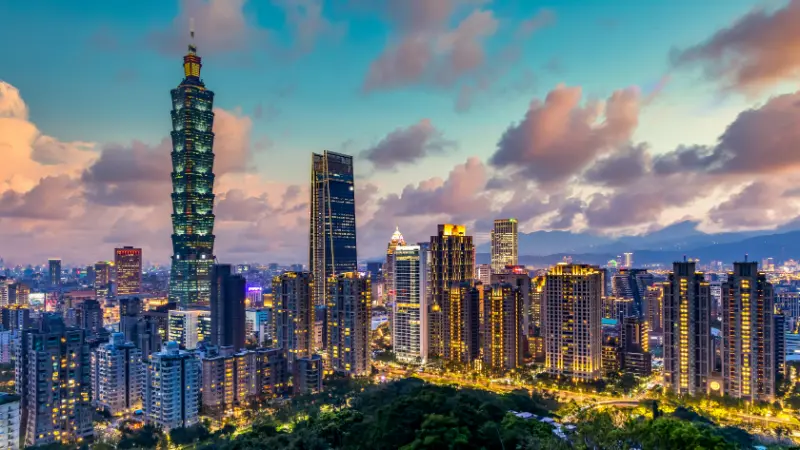
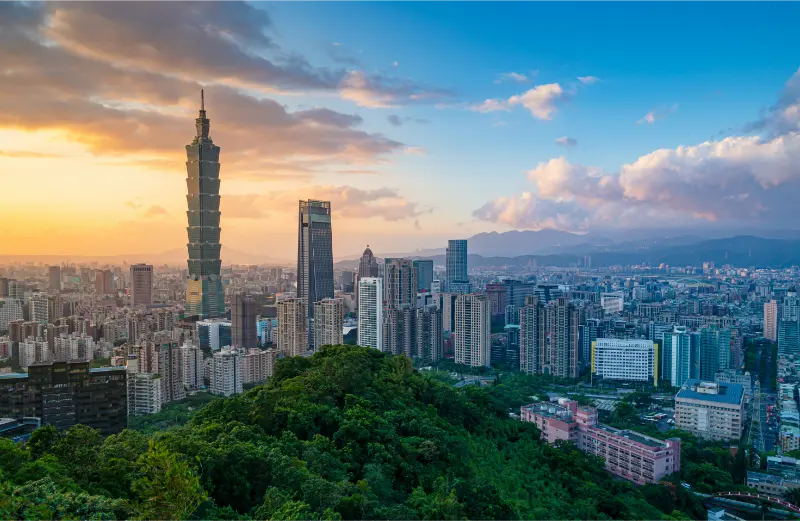
Day 3: Taipei 101, Xinyi and Elephant Mountain if conditions suit
Explore the modern Xinyi district, then choose Taipei 101 or Elephant Mountain for views rather than forcing both at the busiest hour. If heat, rain or poor visibility makes the hike unattractive, use indoor Xinyi attractions and move the viewpoint to another day.
Day 4: Beitou and northern Taipei, or one carefully chosen day trip
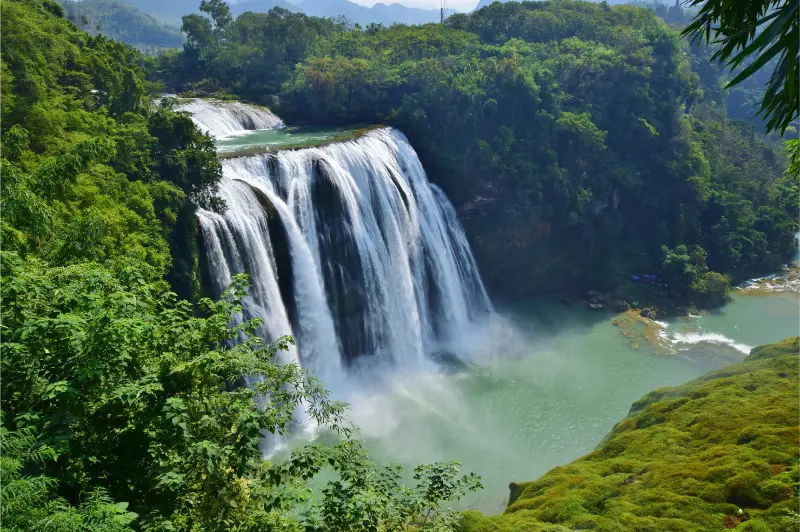
Use the metro toward Beitou for hot-spring history, green spaces and a slower morning, then continue only if energy remains. Travellers who prefer a full day outside the city can instead choose Jiufen, the north coast or another single route, but avoid combining several distant towns into one rushed excursion.
Day 5: National Palace Museum, neighbourhood food and a final night market
Use the final day for the National Palace Museum or another major collection, then keep the afternoon flexible for cafés, shopping or a neighbourhood you missed. Finish at a night market that fits your location instead of crossing Taipei simply because one market is more famous.
Keep the second half of the day lighter than the first. A useful itinerary creates space for an unexpectedly good museum, a long meal, a delayed train, a child who needs a break or a neighbourhood that deserves another hour. Removing one marginal stop often improves the day more than finding a faster route between two attractions.
How to move around without wasting the day
Taipei Metro is the backbone of a short stay, supported by buses, walking and YouBike for travellers comfortable cycling. The official tourism site also points visitors toward Metro Taipei, public buses, YouBike and the Taoyuan Airport MRT. Group attractions by line and district: an efficient metro does not make repeated cross-city rides free in time or energy.
Do not judge a journey only by kilometres. A short distance can include traffic, station corridors, stairs, ferry boarding, parking, luggage handling or a long final walk. For every important transfer, think in door-to-door time and keep a margin before anything expensive or difficult to replace. Public transport is most useful when it removes boring distance while preserving the streets and neighbourhoods that are worth seeing on foot.
Arrival and departure strategy
The Airport MRT provides a straightforward link from Taoyuan International Airport toward central Taipei, while taxis and buses remain useful depending on luggage and arrival time. Songshan Airport is much closer to central districts. Before booking accommodation, map the final transfer from the station to the hotel because heat, rain and luggage can make a nominally short walk unpleasant.
Arrival day is rarely the right time for the most complicated attraction. Assume that baggage delivery, immigration, the airport transfer, hotel check-in and a meal will take longer than the perfect schedule suggests. On departure day, protect the connection first and use only nearby activities that can be abandoned without consequence.
Best time to visit
Spring and autumn often provide the easiest balance for walking, while summer can be hot, humid and affected by heavy rain or typhoons. Winter is milder than many northern cities but can feel damp. Build hot-weather days around air-conditioned stops and evening outdoor time, and keep mountain walks flexible when visibility or storms are poor.
Seasonal advice should guide the style of the trip, not become a promise. Check the local forecast and official closure, transport or safety notices again shortly before each weather-sensitive day. If one experience depends heavily on good conditions, keep it movable instead of sacrificing the rest of the itinerary to a fixed booking.
What to book first
Reserve accommodation and any special restaurant, observatory slot or high-demand day trip that matters to you. Most neighbourhood exploration and night-market eating is better left flexible. If the National Palace Museum or another major attraction is a priority, check current opening information before assigning it to a particular weekday.
The useful planning rule is to protect the experiences that are difficult to replace, then leave ordinary meals, neighbourhood walks and secondary attractions flexible. Timed tickets can be valuable when they prevent a long queue, but a city break usually becomes less enjoyable when every hour is reserved. Book the bottlenecks, not the entire day.
Food strategy: eat well without scheduling every meal
Taipei rewards grazing rather than over-scheduling formal meals. Use breakfast shops, noodle counters, dumplings, cafés and night markets as part of the route. A night market is easier when you arrive hungry but not exhausted; share small portions so you can try several foods instead of turning the first queue into dinner.
For a multi-age group, a reliable breakfast and an easy lunch often matter more than one additional attraction. Keep water accessible, avoid waiting until everyone is exhausted to look for food and use meal stops as genuine rest rather than another item to complete quickly. When a famous restaurant requires a large detour, ask whether it is worth sacrificing the neighbourhood you are already enjoying.
Travelling with children
Families can use the metro to keep walking manageable and alternate temples or museums with parks, markets and observation decks. Night markets are stimulating but can be crowded, so earlier evening visits are often easier with young children. Keep a rain option ready and avoid making an outdoor hill walk the only meaningful activity of a day.
Choose one activity each day that allows movement and does not depend on perfect behaviour: a park, ferry, market, viewpoint, waterfront or short ride can reset the group after a museum or historic interior. Keep toilets, water and an easy route back to the hotel in mind before starting a long afternoon. A child-friendly plan changes the rhythm of the day rather than simply adding one children’s attraction to an adult schedule.
Travelling at a slower pace or as a senior
For older travellers, choose a hotel close to a metro entrance with lifts and minimise unnecessary station changes. Taipei can involve stairs, humid streets and long museum visits even when transport is efficient. Taxis can be a sensible tool for the final connection between a museum, restaurant and hotel rather than a replacement for the whole public-transport system.
For older travellers or anyone who prefers a slower pace, reduce transitions before removing the highlights. A central base, one direct transfer and a shorter walking route can preserve the most memorable parts of the trip far better than trying to keep the same checklist with longer rest breaks. Check lifts, stairs, cobbles, seating and toilet access at accommodation and major attractions before booking.
Budget: where the money really goes
Public transport and casual food can keep everyday costs controlled, while premium hotels, observatories and private day tours raise the budget quickly. Decide which experiences deserve a paid upgrade. A central hotel that reduces taxi use and long evening transfers can be better value than a cheaper room at the edge of the network.
Compare the total cost of a day rather than the price of one ticket. A cheaper hotel can become expensive after repeated taxis and long transfers, while a well-located room can reduce both transport costs and fatigue. Build the budget around accommodation, the few major paid attractions you genuinely value, food, local transport and one contingency reserve instead of trying to estimate every coffee in advance.
City passes and bundled tickets
City cards and transport passes only save money when they match the itinerary you would choose anyway. Add up the normal cost of the attractions already on your plan, include any public-transport value you will genuinely use, and compare the total. Do not add museums simply to justify a pass or race between included attractions because a clock is running.
Weather fallback plan
For heavy rain, combine a museum, covered shopping area, café and food-focused neighbourhood rather than waiting indoors for hours. In summer, use early mornings and evenings for exposed walking. If a mountain viewpoint has poor visibility, move it; the city has enough indoor culture that you do not need to force an unrewarding climb.
A useful weather fallback is not a random list of indoor attractions. It is one realistic substitute that fits the same area and does not damage the following day. Keep at least one museum, market, neighbourhood or café block movable. A flexible final day is especially valuable because it can absorb a missed attraction, become a rest block or take advantage of unexpectedly good conditions.
Connectivity, cash and small practical details
Cards and digital payment are common in many places, but cash remains useful at traditional markets, smaller food stalls and some local businesses. Carry a modest amount rather than assuming every vendor accepts the same payment method. Download metro information and save addresses in Chinese characters as well as English when possible.
Save the hotel address, tickets, passport or identity details, insurance information and the next transfer outside your email app. Offline access matters most when the network is weak, the battery is low or you are trying to solve a delay. Carry a small power bank, keep medication in your day bag and confirm the final public-transport service before a late evening far from the hotel.
What to pack
Light breathable clothing, a compact umbrella or rain shell and comfortable shoes are useful for much of the year. In summer, add sun protection and a refillable bottle; in cooler months, carry a light layer for evenings and strong indoor air-conditioning. A small towel or handkerchief is surprisingly useful in humid weather.
A small day bag should hold water, medication, sun or rain protection and the layer you are most likely to need. The goal is not to carry everything; it is to avoid having the useful items locked in a suitcase when conditions change. Comfortable footwear matters more than packing multiple outfits for a short city break.
Common mistakes to avoid
- Crossing Taipei several times a day because the metro looks fast on a schematic map.
- Scheduling outdoor viewpoints in the hottest part of a summer afternoon.
- Treating every night market as a must-see instead of choosing one that fits the route.
- Assuming cash is unnecessary at all small food stalls.
- Combining Jiufen, the north coast and several mountain stops into one exhausting day.
Responsible travel and local etiquette
Treat the destination as a real place rather than a stage built for visitors. Follow staff instructions, keep residential areas passable, use bins and public transport normally, and spend with businesses that add genuine local value. In religious, memorial or residential spaces, adapt to the setting instead of expecting the setting to adapt to sightseeing.
Popular destinations function better when visitors spread some spending beyond the most photographed streets, avoid blocking narrow passages and respect the purpose of religious, memorial and residential spaces. Small decisions about timing and behaviour often improve the experience for the traveller as well.
If you have less or more time
With three days, focus on old Taipei, Xinyi and one museum or Beitou block. Four days adds either northern Taipei or a day trip. With six or seven days, explore more neighbourhoods and make one regional excursion, or continue south by train rather than turning Taipei into the base for every destination in northern Taiwan.
Extra days are most useful when they reduce pressure. Before adding another distant stop, ask whether the trip improves more by staying in the same place, repeating a favourite neighbourhood, waiting for better weather or enjoying a slow morning without watching the clock. More time should create depth, not merely a longer checklist.
How to choose between similar experiences
Choose Elephant Mountain for a short, active skyline view; choose Taipei 101 for an easier all-weather observatory experience. Choose Beitou when hot-spring culture and a slower pace appeal; choose Jiufen when historic hillside streets and a longer excursion are the priority. The right choice depends on heat, mobility and how much transfer time you want.
When two options offer a similar experience, choose the one that fits the geography and energy of the day. The extra hour of transfer rarely creates an extra hour of enjoyment, especially in heat, traffic, rough water or after a long museum morning. A famous option is not automatically the best option for every traveller.
Safety and decision-making on the day
Taipei is generally straightforward for visitors, but scooters, busy crossings, heat and sudden rain require attention. Follow current weather and typhoon information, especially before mountain walks or regional day trips. Keep valuables controlled in crowded markets and stations and use marked, legitimate transport when travelling late with luggage.
The most useful safety habit is situational awareness rather than anxiety. Keep valuables controlled in crowded transport and tourist zones, use official or clearly identified transport, and avoid walking while focused on a phone at road crossings. Local warnings, attraction staff and transport operators have more value than an itinerary written months earlier, so change the plan when conditions deteriorate.
Set a practical turnaround time for long walks, excursions and transfer days. When conditions deteriorate, change the plan rather than trying to complete the original checklist. A missed secondary sight is cheaper than a missed flight, unsafe walk or exhausted final day.
Useful official and planning resources
Opening hours, transport schedules, fees, access rules and visitor procedures change more often than the basic geography. Recheck the source below shortly before departure.
Final planning checklist
- Confirm passport, visa, transit and health requirements for your nationality.
- Reserve the transport, permit or timed entry that controls the rest of the itinerary.
- Check how luggage moves between airport, station, ferry, road transfer and accommodation.
- Download offline maps and save key tickets outside your email app.
- Recheck weather, road, sea, trail or attraction notices before each critical day.
- Keep at least one half-day that can absorb a delay or become simple rest.
- Leave a generous buffer before international flights and other costly connections.
A good city break should feel as though you understood how the place fits together, not merely that you collected its famous names. Keep the fixed reservations that matter, group the rest by geography and remove anything that creates more transit than experience. The result is usually more memorable than the most ambitious version of the same trip.
Leave a Reply