Hiroshima Hiroshima deserves more than a fast stop between Kyoto and Fukuoka. The city carries one of the most important modern histories in Japan, but it is also a lived-in regional capital with rivers, neighbourhoods, gardens, baseball culture and one of the country’s most satisfying local food scenes. Four days gives you enough time to visit the memorial sites with the attention they deserve, spend a full day on Miyajima and still see Hiroshima as a city rather than only a historical lesson.
If this destination is part of a wider trip, compare the pacing with Japan Beyond Tokyo in 10 Days: Kyoto, Nara, Hiroshima and Osaka Without Constant Packing. The city guide adds local depth; the wider itinerary is better for deciding how this stop fits into the rest of the journey.
Quick trip summary
| Ideal stay | 4 days for a first trip |
|---|---|
| Best approach | Group each day by geography and keep one flexible block |
| Transport strategy | Use the fastest reliable mode for long moves, then explore locally on foot |
| Who it suits | First-time visitors, couples, solo travellers, families and slower-paced travellers |
| Most common mistake | Adding distant attractions because they look close on a map |
How to plan the trip before booking
Before booking, separate the trip into three kinds of decisions: fixed reservations, neighbourhood choices and flexible time. Fixed items are the experiences that genuinely sell out or control the rest of the day. Neighbourhood choices determine where you sleep and how much time you spend in transit. Flexible time protects the itinerary when weather, traffic, queues or tiredness change the original plan.
A useful four- or five-day city itinerary should not feel full on paper. It should still work after a late breakfast, a museum that takes longer than expected or one cancelled transfer. Aim for one major anchor, one secondary experience and a free block most days.
Where to stay: choose location before hotel style
| Base | Why choose it |
|---|---|
| Hiroshima Station | Best for rail connections, airport buses and early departures to Miyajima or other parts of western Japan. |
| Hondori / Kamiyacho | Excellent for first-time visitors who want restaurants, trams and easy access to the Peace Memorial Park. |
| Peace Park area | Quiet and convenient for memorial sites, especially if you prefer to begin early before larger groups arrive. |
| Nagarekawa / Hatchobori | Useful for evening dining and nightlife while remaining within easy tram reach of the main sights. |
A beautiful room is not automatically a useful base. Map the first activity of the morning, the likely dinner area and the departure route. If the hotel creates two unnecessary transfers every day, the hidden cost is time and energy as well as money.
A realistic 4-day itinerary
Day 1: Peace Memorial Park and central Hiroshima
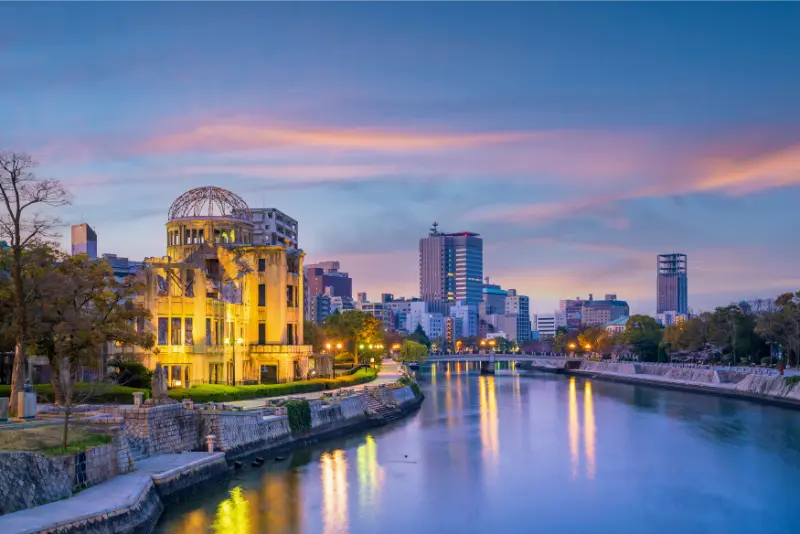
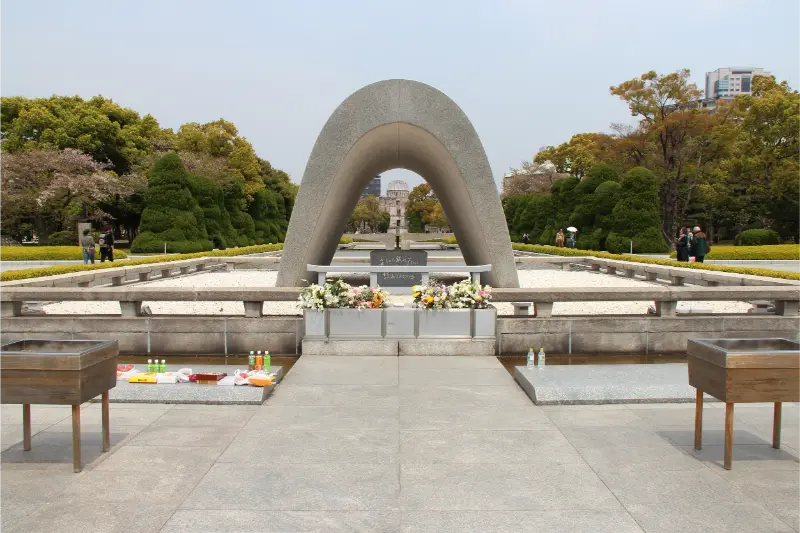
Begin early at the Peace Memorial Park and give the museum, Atomic Bomb Dome and surrounding memorials enough time. This is not a place to squeeze between lunch reservations. Afterward, walk along the rivers and move gradually toward Hondori or Shukkeien rather than immediately adding another major excursion. Keep the evening simple and choose a local okonomiyaki restaurant near your hotel.
Day 2: Miyajima as a full day, not a rushed half-day
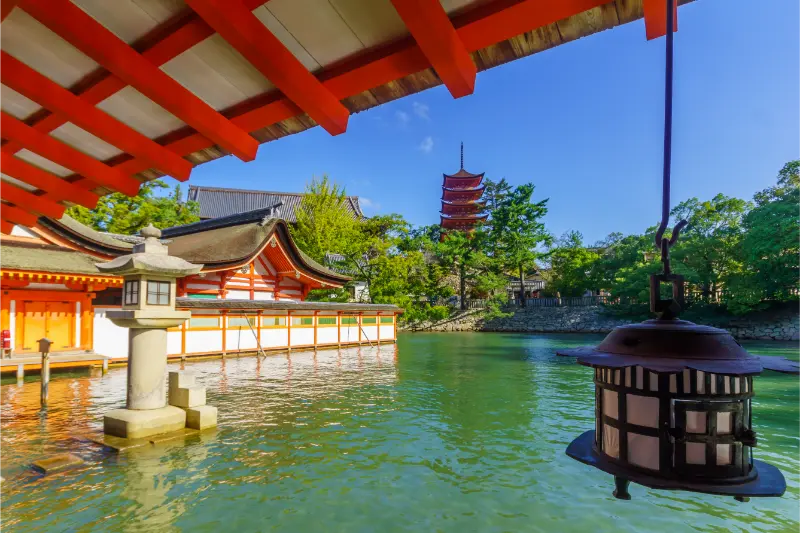
Travel to Miyajima in the morning and let tide, weather and your energy decide the order of Itsukushima Shrine, the village streets and Mount Misen. If hiking or using the ropeway, leave a margin for queues and changing conditions. Stay into the later afternoon when many day groups leave. Returning to Hiroshima after sunset is usually more rewarding than racing back for a second city attraction.
Day 3: Hiroshima Castle, Shukkeien and neighbourhood time
Use the third day for the city itself. Combine Hiroshima Castle or its surrounding park with Shukkeien Garden, then explore a shopping street, café district or riverside area at a slower pace. This is also a good day for an indoor museum if rain affects outdoor plans. Keep the evening free for local food rather than another transport-heavy excursion.
Day 4: One focused regional option or a deeper city day
Choose either a carefully selected regional trip, such as a Setouchi destination that fits train and ferry schedules, or stay in Hiroshima for markets, museums and neighbourhoods you skipped. If your next train is in the afternoon, keep the final morning within the city and leave luggage at the hotel or station rather than dragging it through sightseeing stops.
Getting from the airport or station and handling arrival day
Most international visitors arrive by Shinkansen at Hiroshima Station or via Hiroshima Airport. The airport is outside the urban core, so use the official limousine bus or another current transport option that matches your hotel location. If arriving by rail, a hotel near a tram or bus corridor can make the rest of the stay easy. Do not assume every major sight is next to the station; central Hiroshima is several tram stops away.
Arrival day should carry less risk than the rest of the trip. Keep the first reservation easy to cancel, learn the route back to the hotel before staying out late and avoid building the day around a connection you cannot control.
Getting around without wasting the day
Hiroshima’s tram network is one of the most useful visitor systems in Japan because it connects the station, downtown, Peace Memorial area and routes toward Miyajima. Walking works well once you are inside one district. For Miyajima, compare the JR and tram-plus-ferry combinations based on your pass and starting point. A rental car is unnecessary for a first city stay unless you are continuing into rural Chugoku.
When comparing two routes, include walking to the station, waiting, transfers and the final approach. The route with fewer changes is often better for families, luggage, older travellers and anyone visiting in difficult weather.
Best time to visit and how the season changes the itinerary
Spring and autumn are comfortable for walking and Miyajima, while summer is hot and humid and winter is cooler but often manageable. Cherry blossom and autumn foliage periods can be busy, especially on Miyajima. Rain can change the value of Mount Misen views, so keep the island day movable when your schedule allows.
Season also changes hotel prices, daylight, event calendars and how tiring outdoor sightseeing feels. If your dates are fixed, adapt the daily rhythm rather than forcing an itinerary designed for another month.
What to book first
Book first what is difficult to replace: timed monuments, limited-capacity tours, high-demand museums, special performances or transport that determines the rest of the route. Leave ordinary neighbourhood walks, most meals and flexible museums open unless a specific reservation matters to you.
Recheck opening days, reservation procedures, local transport notices and access rules shortly before departure. These operational details change faster than the overall logic of a good itinerary, so the official source should win over an old screenshot or saved social post.
Food strategy: eat well without crossing the city for every meal
Hiroshima-style okonomiyaki is an obvious priority, but do not make every meal the same experience. Try oysters when in season and appropriate to your preferences, local noodles, izakaya dishes and bakeries or cafés around central neighbourhoods. Okonomimura is famous, but excellent shops exist across the city; convenience and atmosphere can matter more than chasing one address.
For a multi-age group, a reliable breakfast and an easy lunch often matter more than one additional attraction. Use meals as genuine rest and part of the travel experience rather than another task to complete quickly.
Travelling with children
Families can balance the emotionally demanding memorial area with riverside walks, gardens and the ferry ride to Miyajima. Explain the museum visit in an age-appropriate way and avoid adding another intense museum immediately afterward. On Miyajima, keep children away from unsecured food around deer and allow extra time for toilets, snacks and ferry queues.
With children, reduce transitions before reducing the highlights. Alternate one structured indoor visit with something that allows movement, and always know where the easy route back to the hotel is before starting a long afternoon.
Travelling at a slower pace or as a senior
The central city is relatively easy when you use trams for longer sections. At Miyajima, the village and shrine areas are more accessible than the full Mount Misen experience; choose the ropeway or a lower-elevation day if steep paths are not suitable. A hotel near a tram stop can remove many unnecessary steps.
Slower travel often improves a city itinerary because it forces better geographic choices. Use transport to remove unrewarding distance, then spend walking energy on the streets, museums, viewpoints and markets that actually define the destination.
Budget planning
The biggest budget differences usually come from hotel location, airport transfers, repeated taxis, major admissions and restaurant style. A room that costs slightly more can be better value when it removes two long rides every day. Compare the total daily cost, not only the nightly rate.
Keep a modest daily reserve for an easier taxi, extra water, a weather-driven change, an unexpected admission or a meal when the original plan fails. A good budget creates resilience rather than allocating every euro, dollar or local-currency unit before the trip begins.
Weather backup plan
Keep at least one indoor or low-commitment block movable. The best weather backup is usually in the same part of the city, so a storm, heat wave or poor visibility does not force an entirely new transport plan. Outdoor viewpoints and long walks should be able to move by half a day when possible.
Connectivity, payments and small practical details
Save the hotel address, essential tickets, insurance information and the next important transfer offline. Carry a small power bank and keep a backup payment method separate from the main wallet. Do not assume every small business uses the same payment methods as major hotels; a modest amount of local cash can still be useful.
What to pack
Comfortable shoes, a small day bag, sun protection and weather layers matter more than extra outfits. Add any medication you may need during the day and a refillable bottle where practical. Pack for the conditions you will actually walk through, including air-conditioning, rain and evening temperature changes.
Common mistakes to avoid
- Visiting the Peace Memorial Museum on a stopwatch because another attraction is booked immediately after it.
- Treating Miyajima as a two-hour photo stop instead of allowing for ferry time, tides and crowds.
- Staying near Hiroshima Station but assuming the entire city centre is directly walkable from the hotel.
- Planning Mount Misen on a poor-visibility day when the island itinerary could be swapped.
- Eating every meal in one tourist complex instead of exploring Hiroshima’s broader food scene.
Responsible travel and local etiquette
Treat residential streets, markets, places of worship, memorial sites and working neighbourhoods as real parts of the city rather than scenery. Follow local instructions, keep entrances and pavements passable, ask before photographing people in sensitive settings and spend with local businesses when it fits naturally.
In natural settings, stay within marked routes and respect closures even when another visitor appears to ignore them. Access rules often protect both visitors and the place itself.
If you have less or more time
With two days, dedicate one to central Hiroshima and one to Miyajima. Three days adds gardens, castle grounds and neighbourhood time. With five or six days, add a Setouchi or Chugoku excursion while preserving at least two full days in Hiroshima itself.
Safety and decision-making on the day
Use ordinary urban awareness: keep valuables controlled in crowded places, use clearly identified transport, avoid displaying a phone unnecessarily near traffic and follow current local advice about specific streets or transport hubs. Safety conditions can differ by neighbourhood and time of day, so hotel staff and official notices are more useful than blanket claims that an entire city is either “safe” or “unsafe”.
Set a practical turnaround time for excursions and departure days. Missing a secondary attraction is cheaper than missing a flight, travelling exhausted late at night or forcing a route after conditions have changed.
Useful official and planning resources
Opening hours, fees, transport schedules and access rules change more often than the basic geography. Recheck the official source shortly before departure.
Final planning checklist
- Confirm passport, visa, transit and health requirements for your nationality.
- Reserve the attraction, tour or transport that controls the rest of the itinerary.
- Save your accommodation address and first-day route offline.
- Recheck weather, closures and transport notices before each critical day.
- Keep at least one half-day that can absorb a delay or become simple rest.
- Leave a generous buffer before flights and other costly connections.
A strong trip to Hiroshima should feel as though you understood how the place fits together, not merely that you collected its famous names. Protect the fixed reservations that matter, group the rest by geography and remove anything that creates more transit than experience.
Leave a Reply