Jaisalmer looks like a mirage when its yellow sandstone fort rises above the Thar Desert, but the city is more than a dramatic skyline and an overnight desert camp. Lanes inside a living fortress, intricately carved merchant houses, Jain temples and the story of desert water systems provide enough material for a thoughtful stay. The hardest choices are practical: how to reach western Rajasthan without losing days in transit, how to handle heat and sand, and which desert activities support responsible local operators. This guide builds a three-day visit with options for active explorers and travellers who prefer a gentler pace, without treating residents of the fort as museum scenery.
| Suggested time | 3 days |
|---|---|
| Getting there | Rail or road via Jodhpur; check flights |
| Key experiences | Living fort, havelis and desert landscape |
| Plan ahead | Hot days, uneven paving and ethical operators |
Travelling to Jaisalmer and understanding the long distances
Jaisalmer sits far west of Rajasthan’s main tourist triangle. Trains, road transport and flights where scheduled can connect it to larger cities, but journey times are substantial and service patterns change. A traveller coming from Jodhpur should evaluate whether the transfer works with hotel check-in, meals and daylight rather than choosing the absolute cheapest option without regard for fatigue. Overnight trains can be useful, yet sleep quality and luggage security vary by class and individual circumstances. Confirm the current timetable, station transfers and cancellation conditions before tying an international flight connection to an optimistic road estimate.
Within town, auto-rickshaws and taxis help between the railway area, accommodation and sights. The fort’s inner lanes are narrow, crowded and not suitable for assuming that a vehicle can arrive outside every guesthouse. Ask where your luggage will actually be dropped, how many steps lead to your room and whether nighttime access is straightforward. If you plan a desert excursion, avoid hiring a driver on vague promises of a sunset experience; agree in writing on the location, transport, meals, toilet arrangements and pickup time. The more remote the setting, the more important it becomes to know how you will get back safely.
A living fort and the responsibility of visiting it
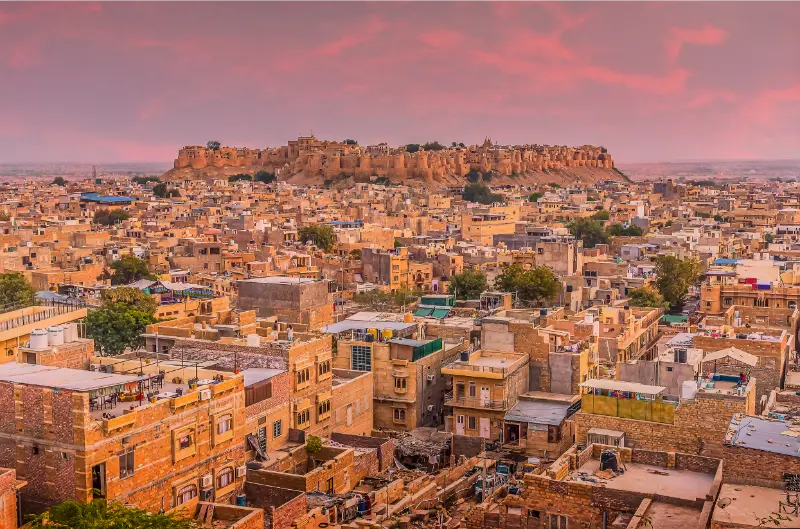
Jaisalmer Fort is one of the hill forts recognised by UNESCO, but it differs from many monumental sites because people continue to live and work within its walls. Historic sandstone architecture surrounds shops, shrines, family homes and guesthouses. Walk slowly through the gates and notice how the fort’s urban functions have evolved. Do not mistake a residential lane for an open-air stage: seek permission before photographing people at close range and avoid blocking doorways. Conserving a living heritage site involves practical questions about drainage, water use and tourism pressure, so consider responsible accommodation choices rather than booking solely for a room with a fort-wall view.
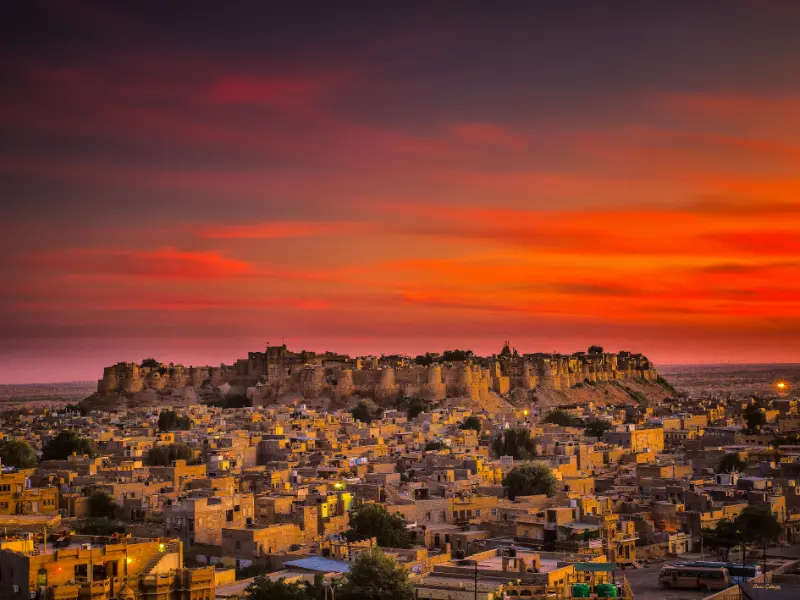
The fort provides some of the city’s best views over the sandstone roofscape, yet its stairs, irregular paving and crowded passages may be tiring. Visitors who are sensitive to heat should go early and reserve midday for shade. A guide can help place the complex in the history of Rajput trade and defence, but independent visitors can still gain much from carefully chosen interpretive stops. If someone cannot climb high viewpoints, views of the fort from the surrounding town can be equally striking and far easier to reach. The value lies in recognising the site’s continuity, not in reaching every bastion.
Jain temples, palace details and sacred etiquette
The fort contains notable Jain temples with delicate stone carving, a powerful contrast to the fortress’s military image. Temple admission rules, shoe removal, photography and entry times can be different from those at ordinary museums. Visitors should check current guidance and dress modestly, keeping food and leather items away where required. Rather than rushing through every shrine, focus on the workmanship and the tradition that produced it. Children can be introduced to the intricate patterns and animals carved into stone without turning the sacred spaces into a scavenger hunt that disturbs worshippers.
The palace and other historic interiors provide further insight into how elites lived and controlled trade. Some have confined stairways, low thresholds and limited ventilation. Someone with impaired balance may choose to see a small portion rather than attempting upper floors, and guides should be informed of such requirements at the beginning. Photography restrictions may protect both the collections and the privacy of staff or worshippers. The fort’s historic architecture becomes more meaningful when considered together with the people who maintain it today. Paying legitimate entry fees and respecting local rules supports a visit founded on interest rather than extraction.
Havelis, bazaars and the craft of sandstone
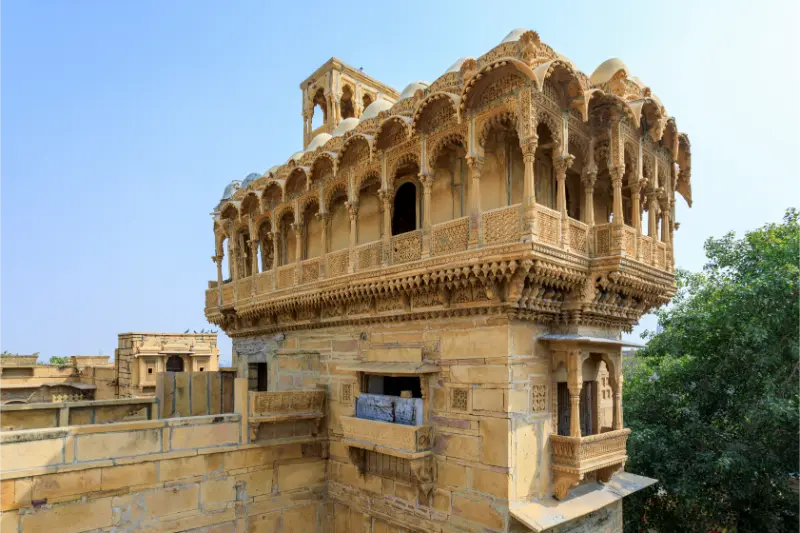
Patwon Ki Haveli is a landmark of merchant wealth, with layered façades and detailed carving that turn a narrow street into a remarkable architectural scene. Other houses, including Nathmal Ki Haveli and Salim Singh Ki Haveli, help explain why Jaisalmer was more than a remote military post. Their surviving structures offer clues to commerce, decoration and changing patronage. Not every historic building permits the same interior access, so check opening arrangements individually. A realistic afternoon might include one interior and exterior views of the others rather than buying multiple tickets in the hottest period of the day.
The bazaars contain textiles, leatherwork, jewellery and everyday goods. Buy thoughtfully: ask about materials, how an item was produced and what a quoted price includes. Do not assume every souvenir described as locally handmade comes from the town. Travellers who dislike bargaining can look for fixed-price cooperatives or workshops where price and provenance are clear. Food stops between shopping lanes also give shelter and a chance to drink water. The bustle of the market can be enjoyable for teenagers and adults, while a child or someone who finds crowds tiring may need a quieter route away from the busiest stalls.
Water engineering, Gadisar Lake and the desert landscape
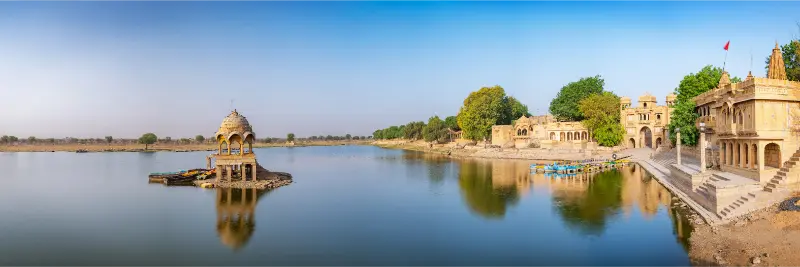
In a dry region, water infrastructure was historically central to urban survival. Gadisar Lake is an appealing place to contemplate that relationship and enjoy a different angle on the city’s architecture. Birds, stone structures and reflections make early or late daylight attractive, though water levels and access can change. Keep children away from unguarded edges and follow any rules about boating or feeding wildlife. A slow lake visit is an effective counterpoint to the crowded fort and may suit visitors who cannot manage its steep inner lanes. Do not treat desert water as automatically safe for swimming or drinking.
The Thar Desert outside town is varied, with villages, rocky stretches and dune landscapes rather than one endless sea of identical sand. A guide who understands local ecology and history can explain the fragile environment and how people adapt to limited rainfall. When choosing excursions, ask operators how they manage waste, drinking water, vehicle routes and local employment. Avoid driving over protected vegetation or treating remote villages as backdrops for unsolicited photographs. A journey outside town should add understanding rather than simply deliver the same sunset image available from hundreds of advertisements.
Choosing an ethical desert outing or overnight camp
Sam dunes are frequently marketed for camel rides, jeep experiences and evening entertainment. Different operators offer very different levels of comfort, noise, safety and environmental responsibility. Inspect what a package truly includes: distance travelled, transport type, duration, bathroom availability, meal hygiene, weather cancellation terms and return arrangements. For a camel experience, look at how animals are handled, whether loads are appropriate, and whether rest and water are provided. Declining a ride is always an acceptable choice. Travellers can enjoy the landscape on foot at designated spots or choose a guide-led interpretation activity instead.
An overnight camp can provide stars and quiet, but not every advertised camp is remote or peaceful. Ask about generator noise, heating or cooling, bed quality, private toilets, safe drinking water and the precise site location. Desert nights may be chilly even when afternoons are hot, while windy conditions can make sand intrusive. A family with a small child may prefer a sunset outing followed by a town hotel rather than an unfamiliar tent. Some older travellers enjoy comfortable fixed accommodation with a scenic excursion more than a late-night programme. Do not purchase a package simply because it promises a cultural performance without explaining who performs and under what conditions.
Food, accommodation and seasonal planning
Jaisalmer’s food scene includes Rajasthani vegetarian dishes, breads and spiced preparations shaped by local ingredients. Ask for spice adjustments and allergen information, and favour establishments with safe food handling and clean drinking water. In the historic fort, properties may have beautiful views but also narrow approaches, steep stairs and water-management concerns. Accommodation below the walls can provide easier vehicle access and potentially more modern bathrooms. Consider how a location works after dark, particularly if your group returns from a long excursion. A quiet, accessible room may be a better luxury than a terrace reached through several difficult staircases.
Cooler months generally suit urban exploration and desert outings better than the severe heat of late spring and summer, but winter evenings can be surprisingly cold. Wind and sand affect visibility and comfort, especially on exposed dune trips. Pack sun protection, layers for after sunset, closed shoes, hydration and a light scarf for dust. Check local conditions before a remote road journey; extreme heat is a real safety factor, not merely an inconvenience. A strong itinerary deliberately moves intensive walking toward early hours, schedules lunch or rest indoors and keeps enough energy for an enjoyable evening rather than exhaustion.
A three-day plan for different travel styles and ages
Day one is for arrival, a modest town circuit and an unhurried view of the fort. Day two works well for the fort’s religious and architectural heritage in the morning and a haveli or lake visit later. On day three, take a responsibly chosen desert excursion, or spend the day discovering local crafts and quieter streets if sand activities are not your preference. Visitors with extra time can explore the wider region using a qualified driver, but journeys should be designed around safe road conditions rather than filling a map with remote stops.
Travellers with a stroller or wheelchair should investigate paving and room access carefully; a living medieval-style fort cannot be assumed barrier-free. Children need regular shade and water, and seniors may appreciate a taxi between lower-town landmarks. People with breathing difficulties or heat sensitivity should avoid dust-heavy activities during harsh conditions. A balanced Jaisalmer experience has space for people who love architecture, families seeking cultural learning and travellers who simply want the evening silhouette of the golden fort. The city gives its richest rewards when the residents and desert landscape are treated with the same respect as its monuments.
Frequently asked questions
How many days does Jaisalmer need?
Three days allow fort exploration, the havelis and a thoughtfully selected desert outing without rushing long transfers.
Do people still live inside Jaisalmer Fort?
Yes. It is a living heritage site containing homes, shops and temples, so respect privacy and heritage conservation needs.
Must I take a camel ride in the desert?
No. Choose a responsible outing that suits you, or visit scenic areas on foot or with an authorised guide.
Is summer a good time to visit?
Extreme heat can make walking and desert excursions hazardous. Cooler seasons are generally easier, with layers needed on winter nights.
Where is it easiest to stay?
Consider the lower town for vehicle access and potentially simpler luggage handling, or assess each fort guesthouse for stairs and conservation impacts.
More trip ideas from Travel Is Wonderful
- Rajasthan Beyond the Golden Triangle in 10 Days: Jodhpur, Udaipur and Jaisalmer Without Rushing the Desert
- Jodhpur in 4 Days: Mehrangarh Fort, Blue City and Markets Without Rushing Rajasthan
- Jaipur in 5 Days: Amber Fort, Pink City and Markets Without Turning Rajasthan Into a Photo Checklist
- India Golden Triangle in 10 Days: Delhi, Agra and Jaipur Without Rushing the First Trip
Official travel resources and latest conditions
Before your visit, confirm opening hours, admission details, transport, conservation rules and safety notices with the official organisations listed below.
Last reviewed: October 11, 2026.