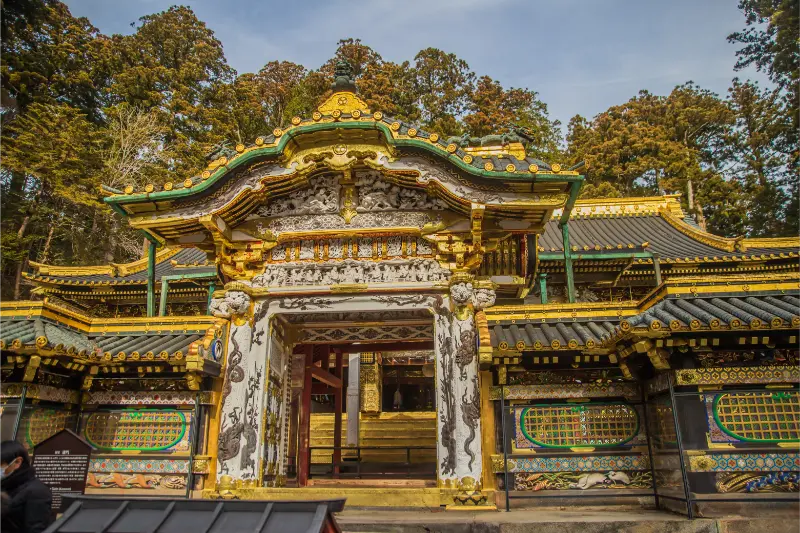
Nikko is often sold as an easy Tokyo day trip, but that format compresses its most important shrine complex and leaves little room for Lake Chuzenji, waterfalls and the quieter landscapes of Okunikko.
This four-day plan uses central Nikko and the lake area as two practical zones. Buses are the backbone of local transport, so the route is organised around corridors rather than repeated returns to Tokyo.
The official tourism guidance itself encourages visitors to stay longer than a day if they want to combine the World Heritage area with lakes, waterfalls and nature.
Quick trip summary
- 2 nights central Nikko and 1 night near Lake Chuzenji or Okunikko, with Day 4 departure.
- Give the World Heritage shrines and temples a full unhurried day.
- Move uphill to Lake Chuzenji rather than commuting from Tokyo each day.
- Use buses for the core route and check current passes before purchase.
- Keep autumn traffic and seasonal conditions in mind.
Why this route works
Central Nikko and Okunikko are different experiences, so one overnight in the higher lake area reduces repeated bus travel.
Four days creates space for cultural depth and nature without demanding long hikes.
The route is manageable without a car, which makes it useful for a wide range of travellers.
A realistic itinerary at a glance
| Days | Base | Main focus |
|---|---|---|
| 1 | Central Nikko | Arrival and town |
| 2 | Central Nikko | World Heritage shrines and temples |
| 3 | Lake Chuzenji/Okunikko | Kegon Falls, lake and higher Nikko |
| 4 | Departure | Morning nature time and onward travel |
Day-by-day plan
Day 1: Arrive and slow down
Travel from Tokyo or elsewhere in Japan, check in and use the afternoon for the river, local streets and a light temple or food experience.
Do not spend the arrival day trying to complete the full World Heritage circuit after a train journey.
Day 2: World Heritage Nikko
Give Toshogu, Rinnoji and Futarasan Shrine enough time to appreciate the details and forest setting rather than treating them as three quick tickets.
Take breaks between complexes. Stone steps, crowds and humidity can make the area more tiring than its map size suggests.
Day 3: Lake Chuzenji and waterfalls
Travel by bus toward Lake Chuzenji, where the journey itself climbs dramatically into Okunikko. Kegon Falls, the lakefront and a short walk are enough for a full day.
Stay in the area if possible so you are not forced onto an evening bus after every outdoor activity.
Day 4: Okunikko morning and departure
Use the morning for a lakeside walk, Ryuzu Falls, Senjogahara direction or another low-pressure nature stop according to season and mobility.
Return toward the station with a large buffer, particularly during autumn foliage when roads can be heavily congested.
Where to stay and how many hotel changes to make
Central Nikko is best for the shrine district and evening convenience, while Lake Chuzenji or Yumoto gives quieter access to nature.
A split stay is justified here because it reduces repeated mountain-bus travel rather than simply changing hotels for variety.
Choose accommodation for geography before décor. A well-positioned room can save an hour every day and often matters more than a small difference in nightly rate.
Read recent guest reviews for practical details that booking pages rarely emphasise: stairs, parking, road noise, breakfast hours, heating or air conditioning, and the real walk from transport.
For rural bases, confirm dinner options and late-arrival procedures before booking. A beautiful property loses much of its appeal when every evening requires another difficult drive.
Transport: what is worth planning in advance
Buses are the main local transport and connect the station area with the World Heritage sites and Okunikko.
Compare current passes with your exact journeys and remember that road congestion can make timetable estimates less reliable in peak foliage season.
Measure every move door to door rather than by headline distance. Waiting, luggage, parking, ferries, mountain roads and the final local transfer can turn a short-looking journey into half a day.
Save tickets, hotel addresses and maps offline. The places where navigation matters most are often exactly where mobile coverage becomes weakest.
On transfer days, plan only one meaningful stop. Trying to turn every relocation into a sightseeing marathon is one of the fastest ways to arrive tired and late.
Food and daily rhythm
Yuba, soba, local sweets and ryokan meals can give the trip a strong regional identity.
If staying in a quieter lake or onsen area, confirm whether dinner is included because evening restaurant choice can be limited.
Use meals to shape the rhythm of the day. A long regional lunch can be both an experience and a recovery period after museums, hiking, heat or an early start.
Do not make every meal another reservation. Mix destination restaurants with markets, bakeries, cafés and simple local places so food improves the trip instead of controlling it.
If alcohol is part of the region’s identity, build the transport plan first. A tasting should never dictate risky driving later in the day.
Families, children and older travellers
Children can enjoy waterfalls, lakes and Edo-period experiences when temple time is balanced with outdoor movement.
Older travellers should account for shrine steps and bus boarding; staying close to the main areas can reduce unnecessary walking.
For multigenerational travel, the right pace is the one at which the least mobile member still enjoys the day. That usually creates a better shared trip for everyone.
When accessibility matters, ask precise questions about steps, trail surfaces, boat boarding, lifts, toilets and vehicle access rather than relying on a generic accessibility label.
Families should protect one low-pressure block every two or three days. That buffer is often more valuable than adding another attraction.
Budget: where the money really goes
Transport passes may save money only if they match your journeys, while ryokan stays can increase the nightly budget but include meals and onsen access.
A single well-chosen overnight in Okunikko can be better value than repeated long day trips from Tokyo.
Compare total trip cost rather than headline prices. Parking, transfers, fuel, tolls, ferries and guided activities can erase an apparent saving.
The best splurges usually remove friction: a central room, a direct transfer, a good local guide or one extra night that prevents an exhausting move.
Save money on low-value convenience rather than high-value experience. A cheaper hotel far from the places you care about can cost more in time and transport.
Best time to go
Spring and early summer are lush, autumn is spectacular but extremely popular, and winter creates a quieter snowy landscape with more limited conditions.
Peak foliage periods require the most conservative transport planning because road delays can be substantial.
Shoulder season often balances weather, crowds and prices well, but rural attractions, ferries, mountain services and seasonal restaurants may run reduced schedules.
Weather should change the order of the day. Keep indoor or lower-effort alternatives so rain, heat, wind, snow or cloud does not force you to waste the trip.
Recheck local conditions shortly before travel. Seasonal road access, boat operations and protected-area rules can change after the article is published.
Comfort, accessibility and realistic pacing
Separate the dense cultural day from the higher-altitude outdoor day.
Use short walks and viewpoints rather than assuming every visitor needs a long hike around the lake.
Travel fatigue compounds. One difficult relocation can weaken the following two days, which is why this itinerary avoids one-night bases unless geography genuinely requires them.
A free half-day is not wasted time. It is insurance for weather, traffic, a tired child or a place you discover only after arriving.
The best itinerary is not the one with the most pins on a map; it is the one that still feels enjoyable near the end of the trip.
Small decisions that improve the trip
Stay overnight
Nikko becomes much calmer after day-trippers leave.
Move uphill once
A lake-area night reduces repeat bus time.
Expect autumn congestion
Build buffers rather than relying on the printed timetable.
Do not rush the shrine complex
The details are the point.
What I would leave out on this length of trip
Do not add multiple distant theme parks, Kinugawa and long Okunikko hikes to the same four days.
Leave a full Lake Chuzenji circuit hike for travellers specifically prepared for it.
Mistakes that make this trip harder than it needs to be
- Treating Nikko as only a shrine day trip.
- Visiting every temple complex without breaks.
- Ignoring autumn road congestion.
- Buying a transport pass without checking current coverage.
- Booking a rural stay without understanding dinner options.
- Planning a tight Tokyo connection after an Okunikko bus.
How I would adapt the itinerary
With one day, focus only on the World Heritage area.
With six days, add Kinugawa, longer walks or a second nature night rather than commuting back and forth.
Before booking
- Check current bus timetables and passes.
- Reserve ryokan meals/accommodation if desired.
- Pack layers for the altitude difference.
- Allow extra time in foliage season.
- Save station and bus-stop names offline.
Practical questions
Is Nikko worth more than a day trip?
Yes if you want Lake Chuzenji, waterfalls, onsen or quieter time around the shrines.
Do I need a car?
No for the core route. Buses cover the main visitor corridor.
Where should I stay?
Use central Nikko first, then consider one night near Lake Chuzenji or Okunikko.
Final thoughts
Nikko changes character when you stay overnight: the shrines stop feeling like a Tokyo excursion and the mountain landscape becomes part of the trip.
Four days is enough for culture, lake scenery and a slower Okunikko experience without overloading the itinerary.
How to keep the itinerary resilient
Keep the nature choices on Days 3 and 4 flexible around visibility, rain and bus conditions.
If traffic is severe, shorten the final morning rather than risking the onward train.
What to book early and what can stay flexible
Book the genuinely capacity-limited pieces first: ferries, protected-area permits, high-demand accommodation, guided activities and any transport that has only a few useful departures. Leave ordinary meals, secondary museums and weather-dependent outdoor plans looser. This creates a trip that is organised without becoming brittle.
A week before departure, check official transport, attraction and weather information again. The night before every important move, verify the departure point, expected journey time and opening status. That small routine catches many avoidable problems before they become expensive or exhausting.
A simple daily pacing rule
Aim for one main experience, one secondary activity and one open block rather than three headline attractions. The open block can become lunch, a viewpoint, another café, a beach stop or simple rest. Finishing with energy left is usually better than forcing one more attraction.