If this destination is part of a wider trip, compare the pace with Texas Hill Country in 9 Days: Austin, San Antonio and Fredericksburg. Use that article for the larger route and this guide for the practical details of staying in the destination itself.
Quick trip summary
- Ideal stay: 4 days for a first visit.
- Best approach: one major experience per half-day, with at least one flexible block for weather, fatigue or transport changes.
- Good for: first-time Texas visitors, families, couples, history travellers and road-trippers combining Austin or the Hill Country.
- Main planning risk: treating map distance as if transfers, queues, heat, weather and meals took no time.
Is this the right trip for you?
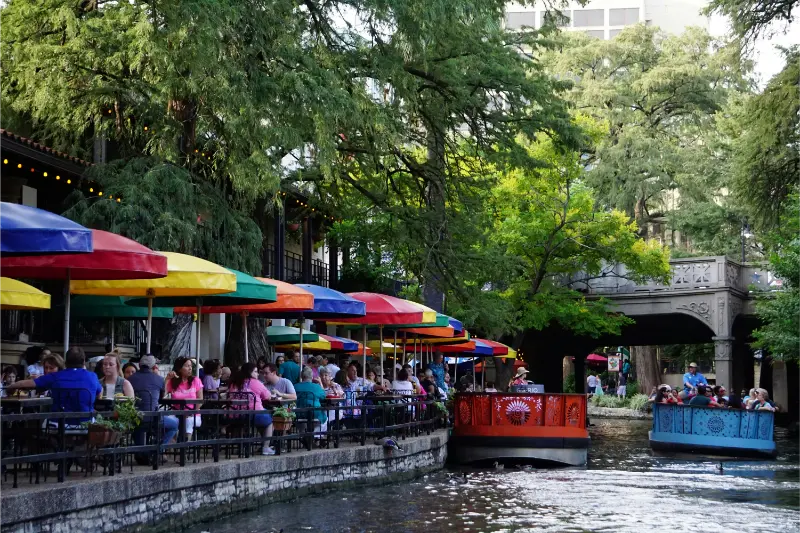
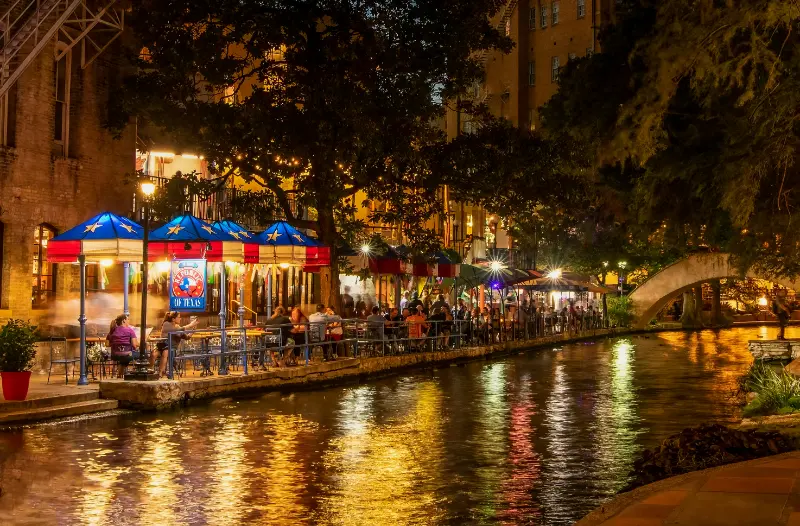
San Antonio’s River Walk is the obvious first image, but a strong trip goes beyond one downtown loop. The Alamo, the UNESCO-listed missions, Mexican American culture, the Pearl, neighbourhood food and the river’s quieter reaches create a more complete city. Four days gives you time to see those layers without turning every meal into another downtown tourist stop.
A realistic itinerary does not try to prove how much you can fit into a day. It protects the experiences that justify the trip and leaves room for meals, transport and the small discoveries that make one destination feel different from another.
Where to stay
| Area | Why choose it |
|---|---|
| Downtown / River Walk | Best for a first visit, major sights and walking; convenient but often the most expensive and tourist-oriented. |
| Pearl / northern river area | Excellent for food, design and a more contemporary atmosphere with river access. |
| Southtown / King William | Historic houses, galleries and restaurants south of downtown; good for travellers who want neighbourhood character. |
| Near the airport / north side | Often cheaper and practical for early flights, but a car or ride-hailing budget becomes more important. |
Choose accommodation by the journeys you will repeat. Map the first morning, the area where you are likely to eat dinner and the departure point for any fixed excursion. A room that removes two awkward transfers every day can be better value than a cheaper property that creates constant taxi or transit costs.
How to get there
San Antonio International Airport is north of downtown and is reached by taxi, ride-hailing, rental car and public transport. If the trip is entirely central, you may not need a car every day. If you are continuing through Texas Hill Country, a rental car becomes more useful after the city portion rather than on every downtown day.
Save the accommodation address offline and screenshot the first transfer before travelling. Arrival day should carry less risk than the rest of the trip: avoid a non-refundable attraction immediately after a flight or long road journey, and leave extra time when baggage, immigration, weather or traffic can affect the first connection.
Getting around
Walk the central River Walk and downtown, use river boats for sightseeing rather than as your only transport plan, and consider cycling or driving for the mission corridor depending on heat and fitness. Buses and ride-hailing fill gaps well. Parking downtown can be expensive, so compare hotel parking before bringing a car into the centre.
Compare journeys door to door rather than station to station. Waiting time, stairs, the final walk and the number of transfers can matter more than the nominally fastest route, especially for families, senior travellers or anyone carrying luggage.
A realistic itinerary
The schedule below is a framework rather than a rigid timetable. Opening days, seasonal transport, weather and local events should determine the exact order. If a major attraction is closed or conditions are poor, move the whole block instead of forcing the rest of the trip to become inefficient.
Day 1 – Alamo, downtown and the central River Walk
Start with the Alamo area and surrounding historic plaza, then explore downtown on foot. Use the River Walk as a route rather than an attraction you must complete in one direction. End with dinner away from the busiest tourist stretch if you want better value and a different atmosphere.
Day 2 – San Antonio Missions and the south side
Make the UNESCO mission corridor the focus. Mission San José is a strong anchor, and adding one or two other missions provides context without turning the day into a checklist. Use a bike only if weather and fitness make sense; in high heat, a car or guided tour is more comfortable.
Day 3 – Pearl, museums and neighbourhood food
Spend the morning around the Pearl and northern river area, then choose a museum or cultural institution according to your interests. Continue into nearby neighbourhoods for dinner. This is the day to see San Antonio as a living city rather than only a historic attraction zone.
Day 4 – Market Square, Southtown and a flexible final block
Visit Market Square or Southtown, then use the last afternoon for a museum, botanical garden, river walk or anything missed. If you are driving to Austin, Fredericksburg or elsewhere in Hill Country, leave enough daylight for the next leg instead of starting a long drive after a packed day.

Keep enough margin for meals, transport and an unscheduled stop. If this block runs long, remove the lowest-priority extra rather than turning the rest of the day into a race.
How many days do you really need?
4 days is a strong length for a first visit because it gives the destination one full block for its essential sights and enough margin for neighbourhoods, weather or transport. With one less day, remove the lowest-priority excursion rather than compressing every meal and transfer. With one extra day, add a regional experience or a deliberately slow day instead of stretching each sightseeing day until evening.
If this stop sits inside a longer itinerary, count hotel changes, airport transfers and recovery time as real parts of the trip. A night that prevents two consecutive transfer days can be more valuable than another attraction.
Best time to visit
Spring and autumn are generally the most comfortable for walking. Summer heat can be intense, so start early and use air-conditioned breaks. Fiesta and other major events create a vibrant atmosphere but also increase demand for rooms and transport.
Do not choose dates from average temperature alone. Check daylight, rainfall, local holidays, school breaks and the seasonal schedule of the one experience that matters most to you. Shoulder season is excellent only when the things you actually want to do are operating.
What deserves advance booking?
Reserve central hotels early for major events and book any timed Alamo experience or special tour you care about. Most River Walk time can remain flexible. If you plan to dine at a specific Pearl restaurant on a weekend, reservations can be worthwhile.
Book the scarce item first, then shape flexible sightseeing around it. Avoid prepaying every hour of the trip: a delayed flight, hot afternoon, heavy rain or long lunch should not create a chain of missed reservations.
Where and what to eat
San Antonio is a strong city for Tex-Mex, barbecue, breakfast tacos, Mexican regional cooking and contemporary Texas cuisine. Do not eat every meal on the central River Walk. Southtown, the Pearl and other neighbourhoods broaden the experience and often provide better value.
Use meal planning to reduce unnecessary travel. If the day ends in a particular neighbourhood, eat there instead of crossing the city because one restaurant looked attractive online. Keep at least one meal unreserved so you can follow a market recommendation or change plans when energy is low.
Families, older travellers and accessibility
Families benefit from the River Walk’s visual interest, museums and spacious mission grounds, but strollers can be awkward on steps and crowded sections. Older travellers should use elevators and street-level alternatives where available and avoid long mission rides in peak summer heat. Accessible hotel rooms should be confirmed directly.

For mixed-age groups, plan around the slowest realistic pace rather than the fastest walker. One important sight in the morning and one flexible block in the afternoon usually works better than four timed entries. If step-free access, seating, toilets or lift availability are essential, confirm them directly with the attraction or hotel; historic districts often have partial accessibility rather than a simple yes-or-no answer.
Budget: where to spend and where to save
Many historic areas and public spaces are inexpensive or free, while downtown parking, central hotels and attraction tickets add up. Spend on location if you want to walk at night and save by eating some meals outside the tourist core. If you rent a car, compare hotel parking charges with ride-hailing before deciding.
Compare the total cost of a day, not only individual ticket prices. A hotel that removes repeated transfers, a driver that replaces three difficult connections or a flexible ticket that protects a weather-dependent plan may be better value than the cheapest option on paper.
Safety and practical awareness
Use normal city awareness, especially at night away from busy areas, and protect yourself from heat. River Walk edges and stairs can be slippery after rain. If driving, do not leave luggage visible in the vehicle and build rest into longer Texas road-trip days.
Save offline copies of hotel details, insurance information, essential tickets and emergency contacts. Split cards and cash so one lost wallet does not become a trip-wide problem. If official advice or local conditions change, adjust the plan even when that means abandoning a reservation.
If you have one extra day
With an extra day, Fredericksburg and Hill Country are a natural extension, but they deserve a full daylight outing. New Braunfels and Gruene are other options depending on interests. Do not combine a long regional drive with a late flight from San Antonio.
Responsible travel and local rhythm
Historic centres, markets, beaches, religious sites and residential streets are working parts of local life. Keep doorways and pavements clear, follow photography rules, dress appropriately where required and choose locally run businesses when they fit naturally into the day. In natural areas, use marked paths and respect closures even when a shortcut looks easy.
A slower schedule makes responsible travel easier because you are less tempted to ignore local rules just to keep an overloaded itinerary on time.
Common mistakes to avoid
- Spending the entire trip within two blocks of the central River Walk.
- Visiting several missions at midday in extreme summer heat.
- Renting a car for downtown days without checking parking costs.
- Assuming Texas road-trip distances are short because they look close on a state map.
- Eating every meal in the most tourist-heavy riverfront restaurants.
Most tiring trips are not ruined by one dramatic mistake. They become difficult through a chain of optimistic assumptions. Add margin before you need it.
A slower experience worth protecting
Walk a quieter section of the river north toward the Pearl or south toward King William in the early morning. The waterway feels completely different when you leave the busiest restaurant zone behind.
How to make the trip feel less rushed
Separate fixed commitments from flexible interests. Put only transport departures, limited-entry attractions and weather-dependent excursions into the fixed category. Keep markets, viewpoints, cafés, parks and smaller museums movable. Each evening, look at the next day again and remove one low-priority stop early if the group is tired.
Also distinguish between distance and effort. Two kilometres on flat shaded pavements is not the same as two kilometres in tropical humidity, winter cold, steep streets, altitude or exposed heat. Plan by the physical reality of the destination, not only by map distance.
Photography, weather and the best time of day
Early mornings are useful for quieter streets and cooler conditions in most destinations, while late afternoon often gives softer light and a more relaxed pace. Do not build a whole itinerary around one photograph: weather and crowds change, and the best viewpoint is often the one you can reach without sacrificing the rest of the day.
Keep one indoor alternative saved on your phone. A museum, market, café or cultural centre can rescue a day affected by rain, heat, wind or transport disruption without forcing an expensive last-minute change.
Shopping and souvenirs
Buy things that connect to the destination rather than generic travel souvenirs. Markets, museum shops and specialist food stores are usually better places to understand provenance. If you are flying internationally, check customs rules before buying food, plants, animal products or large quantities of liquids.
What to pack
Comfortable shoes, strong sun protection and a refillable bottle are essential for warm months. Carry a light layer for heavily air-conditioned interiors and a compact rain layer in storm season.
Official information to check before you go
Opening days, transport, weather-sensitive access and event schedules can change. Recheck the details that control fixed reservations shortly before travel, especially during public holidays, major festivals or severe weather.
Final planning checklist
- Confirm passport, visa, entry and transit requirements for your nationality.
- Choose accommodation by the journeys you will repeat, not by price alone.
- Reserve only the attractions or excursions that genuinely control the day.
- Save offline copies of tickets, hotel details, insurance information and essential addresses.
- Check the exact airport, station, bus terminal, ferry pier or pickup point before arranging transfers.
- Keep one flexible half-day for weather, fatigue or something discovered after arrival.
- Recheck official opening information and local transport shortly before each fixed day.
Final thoughts
A good stay is not the itinerary with the highest number of pins. It is the one that protects the experiences you care about, leaves enough energy to notice the destination between them and can absorb a delayed flight, a hot afternoon or a change of weather without collapsing. Use this plan as a structure, then let local conditions and your own pace decide the final order.