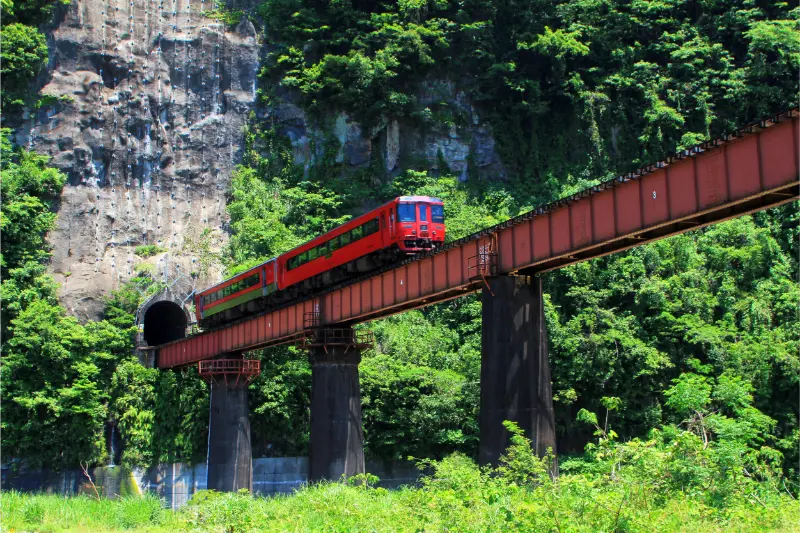
Toyama rarely receives the same international attention as Kyoto or Kanazawa, but it combines a very manageable city with some of Japan’s most dramatic mountain access. Around the station are contemporary museums, trams and places to eat seafood from Toyama Bay. Beyond the city, the Tateyama Kurobe Alpine Route creates an entirely different trip among high-altitude landscapes, seasonal snow walls and engineering landmarks. The important distinction is that a pleasant Toyama city break and a full Alpine Route excursion are not the same day’s activity for most travelers.
Toyama is best approached as a base with options. Visitors who have two nights can appreciate the city itself and choose one ambitious excursion based on weather. Travelers continuing toward Kanazawa or Nagano may fit Toyama into a regional train itinerary, although the Alpine Route requires its own transport and ticket planning. Families will find several gentle city attractions; mountain visitors need more clothing, more time and a greater tolerance for changes. The route below explains what is in the center, what lies beyond it and where extra planning is genuinely worthwhile.
- Best length: Three days or longer if adding remote excursions
- Best for: Culture, nature and flexible mixed-age travel
- Before you go: Check seasonal access, transport and any booking requirements
Start with the city and its useful station area
Toyama Station is a practical arrival point, served by Hokuriku Shinkansen services and connected to a local tram network. This matters because the city is compact enough for a relaxed visit without hiring a car. You can arrive, leave your bag at accommodation or appropriate storage, and explore nearby streets rather than spending the afternoon searching for a parking space. The most comfortable plan is to cluster central attractions, eat a proper meal and treat longer excursions as separate outings.
The city’s modern appearance should not be mistaken for a lack of history. Toyama has experienced major changes, including wartime destruction and reconstruction, so historic and contemporary elements sit side by side. Walking through the center reveals civic spaces, shopping streets and quiet residential areas beyond the principal attractions. Use trams for longer gaps and walking for the final streets. Check current services on the local transport operator’s website; tram lines and stops are simple once you identify your destination, but an incorrect direction can waste time.
Toyama Glass Art Museum: a compelling city highlight
The Toyama Glass Art Museum occupies the striking TOYAMA KIRARI building, associated with architect Kengo Kuma’s design. The glass collections and changing exhibitions create a distinctly different experience from a traditional castle museum. Even travelers who do not ordinarily seek out glass art can enjoy the relationship between material, light and space. Check which displays require admission and which building areas are publicly accessible; temporary exhibitions may have separate ticket rules or photography restrictions.
The museum works particularly well during heat or rain, and its central location makes it easy to combine with cafés and an unhurried city walk. Children can find the visual displays absorbing, although touch restrictions must be respected. For visitors with limited mobility, confirm lift access, exhibition layouts and any temporary closures. The building itself rewards time, so rushing between floors simply to complete a checklist misses much of the appeal. Allow room for a short break after the visit rather than stacking another major museum immediately afterward.
Toyama Castle Park and the surrounding neighborhoods
Toyama Castle Park provides a central green space and a visual reminder of the area’s feudal past. The reconstructed castle tower is a landmark, but it should not be mistaken for an untouched original fortification. Museum displays and opening arrangements can change, making an exterior view plus a walk through the grounds a useful option even without a ticket. The park also provides a good pause for families who need some outdoor time between indoor attractions.
The surrounding city streets are more rewarding when explored slowly. Look for local restaurants, small shops and river or canal-side views along an easy loop back toward transport. Cherry blossoms can make certain central areas particularly attractive in spring, but timing varies with each year’s weather. If photography is a priority, you may prefer the softer light of early morning or late afternoon. If traveling with a stroller, stay on accessible paths rather than seeking every raised viewpoint in the gardens.
Taste Toyama Bay's seafood thoughtfully
Toyama Bay is known for distinctive seafood, including seasonal specialties such as firefly squid and white shrimp. What appears on a menu depends on fishing seasons, weather and restaurant sourcing. Ask about preparation and whether a dish is served cooked or raw; travelers with dietary restrictions should not rely on the English name alone. Sushi, rice bowls and simple local meals are convenient ways to sample regional produce without committing to an elaborate tasting menu.
A market or restaurant lunch is a useful anchor to a city day. It helps families avoid late-afternoon hunger and gives older travelers a scheduled break in a comfortable seat. Seafood lovers may enjoy comparing a casual lunch with a more formal dinner, but you do not need two expensive reservations to experience the city’s food culture. Check restaurant opening days, especially in quieter neighborhoods, and carry a translation tool for ingredients if you have allergies. Remember that some specialties are seasonal, so menu photographs from past years are not promises.
The Tateyama Kurobe Alpine Route is a separate journey
The Tateyama Kurobe Alpine Route crosses a spectacular mountainous area using a coordinated series of transport modes. From the Toyama side, travelers usually take the local railway toward Tateyama Station before continuing by the route’s mountain transport network. The high-altitude Murodo area and, farther on, Kurobe Dam are major sights. A full traverse toward the Nagano side involves additional changes and is far more than a simple museum excursion. Decide whether you want a return trip to a selected mountain point or a through-journey before purchasing tickets.
The operating season usually runs from mid-April to late November, with closure through winter. The famous snow walls are a spring feature, generally most impressive from the opening period into early summer. They are not available year-round, and weather can affect routes and visibility even during the operating period. Murodo is around 2,450 meters above sea level, so expect conditions dramatically cooler than downtown Toyama. Choose layers, waterproof protection and suitable shoes rather than assuming a mild city forecast applies on the mountain.
Kurobe Dam and the difference between viewing and hiking
Kurobe Dam is an important engineering landmark, while the surrounding alpine scenery creates excellent viewpoints. Visiting does not automatically mean undertaking a long mountain hike; the transport system brings many travelers to panoramic areas without trekking across steep terrain. Nevertheless, stairs, exposed walkways and changes in elevation can still be demanding. Review official accessibility information for every segment, especially if someone in your group uses a wheelchair or has difficulty managing steps.
For active travelers, trails and mountain viewpoints offer further choices, but route conditions depend on snow, wind and the season. Do not improvise off marked paths or interpret a visible summit as an easy walk. A family outing may be best focused on the transport experience, a few viewpoints and a substantial lunch break. Photographers may want additional time for changing light. If your only available day has poor mountain weather, staying in Toyama city can be a better use of time than committing to a costly low-visibility excursion.
Other possibilities beyond Toyama city
Toyama Prefecture includes coastal towns, the Gokayama historic villages and landscapes farther from the station. These outings differ greatly in transport requirements. The UNESCO-listed gassho-style villages in Gokayama are compelling for their traditional houses and mountain setting, but they are not simply an extra stop on the Tateyama Alpine Route. If you wish to visit them, plan a different excursion day with confirmed bus connections or a suitable car arrangement.
Takaoka is another regional option with historic crafts and its Great Buddha, while the broader Hokuriku region invites itineraries including Kanazawa. Travelers with three or four nights could combine a city day, one mountain day and one smaller-town excursion. Those with two nights should choose based on the season and their interests. Attempting an alpine traverse and multiple craft villages in the same day would consume most of the experience in transit. Toyama’s strength is a choice of contrasting landscapes, not the ability to see them all instantly.
How to reach Toyama and move around
Shinkansen routes make Toyama accessible from major cities on the Hokuriku line, but journey times and connections depend on your starting point. Check official JR timetables and confirm whether a rail pass covers your chosen services; not every ticket or pass is interchangeable. Travelers flying into Japan may prefer to approach Toyama after an initial city stay rather than plan a tight same-day international-flight connection to an alpine excursion. Winter and summer weather can also influence regional services.
Central Toyama is straightforward by tram and on foot, with buses and regional rail serving selected outlying attractions. For the Alpine Route, however, use the operator’s dedicated fare and schedule information; ordinary city transport advice is not enough. Some legs require reservations in busy periods or have strict service cutoffs. Carry a portable power bank, keep an offline copy of tickets and leave a cushion before the final return service. The most expensive mistake is assuming there will always be one more mountain connection at the end of the day.
Where to stay and how to budget
Accommodation near Toyama Station is convenient if arriving late, leaving early or planning a mountain departure. A hotel closer to the central shopping district or museum area may feel livelier in the evening, but measure the actual distance to the transit you will use. A room with a large suitcase-friendly elevator can be more helpful than an elegant property above a narrow staircase. Families may prefer connecting rooms or a compact apartment-style setup, depending on availability and group size.
Budget for city museums, meals and transport separately from the Alpine Route, which can be a substantial expense. Compare the full ticket for a through-journey with a return itinerary that ends at a particular viewing point; the cheapest ticket is not necessarily suited to your goal. Mountain cafés and meals can cost more than an ordinary city lunch, so carry snacks within the operator’s rules. Avoid promising yourself several prepaid excursions in uncertain mountain weather unless their cancellation policies are acceptable.
A two-day itinerary with space for weather
On day one, arrive in Toyama, visit the Glass Art Museum, explore Toyama Castle Park and finish with a seafood meal. Check the forecast and the Alpine Route service status that evening. On day two, use an early departure for a selected Alpine Route journey, allowing the full day for connections and the return. If mountain weather is poor, swap the days when possible or choose a museum, Takaoka or another lower-elevation option instead. The city itself should not be treated merely as a place to sleep.
With a third day, add a regional excursion such as Gokayama rather than extending a single day until everyone is exhausted. Travelers moving toward Nagano can consider a through-journey with luggage arranged appropriately; others will find returning to Toyama less stressful. The route is especially rewarding when you know what you are not trying to do. One well-planned mountain experience and a meaningful city day create more memories than a series of missed connections.
Children, senior travelers and high-altitude comfort
Toyama city can accommodate visitors with very different energy levels, but the mountain route requires extra care. Babies, young children, older adults and people with heart or respiratory conditions may need medical advice before visiting high altitude. The effects of elevation and cold are different from ordinary sightseeing fatigue. Allow rest, avoid pushing strenuous hikes immediately on arrival, and be prepared to descend if someone develops concerning symptoms. Never promise that mechanized transport makes altitude irrelevant.
For wheelchair or stroller access, examine each Alpine Route transport segment and viewpoint, not only the operator’s overall accessibility summary. The number of transfers can make an otherwise short outing tiring. In the city, choose museums with lifts and use trams to minimize unnecessary walking. Families might assign a slower city day before or after the mountain trip. If the group has mixed interests, some can visit a museum while others explore outdoors; just set a clear meeting point and return time.
Seasons and official checks that make a real difference
Toyama’s city attractions are useful throughout the year, while the mountains follow a defined seasonal calendar. Spring features snow walls, summer opens a wider choice of walking possibilities and autumn brings changing leaves at different elevations. Winter can be beautiful in the region, but the Alpine Route itself is normally closed. Check the operator for current opening dates, ticket rules, live service information and weather restrictions. Never use a previous year’s snow-wall photograph as evidence that the same scene is available on a particular date.
Also confirm museum opening hours, any exhibition closures and special event dates. Typhoons, heavy snow or other conditions can affect regional transport. Keep your first plan simple enough to rearrange and your expectations specific enough to avoid disappointment. Toyama rewards travelers who appreciate both the precision of its cultural attractions and the unpredictability of the mountains, without expecting the two to work on an identical timetable.
Practical questions
Can I visit the Alpine Route in winter?
Usually not: the complete Tateyama Kurobe Alpine Route typically operates from mid-April to late November. Check current dates.
Is Toyama worth visiting without a mountain trip?
Yes. The Glass Art Museum, city park, trams and seafood scene create an enjoyable city visit.
Can young children do the Alpine Route?
Some transportation and viewpoints suit families, but high altitude, cold, transfers and segment accessibility require individual planning.
More travel inspiration
Continue planning with these related guides:
- Japan Alps in 8 Days: Kanazawa, Takayama and Matsumoto Without a Rental Car
- Kanazawa in 4 Days: Kenrokuen, Samurai Districts and Food Without Treating the City as a Train Stop
- Nagano in 4 Days: Zenko-ji, Togakushi and Snow Monkeys Without Treating the City as a Transit Stop
Official sources and latest updates
Check these sources before booking, particularly for operating schedules, transport and access restrictions: