China’s scale can make a ten-day trip feel impossible before it starts. The solution is not to cover the country. It is to choose three cities that are very different and connect well by high-speed rail.
Beijing, Xi’an and Shanghai form a strong first route: imperial history and hutongs, the Qin-era Terracotta Army and city walls, then China’s most internationally recognisable modern skyline and neighbourhood life.
The high-speed rail network links these cities, although you will need to check the actual departure station and service for each leg. Planning the train days ahead of time usually makes more sense than inserting domestic flights between Beijing, Xi’an and Shanghai. You still need time to cross each city, clear station security and find your hotel after arrival.
Quick trip summary
- 4 nights Beijing, 2 Xi’an, 3 Shanghai, final departure day.
- Use high-speed rail for both long intercity moves.
- Book important trains once your passport/travel dates are final.
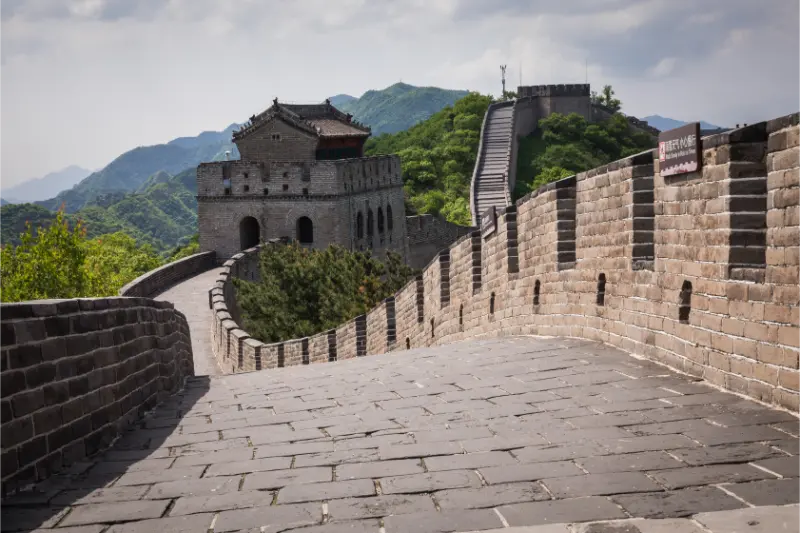
- Choose one Great Wall section, not multiple.
- Do not add Chengdu or Guilin to a ten-day first trip.
Why this route works
Beijing needs the longest stay because Forbidden City, Temple of Heaven, hutongs and the Great Wall are not geographically one compact cluster.
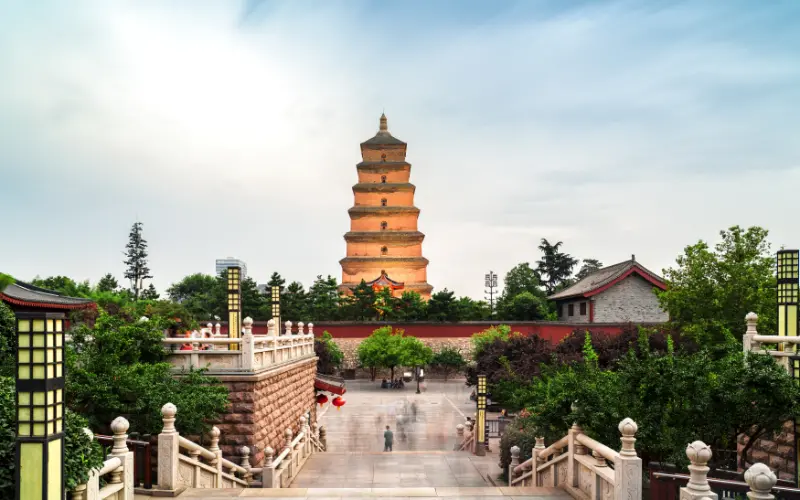
Xi’an works efficiently in two nights when the Terracotta Army and old-city core are the priorities.
Shanghai then changes the tone completely and is an excellent final city because neighbourhood walking, river views and modern museums can be adjusted easily around weather.
A realistic itinerary at a glance
| Days | Base | Main focus |
|---|---|---|
| 1–4 | Beijing | Imperial sites, neighbourhoods and Great Wall |
| 5–6 | Xi’an | Terracotta Army and old city |
| 7–9 | Shanghai | Bund, neighbourhoods and flexible city time |
| 10 | Departure | Airport connection |
Day-by-day plan
Day 1: Beijing arrival
Stay near a useful subway line and keep the first walk local. Large blocks and security procedures mean distances often feel longer than the map suggests.
Day 2: Imperial Beijing
Build the day around the Forbidden City area and one adjacent historic space. Timed-entry rules can change, so verify official booking requirements before travel.
Day 3: Temple of Heaven and neighbourhood life
Use the morning for a major monument and the afternoon for hutongs, parks or another area rather than another giant museum.
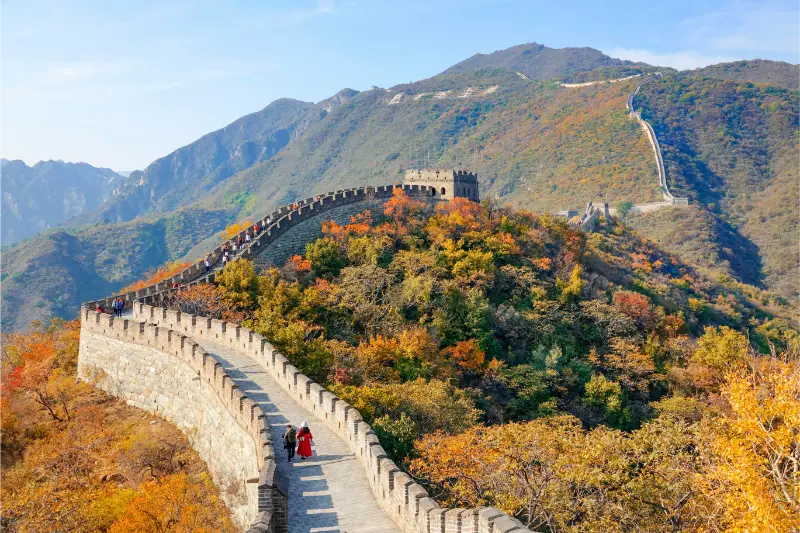
Day 4: Great Wall
Choose one section based on mobility, transfer time and crowd tolerance. A private driver or quality small-group tour can be worth the cost for families.
Day 5: High-speed train to Xi’an
Travel from the correct Beijing station, arrive Xi’an and use the evening for the city wall or Muslim Quarter depending on energy.
Day 6: Terracotta Army
Give the site most of the day, including transport. Return for a slower evening rather than adding another distant excursion.
Day 7: Train to Shanghai
Use a daytime high-speed service, then walk the Bund after check-in if energy allows.
Day 8: Shanghai neighbourhood day
Combine one historic/concession-area walk with a modern district or museum. Avoid crossing the entire city repeatedly.
Day 9: Flexible Shanghai
Use this for Pudong views, another museum, a water-town excursion only if it is a real priority, or simply more neighbourhood time.
Day 10: Departure
Know whether you are using Pudong or Hongqiao and leave enough time for the correct airport connection.
Where to stay and how many hotel changes to make
Beijing hotels near subway interchange stations can save significant time.
In Xi’an, staying inside or just outside the wall makes the short city stay more efficient.
Shanghai location should be chosen by metro access and your evening interests, not only by skyline view.
Beijing, Xi’an and Shanghai are all enormous, but the right hotel location makes this rail journey surprisingly manageable. In Beijing, look for a convenient subway route to the sights and the station you will depart from. In Xi’an, a base with easy access to the old city is pleasant for an evening walk. In Shanghai, weigh the Bund and central neighbourhoods against the station and airport you will actually use.
A characterful property inside an older neighbourhood can be lovely, but think about luggage and stairs before booking. Beijing’s hutong lanes do not always offer an easy vehicle drop-off, and some stations are vast. If you are travelling with wheeled cases or anyone who finds steps difficult, confirm the entrance, lift access and the precise route from public transport. A stylish address is less appealing if arriving there becomes an obstacle course.
Transport: what is worth planning in advance
Chinese high-speed rail is excellent, but large stations require time for security, navigation and boarding.
Always verify the exact station name; Beijing and Shanghai have multiple major terminals.
Use metro for most city travel and taxis/ride-hailing selectively when a transfer is awkward.
For the Beijing–Xi’an and Xi’an–Shanghai legs, check which station the train leaves from, not just the city printed on your ticket. High-speed services can use terminals well outside the neighbourhood you have been exploring. Allow time for security, finding the right entrance and boarding. Once you reach Xi’an or Shanghai, keep your first activity close to the hotel; the train journey may be comfortable, but it still divides the day.
Reserve the longer rail journeys once your overnight plan is settled, using an official or reliable ticket channel and checking what identity document is required. The Great Wall outing and any limited-entry Beijing sites deserve their own booking check. Keep the afternoon after a train ride open enough to accommodate a late arrival. You can choose a restaurant at the last minute; replacing a missed intercity connection is less straightforward.
Food and daily rhythm
Treat Beijing, Xi’an and Shanghai as three separate food destinations rather than searching for one generic ‘Chinese food’ list.
Order conservatively at first and add dishes; portion size and spice expectations vary.
A good meal is an easy way to enjoy how different these cities feel. Beijing is known for roast duck and northern wheat dishes, Xi’an for noodles and flavours associated with its Muslim Quarter, while Shanghai offers a different mix of local cooking. Rather than crossing town for every recommendation, look for a place near the area you are exploring. A relaxed dinner after the Great Wall will probably taste better than another hour on the subway.
Not every meal needs to be a formal restaurant experience. A breakfast near your hotel, a casual noodle lunch and a quieter evening meal can balance days spent walking through enormous palace compounds or museums. Food halls and simple cafés are useful when the group is tired or has different tastes. Check dietary requirements ahead of time if needed; translation and a written note can make ordering much easier.
Families, children and older travellers
High-speed rail is often easier than airports for families because city-centre access is better and the journey itself is comfortable.
Older travellers should use elevators in stations and avoid itineraries that require repeated subway changes at rush hour.
The Great Wall section should be chosen by mobility, not fame.
Travelling with older relatives? Treat the Forbidden City, the Great Wall and the Terracotta Army as major physical outings rather than small stops on a list. The distances and time spent standing can be substantial, even without a steep climb. Choose a Great Wall section suited to the group and plan transport so you are not also managing an exhausting return connection. Comfort on these days is worth more than an extra minor sight.
Children are likely to remember the train experience, the scale of Xi’an’s city wall and the excitement of Shanghai’s skyline as much as a sequence of museum rooms. Give them different kinds of days: an outdoor landmark, a park or a riverfront walk after an indoor visit. If teenagers enjoy modern Shanghai more than a third historic complex, make space for that preference without sacrificing the key places the family has chosen together.
Budget: where the money really goes
Rail, central hotels and major guided experiences are the main planning costs.
A private Great Wall transfer can be better value for a group than losing hours to complicated public connections.
Compare total trip cost, not only room rates and headline transport fares. Parking, luggage, transfers, mandatory fees and the time lost reaching a remote hotel can erase apparent savings.
Compare the cost of trains and centrally located hotels before deciding you need a private driver everywhere. Public transport can work well inside the big cities, while an organised Great Wall transfer may genuinely simplify one complicated day. In Xi’an, consider a guided visit to the Terracotta Army if the explanations matter to you. Spend on help where it removes uncertainty or adds understanding, not simply because another tour appears in a search result.
Best time to go
Spring and autumn generally suit the north-to-east route, but national holiday periods can change crowd levels dramatically.
Summer heat/humidity and winter cold require different daily pacing.
Spring and autumn are often attractive for the amount of walking involved, but you should still check conditions in each city. Beijing can feel different from Shanghai, and popular holiday periods may create heavy pressure on transport and major attractions. If your dates are fixed, focus on a comfortable daily rhythm rather than trying to select a theoretically perfect week. Book the most important trains and entry slots with the season in mind.
Hot, humid days in Shanghai call for a different schedule from a chilly morning in Beijing. Use the cooler parts of the day for extended outdoor walks, and keep a museum or an easier neighbourhood option available when the weather turns. At the Great Wall, wind, visibility and the chosen section’s terrain matter more than the forecast for central Beijing alone. Look at local conditions before committing everyone to a strenuous outing.
Comfort, accessibility and realistic pacing
Four nights in Beijing allow jet lag and huge-scale sightseeing to coexist.
Never schedule the Great Wall immediately before a long rail move; both deserve their own day.
The most tiring mistake is to treat the long train days as normal sightseeing days. Beijing’s sights can already demand hours on foot, and a full visit to the Terracotta Army involves an additional journey outside Xi’an. Give yourself a quieter evening after both experiences. A relaxed walk beside the Bund makes a better arrival plan in Shanghai than a carefully timed sequence of attractions across different districts.
Keep at least one part of the Shanghai stay unscheduled. You may want more time in a favourite neighbourhood, a rest after the Xi’an train or simply an afternoon to enjoy the riverfront. That flexibility also protects you if a museum visit takes longer than expected. Ten days are enough to appreciate the contrasts between the three cities, provided every spare hour is not already promised to something else.
Small decisions that improve the trip
Use high-speed rail instead of flights
It keeps the route coherent and reduces airport repetition.
Keep Xi’an to two focused nights
The city can use longer, but this balance protects Beijing and Shanghai.
Choose one Great Wall section
More sections do not create a better first visit.
What I would leave out on this length of trip
Leave Chengdu, Guilin, Zhangjiajie and Hong Kong for a longer trip.
Skip a water-town day trip from Shanghai if it means cutting the city to one full day.
Mistakes that make this trip harder than it needs to be
- Booking the wrong station.
- Assuming famous attractions can always be entered without advance reservation.
- Adding a fourth city to ten days.
- Underestimating station walking/security time.
- Choosing a Great Wall section only from photos.
- Treating Shanghai solely as the Bund and Pudong skyline.
How I would adapt the itinerary
With seven days, use Beijing and Shanghai only or Beijing plus Xi’an.
With fourteen days, add one additional region with at least three nights rather than several quick stops.
Before booking
- Verify current entry/visa rules for your nationality.
- Book required attraction slots.
- Confirm exact railway stations.
- Save addresses in Chinese characters.
- Check airport name before departure.
Practical questions
Can I do this without domestic flights?
Yes. High-speed rail is one of the main reasons this three-city route works.
How early should I arrive at stations?
Allow more time than you would for a small European station because of security, terminal scale and identification checks.
Is Xi’an worth only two nights?
Two nights cover the main first-trip priorities; three is better if you want more museums and neighbourhood time.
Final thoughts
Ten days cannot show China, but they can show three very different versions of it.
High-speed rail makes Beijing, Xi’an and Shanghai a coherent first journey without turning every third day into an airport day.