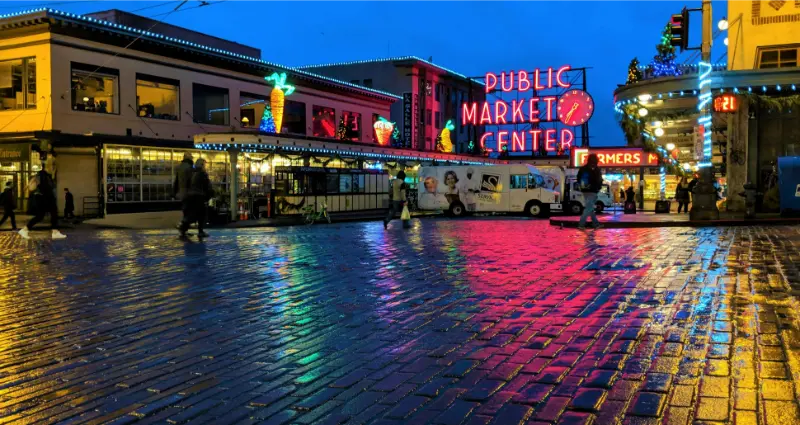
Seattle is often planned as a waiting room for Mount Rainier, Olympic National Park or an Alaska cruise, yet the city deserves several days of its own. Four days allows Pike Place Market, the waterfront, Seattle Center and neighbourhoods to fit without making each day depend on a car. The key choice is whether one regional excursion is truly a priority or whether the city and Puget Sound are enough for this trip.
If this city is part of a longer trip, compare the pacing with Washington State in 10 Days. A city guide should complement the wider itinerary, not force a traveller to repeat the same transfer twice.
Quick trip summary
| Ideal stay | 4 days for a first trip |
|---|---|
| Best approach | Group each day by geography and protect one flexible block |
| Transport strategy | Walk within districts; use public transport or taxis for cross-city moves |
| Who it suits | First-time visitors, couples, solo travellers, families and slower-paced travellers |
| Most common mistake | Adding too many distant attractions to the same day |
How to plan the trip before booking
A useful city itinerary is not the one with the highest number of saved pins. It is the one in which the difficult reservations are protected, the days make geographic sense and there is still enough margin for a long meal, weather, queues or simple fatigue. Treat travel time as part of the day rather than as an invisible gap between attractions.
Where to stay: choose location before hotel style
| Base | Why choose it |
|---|---|
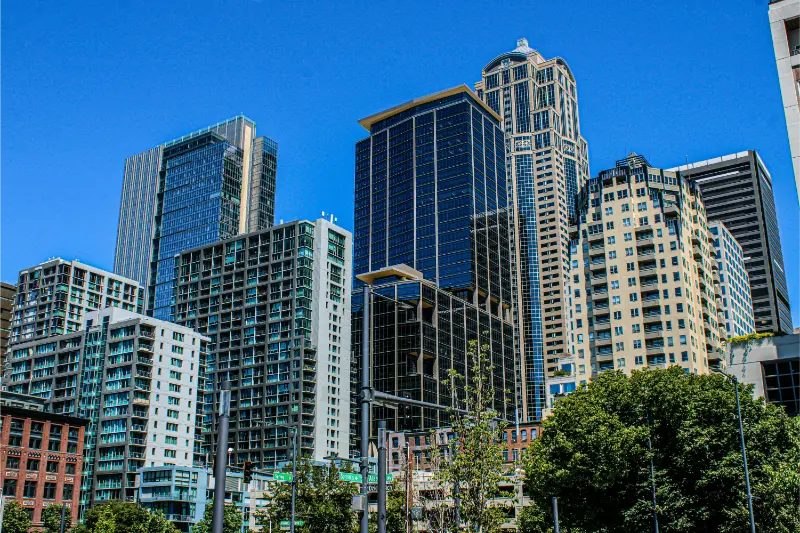
| Downtown / Pike Place edge | Maximum convenience for first-time sights and walking access to the waterfront. |
| Belltown | Central, lively and practical between Pike Place and Seattle Center. |
| Capitol Hill | Restaurants, nightlife and local character with light-rail access. |
| Queen Anne / Seattle Center | Good for families and major attractions, somewhat quieter than the downtown core. |
A more attractive room is not automatically a better travel decision. Map the first activity of the morning, the likely dinner area and the departure route. If the hotel adds two unnecessary transfers every day, the hidden cost is time as well as money.
A realistic 4-day itinerary
Day 1: Pike Place Market and waterfront
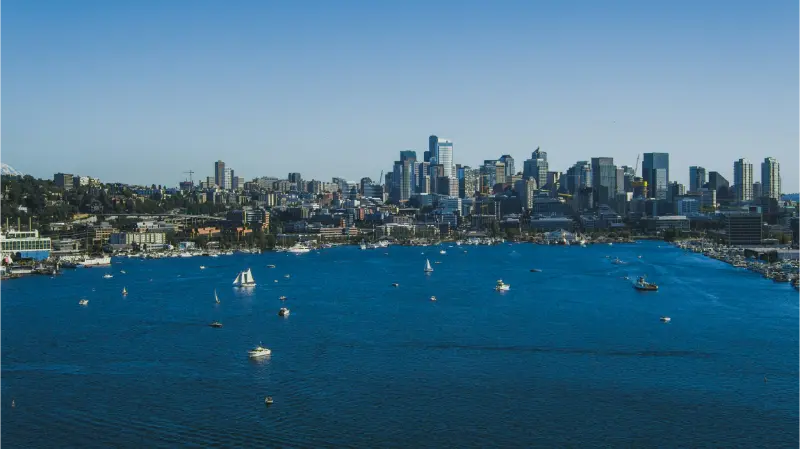
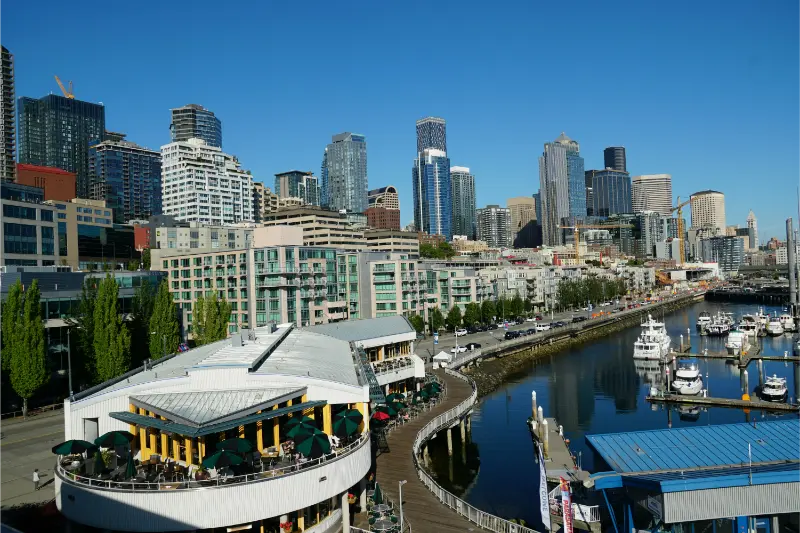
Visit Pike Place early enough to enjoy the working market, then move downhill to the waterfront. Choose one major waterfront attraction or ferry experience rather than trying to do everything before lunch.
Day 2: Seattle Center and Queen Anne
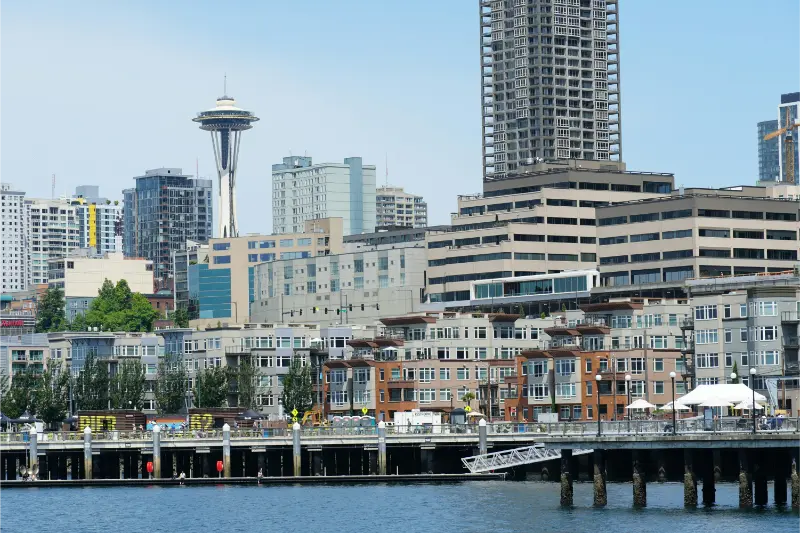
Use the second day for the Space Needle area and whichever museum or cultural attraction best fits your interests. Queen Anne or nearby viewpoints can finish the day without another long transfer.
Day 3: Capitol Hill, parks and neighbourhood Seattle
Spend a day beyond the postcard core. Combine Capitol Hill with a park, local food and a neighbourhood such as Fremont or Ballard only if the route is logical. This day is where Seattle feels like a city rather than a collection of attractions.
Keep the second half of the day lighter than the first. A useful itinerary creates space for an unexpectedly good museum, a long meal, a delayed train, a child who needs a break or a neighbourhood that deserves another hour.
Day 4: Ferry, islands or flexible regional day
Take a ferry for the experience and views, or keep the day within Seattle for museums and neighbourhoods. A Mount Rainier trip is a major commitment and should replace this day, not be squeezed around evening plans.
How to move around without wasting the day
Light rail is useful for airport and city corridors, buses cover many neighbourhoods and walking works well in the central core, though hills are real. Ferries are both transport and experience. A rental car is unnecessary for most city days and becomes most useful only when the wider Washington itinerary begins.
Do not judge a journey only by kilometres. A short trip can include station corridors, road congestion, stairs, queues or a long final walk. Think in door-to-door time and keep a margin before anything expensive or difficult to replace.
Arrival and departure strategy
Seattle-Tacoma International Airport connects to the city by light rail and road transfers. If arriving for a cruise, confirm the exact terminal because different piers create different transfer logic. Keep luggage handling in mind when choosing between transit and a direct ride.
Arrival day is rarely the right time for the most complicated attraction. On departure day, protect the connection first and use only nearby activities that can be abandoned without consequence.
Best time to visit
Late spring through early autumn generally offers the longest days and the best odds for mountain views, while wetter months are excellent for museums, food and neighbourhood travel. Clear conditions matter for skyline and mountain viewpoints, so keep those flexible rather than booking the whole trip around one forecast.
What to book first
Book the experiences that are difficult to replace: limited-capacity museums, timed monuments, a special performance or a day trip that controls the rest of the itinerary. Leave ordinary meals, neighbourhood walks and secondary sights flexible. Recheck entry rules, opening days and transport notices shortly before departure because these details change more often than the basic geography.
Food strategy: eat well without crossing the city for every meal
Seafood, coffee, bakeries and Asian cuisines are central to Seattle’s food identity. Pike Place is a useful introduction but should not be the only dining zone. Capitol Hill, the International District, Ballard and other neighbourhoods reward a more local evening.
For a multi-age group, a reliable breakfast and an easy lunch often matter more than one additional attraction. Use meals as genuine rest rather than another item to complete quickly.
Travelling with children
Pike Place, ferries, Seattle Center and parks offer natural variety for families. Keep the hillier walking sections short and avoid adding a long mountain day immediately after a late arrival.
With children, reduce transitions before reducing the highlights. Alternate one structured indoor visit with something that allows movement: a park, waterfront, market, short ride or open square. Keep toilets, drinking water, snack options and an easy route back to the hotel in mind before starting a long afternoon.
Travelling at a slower pace or as a senior
For older travellers or anyone who prefers a slower pace, choose a base close to the transport line or district used most often. Use taxis or public transport to remove unrewarding distance, then spend walking energy on the streets, museums and viewpoints that actually define the destination. Check lifts, stairs and seating at major sights rather than assuming accessibility from the map.
Budget planning
The largest budget differences usually come from hotel location, airport transfers, major admissions and how often a taxi is used for cross-city journeys. A slightly more expensive central hotel can be better value if it removes two long transfers every day. Build a daily budget with a small reserve instead of planning to spend every available amount on advance bookings.
Weather backup plan
Keep one indoor or low-commitment block movable. A good weather fallback should fit the same part of the city and should not damage the following day. If one experience depends heavily on clear skies, comfortable heat or dry conditions, place it in a flexible slot and move it when the local forecast improves.
Connectivity, cash and small practical details
Save the hotel address, key tickets, passport or identity details, insurance information and the next important transfer outside your email app. Offline access matters when the network is weak or the battery is low. Carry a small power bank and keep a backup payment method separate from the main wallet.
What to pack
Comfortable walking shoes matter more than an extra outfit on a short city break. Add sun or rain protection, a refillable bottle where practical, any medication you may need during the day and one layer suitable for air-conditioned interiors or cooler evenings. The goal is to stay mobile without carrying the contents of the hotel room.
Common mistakes to avoid
- Treating Seattle only as the airport for national parks.
- Renting a car for every city day and paying to store it.
- Scheduling a mountain day and a packed city evening together.
- Ignoring hills when estimating walking distance.
- Assuming a cloudy forecast means the entire day is lost.
Responsible travel and local etiquette
Treat residential streets, places of worship and memorial spaces as real parts of a working city rather than scenery. Follow staff instructions, keep entrances and pavements passable, use bins, and spend with local businesses when it fits naturally. Small choices about timing and behaviour often improve the experience for visitors as well as residents.
If you have less or more time
With two days, keep Pike Place/waterfront and Seattle Center. Three days adds one strong neighbourhood day. With five days, add a ferry-focused day or one regional excursion, but preserve enough city time that Seattle does not become only a hotel base.
Safety and decision-making on the day
Use ordinary big-city awareness: keep phones and wallets controlled in crowded areas, choose clearly identified transport and avoid walking while distracted at complicated road crossings. The most useful safety advice is current and local, so follow official notices, attraction staff and transport operators when conditions change.
Set a practical turnaround time for long walks, excursions and transfer days. A missed secondary sight is cheaper than a missed flight, unsafe walk or exhausted final day.
Useful official and planning resources
Opening hours, transport schedules, fees, reservation procedures and access rules change more often than the basic geography. Recheck the official source shortly before departure.
Final planning checklist
- Confirm passport, visa, transit and health requirements for your nationality.
- Reserve the attraction, permit or train that controls the rest of the itinerary.
- Save the accommodation address and first-day route offline.
- Recheck weather, closures and transport notices before each critical day.
- Keep at least one half-day that can absorb a delay or become simple rest.
- Leave a generous buffer before flights and other costly connections.
A good city break should feel as though you understood how the place fits together, not merely that you collected its famous names. Keep the fixed reservations that matter, group the rest by geography and remove anything that creates more transit than experience.
Leave a Reply