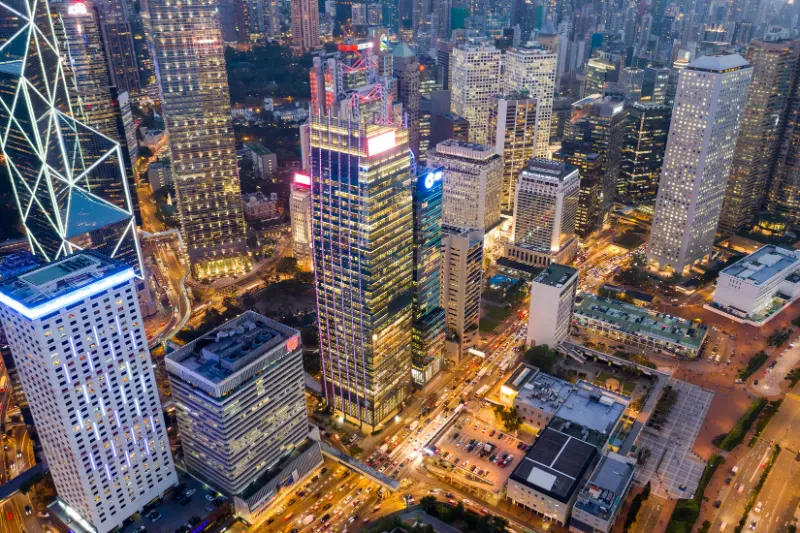
Hong Kong is one of the rare destinations where a six-day trip can move from dense high-rise neighbourhoods to beaches and hiking trails without changing hotels. The mistake is spending every day underground in the MTR between shopping districts.
This itinerary keeps one base and uses ferries, MTR, buses and walking to create very different days: Hong Kong Island, Kowloon, a car-free island, and one outdoor escape around Sai Kung or Dragon’s Back.
The official Hong Kong Tourism Board transport guide describes Octopus as an essential travel card for major public transport and many everyday purchases. The same tourism board emphasises how quickly ferries and MTR can connect the city to islands and trails.
Quick trip summary
- Keep one hotel for all 6 days.
- Use Octopus and public transport instead of taxis for most journeys.
- Choose one island day: Lamma or Cheung Chau are easy first options.
- Choose one outdoor day and move it according to weather.
- Do not add Macau unless you genuinely want to sacrifice a Hong Kong day.
Why this route works
One hotel is a major advantage. Hong Kong’s transport lets you move between districts quickly while your luggage stays put.
An island day prevents the trip from becoming six days of malls, markets and skylines. Official tourism information notes ferries from Central can reach Lamma in about 30 minutes and Cheung Chau in about 35 minutes.
An outdoor day shows another side of Hong Kong. Trails such as Dragon’s Back or the High Island area are close enough to the city to fit naturally into a short visit.
A realistic itinerary at a glance
| Days | Base | Main focus |
|---|---|---|
| 1–2 | Hong Kong Island / Kowloon base | Harbour, Central, old neighbourhoods |
| 3 | Kowloon | Markets, museums and local districts |
| 4 | Outlying island | Lamma or Cheung Chau |
| 5 | Outdoor day | Dragon’s Back or Sai Kung/High Island |
| 6 | Flexible city day | Weather buffer and departure |
Day-by-day plan
Day 1: Harbour orientation
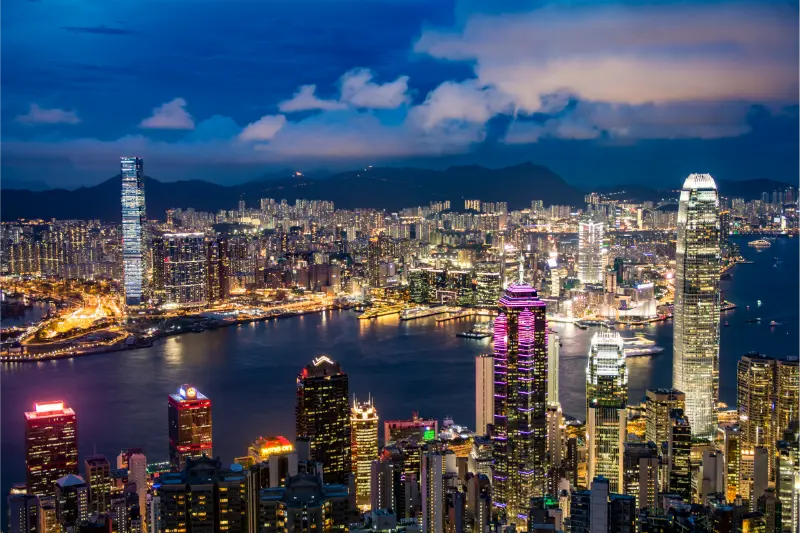
Use the Star Ferry and harbourfront as your introduction rather than disappearing immediately into shopping malls. See the skyline from both sides and stop when travel fatigue catches up.
Day 2: Hong Kong Island
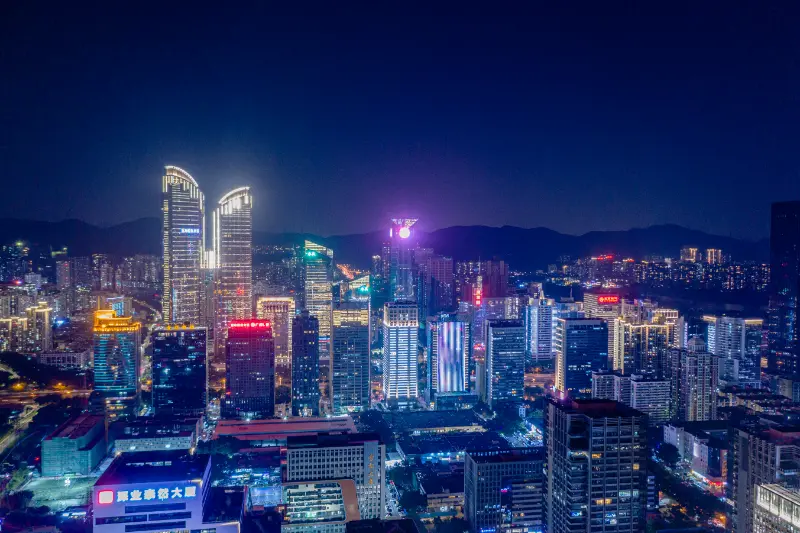
Build the day around Central, Sheung Wan and one hillside/viewpoint experience. Use trams or MTR to reduce uphill walking, especially in heat and humidity.
Day 3: Kowloon
Choose a museum, Sham Shui Po, Mong Kok or another neighbourhood cluster and move north gradually. Night markets are more enjoyable when they are not the sixth stop of an exhausting day.
Day 4: Lamma or Cheung Chau
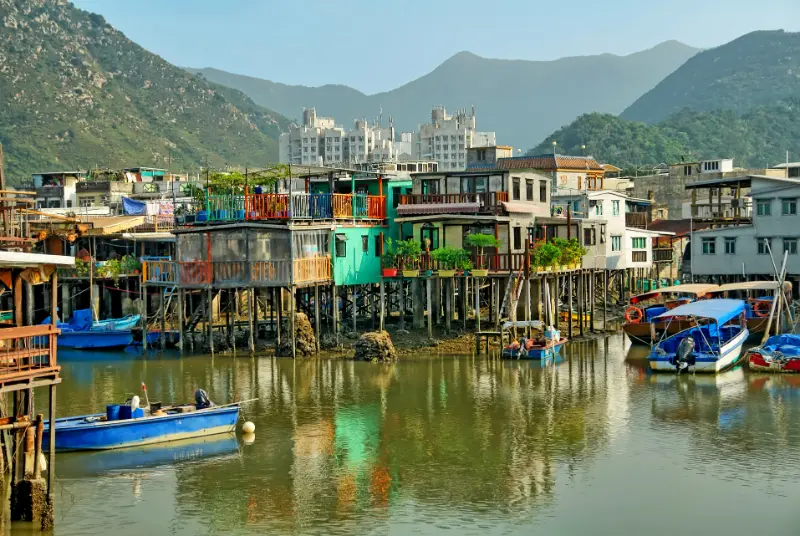
Take an early ferry from Central. Lamma works well for a paved cross-island walk and seafood; Cheung Chau offers compact village streets, beaches and easy cycling/walking. Choose one island, not both.
Day 5: Outdoor Hong Kong
Choose Dragon’s Back for an accessible ridge-and-beach day or Sai Kung/High Island for geology and more transport logistics. Start early in warm months and check current trail/access notices.
Day 6: Flexible city day
Use the last day for what weather blocked earlier: Victoria Peak, museum time, shopping, another neighbourhood or a slow dim sum meal. Keep the airport transfer uncomplicated.
Where to stay and how many hotel changes to make
Central/Sheung Wan are excellent for ferries and urban access but can be expensive and hilly.
Tsim Sha Tsui is convenient for harbour views and Kowloon exploration; Jordan/Yau Ma Tei can offer a more local feel and good MTR access.
Choose the hotel by MTR proximity and room practicality rather than only by skyline photographs; Hong Kong rooms can be compact.
On a multi-base trip, location usually matters more than a small difference in room price. A hotel that removes two daily transfers can save more energy than a nicer room on the wrong side of town.
Read recent reviews for the practical details that booking photos rarely show: stairs, lift size, street noise, parking access, breakfast hours and the final walk from public transport.
Transport: what is worth planning in advance
Octopus is the easiest default for MTR, buses, ferries and many small purchases.
The Airport Express is fast, but compare it with bus/taxi options for your exact hotel and group size.
For hiking days, save the return route and last practical bus/ferry details before leaving urban coverage.
Judge every move door to door rather than by the timetable alone. Checkout, reaching the terminal, waiting, luggage and the final connection to the next hotel can turn a short headline journey into half a day.
Book the inflexible ticket only when the savings are meaningful and the day is genuinely fixed. Weather-sensitive activities and remote transfers need room to move.
Food and daily rhythm
Dim sum, cha chaan teng breakfasts, roast meats, noodles and neighbourhood bakeries should be spread through the trip rather than compressed into a food tour.
Queues can be part of famous restaurants; a very good local alternative nearby is often a better use of a short holiday.
Use meals to control the rhythm of the day. A long local lunch can be an experience and a recovery period, especially after exposed archaeological sites, mountain walks or early starts.
Do not turn every meal into another attraction. Mix regional specialties with simple food, particularly on transfer days when everyone is already tired.
Families, children and older travellers
Ferries, trams and islands are often more memorable for children than observation decks.
Older travellers can use MTR lifts, taxis and the Mid-Levels system to reduce steep walking, but station corridors can still be long.
In summer heat, an indoor museum or long lunch is a legitimate midday plan.
For multigenerational travel, the useful pace is the one at which the least mobile person still enjoys the day. That normally produces a better experience for everyone else too.
Children often respond better to changes of format than to more attractions: a beach after a museum, a boat after a city walk, or wildlife after a long drive.
Budget: where the money really goes
Hotels are the biggest expense; public transport is efficient enough that paying more for location can still be worthwhile.
Viewpoints, ferries and neighbourhood walks provide excellent value compared with filling every day with ticketed attractions.
Compare total cost instead of headline prices. A cheaper room can become more expensive after transfers, parking, meals and the time lost reaching it.
The best splurges are usually the ones that remove friction: a central hotel, a reliable private transfer, a direct train, a guide where context matters or one extra night that prevents an exhausting move.
Best time to go
Autumn and cooler winter periods are comfortable for walking, while summer is hot, humid and affected by heavy rain/typhoon conditions.
Outdoor plans should move around the forecast. Never force a ridge hike during unsafe weather.
Shoulder season can offer a good balance between weather, demand and comfort, but some boats, mountain services and seasonal restaurants may run less frequently.
Heat, rain, snow, wind and daylight should change the order of your day. Use the most comfortable hours for exposed outdoor sights and keep indoor or low-effort alternatives available.
Comfort, accessibility and realistic pacing
One hotel eliminates packing and lets the itinerary react quickly to weather.
Alternate urban and outdoor days so that heat, crowds and long station walks do not accumulate.
Travel fatigue accumulates. One difficult transfer can reduce the quality of the next two days, which is why this itinerary avoids one-night bases unless geography genuinely requires them.
A free half-day is not wasted time. It is insurance for weather, laundry, a delayed journey, a child who needs rest or a place you discover only after arriving.
Small decisions that improve the trip
Use one base
Hong Kong’s transport network removes almost every reason to change hotels.
Choose one island
A full island day feels slower and more local than collecting ferry terminals.
Keep the hike flexible
Weather and heat should decide which day you go.
Skip Macau if Hong Kong itself is the priority
A border-crossing day has a real opportunity cost on a six-day trip.
What I would leave out on this length of trip
Leave Disneyland, Ocean Park or Macau out unless they are genuinely important to your group.
Skip trying to see every famous market; choose neighbourhoods with a reason to be there.
Mistakes that make this trip harder than it needs to be
- Spending six days only in Central, Tsim Sha Tsui and malls.
- Underestimating summer heat on hiking trails.
- Forgetting that MTR stations can involve long internal walks.
- Taking an island ferry without checking return frequency.
- Booking a hotel far from MTR to save a small amount.
- Using the final day for a complicated cross-boundary excursion.
How I would adapt the itinerary
With three days, focus on harbour, Hong Kong Island and Kowloon.
With eight days, add both an island and Sai Kung day plus one low-key neighbourhood day.
Before booking
- Get Octopus or set up a visitor-compatible mobile option.
- Check weather before hiking.
- Save ferry schedules.
- Choose a hotel close to MTR.
- Keep a rain/typhoon alternative.
Practical questions
Do I need a car?
No. Public transport is one of Hong Kong’s biggest advantages.
Lamma or Cheung Chau?
Lamma suits a simple walk-and-seafood day; Cheung Chau feels more compact and beach/village focused.
Is six days too long?
No. Once you include islands and outdoors, six days feels balanced rather than excessive.
Final thoughts
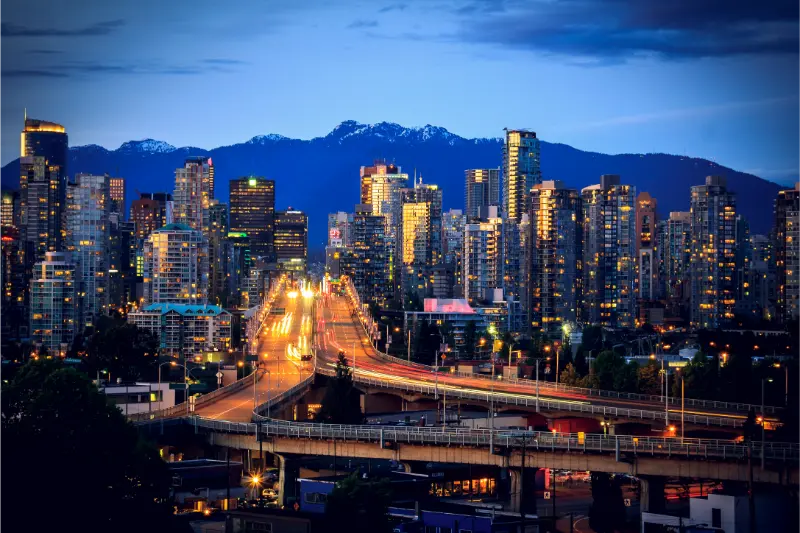
Hong Kong becomes a much richer destination when the skyline is only one part of the trip.
Six days with one hotel can contain ferries, food, neighbourhoods, beaches and hiking without the logistical cost of changing bases.