Singapore is compact but not small in experience. A first-time visitor can move from futuristic waterfront architecture to hawker centres, shophouse streets, rainforest-style gardens and beach recreation within the same trip. The danger is assuming that efficient transport means you should fill every hour. Heat, humidity and large attractions make some “short” days much longer than expected.
This four-day plan uses the MRT to keep logistics simple and alternates outdoor neighbourhood time with air-conditioned or shaded breaks. That makes it particularly adaptable for families, older travellers and anyone arriving after a long-haul flight.
Quick trip summary
- Four full days are enough for a strong first visit; add a fifth if theme parks or the zoo are major priorities.
- Use the MRT for most journeys and taxis/ride-hailing selectively when heat or mobility makes transfers inefficient.
- Schedule exposed outdoor walks for morning or evening when possible.
- Hawker centres are part of the trip, not merely cheap meal stops.
- Choose one major garden/zoo/Sentosa-style attraction per day rather than stacking them.
Who this itinerary is for — and who should change it
Singapore is an excellent first Asian city trip for travellers who like an easy-to-understand transport network and plenty of options for different ages. Four days give you time for Marina Bay, a few distinct neighbourhoods and the Gardens by the Bay without making every afternoon a forced march through the heat. It is especially pleasant if you enjoy food, architecture and short cultural visits, with indoor alternatives when you need a break.
Decide what kind of fourth day you want before adding more attractions to the plan. A family interested in wildlife may choose the Mandai area, while beach time or attractions on Sentosa suit another group. Others will be happier with Kampong Glam and Little India, where a relaxed walk and meal can make a satisfying day. Those choices pull you in different directions, so don’t try to fit them all into one afternoon.
Where to stay: location decisions that change the trip
For a short stay, choose accommodation with easy access to an MRT station and a comfortable route back after dinner. A room near Marina Bay looks tempting, but a practical base elsewhere can work just as well if the train connections suit your days. Consider whether your group will enjoy a longer walk in the heat between the station and hotel. That small detail can matter more than a glamorous view from the room.
| Base | Best use and trade-off |
|---|---|
| Marina Bay / City Hall | Excellent for a short first visit with straightforward transport and major sights nearby, but hotel prices can be high. |
| Bugis / Bras Basah | Central, well connected and useful for Kampong Glam, museums and food. |
| Chinatown | Atmospheric, convenient and rich in food choices; some hotels are compact, so compare room sizes. |
| Orchard / River Valley | Comfortable for shopping and central access, though less atmospheric for travellers who want heritage streets outside the door. |
A realistic day-by-day route
Day 1: Marina Bay after an easy arrival
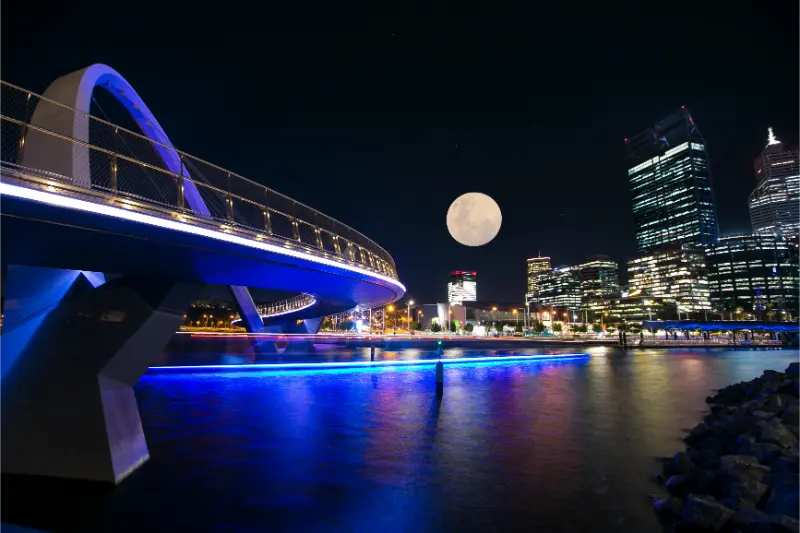
Use the first afternoon for the waterfront, Merlion area, Helix Bridge or a nearby indoor attraction according to the weather.
Do not cross the bay repeatedly in midday heat simply because everything looks close. Large buildings and road crossings extend walking time.
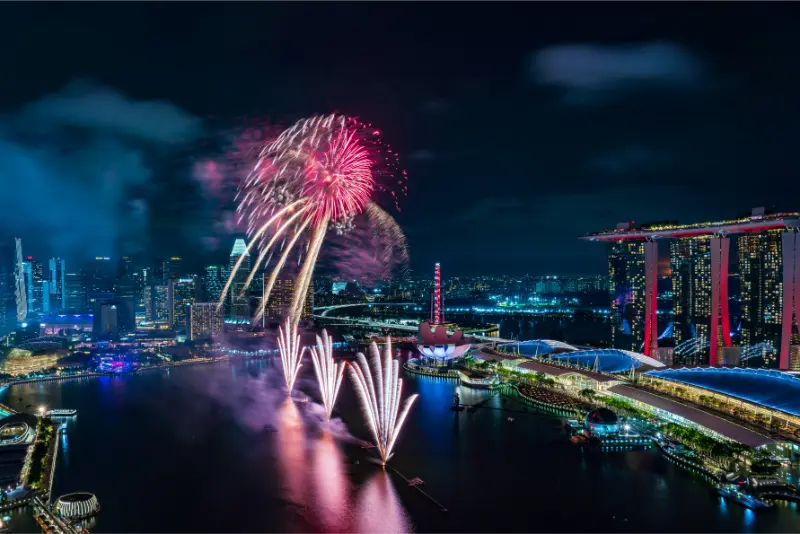
Return after sunset for the skyline if you still have energy; the same area feels different and the temperature is often easier.
Day 2: Chinatown plus Tiong Bahru or the civic district
Explore Chinatown in the morning, including temples, food streets and heritage architecture without reducing it to a photo stop.
Use midday for a museum, long lunch or hotel break, then choose one second neighbourhood.
A hawker-centre meal works best when each person tries different dishes rather than everyone queueing at the same famous stall.
Day 3: Gardens by the Bay and a slower afternoon
Give the gardens enough time. Conservatories, outdoor areas and walking between them can fill most of the day.
In strong heat, use indoor sections as planned recovery rather than treating air conditioning as wasted travel time.
Families can keep the evening near Marina Bay; older travellers may prefer a taxi back after a long garden day instead of another interchange.
Day 4: choose your Singapore
Pick the day that matches your interests: Singapore Zoo/Mandai, Sentosa, Kampong Glam and Little India, or a more local food-and-neighbourhood day.
Do not try to combine the zoo and Sentosa merely because both are famous; they sit in different directions and each can absorb hours.
If your flight is late, store luggage and stay within a straightforward airport route.
If the previous day has been tiring, make the last morning or afternoon lighter rather than trying to squeeze in both the zoo and Sentosa. You might prefer a neighbourhood breakfast, some time in an air-conditioned museum or a final stroll by the waterfront. Leave enough space to collect your luggage and travel to Changi. Singapore has excellent transport, but international departures still deserve proper margin.
Transport reality: what the map does not show
Singapore’s MRT and bus network make car rental unnecessary for almost all visitors. Contactless payment options and tourist products can simplify fares, but check current Land Transport Authority information before travel. Changi Airport is well connected, yet a taxi can be a sensible choice after a long flight or with several suitcases. Stations are generally efficient, but a route with multiple interchanges can still be tiring for a stroller or limited mobility, so compare a direct taxi for short cross-city links.
The MRT makes getting around Singapore straightforward, yet the walk between platforms, station exits and attractions can be longer than you expect. Gardens by the Bay is a good example: moving through its outdoor areas and conservatories takes real time. Plan by neighbourhood and check the route from the correct station exit. For more help separating transit time from sightseeing, Our guide to building realistic itineraries offers a useful planning approach.
Food strategy: eat well without making meals another timetable
Food planning can be both inexpensive and adventurous because hawker centres place many cuisines in one location. Choose centres that fit the day’s geography rather than crossing the city for every famous stall. Busy lunch periods can mean queues, so families and older travellers may prefer slightly earlier meals. Carry tissues and water, and learn the local table-reservation custom before assuming an apparently empty seat is free. Dietary needs are manageable, but ask clearly about ingredients.
Singapore’s food centres are part of the experience, not simply somewhere to grab a quick bite. Try a hawker centre near the area you’re exploring, whether that is Chinatown, Tiong Bahru or another neighbourhood. Popular stalls may have queues and peak periods can be busy, so keep the meal flexible if someone is tired. Take a little time to learn the local ordering and table-sharing customs; eating becomes easier and more enjoyable.
When to go and how weather changes the route
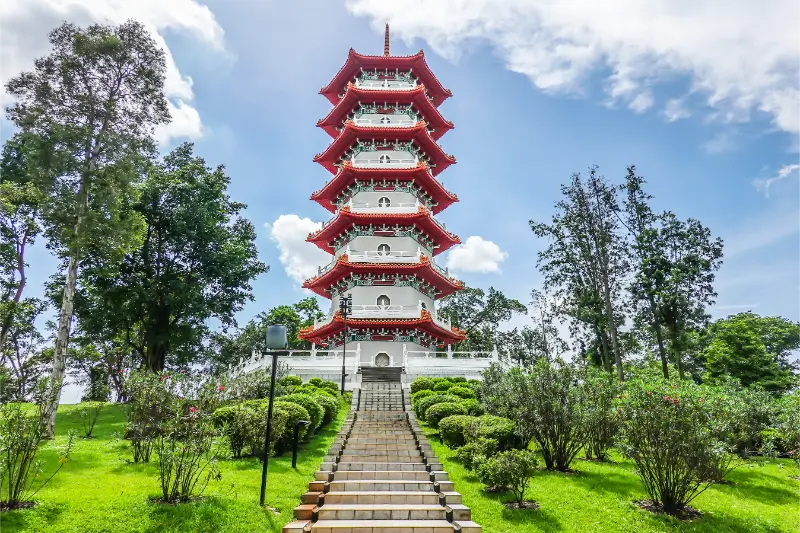
Singapore is warm and humid year-round, with rain possible in every month. The key seasonal planning issue is not finding a cool season but managing heat, downpours and indoor-outdoor transitions. Lightweight clothing, hydration and an umbrella matter. Thunderstorms can be intense yet short, so a museum or café break often works better than abandoning the day.
Heat and humidity affect the pace of a Singapore trip more than the calendar suggests. Plan outdoor waterfront walks for more comfortable hours when possible, and use a museum or conservatory as a natural pause during the day. Rain showers may interrupt a walk without ruining the whole afternoon. A light waterproof layer and the ability to change your order of visits are more useful than a perfectly fixed hourly timetable.
Budget: where spending improves the trip
Accommodation is usually the largest cost, while public transport and hawker meals can keep daily spending controlled. Paying more for a central MRT-connected hotel may be worthwhile on a four-day trip because it reduces transfer friction. Major attractions can add up, so decide whether zoo, observation decks, conservatories or theme parks are your true priorities. Free waterfront walks and neighbourhoods balance the budget well.
Singapore can become expensive if you stack ticketed attractions into every day. Decide which experience you care about most — perhaps a Gardens by the Bay conservatory, a wildlife visit or an activity on Sentosa — and let the rest of the itinerary draw on parks, neighbourhoods and food centres. A well-connected hotel can also save repeated taxi fares. Spend on the things you will actually enjoy, not on the assumption that a famous attraction is compulsory.
Common mistakes to avoid
- Assuming efficient transport means heat and walking no longer matter.
- Scheduling Gardens by the Bay, the zoo and Sentosa on consecutive overloaded days.
- Crossing the city solely for a famous food stall when excellent alternatives exist nearby.
- Choosing the cheapest hotel without checking room size and MRT walking distance.
- Spending all four days in malls and headline attractions without exploring heritage neighbourhoods.
A common mistake is to believe that places close together on the map will feel close in midday humidity. Crossing Marina Bay several times, then visiting Chinatown and a distant evening attraction can leave everyone exhausted. Group the day sensibly and give indoor visits their own time. It’s also worth checking which attractions have timed admission; arriving after an ambitious detour can be frustrating when a slot has already passed.
Families, older travellers and mixed-age groups
Singapore is one of the easiest major Asian cities for mixed-age travel because transport is orderly and many attractions have strong facilities. Families can use playgrounds, gardens and the zoo as large anchors. Older travellers benefit from extensive air-conditioned spaces and taxis when heat becomes tiring. Still, ask hotels about shower access, room size and step-free routes rather than assuming every central property is equally convenient.
Families often do best with one substantial outing and enough free time for a playground, pool or simple meal. Older travellers may prefer shaded walks and indoor galleries to long outdoor stretches at midday. At the Gardens by the Bay, allow different people to explore at a comfortable pace and meet at an agreed spot. Singapore offers so much variety that nobody needs to endure every attraction simply to stay with the group.
If you have more or less time
With five or six days, add the Mandai wildlife parks, Sentosa or a deeper food/neighbourhood day without sacrificing rest. With only two or three days, prioritize Marina Bay, one heritage area and either the gardens or your favourite major attraction. Singapore is a place where a compact itinerary works only when you resist the urge to exploit that efficiency every hour.
With only two or three days, concentrate on Marina Bay, the gardens and one neighbourhood, then choose a single additional activity. If you can stay longer, enjoy the contrast of places such as Kampong Glam, Tiong Bahru and the southern coast instead of cramming more into existing days. The extra time works best when it creates room for everyday Singapore, not only for another queue or ticketed attraction.
Useful official resources
For Gardens by the Bay, Mandai attractions and any timed-entry experience you have chosen, check the official visitor details for your dates. Look up MRT routes and the correct station exits for the day, especially if you are travelling with a pushchair or someone who needs lifts. A little practical checking leaves more room for the part of Singapore you most want to enjoy: its neighbourhoods and food.
Final planning checklist
- Confirm passport, visa and transit requirements for your own nationality and route.
- Book the genuinely scarce ticket or transport segment before non-refundable secondary activities.
- Check the exact luggage journey from one accommodation to the next, not only the main train, road or ferry time.
- Save offline copies of reservations, insurance details and the address of each accommodation.
- Recheck weather, transport notices and official access information shortly before each important day.
- Keep one flexible half-day that can absorb rain, fatigue or a delayed transfer.
- Choose footwear and clothing for the real surfaces and climate, not only for photographs.
- Leave a generous buffer before international flights and other connections you cannot easily replace.
As you finish planning, picture each day in the actual heat: how far will you walk, where can you sit down, and what will you do if rain arrives? Keep one favourite experience for each day and make the rest adjustable. Singapore is particularly rewarding when you can linger over a meal, explore a side street or enjoy the skyline without worrying that you’re late for the next stop.