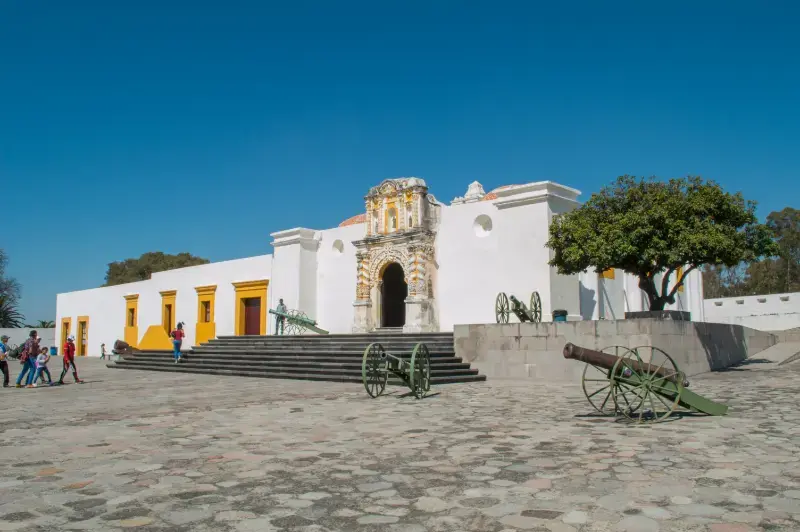
Loreto feels a long way from the busiest resort corridors of Mexico’s Baja California peninsula. Mountains rise behind a historic town while the Gulf of California opens toward islands, marine wildlife, and striking desert seascapes. The destination is appealing to families, couples, independent travelers, and visitors who prefer a small-town base over nightlife, but it requires choices. Island excursions are weather-dependent, the water is a protected environment, and driving times across Baja can be longer than expected. This guide focuses on Loreto’s history, beaches, responsible wildlife viewing, where to stay, and how to organize a trip that does not become a string of expensive boat tours.
At a glance
| Destination | Loreto, Baja California Sur, Mexico |
|---|---|
| Suggested stay | 3–4 days |
| Especially good for | Marine wildlife, desert landscapes and a calm historic town |
In this guide
- Get oriented between the town, mountains, and islands
- Visit the mission and understand its historical context
- Walk the historic center and waterfront
- Loreto Bay National Marine Park: what protection means
- Choosing an island day trip
- Whale watching with realistic expectations
- Beaches, snorkeling, and swimming safety
- San Javier and the mountain backdrop
- Arriving in Loreto and getting around
- Where to stay: downtown, waterfront, or outside town
- A three-day itinerary with one sea excursion
- Families, seniors, and travelers who do not swim
- Food, budgeting, and supporting local businesses
- Weather, seasons, and flexible booking
- Safety, conservation, and thoughtful travel
- Frequently asked questions
Get oriented between the town, mountains, and islands
Loreto sits on the Gulf of California side of Baja California Sur, with the Sierra de la Giganta behind it. The town’s compact central streets, mission history, and waterfront are close together, while many of the best marine experiences require a boat. This geography should guide your accommodation choice. A hotel in the historic center makes it easy to walk to meals and stroll in the evening; an outlying beachfront resort may offer a spacious setting but requires transport for markets, cafés, and local life. Boats reach different islands and bays depending on operator and conditions. Do not assume the scenery visible across the water can be accessed independently by driving to a nearby beach.
Visit the mission and understand its historical context
The Misión de Nuestra Señora de Loreto is closely connected to the early Jesuit mission system in the Californias. Its architecture and museum setting are key historic landmarks, but the story should be told with an understanding of the Indigenous communities who lived on the peninsula before and during colonization. Mission history includes cultural changes, disease, displacement, and unequal power, not only stone buildings and old routes. Read interpretation critically and look for material on Cochimí and other local histories. Access to the mission church or museum may vary with religious services and opening hours. Visitors should dress and behave respectfully and avoid assuming that every historic building is a public photography venue.
Walk the historic center and waterfront
Loreto is easy to enjoy without a packed agenda. Walk the central streets, look for a shaded place to drink something cold, visit small shops, and head toward the malecón for views across the bay. The waterfront is pleasant in cooler parts of the day, although wind and sun can be intense. Choose locally made goods where available and ask sellers about materials rather than assuming every object is a regional craft. If you are traveling with children, short walks followed by a meal work better than insisting on hours of sightseeing under the midday sun. Keep the town’s ordinary rhythm in mind: shops and restaurants do not all run on resort timetables, and closing hours may change seasonally.
Loreto Bay National Marine Park: what protection means
The surrounding marine park is the reason many travelers come, but protected status means there are rules designed to safeguard habitats and wildlife. Boat operators should know where landing, snorkeling, fishing, and wildlife approaches are permitted. Ask whether required park fees or permits are included, how waste is handled, and what happens if sea conditions change. A good tour does not promise that animals will appear on command or guarantee an up-close encounter. The Gulf of California supports a remarkable marine ecosystem, and visitor decisions affect it. Avoid touching coral or animals, do not collect shells from protected areas where prohibited, and use reef-conscious behavior in the water.
Choosing an island day trip
Different excursions emphasize scenic beaches, snorkeling, wildlife observation, or a mix of short landings. The right choice depends on the season, sea conditions, swimming ability, and how long your group can spend in a boat. Before paying, ask for the expected travel time, number of stops, shade on board, bathroom availability, life jackets in appropriate sizes, and cancellation policy. Families with young children may prefer a shorter route with fewer transfers. People prone to motion sickness should plan ahead and check the forecast, not only the advertised departure time. Choose a licensed operator who can explain park restrictions and does not encourage passengers to chase animals or land on beaches marked as off-limits.
Whale watching with realistic expectations
Whales can be part of the region’s seasonal appeal, and the Baja California Sur tourism authorities highlight marine mammal viewing as one of Loreto’s experiences. Species, sightings, and trip availability depend on time of year and nature. Avoid selecting dates based on a promise of guaranteed blue whales or other species. Wildlife excursions should maintain appropriate distance and follow Mexican regulations and protected-area guidance. Bring binoculars, patience, and a secure strap for a camera rather than seeking a boat that advertises the closest possible approach. Some people discover that watching the open sea and learning from a knowledgeable guide is satisfying even on a day with few sightings. Responsible travel leaves wildlife to behave naturally.
Beaches, snorkeling, and swimming safety
Not every beach near Loreto has the same entry conditions. Some stretches are rocky, some require a boat, and others are easier for families to access. Water temperature, clarity, and wind change throughout the year. If snorkeling, choose an area recommended for your ability, wear a properly fitted flotation aid if needed, and avoid touching the seabed or marine life. Children require direct supervision, even where the bay looks calm. Ask locals about currents and boat traffic before entering the water. Good sun protection matters on land and at sea; shade is often scarce. A beach day can also mean reading by the water and enjoying the scenery without swimming.
San Javier and the mountain backdrop
A trip toward the historic Misión de San Javier introduces a very different side of the region: dramatic desert mountains, rugged landscapes, and a mission settlement away from the bay. Road conditions and travel times vary, so do not treat it as a short walk or spontaneous late-afternoon detour. If you are self-driving, check the route, vehicle suitability, fuel, and weather; avoid remote driving after dark. A guided excursion can simplify logistics and provide context on landscape, settlement, and mission history. Take water and allow time for an unhurried return. Adding this day helps balance a Loreto itinerary centered on marine tours, particularly for travelers who prefer cultural stops to snorkeling.
Arriving in Loreto and getting around
Loreto has an airport serving selected routes, but flight availability and connections change with season and airline schedules. Some travelers arrive by car along the Baja California peninsula. The driving route is scenic but remote in places, and realistic planning requires fuel stops, daylight travel, and awareness of road conditions. Do not assume a major city elsewhere in Baja is close just because it is on the same peninsula. Once in central Loreto, walking is useful for restaurants and waterfront stops. A car becomes more valuable for outlying beaches or the mountain excursion. Agree on taxi fares or transfer details before departure and confirm whether your hotel offers airport pickup.
Where to stay: downtown, waterfront, or outside town
A downtown hotel gives flexibility: coffee and dinner without driving, easy browsing, and short walks to tour meeting points. A beachfront hotel may offer more space and a quieter setting but can be isolated if you do not have a rental car. Check whether the advertised ‘beach access’ means safe, swimmable water or simply a view of the shore. Families should ask about connecting rooms, shade, pool fencing, and whether a child-sized life jacket is provided on boat tours booked through the property. Senior travelers and wheelchair users should confirm step-free room access, bathrooms, and transport rather than depending on general resort descriptions. Small hotels can be welcoming without offering the same facilities as larger chains.
A three-day itinerary with one sea excursion
On day one, settle into Loreto, explore the mission and old center, and walk along the waterfront near sunset. Day two is for a carefully chosen marine-park excursion, weather permitting, with a quiet dinner afterward. On day three, visit San Javier with suitable transport or enjoy a relaxed beach and town day. This balance keeps the trip from depending entirely on boat conditions. If wind cancels the excursion, swap the days without losing the holiday. Travelers who want multiple islands or specialized wildlife trips should add nights rather than squeezing activities into a single packed afternoon. Leave room to enjoy a café or conversation instead of paying for every available tour.
Families, seniors, and travelers who do not swim
Loreto can suit mixed-age groups because it offers history, food, scenery, and marine experiences at different intensity levels. Non-swimmers can enjoy some boat tours if the operator provides a safe seated experience and proper life jackets, though rough seas may still be uncomfortable. Ask in detail before booking. Parents should verify minimum ages, supervision expectations, and shade for young children. Older travelers may prefer gentle town walks and shorter boat routes rather than long sun-exposed outings. Those with mobility limitations need specific information about boarding boats, climbing docks, and beach landings. Access to the historic center may be simpler than access to remote natural sites, so choose a trip that matches the group’s practical needs.
Food, budgeting, and supporting local businesses
Seafood is prominent in the region, alongside tacos, soups, and other Mexican staples. Choose food establishments based on current menus and hygiene practices, and confirm allergy concerns rather than expecting every kitchen to offer substitutions. Boat trips are likely to be a substantial part of the budget; compare what is included, not only the headline price. Park fees, food, equipment, and transport can differ between operators. Carry some Mexican pesos for smaller purchases, while checking card acceptance beforehand. Independent restaurants, local guides, and regional producers provide ways to spend money beyond large tour companies. A relaxed day of walking and dining can be memorable without an expensive excursion.
Weather, seasons, and flexible booking
The desert environment has hot periods, cooler evenings in some seasons, and marine conditions that can change unexpectedly. Outdoor comfort depends on both temperature and wind. Wildlife watching is seasonal, so confirm the specific experience you want before deciding when to travel. If you are planning around whale activity, consult reputable local operators and official seasonal guidance; sightings are never guaranteed. Summer sun can make the middle of the day uncomfortable, while winter boat rides may call for warmer layers. Leave a weather buffer when possible, particularly if marine tours are the main reason for your visit. Travel insurance should be reviewed for water activities and any restrictions applicable to your bookings.
Safety, conservation, and thoughtful travel
Follow current official travel advice for Baja California Sur, use reputable transport, and avoid isolated driving at night. Carry water and a communication plan for mountain outings. On the sea, insist on a working life jacket and cancel if safety conditions do not meet expectations. Do not encourage feeding, handling, or pursuing wildlife. Respect the communities and cultural history of the peninsula, including Indigenous perspectives often overlooked in simple mission narratives. Use designated waste facilities and minimize plastics on boat trips. Loreto is at its best when visitors appreciate how the desert, historic town, and protected sea interact rather than treating each island as a place to conquer in one day.
Frequently asked questions
Can I enjoy Loreto without swimming? Yes. The mission, waterfront, local restaurants, mountain scenery, and some sightseeing boat trips offer alternatives. Confirm sea conditions and boarding requirements.
Do I need a rental car? Not for central Loreto, but it helps with San Javier and outlying beaches. Guided transfers are another option.
Are whale sightings guaranteed? No. They depend on species, season, weather, and animal behavior. Choose responsible operators.
How long should I stay? Three or four nights allow one marine excursion, town time, and flexibility if the wind disrupts plans.
More travel ideas on Travel is Wonderful
Continue planning with these related guides, already published on Travel is Wonderful.
- Baja California Sur in 10 Days: La Paz, Todos Santos and Los Cabos Without Driving the Peninsula
- Mexico in 10 Days: Mexico City and Oaxaca Without Trying to See the Whole Country
- Puebla in 4 Days: Historic Centre, Talavera and Food Without Making It Only a Mexico City Day Trip
Official visitor information and map
Confirm schedules, access rules, and travel conditions with these official sources before departure. Opening hours, permits, and services can change.
Explore Loreto, Baja California Sur, Mexico on Google Maps ↗