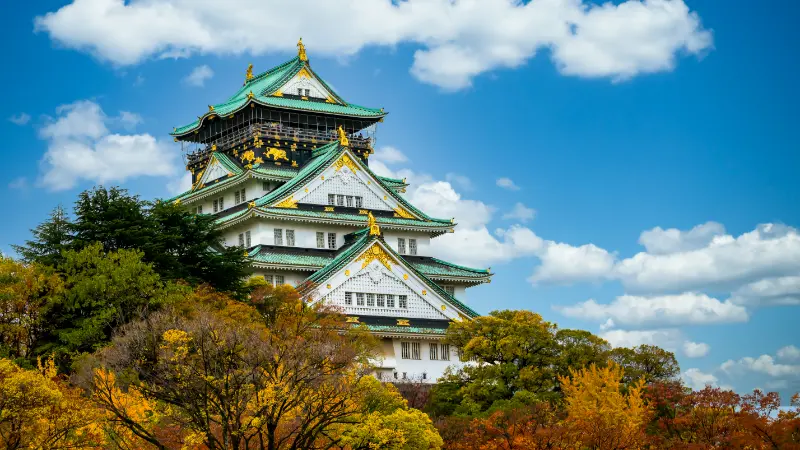
Osaka deserves a trip built around geography and real travel time rather than a checklist. Osaka is often reduced to one evening of food between Kyoto and another city, but it becomes much more rewarding when you give its neighbourhoods, riverfronts and different urban centres time to develop. Four days is enough for Namba, the castle area, Umeda and one flexible outer-city or day-trip block without repeating long rail journeys.
If this destination is part of a longer journey, compare the pacing with Japan Beyond Tokyo in 10 Days: Kyoto, Nara, Hiroshima and Osaka Without Constant Packing. The useful question is not how many famous names fit on the map, but how much usable holiday time remains after transfers, check-in, meals, weather and rest.
Quick trip summary
- Recommended time: 4 days.
- Best planning principle: group each day by geography and protect only the reservations that control access.
- Best for: independent travellers, couples, families and slower-paced visitors who prefer a realistic rhythm.
- Keep flexible: at least one half-day or one major activity that can move with weather, traffic or energy.
- Book first: the accommodation location, scarce transport and any permit, timed entry or signature experience that shapes the rest of the trip.
Is Osaka the right trip for you?
Osaka works well for travellers who enjoy food, urban energy, shopping, casual nightlife and efficient public transport. Families can build around aquariums, parks and observation decks, while slower-paced visitors benefit from elevators and dense rail coverage. The city is less about one monumental list and more about contrasting districts.
The practical test is simple: decide what would make you disappointed if you missed it, then build the trip around that one or two priorities. Everything else should earn its place by fitting the same area of the day. This is especially important when travelling with children, older relatives or anyone who enjoys a slower pace.
Where to stay: choose location before hotel style
| Base | Why choose it |
|---|---|
| Namba / Shinsaibashi | Best for food, nightlife and first-time atmosphere with strong transport connections. |
| Umeda / Osaka Station | Best for regional rail, department stores and day trips to Kyoto, Kobe or Himeji. |
| Tennoji | Best for a slightly calmer base with good transport and access to southern districts. |
A more attractive room is not always a better travel decision. Before booking, map the first activity of the morning, the likely dinner area and the departure route. If the hotel adds two unnecessary transfers every day, the hidden cost is time as well as money.
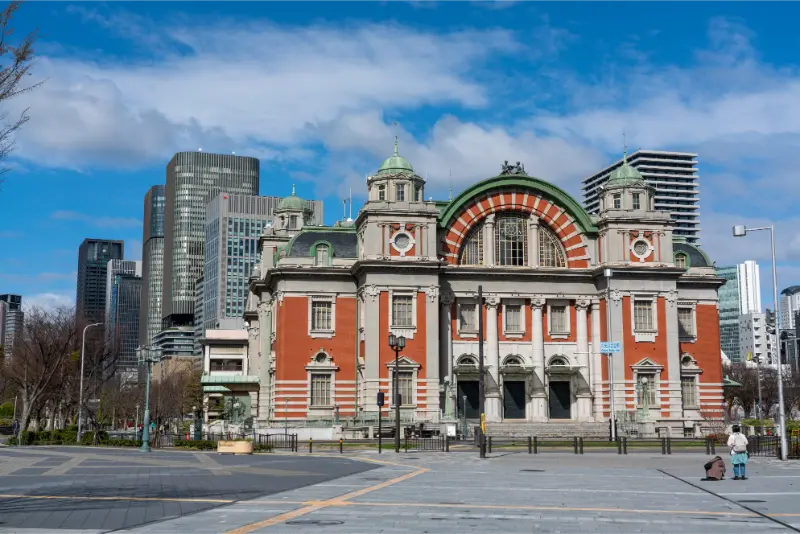
A realistic 4-day itinerary
Day 1: Namba, Dotonbori and Shinsaibashi
Start with the southern centre, markets and canal area, but do not spend the entire day under neon signs. Add Hozenji, side streets and a slower meal, then return after dark when the district changes character.
Day 2: Osaka Castle, riverside and central districts
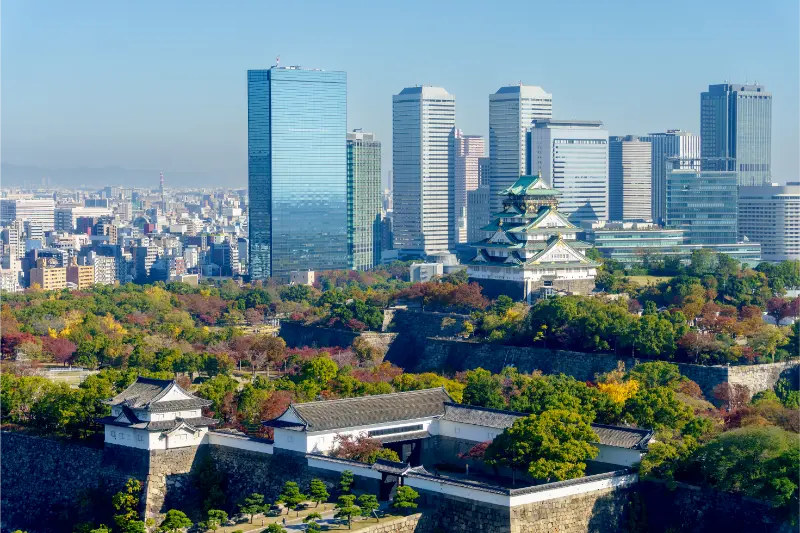
Visit the castle park and decide whether the interior is important to you, then continue through nearby riverside or museum areas. Finish in a different central district instead of returning immediately to Namba.
Day 3: Umeda, north Osaka and city views
Explore Osaka Station City, Umeda and one observation deck or cultural site. The northern centre has a different rhythm from Namba and deserves its own half-day or more.
Day 4: bay area, Shinsekai or one regional day trip
Choose based on interests: aquarium and bay area, Shinsekai and Tennoji, or one simple excursion such as Kobe. If Kyoto is already part of your wider trip, resist using Osaka days to commute back there repeatedly.
How to move around without wasting the day
Osaka has several rail and metro operators, so route apps are extremely useful. Choose the fastest practical route rather than insisting on one pass or one company. Walking inside large stations can add significant time, so allow extra minutes for platform changes and exits.
Do not judge a journey only by kilometres. A short distance can include traffic, security, parking, boat boarding, luggage handling or a long final walk. For every important transfer, think in door-to-door time and keep a margin before anything expensive or difficult to replace.
Best time to visit
Spring and autumn are comfortable for walking, summer is hot and humid, and winter is cool but generally manageable. Rainy periods are easy to adapt because Osaka has extensive indoor shopping, stations and food areas. In peak blossom or holiday periods, expect heavier demand.
Seasonal advice should guide the style of the trip, not become a promise. Climate averages cannot tell you the exact conditions on your dates. Check the local forecast and any official closure, transport or safety notice again shortly before each weather-sensitive day.
What to book first
Reserve the hotel first and any high-demand themed attraction, observation experience or restaurant that truly requires it. Most ordinary food exploration should remain spontaneous. If using Osaka as a regional base, book only the day trips that have a real capacity or timing constraint.
After those anchors are secure, leave ordinary meals, short walks and secondary sights open. A timetable with every hour reserved is fragile: one delay turns the rest of the day into a sequence of apologies and missed slots.
Food strategy: eat well without scheduling every meal
Osaka is a place to eat often but not necessarily formally. Build the day around neighbourhoods with multiple choices and share smaller dishes when possible. Avoid spending an hour crossing the city for one famous stall when excellent alternatives exist in the district you are already visiting.
For a multi-age group, a reliable breakfast and an easy lunch often matter more than one additional attraction. Keep water accessible, avoid waiting until everyone is exhausted to look for food and use meal stops as genuine rest rather than another item to complete quickly.
Travelling with children
Aquariums, trains, observation decks, parks and casual food make Osaka easy for children. Big stations can be overwhelming, so keep meeting points clear and avoid excessive transfers with tired children. Use department-store food floors for simple meal options when everyone wants something different.
Children do not need a simplified version of every adult attraction. They usually need a different rhythm: movement, shade, snacks, toilets and periods when nobody is asking them to pay attention. Protect those needs and the whole group usually sees more, not less.
Travelling at a slower pace or as a senior
Stay near a major station with lifts and direct lines, and use rail to reduce unnecessary walking. Stations themselves are large, so a hotel described as five minutes from a station may still involve long internal walking. Schedule one major district per half-day.
When mobility or stamina is limited, reduce transitions before reducing experiences. One well-located base, a direct transfer and a shorter route often preserve the most memorable parts of a trip far better than trying to keep the original schedule with longer rest stops.
Budget: where the money really goes
Transport is efficient but multiple short journeys can accumulate. Compare individual fares with passes only after your route is known. Food can range from inexpensive casual meals to high-end dining, so the city is easy to adapt to different budgets without sacrificing local character.
Track the total cost of each planning choice. A lower hotel rate can be false economy after taxis, parking or long transfers, while a more expensive excursion may be reasonable if it replaces a rental car, guide and separate admission fees. Compare complete days rather than isolated prices.
Weather fallback plan
Rain is rarely a reason to lose a day because stations, arcades, malls and museums provide strong indoor alternatives. In summer, move between air-conditioned stops and protect the middle of the day from long exposed walks.
The useful fallback is not a list of random indoor attractions. It is one realistic substitute that fits the same area or preserves the next day. Keep at least one activity movable so a poor forecast does not force you to choose between losing money and doing something unsafe.
Connectivity, cash and small practical details
Use a transport card or mobile option where compatible, keep cash for smaller venues and save the Japanese name or map pin of your hotel. Large station complexes have multiple exits, so follow the exit number rather than only the station name.
Save hotel addresses, tickets, permits, insurance details and the next transfer outside your email app. Offline access matters most precisely when the network is weak, your battery is low or you are trying to solve a delay.
What to pack
Comfortable walking shoes, a small umbrella, breathable clothing in warm months and a light layer in winter are enough for most city days. Leave luggage compact if travelling onward by train.
A small day bag should hold water, medication, sun or rain protection and the layer you are most likely to need. The goal is not to carry everything; it is to avoid having the useful items locked in a suitcase or parked car when conditions change.
Common mistakes to avoid
- Treating Osaka as only a dinner stop from Kyoto.
- Crossing the city for one viral food stall.
- Underestimating walking time inside Umeda and Namba stations.
- Buying an expensive transport pass without checking the actual journeys.
- Scheduling several distant day trips and never seeing Osaka beyond the station areas.
Responsible travel and local etiquette
Queue neatly, keep station pathways clear and follow local rules for eating and waste. In residential streets, avoid loud late-night behaviour and treat small food businesses as working spaces rather than photo sets.
The best rule is to treat the destination as a real place rather than a stage built for visitors. Follow staff and ranger instructions, respect residential space and protected environments, and spend with businesses that add genuine local value instead of rewarding the most aggressive sales pitch.
If you have less or more time
With two days, focus on Namba and one castle/Umeda day. Three days adds Tennoji, Shinsekai or the bay area. With five days, add one regional excursion while keeping at least three full days for Osaka itself.
Extra days are most useful when they reduce pressure. Before adding another distant stop, ask whether the trip improves more by sleeping in the same place, repeating a favourite beach or neighbourhood, waiting for better weather or enjoying a late breakfast without watching the clock.
How to choose between similar experiences
Choose Kobe for an easy urban-and-harbour excursion, Himeji for a major historic castle, and the Osaka bay area for a low-logistics family day. If Kyoto is already on the main itinerary, another Osaka neighbourhood often adds more variety than a repeat commute.
When two options offer a similar experience, choose the one that fits the geography and energy of the day. The extra hour of transfer rarely creates an extra hour of enjoyment, especially in heat, traffic, rough water or at altitude.
Safety and decision-making on the day
Osaka is straightforward for most visitors, but crowded stations, nightlife districts and bicycle traffic deserve normal awareness. The bigger practical risk is missing a train or getting separated in large stations, so establish clear meeting points.
Local warnings, ranger instructions and transport operators have more value than an itinerary written months earlier. Set a practical turnaround time for hikes, drives and water days, and change the plan when conditions deteriorate rather than trying to complete the original checklist.
Useful official and planning resources
Opening hours, protected-area rules, transport schedules, fees and visitor procedures change more often than the landscape. Recheck the source below shortly before departure.
Final planning checklist
- Confirm passport, visa, transit and health requirements for your nationality.
- Reserve the transport, permit or timed entry that controls the rest of the itinerary.
- Check how luggage moves between airport, road transfer, ferry, train or accommodation.
- Download offline maps and save key tickets outside your email app.
- Recheck weather, sea, road, trail or park notices before each critical day.
- Keep at least one half-day that can absorb a delay or become simple rest.
- Leave a generous buffer before international flights and other costly connections.
A good trip to Osaka should feel like you understood the place, not merely that you passed through it. Keep the transport anchors fixed, leave room for conditions to change, and remove anything that does not fit your interests, mobility or energy. The result is usually more enjoyable than the most ambitious version of the same route.