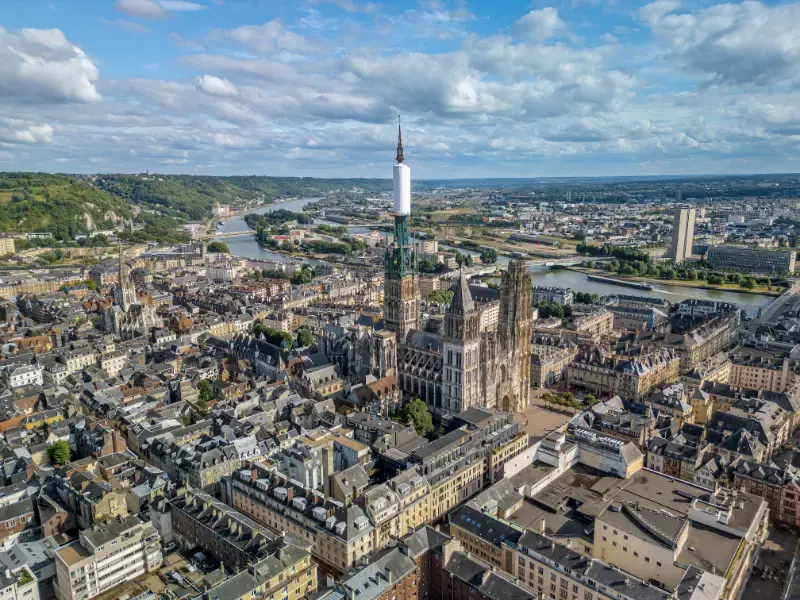
Strasbourg deserves to be planned as a destination in its own right. 4 days give a first-time visitor enough room for the headline sights, local neighbourhoods, food and one flexible block without turning every morning into a race.
If Strasbourg is part of a wider trip, compare the pace with Alsace in 7 Days: Strasbourg, Colmar and the Wine Route Without Driving Every Day. This guide adds local depth rather than repeating the broader route.
Quick trip summary
- Ideal stay: 4 days for a first visit.
- Best planning rule: group each day geographically and keep one flexible half-day.
- Best for: first-time visitors, couples, solo travellers, families, older travellers and mixed-age groups.
- Main risk: adding too many cross-city transfers or day trips and losing the destination itself.
Why 4 days works
Strasbourg works both as a historic city break and as a base for Alsace, but the city loses something when every morning begins with a train or wine-route excursion. Four days let you experience the cathedral and Petite France at different times of day, explore the European and residential districts, and still add one carefully chosen regional outing.
The most useful itinerary is not the one with the longest attraction list. It is the one that reduces backtracking, protects the one or two experiences that need a reservation or good weather, and still leaves room for meals, queues, rest and small discoveries. This matters for everyone, but especially for children, older travellers and anyone who prefers to finish a holiday with energy left.
Use the schedule below as a framework rather than a contract. If a museum is closed, weather changes or one neighbourhood turns out to be more interesting than expected, move the flexible block instead of compressing the rest of the trip.
Where to stay
| Area | Who it suits |
|---|---|
| Grande Île | Best for a first visit, especially if cathedral access, evening walks and a car-free stay matter most. |
| Krutenau | A lively but more local-feeling base near the centre with restaurants, university energy and easy walking access. |
| European Quarter / Orangerie | Quieter and greener, useful for travellers interested in European institutions or families who want more open space. |
For a first visit, choose the area that shortens the journeys you will make most often, not the hotel with the largest room far from the places you care about. A central or strategically connected base is especially valuable when you want an early start, a midday rest or an easy evening after a long sightseeing day.
Before booking, open the route to your first two mornings and last two evenings. Check hills, bridges, station exits, walking surfaces and late-night transport. The right district is the one that makes your actual trip easier, not the neighbourhood that appears first in a generic hotel search.
Getting there and getting around
Strasbourg’s main station has fast rail links to Paris and strong regional connections across Alsace. The tram network is dense and the official tourism office highlights walking, cycling, buses and trams as the easiest ways to move around. A car is unnecessary for the city itself and can create parking stress; rent one only if your wider Alsace plan genuinely requires it.
Before paying for any city pass or transport bundle, compare it with your actual itinerary. Many visitors buy unlimited transport and then discover that two days are mostly walkable. Conversely, families, travellers with limited mobility and people visiting in extreme heat can get excellent value from short taxi or ride-hailing trips even in cities with good public transport.
Always plan door to door. Add the walk from your hotel, station entrances, security checks, platform changes and the last kilometre at the destination. A “20-minute journey” on a map can become 45 minutes once the whole movement is counted.
Strasbourg day-by-day itinerary
Day 1: cathedral, Grande Île and evening light
Begin with the cathedral and surrounding lanes before the busiest part of the day, then circle through Place Gutenberg, historic squares and the river. Return to the cathedral quarter in the evening when day visitors thin out. Do not force Petite France into the same rushed morning.
Day 2: Petite France and city history
Explore Petite France slowly, including the covered bridges and river views, then choose a museum or boat experience for context. Keep the afternoon within the historic centre rather than adding Colmar simply because trains are available.
Day 3: European Quarter, Orangerie and Krutenau
Use the tram or a long walk to see the European institutions and Parc de l’Orangerie, then finish through Krutenau for cafés and dinner. This day shows Strasbourg as a living cross-border city rather than a preserved Alsatian stage set.
Day 4: one Alsace extension or a slow city day
Choose Colmar, a wine-route village cluster or another single regional focus. If you are already spending a full week in Alsace, keep the day in Strasbourg for markets, food and neighbourhood time. One good excursion is more rewarding than three villages observed through a car window.
If you arrive late on the first day or leave early on the last, remove the least important optional stop rather than squeezing two days into one. The itinerary is designed to lose a minor block without collapsing.
What is worth booking in advance
Book only the experiences that are genuinely scarce or that control the structure of the day: a limited-entry museum, a popular guided visit, a specific train, a boat with few departures or a restaurant that matters to you. Leave parks, markets, ordinary neighbourhood walks and lower-priority museums flexible.
If two reservations require opposite sides of the city, question the plan before confirming both. A timed ticket that saves a queue is useful; a timed ticket that forces three hours of unnecessary travel can make the day worse. Keep confirmations offline and note cancellation rules before paying.
Food strategy: make meals part of the route
Alsatian food is generous, so pace traditional meals. Try dishes such as tarte flambée, choucroute or regional pastries, but alternate them with lighter lunches and market food. Wine interests can be explored in the city before committing to a full route outside Strasbourg.
For mixed-age groups, alternate quick meals with at least one comfortable seated meal each day. Children and older travellers often enjoy markets more when there is a clear place to sit afterwards. Carry water and a small snack so that a delayed lunch does not force the whole group into the nearest tourist trap.
Do not create a second transport itinerary just for food. A famous restaurant can be worth a deliberate journey, but most meals should fit naturally near the neighbourhood you are already exploring. This keeps evenings relaxed and makes it easier to change plans when weather or energy shifts.
Best time to go
Spring and early autumn balance comfortable walking weather with manageable crowds. Summer brings long days and busy visitor periods. December is famous for Christmas markets but also requires early accommodation planning and tolerance for dense crowds in the core. Winter outside the festive period is quieter but darker and colder.
Shoulder seasons often produce the best balance between weather, prices and manageable crowds, but the exact trade-off depends on your priorities. Recheck weather, public holidays, local events and transport schedules shortly before travel because seasonal conditions can change the best order of days.
Families, older travellers and accessibility
Strasbourg can work well for different ages when the itinerary is simplified. Families should protect meal and toilet breaks instead of expecting children to follow an adult museum schedule. Older travellers should prioritise central accommodation, elevators where available and one major objective per half-day rather than several small stops spread across the city.
Accessibility varies by historic district, transport system and attraction. Cobblestones, stairs, steep streets, heat and long station corridors can be more important than the distance shown on a map. Check the official accessibility page of any essential attraction and contact the venue directly when a lift, step-free entrance or wheelchair reservation is critical.
Mixed-age trips improve when the group agrees in advance that splitting for one or two hours is acceptable. One person can take a demanding tower, trail or museum while another chooses a café, park or shorter visit. Reuniting for lunch is often better than forcing everyone through the same energy level.
A realistic budget
Accommodation is usually the largest variable. Build the budget around a well-located room, airport or station transfers, one or two paid attractions per day, food and a contingency margin. Do not assume that a cheap hotel far away is cheaper once repeated transport and lost time are included.
The best splurges are usually the ones that remove friction: a direct transfer after a long flight, a central hotel, a timed ticket that avoids a major queue, a guide where historical context genuinely changes the experience, or an extra night that removes a rushed transfer day.
Budget a small daily margin for the costs that do not appear in the headline trip price: lockers, water, local taxes, transit to the station, a taxi when somebody is tired, snacks, luggage storage and the coffee you buy because the weather changed. Those small items are normal travel costs, not planning failures.
Weather backup plan
Keep one indoor-heavy half-day movable. Museums, markets, covered shopping streets, cafés and long lunches are not consolation prizes; they are part of a resilient itinerary. If the forecast is excellent, use the best-weather window for viewpoints, parks, boats or outdoor heritage areas and move the indoor block to the weaker day.
For any boat, mountain, beach, exposed viewpoint or long walking day, check conditions the evening before and again in the morning. Do not let a ticket purchased weeks earlier push the group into unsafe or miserable conditions when the operator allows changes.
Common mistakes to avoid
- Treating Strasbourg only as the first station on an Alsace village checklist.
- Renting a car for central sightseeing.
- Visiting Petite France only at its busiest midday period.
- Trying to combine Strasbourg, Colmar and multiple wine villages in one day.
- Eating every traditional heavy dish in consecutive meals without leaving room for lighter options.
The recurring theme is simple: protect time. A short city break becomes exhausting when every gap is filled with another attraction, another transfer or another reservation. Leave enough space to notice the place between the landmarks.
Safety and practical habits
Use the same sensible habits you would use in any busy destination: keep valuables secure in crowded transport and markets, use licensed or well-reviewed transport, avoid displaying unnecessary cash, and confirm the route before accepting a long taxi ride. Save your hotel address offline and keep a backup payment method separate from your main wallet.
Health, entry and insurance requirements depend on nationality and personal circumstances. Check your own government’s travel advice, the destination’s immigration authority and your insurer before departure, especially when your itinerary includes remote areas, high heat, boat travel or outdoor activities.
Official information to check before you go
For current opening information, events, transport changes and visitor updates, use Visit Strasbourg. Before making fixed reservations, check current opening hours, ticket arrangements and transport rules with the official providers.
Final planning checklist
- Confirm passport, visa, entry and transit rules for your nationality.
- Choose accommodation for location first, then room size and facilities.
- Reserve only the attractions that genuinely sell out or control the order of the day.
- Save offline copies of tickets, hotel details and essential addresses.
- Check airport or railway-station names carefully before booking transfers.
- Keep one flexible half-day for weather, fatigue or something you discover after arrival.
- Recheck official opening hours and local transport shortly before each fixed day.
Final thoughts
Strasbourg is more rewarding when you stop treating time as empty space that needs to be filled. 4 days are enough to see the essential places, eat well, understand the city’s rhythm and still have room to change your mind. That balance is what turns an itinerary into a holiday.