Author: admin

  • Sukhothai in 4 Days: Historical Park, Temples and Si Satchanalai Without Rushing Thailand’s Ancient Capital

    Sukhothai in 4 Days: Historical Park, Temples and Si Satchanalai Without Rushing Thailand’s Ancient Capital

    If this stop is part of a wider trip, compare the pace with Northern Thailand in 9 Days: Chiang Mai and Chiang Rai Without Adding Too Many Mountain Stops. Use that article for the larger route and this guide for the practical details of staying in Sukhothai itself.

    Quick trip summary

    • Ideal stay: 4 days for a first visit.
    • Best approach: one major experience per half-day, with at least one flexible block for weather, fatigue or transport changes.
    • Good for: first-time visitors, couples, families, senior travellers and independent travellers who prefer a realistic pace.
    • Main planning risk: treating map distance as if transfers, queues, terrain, heat and meals took no time.

    Is this the right trip for you?

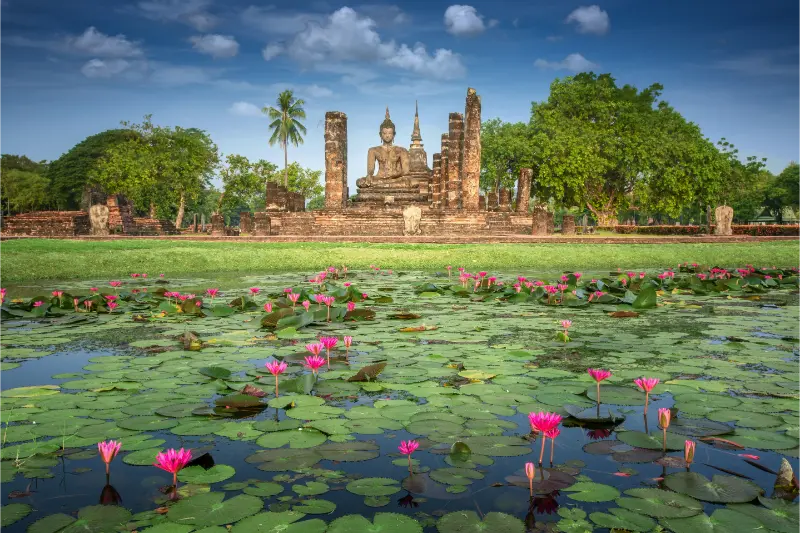
    Sukhothai is one of Thailand’s most rewarding historical destinations because the landscape is part of the experience. Temple ruins, ponds, trees and quiet roads spread across a broad archaeological area, making cycling and slow exploration more useful than a rushed list of monuments. Four days also gives you time for Si Satchanalai without turning the stay into constant road transfers.

    This destination works best for travellers who value a sense of place as much as a list of attractions. A realistic itinerary protects the experiences that justify the trip and leaves room for meals, transport and small discoveries. That matters even more when weather, terrain or seasonal transport can change the order of the day.

    Where to stay

    Area Why choose it
    Old Sukhothai / Historical Park Best for sunrise or early temple visits, cycling and a calm atmosphere after tour groups leave.
    New Sukhothai More local restaurants, services and transport links, but you need regular transfers to the park.
    Between old and new town Some resorts provide a quiet base with shuttle or taxi access; check distances carefully before booking.
    Si Satchanalai area Only sensible for travellers deliberately splitting the trip; most first-time visitors should stay around Sukhothai itself.

    Choose accommodation by the journeys you will repeat. Map the first morning, the area where you are likely to eat dinner and the departure point for any fixed excursion. A room that removes two awkward transfers every day can be better value than a cheaper property that creates constant taxi or transit costs.

    Before booking, read recent reviews specifically for noise, air-conditioning or heating, lift access, luggage handling and late check-in. These practical details often affect the trip more than decorative room features, especially in historic buildings, beach resorts or mountain towns.

    How to get there

    Sukhothai can be reached by domestic flight, long-distance bus or road transfer from northern and central Thailand. The airport is outside the main sightseeing area, and bus terminals are not beside the historical park. Arrange the first transfer in advance if arriving late.

    Save the accommodation address offline and screenshot the first transfer before travelling. Arrival day should carry less risk than the rest of the trip: avoid a non-refundable attraction immediately after a flight, long rail journey or road transfer, and leave extra time when baggage, immigration, weather or traffic can affect the first connection.

    Getting around

    Bicycles are ideal inside and around the main historical park for travellers comfortable in heat. Electric carts or local transport are better for some visitors, while outer temple zones require more distance. Between New Sukhothai and the historical park, use local transport, taxi or hotel transfer.

    Compare journeys door to door rather than station to station. Waiting time, stairs, the final walk and the number of transfers can matter more than the nominally fastest route, especially for families, senior travellers or anyone carrying luggage.

    A realistic itinerary

    The schedule below is a framework rather than a rigid timetable. Opening days, seasonal transport, weather and local events should determine the exact order. If a major attraction is closed or conditions are poor, move the whole block instead of forcing the rest of the trip to become inefficient.

    Day 1 – Central Historical Park

    Start early at the central zone with Wat Mahathat and nearby monuments. Move slowly, using a bicycle if comfortable, and take a long midday break. Return later for softer light rather than trying to cover every ruin before lunch.

    Day 2 – Northern and western temple zones

    Explore Wat Si Chum and other outer monuments, then choose a western-zone group according to heat and energy. Distances are larger and shade varies, so this day rewards a realistic pace more than a long checklist.

    Day 3 – New Sukhothai and local life

    Spend time in New Sukhothai for markets, food and a sense of the modern town, then return to one favourite historical area near sunset. This slower day helps prevent temple fatigue.

    Day 4 – Si Satchanalai

    Make a focused day trip to Si Satchanalai Historical Park if transport is arranged. The site is quieter and complements rather than duplicates Sukhothai. Leave enough daylight for the return.

    Keep enough margin for meals, transport and an unscheduled stop. If this block runs long, remove the lowest-priority extra rather than turning the rest of the day into a race.

    How many days do you really need?

    The itinerary above assumes a first visit with enough time to absorb the destination rather than simply photograph it. If you have one day less, remove the lowest-priority excursion and protect the core city experience. If you have one extra day, add a slower neighbourhood, a second nature block or a rest day instead of stretching every sightseeing day until evening.

    4 days is a strong first-trip length here because it gives the destination enough time for its essential sights and at least one slower or weather-flexible block. Travellers on a longer regional route can shorten the stay, but the cut should come from an excursion rather than compressing the core experience.

    Best time to visit

    The cooler dry season is easiest for cycling and long outdoor days. Hot months require very early starts and long midday breaks. Rain can make paths wet but also turns the landscape green; check local conditions rather than assuming every rainy-season day is unusable.

    Do not choose dates from average temperature alone. Check daylight, rainfall, local holidays, school breaks and the seasonal schedule of the one experience that matters most to you. Shoulder season is excellent only when the things you actually want to do are operating.

    What deserves advance booking?

    Accommodation near the historical park is worth booking early around major festivals, especially Loy Krathong. Most temple exploration stays flexible, but arrange long-distance transfers and Si Satchanalai transport in advance if your schedule is tight.

    Book the scarce item first, then build flexible sightseeing around it. A good trip does not need a reservation every two hours. Weather, transport delays, long lunches and simple fatigue are normal parts of travel, so leave at least one half-day that can move without causing a chain of missed bookings.

    Where and what to eat

    Try Sukhothai noodles and local market dishes, balancing street food with simple sit-down meals. The old-town tourist zone has convenient options, while New Sukhothai offers a wider local range. Carry water when cycling between temple groups.

    Do not make every meal a destination restaurant. A mix of one or two planned meals, cafés, markets and simple local places usually gives a better picture of how people actually eat. Keep dietary needs written in the local language if allergies or restrictions are important.

    Families, senior travellers and accessibility

    Older children often enjoy cycling and open temple grounds, but midday heat can quickly reduce attention. Senior travellers should consider electric transport, shaded breaks and hotels close to the park. Uneven surfaces and steps make some ruins only partially accessible.

    For mixed-age groups, plan around the slowest realistic pace. One major experience in the morning and one flexible block later usually works better than several timed entries. If step-free access, seating, toilets or lift availability are essential, confirm them directly with the attraction or hotel because historic districts and natural sites often provide only partial accessibility.

    Budget: where to spend and where to save

    The destination is good value compared with major Thai resort areas. Spend on comfortable local transport if heat or mobility makes cycling difficult, and on a well-located hotel that lets you visit the park early without a long transfer.

    Compare the total cost of a day, not only individual ticket prices. A hotel that removes repeated transfers, a driver that replaces three difficult connections or a flexible ticket that protects a weather-dependent plan may be better value than the cheapest option on paper.

    Safety and practical awareness

    Heat, dehydration, road awareness and uneven ruins are the main practical risks. Dress respectfully around sacred sites, avoid climbing restricted structures and use lights or reflective gear if cycling near dusk.

    Keep digital and offline copies of important booking details, use official or reputable transport and avoid carrying every card and document in one place. Before travel, check current government entry requirements and local official guidance because visa, health, transport and security conditions can change.

    One day trip or regional extension

    Si Satchanalai is the best historical extension. Do not combine it with several distant attractions on the same day; the value is having enough time to see how the second ancient city differs from Sukhothai.

    A day trip should add a different experience, not duplicate something already scheduled later in the journey. Measure it from hotel door to first attraction and back again, including waiting time, so a destination described as nearby does not quietly become a full transport day.

    How to handle bad weather or extreme heat

    Build one movable indoor block into the trip. Museums, markets, historic interiors, cafés or a long lunch can absorb the worst weather while viewpoints, waterfront walks and outdoor excursions shift to a better window. In hot climates, move the longest walk to the morning and protect the middle of the day; in cool or wet places, carry a light layer rather than cancelling the whole schedule at the first shower.

    Photography without turning the trip into a photo shoot

    Early morning and late afternoon usually offer softer light and fewer people, but the best photographs often come from staying long enough to understand how a place is used. Ask before photographing people at close range, respect restrictions in religious or museum spaces and avoid blocking narrow streets, trails or viewpoints for staged images.

    Common planning mistakes

    Common mistakes include staying far from the park without checking transfers, cycling through the hottest hours, visiting only the central zone and assuming all historical monuments can be covered comfortably in one day.

    A second mistake is leaving no recovery margin. Travel days, temperature changes and unfamiliar food or sleep patterns affect energy. The easiest way to protect the trip is to keep one low-priority block that can disappear without damaging the experiences you travelled for.

    Practical habits that make the trip easier

    • Save offline maps and the exact names of stations, terminals and hotel entrances.
    • Carry a small amount of local cash even when cards are widely accepted.
    • Check the last practical return option before starting a day trip.
    • Download tickets and booking confirmations before leaving reliable Wi-Fi.
    • Separate one payment card from your main wallet and keep backup contact details offline.
    • Recheck weather, transport notices and opening hours on the morning of any fixed excursion.

    Shopping and souvenirs

    Buy things that connect to the destination rather than generic travel souvenirs. Markets, museum shops and specialist craft or food stores are usually better places to understand provenance. If you are flying internationally, check customs rules before buying food, plants, animal products, antiques or large quantities of liquids.

    What to pack

    Comfortable footwear is the first priority. Add sun protection, a light rain layer and one modest outfit suitable for religious or formal cultural sites. Pack for the terrain and transport you will actually use: a small day bag is more useful than carrying the contents of your suitcase through a historic centre, beach or mountain railway.

    Official information to check before you go

    Opening days, transport, weather-sensitive access and event schedules can change. Recheck the details that control fixed reservations shortly before travel, especially during public holidays, major festivals or severe weather.

    Final planning checklist

    • Confirm passport, visa, entry and transit requirements for your nationality.
    • Choose accommodation by the journeys you will repeat, not by price alone.
    • Reserve only the attractions or excursions that genuinely control the day.
    • Save offline copies of tickets, hotel details, insurance information and essential addresses.
    • Check the exact airport, station, bus terminal, ferry pier or pickup point before arranging transfers.
    • Keep one flexible half-day for weather, fatigue or something discovered after arrival.
    • Recheck official opening information and local transport shortly before each fixed day.

    Final thoughts

    A good stay is not the itinerary with the highest number of pins. It is the one that protects the experiences you care about, leaves enough energy to notice the destination between them and can absorb a delayed arrival, hot afternoon or change of weather without collapsing. Use this plan as a structure, then let local conditions and your own pace decide the final order.
  • Seoul in 5 Days: Palaces, Markets and Neighbourhoods Without Spending the Trip Underground

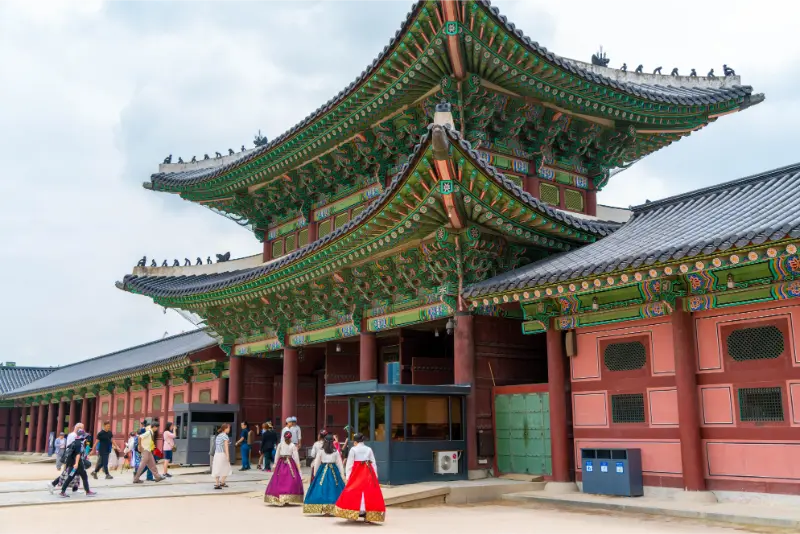
    Seoul in 5 Days: Palaces, Markets and Neighbourhoods Without Spending the Trip Underground

    Seoul deserves a trip built around geography and real travel time rather than a checklist. Seoul’s subway is so effective that it is tempting to plan a day with six districts simply because every place has a station. The result is often more time underground than in the city. Five days works better when you group the historic centre, western neighbourhoods, the Han River and southern districts into separate zones and allow markets and cafés to be genuine experiences rather than transfer points.

    If this destination is part of a longer journey, compare the pacing with South Korea in 10 Days: Seoul, Gyeongju and Busan Without Changing Hotels Every Night. The useful question is not how many famous names fit on the map, but how much usable holiday time remains after transfers, check-in, meals, weather and rest.

    Quick trip summary

    • Recommended time: 5 days.
    • Best planning principle: group each day by geography and protect only the reservations that control access.
    • Best for: independent travellers, couples, families and slower-paced visitors who prefer a realistic rhythm.
    • Keep flexible: at least one half-day or one major activity that can move with weather, traffic or energy.
    • Book first: the accommodation location, scarce transport and any permit, timed entry or signature experience that shapes the rest of the trip.

    Is Seoul the right trip for you?

    Seoul suits travellers who enjoy contrasts: royal palaces beside office towers, markets near design districts, mountains visible beyond dense neighbourhoods and late-night food after museum days. It is excellent for families and independent travellers because transit is strong, but distances are large and stations can involve long corridors, stairs and transfers that matter for slower-paced visitors.

    The practical test is simple: decide what would make you disappointed if you missed it, then build the trip around that one or two priorities. Everything else should earn its place by fitting the same area of the day. This is especially important when travelling with children, older relatives or anyone who enjoys a slower pace.

    Where to stay: choose location before hotel style

    Base Why choose it
    Myeongdong / Euljiro Best for first-time access to central sights, airport buses and multiple subway lines, with many food options.
    Hongdae Best for younger travellers, nightlife, airport-rail convenience and cafés; less efficient for repeated palace mornings.
    Jongno / Insadong Best for historic sights, traditional streets and a calmer cultural focus close to several palaces.

    A more attractive room is not always a better travel decision. Before booking, map the first activity of the morning, the likely dinner area and the departure route. If the hotel adds two unnecessary transfers every day, the hidden cost is time as well as money.

    A realistic 5-day itinerary

    Day 1: palaces, Insadong and central Seoul

    Choose one main palace and give it proper time, then walk through Insadong or Ikseon-dong and finish near Cheonggyecheon. Avoid visiting multiple palaces simply because they are adjacent; their value increases when you have enough attention to understand one.

    Day 2: Bukchon, museum time and an evening district

    Visit Bukchon early and quietly, remembering it is residential, then move to a museum or cultural area. Finish in Myeongdong or another central district rather than crossing the river late solely to add a famous nightlife street.

    Day 3: Hongdae, Yeonnam and western Seoul

    Spend a slower day in Hongdae and Yeonnam, adding a market, university-area walk or cultural venue. The neighbourhood works best when you allow street life and cafés to fill time rather than scheduling a new attraction every hour.

    Day 4: Han River and southern Seoul

    Cross to Gangnam, COEX or another southern focus, then use the Han River as a genuine break. Choose one observation deck, design complex or shopping area instead of linking every modern landmark on the map.

    Day 5: choose a mountain, DMZ-style excursion or deeper city day

    Pick one major extension based on interests and current availability. A city hike gives a completely different Seoul experience; an organized border-area tour needs its own logistics. If neither appeals, use the day for markets, museums and a neighbourhood you missed.

    How to move around without wasting the day

    Seoul’s subway and buses cover the city extensively, and a rechargeable transport card simplifies transfers. Station names and signs are widely multilingual, but transfer walks can be long. Airport rail links Incheon and Gimpo with central Seoul, while airport buses can be easier with heavy luggage if they stop near your hotel. Compare door-to-door effort, not just train speed.

    Do not judge a journey only by kilometres. A short distance can include traffic, security, parking, boat boarding, luggage handling or a long final walk. For every important transfer, think in door-to-door time and keep a margin before anything expensive or difficult to replace.

    Best time to visit

    Spring and autumn are popular for mild weather, summer is hot and humid with rain periods, and winter is cold but often clear. Air quality and heat can matter as much as rain. Keep one museum or indoor district flexible and move outdoor palace or mountain time to the better part of the forecast.

    Seasonal advice should guide the style of the trip, not become a promise. Climate averages cannot tell you the exact conditions on your dates. Check the local forecast and any official closure, transport or safety notice again shortly before each weather-sensitive day.

    What to book first

    Most daily transit does not require advance booking, but special palace programs, performances, popular restaurants and organized border tours may. Book those anchors first. Leave markets and neighbourhoods open because Seoul rewards spontaneous food and café stops more than a rigid timetable.

    After those anchors are secure, leave ordinary meals, short walks and secondary sights open. A timetable with every hour reserved is fragile: one delay turns the rest of the day into a sequence of apologies and missed slots.

    Food strategy: eat well without scheduling every meal

    Markets, barbecue, noodles, cafés and convenience-store food can all fit one trip. For mixed-age groups, choose at least some restaurants where ordering and seating are straightforward rather than making every meal an adventure. Busy barbecue restaurants can involve waits, so have a nearby alternative rather than crossing the city for one famous venue.

    For a multi-age group, a reliable breakfast and an easy lunch often matter more than one additional attraction. Keep water accessible, avoid waiting until everyone is exhausted to look for food and use meal stops as genuine rest rather than another item to complete quickly.

    Travelling with children

    Children usually enjoy palaces more when combined with costume experiences, parks, river time or interactive museums. Subway travel is easy but stations are large, so a stroller can involve elevators and detours. Build fewer district changes into the day and keep snacks available between long transfers.

    Children do not need a simplified version of every adult attraction. They usually need a different rhythm: movement, shade, snacks, toilets and periods when nobody is asking them to pay attention. Protect those needs and the whole group usually sees more, not less.

    Travelling at a slower pace or as a senior

    Stay near a station with direct lines to your highest-priority districts and use taxis selectively for the last difficult connection. Palaces and museums can be spacious, so reduce the number of major sites before reducing rest. Avoid hotels reached only by steep lanes if mobility is a concern, even if the neighbourhood looks charming in photos.

    When mobility or stamina is limited, reduce transitions before reducing experiences. One well-located base, a direct transfer and a shorter route often preserve the most memorable parts of a trip far better than trying to keep the original schedule with longer rest stops.

    Budget: where the money really goes

    Public transport is economical, while cafés, shopping, observation decks and repeated ride-hailing can raise costs. Airport transfers vary by convenience. A good-value trip usually spends on one or two experiences that matter and uses the subway for ordinary movement rather than paying to avoid every transfer.

    Track the total cost of each planning choice. A lower hotel rate can be false economy after taxis, parking or long transfers, while a more expensive excursion may be reasonable if it replaces a rental car, guide and separate admission fees. Compare complete days rather than isolated prices.

    Weather fallback plan

    Rain favours museums, markets and covered shopping districts; extreme heat may justify a long midday indoor break. For mountain walks, check conditions and daylight rather than assuming a city trail is risk-free. If air quality is poor, move strenuous outdoor activity rather than stubbornly following the original sequence.

    The useful fallback is not a list of random indoor attractions. It is one realistic substitute that fits the same area or preserves the next day. Keep at least one activity movable so a poor forecast does not force you to choose between losing money and doing something unsafe.

    Connectivity, cash and small practical details

    Keep a local map app available because some global mapping functions are less useful in South Korea than travellers expect. Save addresses in Korean when possible and keep your transport card topped up. Public Wi-Fi is common, but a local data connection makes navigation and translation much easier.

    Save hotel addresses, tickets, permits, insurance details and the next transfer outside your email app. Offline access matters most precisely when the network is weak, your battery is low or you are trying to solve a delay.

    What to pack

    Wear shoes suited to long station corridors and hills. Summer requires light clothing, rain protection and hydration; winter needs a real insulated layer. Carry a small reusable bag because shopping and market stops often happen without planning them in advance.

    A small day bag should hold water, medication, sun or rain protection and the layer you are most likely to need. The goal is not to carry everything; it is to avoid having the useful items locked in a suitcase or parked car when conditions change.

    Common mistakes to avoid

    • Planning six distant districts in one day because the subway map makes them look easy to connect.
    • Visiting multiple palaces without giving any of them enough time.
    • Treating Bukchon as a photo set instead of a residential neighbourhood.
    • Booking a hotel near a station without checking how steep or complicated the final walk is.
    • Assuming every map app works equally well for Korean addresses and transit.

    Responsible travel and local etiquette

    Keep noise low in residential lanes such as Bukchon, follow posted photography guidance and use public spaces without blocking narrow streets. At palaces and memorial sites, treat cultural rules as part of the visit. Public transport makes low-impact travel easy, while city hiking should stay on marked routes.

    The best rule is to treat the destination as a real place rather than a stage built for visitors. Follow staff and ranger instructions, respect residential space and protected environments, and spend with businesses that add genuine local value instead of rewarding the most aggressive sales pitch.

    If you have less or more time

    Three days can cover the historic centre, one modern district and one neighbourhood day. Four days adds the river or a mountain. A week gives space for Suwon, a border-area tour or additional markets without forcing several far-apart districts into each day.

    Extra days are most useful when they reduce pressure. Before adding another distant stop, ask whether the trip improves more by sleeping in the same place, repeating a favourite beach or neighbourhood, waiting for better weather or enjoying a late breakfast without watching the clock.

    How to choose between similar experiences

    Choose Hongdae for youth culture and nightlife, Insadong/Jongno for history and central access, and Gangnam for modern Seoul. For a viewpoint, decide whether you want a tower experience or a free mountain panorama. The better choice is the one that contrasts with the rest of your itinerary.

    When two options offer a similar experience, choose the one that fits the geography and energy of the day. The extra hour of transfer rarely creates an extra hour of enjoyment, especially in heat, traffic, rough water or at altitude.

    Safety and decision-making on the day

    Seoul is generally easy for visitors, but crowded platforms, late-night districts and mountain weather still require ordinary judgement. Stand clear of platform flows, keep belongings controlled in dense markets and do not underestimate summer heat or winter cold during outdoor walks.

    Local warnings, ranger instructions and transport operators have more value than an itinerary written months earlier. Set a practical turnaround time for hikes, drives and water days, and change the plan when conditions deteriorate rather than trying to complete the original checklist.

    Useful official and planning resources

    Opening hours, protected-area rules, transport schedules, fees and visitor procedures change more often than the landscape. Recheck the source below shortly before departure.

    Final planning checklist

    • Confirm passport, visa, transit and health requirements for your nationality.
    • Reserve the transport, permit or timed entry that controls the rest of the itinerary.
    • Check how luggage moves between airport, road transfer, ferry, train or accommodation.
    • Download offline maps and save key tickets outside your email app.
    • Recheck weather, sea, road, trail or park notices before each critical day.
    • Keep at least one half-day that can absorb a delay or become simple rest.
    • Leave a generous buffer before international flights and other costly connections.

    A good trip to Seoul should feel like you understood the place, not merely that you passed through it. Keep the transport anchors fixed, leave room for conditions to change, and remove anything that does not fit your interests, mobility or energy. The result is usually more enjoyable than the most ambitious version of the same route.

  • South Australia in 9 Days: Adelaide, Barossa and Kangaroo Island Without a Long Road Trip

    South Australia in 9 Days: Adelaide, Barossa and Kangaroo Island Without a Long Road Trip

    South Australia can easily become an enormous road trip once the Flinders Ranges, Eyre Peninsula and outback are added to Adelaide, wine country and Kangaroo Island. Nine days are better spent staying in the southern core.

    This route uses Adelaide, Barossa Valley and Kangaroo Island. It combines a compact city, one wine-region stay and several nights of wildlife/coast without forcing a thousand-kilometre loop.

    The official South Australia tourism guide recommends roughly two to three nights on Kangaroo Island and notes that self-driving is the practical way to see it. The official SeaLink listing states the vehicle/passenger ferry runs daily between Cape Jervis and Penneshaw and takes about 45 minutes.

    Quick trip summary

    • 3 nights Adelaide, 2 Barossa, 3 Kangaroo Island, Day 9 departure/return.
    • Use Adelaide without a car at first.
    • Use a driver/tour for wine tasting or designate a sober driver.
    • Book Kangaroo Island ferry and car arrangements early in peak periods.
    • Do not add the Flinders Ranges to this nine-day southern route.

    Why this route works

    Adelaide deserves city time for food, markets, museums and nearby beaches before the road section.

    Two nights in Barossa let wine country feel like a region rather than a day-trip tasting schedule.

    Kangaroo Island deserves three nights because drive times are longer than they look and wildlife is best experienced slowly.

    A realistic itinerary at a glance

    Days Base Main focus
    1–3 Adelaide City, markets and coast
    4–5 Barossa Valley Wine, food and rural evenings
    6–8 Kangaroo Island Wildlife, Flinders Chase and beaches
    9 Departure Return to Adelaide / airport

    Day-by-day plan

    Day 1: Adelaide arrival

    Stay central and use the market, river or neighbourhood dining as a gentle introduction.

    Day 2: Adelaide city

    Use Central Market, museums or North Terrace, then add Glenelg or another easy coastal outing if energy allows.

    Day 3: Flexible Adelaide day

    Use Adelaide Hills, another city day or simply keep it open for jet lag. This is the buffer before driving.

    Day 4: Adelaide to Barossa

    Collect the car or use a driver, move north and book only one or two winery experiences. Tasting every hour is not a better wine day.

    Day 5: Barossa

    Use another winery, food producer and small town at a relaxed pace. If everyone wants to taste, hire transport.

    Day 6: Barossa to Kangaroo Island

    Drive toward Cape Jervis with a generous ferry check-in buffer, cross to Penneshaw and do not schedule the far west of the island after arrival.

    Day 7: Kangaroo Island west

    Use Flinders Chase, Remarkable Rocks and Admirals Arch as the main focus. Official tourism information warns island drive times can be longer than expected.

    Day 8: Kangaroo Island wildlife/coast

    Choose Seal Bay, beaches, short walks or a guided wildlife experience. Keep the route compact rather than criss-crossing the island.

    Day 9: Ferry and departure

    Return to the mainland. If your international flight is early or expensive to miss, return to Adelaide the previous night instead of relying on same-day ferry/road timing.

    Where to stay and how many hotel changes to make

    Adelaide city-centre accommodation lets you delay car hire.

    In Barossa, choose a town or rural property based on dinner/driver access, not only vineyard views.

    On Kangaroo Island, central Kingscote/American River is practical for broad exploration, while Penneshaw is best for ferry convenience.

    On a multi-base trip, hotel location matters more than a small difference in nightly price. A room that removes repeated transfers usually adds more value than a prettier property in the wrong place.

    Read recent reviews for practical details that marketing photos rarely show: stairs, lift size, road noise, parking access, breakfast hours and the final walk from transport.

    Transport: what is worth planning in advance

    A car is useful from Barossa onward, but wine tasting requires a designated sober driver or organised transport.

    Book the Kangaroo Island ferry, vehicle space and accommodation early in peak periods.

    Avoid rural night driving when possible because wildlife on roads is a real risk.

    Measure every move door to door rather than by the published journey time. Checkout, terminal access, waiting, luggage and the final connection can turn a short transfer into half a day.

    Use inflexible tickets only when the saving is meaningful and the day is truly fixed. Weather-sensitive island, mountain and wildlife plans benefit from flexibility.

    Food and daily rhythm

    Adelaide Central Market is one of the best ways to begin understanding South Australian produce.

    Barossa meals can become long and wine-heavy; build one substantial experience rather than multiple formal meals.

    On Kangaroo Island, know where dinner is available because remote properties may be far from restaurants.

    Use meals to control the rhythm of the day. A long regional lunch can be an experience and a recovery period, especially after hiking, boat trips or early starts.

    Do not make every meal another attraction. Mix local specialties with simple food so that the destination, not the restaurant schedule, remains the centre of the trip.

    Families, children and older travellers

    Kangaroo Island wildlife and beaches are excellent for children.

    Wine country can still work for families when the day includes food producers, short walks and a single tasting stop.

    Older travellers should check Seal Bay/park path surfaces and ferry boarding.

    For multigenerational travel, the useful pace is the one at which the least mobile member still enjoys the day. That usually produces a better experience for everyone.

    Children often respond better to a change of format than to another famous sight: a beach after a museum, a ferry after a city walk, or wildlife after a road day.

    Budget: where the money really goes

    Kangaroo Island ferry, car, accommodation and wildlife tours are the largest costs.

    Reducing Adelaide rental days and avoiding unnecessary one-night road stops helps control the total.

    Compare total trip cost rather than headline prices. Parking, transfers, luggage, tours and time lost reaching a remote hotel can erase an apparent saving.

    The best splurges usually remove friction: a central room, a safe private transfer, a direct ferry, a guide where context matters or one extra night that prevents an exhausting move.

    Best time to go

    South Australia works year-round, but seasonal wildlife, fire risk, heat and ferry demand change the practical trip.

    Summer heat can make exposed island walks less comfortable; cooler months offer different wildlife moments and fewer crowds.

    Shoulder season often balances weather, demand and room prices well, but ferries, mountain services and rural restaurants may operate less frequently.

    Heat, rain, wind and daylight should change the order of a day. Use comfortable hours for exposed outdoor sights and keep lower-effort alternatives available.

    Comfort, accessibility and realistic pacing

    Three island nights reduce the urge to drive from dawn to dark.

    The ferry is a fixed point; build the day around it rather than treating it as a minor 45-minute detail.

    Travel fatigue compounds. One difficult transfer can reduce the quality of the following two days, which is why this route avoids one-night bases unless geography genuinely requires them.

    A free half-day is not wasted time. It is insurance for weather, laundry, a delayed ferry, a tired child or a place you discover only after arrival.

    Small decisions that improve the trip

    Keep Adelaide car-free at first

    The city does not need a rental car for most visitors.

    Sleep in Barossa

    It makes the wine region about place, not just alcohol.

    Give Kangaroo Island three nights

    The island is larger than many first-time visitors expect.

    Leave the outback out

    The Flinders Ranges deserves its own additional days.

    What I would leave out on this length of trip

    Leave the Flinders Ranges and Eyre Peninsula for a longer South Australia journey.

    Skip same-day ferry-to-long-haul-flight logistics when the ticket matters.

    Mistakes that make this trip harder than it needs to be

    • Tasting and driving.
    • Giving Kangaroo Island one rushed night.
    • Underestimating island road time.
    • Keeping a rental car in Adelaide unnecessarily.
    • Booking the ferry late in peak season.
    • Driving rural roads at night.

    How I would adapt the itinerary

    With six days, use Adelaide plus Kangaroo Island.

    With twelve days, add the Flinders Ranges only if you are comfortable with the extra driving and at least three nights there.

    Before booking

    • Book ferry/vehicle space.
    • Plan sober wine transport.
    • Check park/weather/fire conditions.
    • Avoid night wildlife driving.
    • Protect the final flight.

    Practical questions

    How many nights on Kangaroo Island?

    Three is ideal for a first nine-day route; official tourism guidance recommends two to three nights as a useful minimum range.

    Do I need a car?

    Not in Adelaide, but yes or a guided equivalent for Barossa/Kangaroo Island flexibility.

    Barossa or McLaren Vale?

    Barossa fits this north-to-island route well; McLaren Vale is also excellent but would alter the road geometry.

    Final thoughts

    South Australia does not need an outback epic to feel like a major Australian trip.

    Adelaide, Barossa and Kangaroo Island create food, wine, wildlife and coast in nine days with relatively little wasted driving.

    How to keep the itinerary resilient

    For South Australia, protect at least one half-day without a non-refundable booking every two or three days. That space can absorb weather, transport delays, fatigue or a place you unexpectedly want to enjoy longer. A resilient itinerary is not under-planned; it simply recognises that real travel is never as exact as a spreadsheet.

    Review the route again one week before departure and the evening before each important move. Check the official transport, ferry, park or tourism source, confirm the hotel address and remove any optional stop that makes the day depend on everything running perfectly.

  • Miami and the Everglades in 6 Days: South Beach, Little Havana and Shark Valley Without a Rental Car Every Day

    Miami and the Everglades in 6 Days: South Beach, Little Havana and Shark Valley Without a Rental Car Every Day

    Miami is not simply South Beach, and the Everglades are not a quick roadside swamp stop. A six-day trip works best when urban Miami receives several full days and the national park is treated as a separate ecosystem day.

    This itinerary stays in Miami for the whole trip and rents a car or books a transfer only for the Everglades and any wider suburban/coastal excursion. That keeps parking from dominating the city portion.

    For current 2026 context, the National Park Service reported that Shark Valley reopened on August 24, 2026 after wildfire closures. NPS still advises checking current conditions because fire activity and access can change quickly in South Florida.

    Quick trip summary

    • One Miami hotel for all 6 days.
    • Use transit/rideshare for Miami Beach, Downtown/Brickell and Little Havana.
    • Rent a car or take a reputable tour for the Everglades day.
    • Check current NPS conditions before Shark Valley.
    • Do not combine the Florida Keys with this six-day itinerary.

    Why this route works

    Miami needs several days because Miami Beach, Little Havana, Wynwood/Design District and downtown waterfront areas have very different rhythms.

    Shark Valley or another Everglades gateway deserves most of a day, not a rushed hour between beach reservations.

    Keeping one hotel removes luggage and lets the Everglades day move if weather, fire or thunderstorms affect access.

    A realistic itinerary at a glance

    DaysBaseMain focus
    1–3MiamiSouth Beach, Little Havana, art/food neighbourhoods
    4EvergladesShark Valley or another park gateway
    5–6MiamiFlexible beach/culture day and departure

    Day-by-day plan

    Day 1: Miami Beach arrival

    Stay where you actually want evenings—South Beach, Mid-Beach, Downtown/Brickell or another area—and use the first day for Ocean Drive/Art Deco context and the beach.

    Day 2: Little Havana and urban Miami

    Use Calle Ocho with a food/history angle, then add one nearby neighbourhood or downtown block. Avoid reducing Little Havana to a single coffee/photo stop.

    Day 3: Art, design and coast

    Choose Wynwood/Design District, Vizcaya/Coconut Grove or another coherent direction. The best Miami day is usually one neighbourhood cluster plus beach time.

    Day 4: Everglades

    Check NPS current conditions first, then visit Shark Valley or another suitable entrance. As of August 24, 2026, Shark Valley had reopened after wildfire closures, but conditions remain something to verify close to travel.

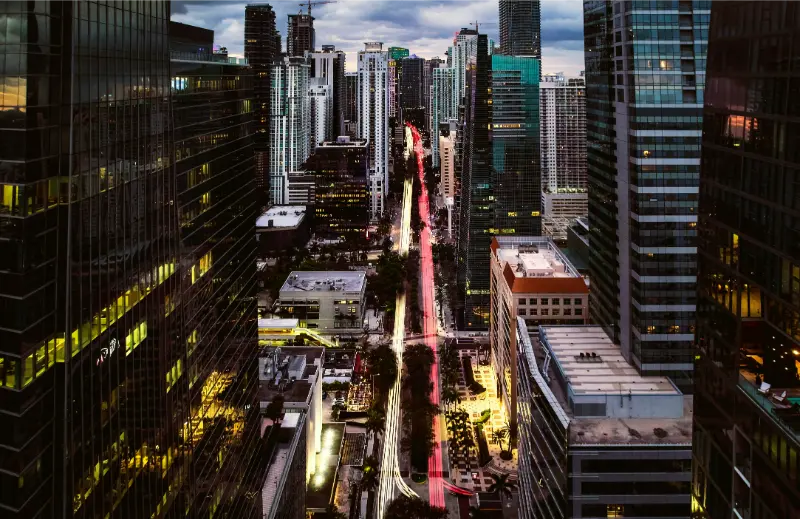
    Downtown Miami From Waterfront

    Day 5: Flexible Miami

    Use Key Biscayne, another beach, a museum or the neighbourhood you skipped. This is the weather/fire backup if the Everglades had to move.

    Day 6: Slow morning and departure

    Keep the final hours close to your airport route rather than adding a last long drive.

    Where to stay and how many hotel changes to make

    South Beach is best for beach-first travellers; Downtown/Brickell is stronger for transit and central urban access; Coconut Grove offers a quieter feel.

    Choose location by the evenings you want, because crossing Miami at dinner time can take longer than expected.

    Where you sleep should reduce friction rather than create another transfer. A well-connected room often adds more value than a cheaper property that forces repeated taxis, parking or long luggage walks.

    Read recent guest reviews for practical details that promotional photos rarely show: stairs, lift size, road noise, parking, breakfast hours and the final walk from a station, ferry or car park.

    Transport: what is worth planning in advance

    Do not rent a car for the whole stay unless your hotel includes practical parking and you expect suburban travel every day.

    For the Everglades, a one-day rental or quality small-group tour can be far more efficient.

    Measure every move door to door rather than by the headline timetable. Checkout, waiting, luggage and the final transfer can turn a short journey into half a day.

    Use inflexible tickets only when the saving is meaningful and the day is genuinely fixed. Weather-sensitive coast, mountain and marine plans benefit from flexibility.

    Food and daily rhythm

    Miami’s Cuban, Caribbean, Latin American and seafood scenes are central to the trip.

    Avoid scheduling every meal in South Beach; neighbourhood food is one of the strongest reasons to leave the barrier island.

    Use meals to control the rhythm of the day. A long regional lunch can be an experience and a recovery period after hiking, museums, heat or an early start.

    Do not make every meal another attraction. Mix destination restaurants with markets, bakeries, cafés and simple local places so food improves the trip instead of controlling it.

    Families, children and older travellers

    Beach time, wildlife and colourful neighbourhoods work well for families when heat is managed.

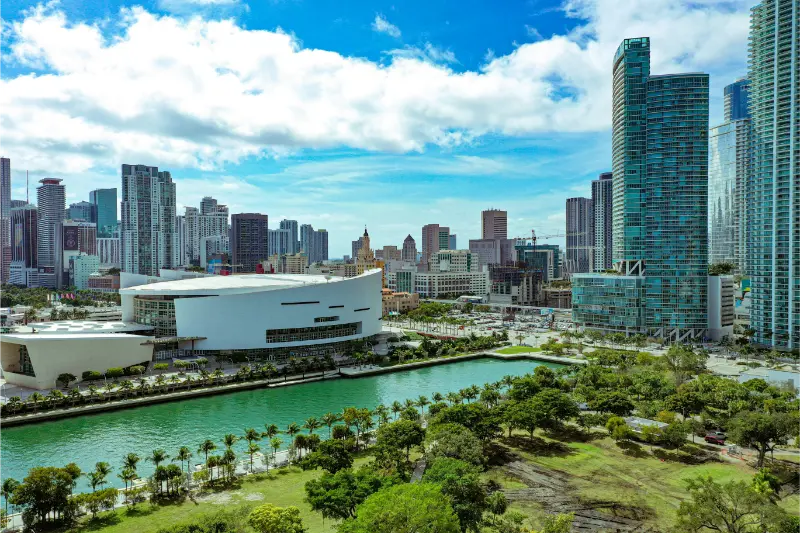
    Miami Waterfront Neighborhoods Aerial

    Older travellers should consider the exposed heat at Shark Valley and use tram/bike/walking options that match mobility and conditions.

    For multigenerational travel, the useful pace is the one at which the least mobile member still enjoys the day. That normally produces a better shared trip for everyone.

    When accessibility matters, ask specific questions about steps, trail surfaces, boat boarding, lifts and vehicle access rather than relying on a generic accessibility label.

    Budget: where the money really goes

    Miami parking and resort fees can materially change hotel value. Compare total nightly cost, not just room rate.

    Using a car only for one or two days can reduce parking and rental expense significantly.

    Compare total trip cost rather than headline prices. Parking, transfers, luggage and tours can erase an apparent saving.

    The most useful splurges usually remove friction: a central room, a direct transfer, a quality guide or one extra night that prevents an exhausting move.

    Best time to go

    Winter and early spring are popular for lower humidity, while summer brings intense heat, storms and higher mosquito activity.

    Everglades water levels, wildlife distribution and fire conditions change seasonally, so the park experience is not identical year-round.

    Shoulder season often balances weather, demand and prices well, but ferries, rural attractions and mountain services may run less frequently.

    Heat, rain, wind and daylight should change the order of the day. Keep lower-effort alternatives for conditions that do not suit the original plan.

    Comfort, accessibility and realistic pacing

    The Everglades day is surrounded by flexible Miami days so access changes do not break the itinerary.

    One hotel keeps the trip easy even if you switch urban neighbourhoods by rideshare/transit.

    Travel fatigue compounds. One difficult transfer can reduce the quality of the following two days, which is why this itinerary avoids one-night bases unless geography genuinely requires them.

    A free half-day is not wasted time. It is insurance for weather, transport disruption, a tired child or a place you discover only after arriving.

    Small decisions that improve the trip

    Keep one Miami base

    There is no reason to move hotels for the Everglades.

    Rent a car only when useful

    Parking should not become a daily attraction.

    Check NPS status close to travel

    The August 2026 fire closures are a reminder that conditions can change.

    Give Little Havana real time

    It deserves food, history and context.

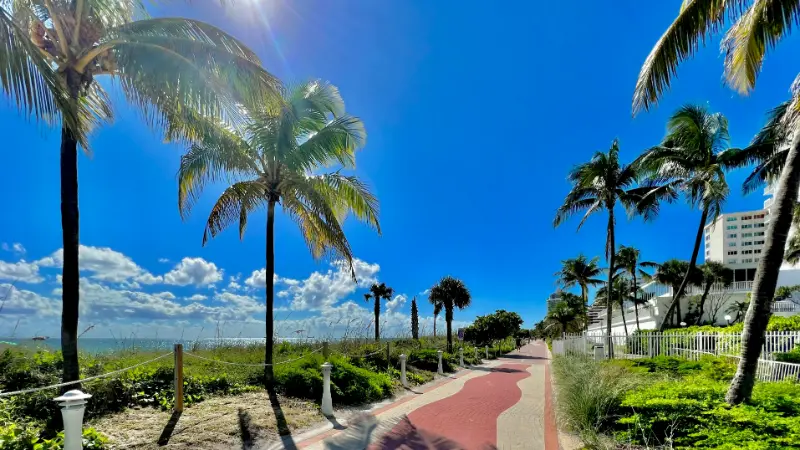
    Miami Tropical Beach Promenade

    What I would leave out on this length of trip

    Leave the Florida Keys, Naples and Orlando for separate trips.

    Skip treating the Everglades as a photo stop on the way somewhere else.

    Mistakes that make this trip harder than it needs to be

    • Staying far from the neighbourhoods you actually want.
    • Renting a car for every city day.
    • Visiting the Everglades at peak heat with no water/sun plan.
    • Ignoring NPS fire/road conditions.
    • Eating only in tourist strips.
    • Driving to the Keys before a flight.

    How I would adapt the itinerary

    With four days, use three Miami days plus one Everglades day.

    With eight days, add the Upper Keys or Biscayne National Park with proper time rather than more city cramming.

    Before booking

    • Check Everglades current conditions.
    • Compare hotel resort/parking fees.
    • Plan sun/heat protection.
    • Choose Everglades transport before arrival.
    • Keep departure day geographically simple.

    Practical questions

    Do I need a car in Miami?

    Not for every day. Transit, rideshare and walking can cover much of a first city stay.

    Is Shark Valley open?

    NPS reported it reopened August 24, 2026 after wildfire closure; always verify current conditions before travel.

    Can I add the Keys?

    Not without making six days much more rushed.

    Final thoughts

    Miami and the Everglades work best as two complementary experiences rather than one giant driving itinerary.

    One hotel, several distinct Miami neighbourhood days and one serious national-park day produce a much stronger six-day trip.

    How to keep the itinerary resilient

    Keep the Everglades day movable around fire, storm and heat conditions.

    Use Day 5 as the backup so a closure never forces you to lose the park entirely.

    Who this route suits best

    This itinerary works best for travellers who value depth over collecting places. It keeps hotel changes low, protects flexible time and assumes that a good meal, an unexpectedly interesting neighbourhood or a slower morning can be as valuable as another attraction. That approach is particularly useful for first-time visitors, couples, families and multigenerational groups.

    More energetic travellers can add a longer hike, an extra museum or a second excursion on flexible days. Travellers who prefer an easier pace can remove those extras and still keep the core journey intact. Before booking, identify the two or three experiences that would genuinely disappoint you to miss; those are the ones to reserve first.

  • Amsterdam in 4 Days: Canals, Museums and Neighbourhoods Without Spending the Trip in Queues

    Amsterdam in 4 Days: Canals, Museums and Neighbourhoods Without Spending the Trip in Queues

    Amsterdam deserves a trip built around geography and real travel time rather than a checklist. Amsterdam is compact, but the combination of canals, museum reservations, busy cycling lanes and neighbourhoods on opposite sides of the centre can make an overplanned visit surprisingly tiring. Four days gives you enough time for the historic core, a serious museum day, local neighbourhoods and one flexible block without treating every bridge as another stop on a checklist.

    If this destination is part of a longer journey, compare the pacing with Netherlands in 7 Days: Amsterdam, Utrecht, Rotterdam and Delft Without Changing Hotels Constantly. The useful question is not how many famous names fit on the map, but how much usable holiday time remains after transfers, check-in, meals, weather and rest.

    Quick trip summary

    • Recommended time: 4 days.
    • Best planning principle: group each day by geography and protect only the reservations that control access.
    • Best for: independent travellers, couples, families and slower-paced visitors who prefer a realistic rhythm.
    • Keep flexible: at least one half-day or one major activity that can move with weather, traffic or energy.
    • Book first: the accommodation location, scarce transport and any permit, timed entry or signature experience that shapes the rest of the trip.

    Is Amsterdam the right trip for you?

    Amsterdam suits travellers who enjoy walking, art, urban history, cafés and neighbourhood life more than long attraction lists. Families can mix museums with parks and canal travel, while slower-paced visitors benefit from the flat terrain and dense public transport. The main planning challenge is not distance but avoiding peak queues, cycle-lane confusion and repeated crossings of the centre.

    The practical test is simple: decide what would make you disappointed if you missed it, then build the trip around that one or two priorities. Everything else should earn its place by fitting the same area of the day. This is especially important when travelling with children, older relatives or anyone who enjoys a slower pace.

    Where to stay: choose location before hotel style

    Base Why choose it
    Canal Belt / Jordaan Best for atmosphere, evening walks and easy access to central sights; usually expensive and some historic hotels have steep stairs.
    Museum Quarter Best for Rijksmuseum, Van Gogh Museum and a quieter evening base near Vondelpark.
    De Pijp / Oud-Zuid Best for cafés, markets and a more residential feel while remaining close by tram or metro.

    A more attractive room is not always a better travel decision. Before booking, map the first activity of the morning, the likely dinner area and the departure route. If the hotel adds two unnecessary transfers every day, the hidden cost is time as well as money.

    A realistic 4-day itinerary

    Day 1: canal belt, Jordaan and orientation

    Start with the central canal belt and Jordaan, using a canal cruise early in the trip if it helps you understand the city layout. Keep the first afternoon mostly outdoors, then choose one church, small museum or market rather than forcing a major timed attraction after travel.

    Day 2: Museum Quarter and Vondelpark

    Build the day around one or two major museums with confirmed entry times. Leave a real lunch break and use Vondelpark or nearby streets as the reset between interiors. Two serious museums can already fill the useful part of a day.

    Day 3: De Pijp, eastern districts and local Amsterdam

    Visit De Pijp and its market area, then choose either the Plantage and eastern docklands or a slower neighbourhood afternoon. This is the day to see Amsterdam beyond postcard canals instead of adding another major museum simply because it is famous.

    Day 4: flexible Amsterdam or one simple excursion

    Stay in the city for Noord, parks and overlooked museums, or take one easy regional excursion such as Haarlem or Zaanse Schans. Do not combine several towns merely because trains are frequent; a single place with time to walk is more satisfying.

    How to move around without wasting the day

    Walking and trams cover most visitor routes, with metro useful for longer north-south movements and ferries useful across the IJ. Cycling is excellent for confident riders, but Amsterdam bicycle traffic is functional transport rather than a sightseeing attraction. If you are hesitant, use trams and walking instead of learning in the busiest central lanes.

    Do not judge a journey only by kilometres. A short distance can include traffic, security, parking, boat boarding, luggage handling or a long final walk. For every important transfer, think in door-to-door time and keep a margin before anything expensive or difficult to replace.

    Best time to visit

    Spring brings flowers and high demand, summer brings long days and crowds, while early autumn can be a strong balance of weather and atmosphere. Winter works well for museums, cafés and canal views but requires shorter outdoor blocks. Rain and wind can appear in any season, so keep one indoor activity movable.

    Seasonal advice should guide the style of the trip, not become a promise. Climate averages cannot tell you the exact conditions on your dates. Check the local forecast and any official closure, transport or safety notice again shortly before each weather-sensitive day.

    What to book first

    Reserve accommodation first, then the museums or houses that use timed admission and would be disappointing to miss. Do not reserve every hour. Canal cruises, meals and smaller attractions usually work better as flexible pieces around the fixed museum times.

    After those anchors are secure, leave ordinary meals, short walks and secondary sights open. A timetable with every hour reserved is fragile: one delay turns the rest of the day into a sequence of apologies and missed slots.

    Food strategy: eat well without scheduling every meal

    Avoid assuming every meal must happen in the canal belt. De Pijp, Jordaan edges and neighbourhood streets offer more variety and often a calmer atmosphere. Mix one planned dinner with bakeries, markets and casual lunches so food remains part of the trip instead of a second reservation schedule.

    For a multi-age group, a reliable breakfast and an easy lunch often matter more than one additional attraction. Keep water accessible, avoid waiting until everyone is exhausted to look for food and use meal stops as genuine rest rather than another item to complete quickly.

    Travelling with children

    Children often enjoy canal boats, Vondelpark, ferries, interactive museums and snack stops more than a sequence of art galleries. Keep bicycle safety central when crossing streets, and choose one major indoor attraction per half-day. A stroller is manageable on most routes but cobbles and narrow entrances can slow the pace.

    Children do not need a simplified version of every adult attraction. They usually need a different rhythm: movement, shade, snacks, toilets and periods when nobody is asking them to pay attention. Protect those needs and the whole group usually sees more, not less.

    Travelling at a slower pace or as a senior

    Stay near a tram or metro stop and use public transport to remove the least interesting walking. Historic buildings can involve narrow stairs and lifts are not universal, so check hotel accessibility before booking. A slower plan should still include canals and neighbourhood life rather than replacing everything with taxis.

    When mobility or stamina is limited, reduce transitions before reducing experiences. One well-located base, a direct transfer and a shorter route often preserve the most memorable parts of a trip far better than trying to keep the original schedule with longer rest stops.

    Budget: where the money really goes

    Hotels are usually the largest expense, followed by major attractions and meals in central tourist zones. A transit pass can be useful when you genuinely plan several journeys, but many visitors walk enough that single fares are adequate. Spend for location before spending for unnecessary room size.

    Track the total cost of each planning choice. A lower hotel rate can be false economy after taxis, parking or long transfers, while a more expensive excursion may be reasonable if it replaces a rental car, guide and separate admission fees. Compare complete days rather than isolated prices.

    Weather fallback plan

    Use rain for museums, covered markets and cafés, then move the canal cruise or neighbourhood walk to the clearer window. Wind can make boat decks and waterfront areas feel colder than expected. Avoid locking every outdoor block to a specific hour days in advance.

    The useful fallback is not a list of random indoor attractions. It is one realistic substitute that fits the same area or preserves the next day. Keep at least one activity movable so a poor forecast does not force you to choose between losing money and doing something unsafe.

    Connectivity, cash and small practical details

    Cards are widely accepted, yet a charged phone matters for tickets, maps and transport. Watch cycle lanes carefully before stepping off pavements and do not stand in them while checking directions. Save hotel details offline and verify the correct station or tram stop before late-night returns.

    Save hotel addresses, tickets, permits, insurance details and the next transfer outside your email app. Offline access matters most precisely when the network is weak, your battery is low or you are trying to solve a delay.

    What to pack

    Bring comfortable waterproof shoes, a compact rain layer and something wind-resistant. In warmer months add sun protection for long canal walks; in colder months gloves matter more than an overly heavy coat that becomes uncomfortable inside museums and cafés.

    A small day bag should hold water, medication, sun or rain protection and the layer you are most likely to need. The goal is not to carry everything; it is to avoid having the useful items locked in a suitcase or parked car when conditions change.

    Common mistakes to avoid

    • Treating bicycle lanes like extra pavement.
    • Booking three major museums in one day.
    • Spending every meal and evening around Dam Square or the busiest canal streets.
    • Taking multiple day trips during a short city break.
    • Choosing a beautiful historic hotel without checking stairs, lift access or luggage practicality.

    Responsible travel and local etiquette

    Respect residential canals, avoid blocking narrow pavements and cycle lanes, and keep noise low when returning through neighbourhood streets at night. Use bins and public transport normally rather than treating the centre as an entertainment zone separate from daily city life.

    The best rule is to treat the destination as a real place rather than a stage built for visitors. Follow staff and ranger instructions, respect residential space and protected environments, and spend with businesses that add genuine local value instead of rewarding the most aggressive sales pitch.

    If you have less or more time

    With two days, focus on the canal belt, one museum block and Jordaan. Three days adds De Pijp or the eastern districts. With five or six days, add one regional excursion and another neighbourhood day without moving hotels.

    Extra days are most useful when they reduce pressure. Before adding another distant stop, ask whether the trip improves more by sleeping in the same place, repeating a favourite beach or neighbourhood, waiting for better weather or enjoying a late breakfast without watching the clock.

    How to choose between similar experiences

    Choose Haarlem for a compact historic city, Zaanse Schans for windmills and industrial heritage, and Amsterdam Noord for the easiest extra experience without leaving the city. If weather is poor, an additional museum or café-and-neighbourhood day often beats forcing an excursion.

    When two options offer a similar experience, choose the one that fits the geography and energy of the day. The extra hour of transfer rarely creates an extra hour of enjoyment, especially in heat, traffic, rough water or at altitude.

    Safety and decision-making on the day

    The practical risks are mostly busy traffic, bicycle lanes, pickpocketing in crowded areas and distraction near canals. Keep belongings controlled, cross with signals and avoid walking while focused on a phone near tram tracks or cycle lanes.

    Local warnings, ranger instructions and transport operators have more value than an itinerary written months earlier. Set a practical turnaround time for hikes, drives and water days, and change the plan when conditions deteriorate rather than trying to complete the original checklist.

    Useful official and planning resources

    Opening hours, protected-area rules, transport schedules, fees and visitor procedures change more often than the landscape. Recheck the source below shortly before departure.

    Final planning checklist

    • Confirm passport, visa, transit and health requirements for your nationality.
    • Reserve the transport, permit or timed entry that controls the rest of the itinerary.
    • Check how luggage moves between airport, road transfer, ferry, train or accommodation.
    • Download offline maps and save key tickets outside your email app.
    • Recheck weather, sea, road, trail or park notices before each critical day.
    • Keep at least one half-day that can absorb a delay or become simple rest.
    • Leave a generous buffer before international flights and other costly connections.

    A good trip to Amsterdam should feel like you understood the place, not merely that you passed through it. Keep the transport anchors fixed, leave room for conditions to change, and remove anything that does not fit your interests, mobility or energy. The result is usually more enjoyable than the most ambitious version of the same route.

  • Traveling With Kids: A Practical Guide From Babies to Teenagers

    Traveling With Kids: A Practical Guide From Babies to Teenagers

    Travelling with children is not simply adult travel with smaller suitcases. The trip works better when the plan changes with the child’s age, energy and ability to handle waiting. A baby may travel happily through a museum but need feeding and sleep infrastructure; a toddler may need movement every hour; a teenager may tolerate long days but want some control over the itinerary.

    The most useful family travel rule is to protect the weak points of the day: hunger, sleep, waiting, heat and transitions. When those are managed, children are often capable of much more than adults expect.

    Family travel priorities

    • Plan around meals, sleep and transport transitions before adding attractions.
    • Choose fewer accommodation changes than you would on an adults-only trip.
    • Keep one easy backup activity for bad weather or low energy.
    • Give older children real choices within the plan.
    • Carry enough essentials for delays, not just the scheduled journey time.

    1. Plan for the child you have now

    Advice that worked six months ago may no longer fit. A crawling baby, a newly walking toddler and a four-year-old have different needs even if all three are described as “young children.” Build the itinerary around current routines and abilities, not what the child managed on the previous holiday.

    Age/stage What often matters most Useful planning response
    Baby Feeding, sleep, shade, changing Shorter activity blocks, easy return to accommodation, reliable supplies
    Toddler Movement, snacks, naps, unpredictability Parks between attractions, fewer queues, stroller/carrier decision
    School age Variety, participation, physical energy Mix museums with outdoor time; give simple choices
    Teenager Independence, interests, social connection Include their priorities and allow some unstructured time

    2. Choose destinations by logistics as well as attractions

    A place can have excellent children’s attractions and still be tiring if every day requires long transfers, steep walking or complicated meal planning. Look at how the family will move between the airport, accommodation and the places you want to visit.

    For a first city trip with young children, a compact neighbourhood near public transport can be more valuable than a larger apartment far away. For a beach holiday, walking distance to the beach may matter more than a sea view. For older children, access to activities can reduce the need for constant parental entertainment.

    3. Accommodation can solve half the trip

    Family accommodation is not only about bed count. Check whether sleeping spaces can be separated, whether there is a lift, how dark the room becomes, whether a fridge is available, and how easy it is to get breakfast or food after a late arrival.

    • Laundry becomes disproportionately useful on trips longer than four or five days.
    • A kitchenette can reduce pressure around breakfast and snacks even if you eat most meals out.
    • A separate sleeping area can let adults stay awake after a young child goes to bed.
    • A bathtub may matter for some families; others need only a reliable shower.
    • Check cot/crib availability in writing if it is essential rather than assuming it will be provided.

    Our hotel vs apartment vs hostel vs resort guide compares accommodation types from a practical point of view.

    4. Flying with babies

    With babies, the challenge is usually supplies and comfort rather than entertainment. Build your cabin bag around feeding, changing and temperature. Pack more nappies and clothes than the flight duration suggests because airport time and delays count too.

    Airline rules for infant tickets, bassinets, strollers, car seats and liquids for baby food vary. Confirm with the airline and departure airport. If a bassinet is important, request it early but still plan for the possibility it is unavailable.

    5. Flying with toddlers

    Toddlers often struggle most with forced stillness and transitions. Let them move before boarding when possible. Board early only if the extra time on the aircraft helps your family; for an active toddler, being among the last groups can reduce the time confined to the seat.

    Do not introduce every toy at once. Rotate small activities. Download familiar videos, bring simple snacks and keep one new or rarely seen item for the final part of the journey. Avoid toys with many tiny pieces that can roll under seats.

    6. School-age children can become travel partners

    Give them a job: track the next metro stop, choose between two lunch places, count bridges on a river cruise or keep a simple photo diary. Participation turns waiting into part of the trip and reduces the sense that adults are dragging them from place to place.

    Attractions work better when paired: one adult-priority visit followed by something physical or playful. A long museum morning can be followed by a park, playground, pool or food market rather than another museum.

    7. Teenagers need ownership, not a children’s programme

    Teenagers may be perfectly capable of adult-paced sightseeing but dislike having no say. Give each person one or two priority choices for the trip. A teenager who chooses a neighbourhood, sports venue, shop, concert or food experience is more invested in the rest of the itinerary.

    Build in some time that is not interpreted as wasted: a slow breakfast, shopping hour or time back at the hotel can prevent conflict on longer trips.

    8. Manage food before everyone is hungry

    Family travel becomes difficult very quickly when food decisions are delayed until children are exhausted. Know where the next meal could happen before leaving an attraction-heavy area. Carry a simple snack even in food-rich cities; queues, closures and unfamiliar menus can turn a ten-minute delay into a major problem.

    If allergies or medical dietary needs are involved, research local terminology and emergency procedures before travel. Do not rely on a generic travel article for medical or allergen safety decisions.

    9. The one-major-thing rule

    For young children, plan one major fixed attraction per half day, not three. Everything else can be optional. This does not mean doing less overall; it means creating a schedule that can expand when the day is going well and contract without feeling like failure.

    In a city, one museum plus lunch plus a park and a neighbourhood walk may produce a fuller day than racing through three ticketed attractions.

    10. Decide what naps mean for the trip

    Some children sleep well in a stroller or carrier; others need a dark room. Do not build the whole itinerary around advice from families whose child sleeps differently. If room naps are essential, choose accommodation centrally so returning midday does not consume two hours.

    11. Choose transport by total family effort

    Public transport may be cheapest but not easiest with a stroller and luggage. Taxis or ride-hailing can be efficient, but child-seat rules and availability vary by country and service. Rental cars can simplify rural trips but add parking, navigation and car-seat logistics.

    Compare the whole family effort. A direct train with reserved seats can be much easier than a short flight once airport transfers and security are included.

    12. Documents and health preparation

    Children can have different passport-validity periods and document requirements from adults. Some destinations or airlines may ask for additional documents when a child travels with one parent or another adult. Check official sources for the child’s nationality and route.

    The WHO travel and health guidance highlights that infants and young children can require additional consideration before international travel. For destination-specific vaccines, medicines or health concerns, use professional medical advice rather than a generic packing list.

    13. Build one bad-day version of the itinerary

    Ask: what will we do if it rains all day, someone sleeps badly or a child wakes with no energy? Have one low-effort option near the accommodation — indoor play, aquarium, pool, café-and-walk day, shopping centre, cinema or simply an afternoon off.

    A backup day reduces pressure because you do not have to invent a plan while the family is already tired.

    14. The small family items that save disproportionate stress

    • Refillable water bottle where practical
    • Snacks that travel well
    • Wet wipes even after the nappy years
    • Small first-aid basics appropriate for your family
    • One spare outfit in the day bag for younger children
    • Offline entertainment
    • A small bag for wet or dirty clothes
    • Comfort item for sleep
    • Photographs or copies of important documents stored securely

    The best family trip is not the busiest one

    Children remember unusual details adults often ignore: a tram, a bakery, feeding ducks, a hotel breakfast, a train ride or a playground with a view. Leave enough space for those moments. The itinerary should support the family experience rather than compete with it.

    Practical notes that make the plan work in real life

    Before departure, write the critical information in one place: booking references, the first accommodation address, transport details, insurance contact if applicable, and the phone numbers you would need if your device stopped working. Keep a secure offline copy as well as the online version. This is a small task, but it prevents several common travel problems from becoming larger than they need to be. Build margins around the parts of the trip that are difficult to replace. A local café can move to another hour; an international flight cannot. A free neighbourhood walk can be shortened; a prepaid tour may have a fixed departure. Giving the least flexible items more time is a better strategy than trying to make every minute efficient. Finally, review the plan from the perspective of the least experienced or least mobile traveller in the group. Check the distance from platform to hotel, how luggage will be handled, where meals can happen and what the alternative is if the day becomes too hot, wet or tiring. A plan that still works on an imperfect day is usually a strong plan.

  • Matsumoto in 4 Days: Castle, Art and Japan Alps Without Using the City Only as a Mountain Gateway

    Matsumoto in 4 Days: Castle, Art and Japan Alps Without Using the City Only as a Mountain Gateway

    Matsumoto deserves enough time to feel like a destination rather than a box between two more famous places. 4 days give a first-time visitor room for the essential sights, neighbourhood life, meals and one flexible block without turning every morning into a race.

    If Matsumoto is part of a wider journey, compare the pace with our Japan Alps itinerary through Kanazawa, Takayama and Matsumoto. This city guide adds local depth rather than repeating the broader route.

    Quick trip summary

    • Ideal stay: 4 days for a first visit.
    • Best planning rule: group days geographically and protect one flexible half-day.
    • Best for: first-time visitors, couples, solo travellers, families and slower-paced travellers.
    • Main risk: using the destination only as a gateway or adding too many day trips.

    Why 4 days works

    A useful city break is not a contest to collect the maximum number of attractions. The best plan groups places that naturally belong together, protects the one or two reservations that genuinely matter and leaves enough slack for meals, weather, queues and simple wandering. That matters for every traveller, but especially for families, older visitors and anyone who prefers to finish the trip with energy left rather than needing a holiday from the holiday.

    Matsumoto has enough contrast to justify a real stay, but it is still manageable when each day has a clear geographic focus. The itinerary below alternates heavier sightseeing with easier periods so it works for different ages, interests and energy levels rather than only for fast-moving travellers.

    Where to stay

    Area Why choose it
    Central Matsumoto / station side Best for rail and bus connections, restaurants and easy luggage handling, with the castle still walkable.
    Castle / Nakamachi area More atmospheric for early walks and heritage streets, though some lodging is smaller and less convenient with large bags.
    Asama Onsen A good choice for hot-spring atmosphere and a quieter evening, but it requires local transport to the centre.
    Northern / residential Matsumoto Useful for slower stays and local life, but less efficient for a short first visit.

    Choose location before hotel style. Map the first morning, likely dinner area and departure route. A beautiful room that creates two extra transfers every day can cost more in time and energy than a slightly dearer room in the right district. Families should check room size, cot policy and lift access; light sleepers should read recent comments about street noise rather than trusting a neighbourhood label.

    A realistic 4-day itinerary

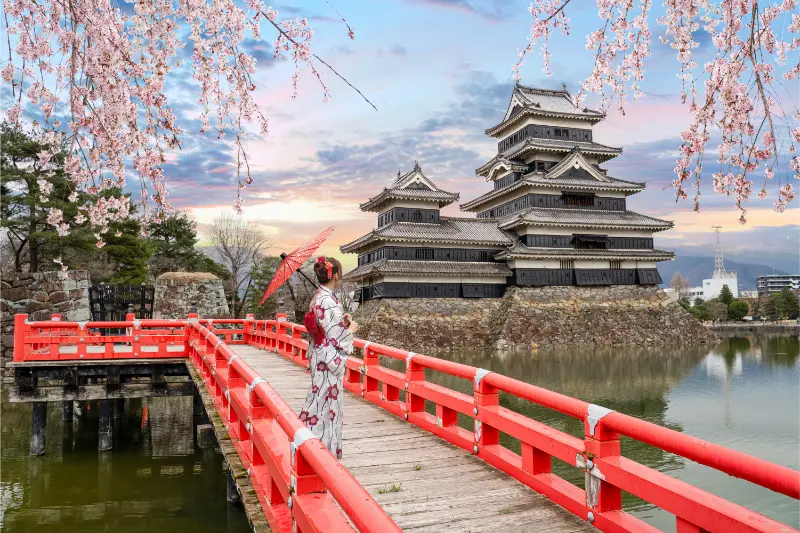
    Day 1: Matsumoto Castle and old streets

    Visit the castle early, then continue through Nawate and Nakamachi at a slower pace. Use the first day to understand the compact centre and avoid adding a mountain excursion immediately after arrival.

    Day 2: art, local history and neighbourhood time

    Build the day around the city art museum and one or two additional cultural stops, then leave room for cafés, shops and a relaxed meal. Matsumoto’s value is greater than the castle alone, so give contemporary culture a place in the itinerary.

    Day 3: Kamikochi or another mountain landscape

    Use the best weather day for Kamikochi when the route is in season, or choose another accessible mountain area such as Utsukushigahara or Norikura depending current transport and trail conditions. Start early, but keep the excursion proportional to your fitness and the season.

    Day 4: onsen, museum depth or a flexible finish

    Use the last day for Asama Onsen, the Former Kaichi School area, shopping or anything displaced by weather. If you are continuing toward Tokyo, Nagano or the Alps, protect the departure instead of forcing another distant viewpoint.

    Arrival strategy

    Matsumoto is reached efficiently by rail from Tokyo, Nagoya and other central Japan hubs, with buses also linking Alpine destinations. The main station is close to the city centre. For Kamikochi and some mountain areas, public transport is often preferable or required because private-car access can be restricted on key routes.

    Arrival day should carry less risk than the rest of the trip. Save the accommodation address offline, know the first transport option before landing or leaving the station, and avoid a non-refundable attraction immediately after a flight, train or long road journey. If the journey is delayed, remove a secondary sight rather than beginning the holiday by rushing with luggage.

    Getting around efficiently

    Central Matsumoto is compact enough for walking, with local buses useful for outer neighbourhoods and onsen areas. Mountain day trips require more careful timetable planning. Buy or reserve the critical transport segment first, then build the sightseeing around it rather than assuming a mountain bus will operate as frequently as urban rail.

    Compare routes door to door, not station to station. Waiting time, stairs, transfers and the final walk can make the nominally fastest option worse for a family, a senior traveller or anyone carrying luggage. Use transport to remove unrewarding distance and save walking energy for places where the surroundings are actually part of the experience.

    Best time to visit

    Spring and autumn are excellent for combining the castle with mountain scenery, while summer is useful for higher-elevation hiking. Winter can be beautiful but changes transport, clothing and trail expectations. The official tourism site publishes seasonal climate ranges and road or trail updates, which matter more than a generic Japan weather forecast.

    Seasonal planning should also consider daylight, local holidays, school breaks and whether your most important experience depends on clear skies, calm water or outdoor access. A shoulder-season trip is not automatically better if the one thing you came to do operates on a reduced schedule.

    What to book before arrival

    Book first the things that can genuinely damage the itinerary if unavailable: a capacity-limited landmark, a specific long-distance connection, a guided experience with few departures or a weather-dependent excursion. Keep ordinary neighbourhood walks, markets and flexible museums movable whenever possible. Leave a margin around timed entries so one slow meal or transport delay does not damage the rest of the day.

    Avoid the opposite mistake of reserving every hour. A useful booking creates certainty around something scarce; an unnecessary booking removes your ability to respond to weather, fatigue, local events or a place you unexpectedly want to explore longer. Keep at least one half-day with no fixed admission time.

    Food strategy

    Look for soba, local produce, miso-based dishes and regional sake while keeping meal logistics simple. A mountain excursion day needs an early, reliable breakfast and a realistic lunch plan. In the city, leave one evening unbooked so you can choose a place near the neighbourhood you actually finish exploring.

    Meals should also function as rest. A very good restaurant ten minutes from where you already are can be a better travel decision than a famous address requiring forty minutes of extra transport. Keep breakfast reliable, lunch practical and one or two dinners memorable rather than turning every meal into logistics.

    What is actually worth prioritising

    Matsumoto deserves one full city day even if the Alps are the main reason you came. The castle, traditional streets, art and onsen culture create a complete destination. One well-chosen mountain day is more satisfying than trying to use Matsumoto as a launchpad for several far-apart valleys in four days.

    Mountain access, seasonality and 2026 planning

    Mountain transport around Matsumoto is highly seasonal and can change with road, trail and weather conditions. The official tourism site posts current updates for routes such as Kamikochi and Norikura. It also notes that an accommodation tax applies to stays from June 1, 2026. Recheck the practical details close to travel instead of relying on a timetable saved months earlier.

    Should you add a day trip?

    Kamikochi is the classic choice when open and suitable for your group, but Norikura and Utsukushigahara can be better depending weather, interests and onward routing. If Takayama or another Alpine town appears elsewhere in your itinerary, avoid duplicating long mountain transfers from Matsumoto simply because they are possible.

    A day trip earns its place when it adds a landscape, historical layer or experience that the city cannot provide. It is less useful when it simply repeats a destination already included later in the same journey. Count total door-to-door time, not only the advertised train, ferry or driving time.

    Travelling with children

    With children, reduce transitions before reducing highlights. One substantial visit in the morning, an easy lunch and a park, waterfront, market or interactive stop in the afternoon usually works better than three formal attractions. Keep snacks, water and a simple exit route available. For babies and toddlers, check surfaces, stairs and changing facilities instead of assuming that “walkable” means stroller-friendly.

    Travelling as a senior or at a slower pace

    For senior travellers or anyone who prefers a slower pace, remove low-value walking rather than removing the experiences themselves. Use public transport, taxis, lifts or short transfers where they save energy, then spend that energy on the historic streets, viewpoints, gardens and museums that justify the trip. Check hotel lifts, shower access and the exact entrance route to older attractions before booking.

    Budget planning

    Build the budget in layers: accommodation, airport or station transfer, local transport, fixed attractions, food and a reserve for weather or fatigue. A cheaper hotel is not automatically a cheaper trip if it creates repeated taxi rides or long commutes. If a tourist pass exists, calculate it against the exact attractions and journeys you will use rather than buying it because the discount headline looks impressive.

    Weather backup plan

    Before each day, identify one outdoor anchor and one indoor alternative. Move museums, covered markets and cafés into the worst weather window and protect the experience that most needs good visibility or dry conditions. Temperature alone is not enough: wind, humidity, rain intensity, snow and daylight can completely change the practical value of a plan.

    Accessibility and mobility

    Accessibility varies sharply between modern transport and historic streets. If step-free access matters, verify the exact station exit, attraction entrance and hotel approach rather than relying on a general city label. Cobblestones, steep lanes, heat, ice, sand and older buildings without lifts can be more limiting than the nominal walking distance.

    Connectivity, payments and practical details

    Download an offline map, save the accommodation address and keep screenshots or offline copies of critical tickets. A local eSIM or data plan can make live transport easier, but the day should not fail because a phone battery dies. Carry a backup payment method and a small amount of local currency where markets, taxis or small businesses may still prefer it.

    What to pack

    Comfortable walking shoes, weather-appropriate layers, sun or rain protection and a small day bag matter more than extra outfits. Add personal medication, a refillable bottle where practical and a compact power bank if navigation and tickets are digital. Pack for the destination’s real conditions, not only for the headline temperature shown a week before departure.

    Common mistakes to avoid

    • Treating Matsumoto Castle as the only reason to stay overnight.
    • Planning Kamikochi without checking seasonal transport and current road conditions.
    • Assuming private cars can reach every mountain destination directly.
    • Booking back-to-back mountain days with no weather flexibility.
    • Ignoring the time needed to collect luggage before a long onward train.

    Responsible travel and local etiquette

    Residential streets, markets, places of worship and working neighbourhoods are part of daily life, not open-air sets. Keep entrances clear, follow photography rules, dress appropriately where required and support local businesses when it fits naturally. In natural areas, respect marked routes, closures and current safety guidance rather than looking for unofficial shortcuts.

    If you have less or more time

    With one day less, remove the most distant excursion or the day with the most transport instead of compressing every highlight. With one or two extra days, add neighbourhood depth, a slower museum block or one nearby excursion that offers something genuinely different. Extra time should make the trip calmer, not simply add more pins to the map.

    Safety and decision-making on the day

    Use ordinary situational awareness, keep valuables controlled in crowded transport and use clearly identified taxis or trusted ride services where relevant. Conditions can vary by neighbourhood and time of day, so current local advice is more useful than blanket labels. On excursion and departure days, set a turnaround time early enough that a delay does not put an expensive connection at risk.

    Current planning note

    Visit Matsumoto currently highlights Matsumoto Castle, museums, hot springs and mountain areas including Kamikochi, Norikura and Utsukushigahara. Its 2026 updates include seasonal road information and the accommodation tax introduced for stays from June 1, 2026.

    Useful official resource

    Opening hours, fees, access rules, transport schedules and seasonal operations can change. Recheck the official source shortly before departure.

    Final planning checklist

    • Confirm passport, visa, transit and health requirements for your nationality.
    • Reserve the attraction or transport that controls the rest of the itinerary.
    • Save the accommodation address and first-day route offline.
    • Recheck weather, closures and transport notices before each critical day.
    • Keep at least one half-day flexible enough to absorb a delay.
    • Leave a generous buffer before flights and other expensive connections.

    A strong trip to Matsumoto should feel as though you understood how the place fits together, not merely that you collected its famous names. Protect the reservations that matter, group the rest by geography and remove anything that creates more transit than experience.

  • Honolulu in 5 Days: Waikīkī, Pearl Harbor and Oʻahu Views Without Renting a Car Every Day

    Honolulu in 5 Days: Waikīkī, Pearl Harbor and Oʻahu Views Without Renting a Car Every Day

    Honolulu is both a real Pacific capital and the gateway to Oʻahu, and those two roles are easy to blur. Visitors often rent a car for the entire stay, then pay to park it while spending several days in Waikīkī and central Honolulu. Five days works better when the urban core is explored without a car first and a vehicle is added only if a specific island day genuinely needs one.

    If this destination is part of a wider trip, compare the pacing with Hawaii in 10 Days. The city guide should add depth to that route rather than duplicate the same transfers.

    Quick trip summary

    Ideal stay5 days for a first trip
    Best approachGroup each day by geography and protect one flexible block
    Transport strategyWalk within districts; use public transport or taxis for cross-city moves
    Who it suitsFirst-time visitors, couples, solo travellers, families and slower-paced travellers
    Most common mistakeAdding too many distant attractions to the same day

    How to plan the trip before booking

    Start by fixing the parts of the itinerary that are difficult to replace: timed monuments, limited-capacity experiences, major performances or transport that controls the rest of the trip. Everything else should remain flexible enough to move when weather, queues or simple tiredness change the day.

    The most useful question is not “How many attractions can fit?” but “Which part of the city should this day belong to?” Grouping stops by geography usually saves more time than any transport trick. It also creates room for spontaneous meals, neighbourhood streets and the unexpected places that often become the strongest memories.

    Where to stay: choose location before hotel style

    BaseWhy choose it
    WaikīkīThe easiest first-time base for beach access, dining and tours, with the widest hotel choice.
    Ala MoanaConvenient between Waikīkī and central Honolulu with strong shopping and transit connections.
    Downtown HonoluluBetter for history, business and local urban access, but less convenient for travellers who want daily beach time.
    KāhalaQuieter and more resort-focused, best for travellers willing to trade walkability for space and calm.

    A beautiful room is not automatically a good base. Map the first activity of the morning, the likely dinner area and the departure route. If the hotel creates two unnecessary transfers every day, the hidden cost is time as well as money.

    A realistic 5-day itinerary

    Day 1: Waikīkī and an easy arrival day

    Use the first day to settle into Waikīkī, walk the beachfront and adjust to the time difference. Keep the schedule light even if the flight arrives early; jet lag, heat and strong sun are poor ingredients for an ambitious first afternoon.

    Honolulu Waikiki Shoreline Aerial

    Day 2: Honolulu history and culture

    Move beyond the resort zone for Downtown Honolulu, ʻIolani Palace area and one cultural institution. This day provides context that a beach-only itinerary misses and can be managed largely without a rental car.

    Day 3: Pearl Harbor with realistic reservation timing

    Give Pearl Harbor a dedicated block and reserve any limited-capacity experience that matters to you. Security, transport and site logistics can take longer than expected, so avoid attaching a long North Shore drive to the same day.

    Day 4: Lēʻahi (Diamond Head) and the south/east coast

    Start early for Diamond Head if you have the required reservation, then choose a small number of south- or east-coast stops. Heat and parking are better managed in the morning. Do not turn scenic viewpoints into a race around the island.

    Day 5: Flexible Oʻahu day or slower Honolulu

    Use the final day for a North Shore outing, Hanauma Bay if properly reserved and conditions fit, or simply more Honolulu and beach time. The best choice depends on weather, surf and how much driving you actually want before departure.

    Keep the second half of the day lighter than the first whenever possible. A useful itinerary leaves room for a delayed start, a longer meal, weather or the simple discovery that one neighbourhood deserves another hour.

    Getting from the airport and handling arrival day

    Daniel K. Inouye International Airport is close to central Honolulu in distance, but traffic can stretch transfer times. Taxis, ride-hailing, buses and selected rail/transit connections may suit different hotels. Confirm your exact route shortly before travel because the island’s transport network continues to evolve.

    Honolulu Waikiki Beach Panorama

    Arrival day should carry less risk than the other days. Keep the first reservation easy to cancel, buy water and any transport card you need, and learn the route back to the hotel before staying out late.

    Getting around without wasting the day

    Waikīkī and central Honolulu can be managed with walking, TheBus, taxis, ride-hailing and other local services. A car becomes more useful for parts of the island that are awkward by transit, but parking costs and traffic make a full-stay rental unnecessary for many visitors.

    When comparing two routes, include walking to the station, waiting, transfers and the final approach. A route with fewer changes is often better for families, luggage, older travellers and anyone visiting in difficult weather.

    Best time to visit and how season changes the itinerary

    Oʻahu works year-round, but surf, rainfall patterns and holiday demand change the character of different coasts. Winter can bring powerful North Shore waves; summer often has calmer conditions there. Always follow lifeguard advice and treat ocean conditions as a real planning factor rather than background scenery.

    Season also changes hotel prices, daylight, event calendars and how tiring outdoor sightseeing feels. If your dates are fixed, adapt the daily rhythm instead of forcing an itinerary designed for another month.

    What to book first

    Reserve only the experiences where availability genuinely matters. Timed museums, high-demand monuments, a special show, protected natural areas and limited tours deserve priority. Ordinary neighbourhood walks, markets and most meals are better left flexible unless there is one restaurant you care about deeply.

    Recheck opening days, transport works, reservation rules and local closures shortly before departure. These details change faster than the basic shape of a good itinerary, and a five-minute check on an official source can prevent a wasted cross-city journey.

    Food strategy: eat well without crossing the city for every meal

    Eat beyond resort dining at least a few times. Honolulu offers Native Hawaiian, Japanese, Filipino, Chinese, Korean and broader local influences. Markets, plate lunches, bakeries and neighbourhood restaurants can be as memorable as formal dinners. Respect that popular local places may have limited parking or queues.

    For a multi-age group, a reliable breakfast and an easy lunch often matter more than one additional attraction. Use meals as genuine rest rather than another item to complete quickly.

    Travelling with children

    Beaches and short cultural visits make Honolulu family-friendly, but strong sun, heat and water conditions require more conservative pacing. Alternate water time with shade and indoor breaks, and never assume a calm-looking beach is suitable for children without checking conditions.

    Honolulu Waikiki Beach And Hotels

    With children, reduce transitions before reducing the highlights. Alternate one structured indoor visit with something that allows movement: a park, waterfront, market, short ride or open square. Keep toilets, drinking water, snacks and an easy route back to the hotel in mind before starting a long afternoon.

    Travelling at a slower pace or as a senior

    Choose accommodation with easy lift access and nearby transport, especially if daily beach walks are part of the plan. For Pearl Harbor and major cultural sites, check walking distances and seating. A taxi for one awkward transfer can preserve energy for the place itself.

    Slower travel usually improves a city itinerary because it forces better geographic choices. Use transport to remove unrewarding distance, then spend walking energy on the streets, museums, viewpoints and markets that actually define the destination.

    Budget planning

    The largest differences in a short city budget usually come from hotel location, airport transfers, major admissions, restaurant choices and repeated taxi use. A slightly more expensive hotel can be better value if it removes two long transfers every day. Compare the total trip cost rather than the room rate alone.

    Keep a small daily reserve for an easier taxi, an unexpected admission, extra water, a spontaneous meal or a weather-driven change. A budget works better when it protects the trip from small problems instead of allocating every available amount in advance.

    Weather backup plan

    Keep at least one indoor or low-commitment block movable. The best backup fits the same part of the city, so a sudden shower, heat wave or poor visibility does not force a completely new transport plan. Outdoor viewpoints, beaches and long walks should be placed where they can move by half a day if necessary.

    Connectivity, payments and small practical details

    Save the hotel address, key tickets, passport or identity details, insurance information and the next important transfer outside your email app. Offline access matters when the network is weak or the battery is low. Carry a small power bank and keep a backup payment method separate from the main wallet.

    Do not assume every small business accepts the same payment methods as major hotels. Carrying a modest amount of local cash can be useful even in destinations where cards are common, while large amounts of cash create unnecessary risk.

    What to pack

    Comfortable shoes, weather protection and a small day bag matter more than extra outfits on a short city trip. Add any medication you may need during the day, a refillable bottle where practical and one layer for strong air-conditioning or cooler evenings. Pack for the conditions you will actually walk through, not only the climate average.

    Honolulu Waikiki Aerial Beach

    Common mistakes to avoid

    • Renting a car for five days when it is needed only once or twice.
    • Treating Honolulu as only a hotel base for driving around Oʻahu.
    • Ignoring reservation requirements for high-demand natural or historic sites.
    • Underestimating sun exposure on the first day after a long flight.
    • Planning a full North Shore circuit immediately after Pearl Harbor.

    Responsible travel and local etiquette

    Treat residential streets, places of worship, markets and memorial spaces as working parts of the destination rather than scenery. Follow staff instructions, keep entrances and pavements passable, ask before photographing people in sensitive settings and spend with local businesses when it fits naturally.

    In natural or wildlife settings, distance and local rules matter more than the photograph. Do not feed animals, cross barriers or pressure guides to break access rules for a closer view.

    If you have less or more time

    With three days, keep Waikīkī, Honolulu culture and Pearl Harbor. Four days adds Diamond Head and the south/east coast. With six or seven days, add a carefully paced North Shore day and more beach time rather than attempting every famous stop on Oʻahu.

    Safety and decision-making on the day

    Use ordinary urban awareness: keep phones and wallets controlled in crowded areas, use clearly identified transport and avoid walking while distracted at complicated crossings. The most useful safety advice is current and local, so follow official notices, hotel guidance and attraction staff when conditions change.

    Set a practical turnaround time for excursions and transfer days. A missed secondary sight is cheaper than a missed flight, an unsafe late journey or an exhausted final day.

    Useful official and planning resources

    Opening hours, transport schedules, fees, reservation procedures and access rules change more often than the basic geography. Recheck the official source shortly before departure.

    Final planning checklist

    • Confirm passport, visa, transit and health requirements for your nationality.
    • Reserve the attraction, tour or transport that controls the rest of the itinerary.
    • Save the accommodation address and first-day route offline.
    • Recheck weather, closures and transport notices before each critical day.
    • Keep at least one half-day that can absorb a delay or become simple rest.
    • Leave a generous buffer before flights and other costly connections.

    A successful city break should feel as though you understood how the place fits together, not merely that you collected its famous names. Protect the fixed reservations that matter, group the rest by geography and remove anything that creates more transit than experience.

  • Mount Gambier, Australia: Blue Lake, Sinkholes and Easy Limestone Coast Days

    Mount Gambier, Australia: Blue Lake, Sinkholes and Easy Limestone Coast Days

    Mount Gambier is one of Australia’s most interesting stops for travelers who enjoy natural landscapes but do not necessarily want an extreme adventure. The city in South Australia’s Limestone Coast region is surrounded by evidence of volcanic activity and limestone geology: a crater lake known for dramatic seasonal color, sinkholes transformed into gardens, and caves with their own stories. It also makes a useful pause on a longer road trip, provided you allow time for the local sights rather than treating the city as a place to sleep between two driving days. This guide helps you choose a base, plan visits to the Blue Lake and Umpherston Sinkhole, and enjoy the region responsibly with family members of different ages and abilities.

    At a glance

    DestinationMount Gambier, South Australia
    Suggested stay2–3 days
    Especially good forCrater lake viewpoints, gardens and geological landscapes

    In this guide

    Why the geology is the real attraction

    Mount Gambier is sometimes described simply as a town with a blue lake, but its landscapes are more varied than that. Historic volcanic processes created crater features, while limestone and groundwater contributed to caves and sinkholes across the region. This combination explains why multiple unusual places can be reached from the same city. Learning the basics makes the attractions more rewarding and can help children understand why they look different. Use official interpretation signs and visitor-center materials rather than picking up loose rocks or entering closed areas. Geological formations are impressive, but some edges are steep and some underground spaces are controlled for safety. The best route is the one that appreciates them from designated public areas.

    Blue Lake/Warwar and its seasonal color

    The Blue Lake, also known as Warwar, sits within a volcanic crater and is a landmark of Mount Gambier. Its water can appear particularly vivid blue during the warmer season, while at other times the color is more subdued. A less intense shade is a normal part of the natural cycle, not a reason to declare a visit disappointing. Use designated viewpoints and public walking areas, and respect fencing around the crater. The lake is not simply an open swimming spot. Choose a short circuit or one or two viewpoints according to weather and physical comfort. Early or late light may change photographs, but follow local signs and avoid approaching unsafe edges for a better angle.

    Umpherston Sinkhole/Balumbul: a garden below street level

    Umpherston Sinkhole, also known as Balumbul, is a striking example of a collapsed limestone cave transformed into a planted garden. Viewing platforms allow visitors to appreciate the shape from above, while access down into the garden involves stairs. That distinction matters for anyone with limited mobility. The shaded space can feel cooler than the surrounding streets, and the plants change with seasons. It is tempting to spend the entire visit taking pictures, but the site’s appeal also comes from the contrast between geological walls and cultivated greenery. Stay on official paths, avoid disturbing plants or wildlife, and check local opening or maintenance notices. Visitors unable to descend can still enjoy views from accessible upper areas where provided.

    Cave visits and the importance of guided access

    Mount Gambier’s limestone landscape contains underground sites, including Engelbrecht Cave, where guided tours and access conditions may vary. A cave is not simply another outdoor lookout. Steep steps, low passages, enclosed spaces, moisture, and temperature differences can affect suitability. Confirm the tour route, duration, footwear, and any restrictions with the operator. Those uncomfortable in confined spaces or with mobility limitations may prefer interpretive exhibits or outdoor geological sites. Never enter unmarked caves or sinkholes independently. If traveling with children, ask about minimum ages and whether everyone must remain with the guide. A careful cave tour can be fascinating because it reveals what is happening beneath the landscape, not only what is visible from the road.

    Valley Lake and outdoor time without rushing

    Valley Lake provides another setting shaped by volcanic geology, with opportunities for viewpoints and more relaxed outdoor activities where facilities are open. It is useful when the group wants a break from museum interiors or steep staircase attractions. Check local park information for current walking paths, picnic areas, and any restrictions. Families may enjoy a simple picnic and a short walk rather than packing in another paid activity. Water edges, parking areas, and outdoor equipment still require supervision, especially for small children. Visitors looking for a quiet afternoon can choose one accessible lookout and enjoy the setting. Not every attractive green space has to become a long hike to be worthwhile.

    Little Blue Lake: not the same as Blue Lake

    The Little Blue Lake is a different site from the main Blue Lake/Warwar and is known as a natural swimming location. The name similarity sometimes causes confusion. It has deep water and steep limestone surroundings, so visiting is not equivalent to using a supervised municipal pool. Research local safety advice, facilities, and current conditions before considering a swim. Anyone who cannot swim confidently should enjoy the scenery from land. Children need close supervision, and jumping or diving into natural water can involve serious risk. Weather and water temperature may also surprise visitors. There is no need to enter the water to appreciate the unusual shape and color of the landscape.

    Getting to Mount Gambier and planning a road trip

    Mount Gambier lies in southeastern South Australia and can fit into routes between Adelaide, the Limestone Coast, and western Victoria. Distances are substantial by urban standards, so a map’s straight line is less useful than the actual driving route. The area has an airport with services that can change; confirm flights, baggage terms, and onward transport for your dates. A rental car makes regional excursions easier, although central accommodation and local attractions may be arranged with taxis or tours. Drivers should avoid planning a full day of sightseeing after a long and tiring road journey. Check fuel, tire condition, weather, and road notices before leaving on a regional circuit.

    Where to stay and how many nights make sense

    A central hotel or apartment allows you to walk to restaurants and services, while a rural or outlying stay may provide a quieter setting and more space. Families should consider kitchen access and parking, and older travelers may value a ground-floor room or reliable elevator. Historic houses can be attractive but may include steps. One night works for a brief stop, though you will probably need to prioritize just a few landmarks. Two nights allow the Blue Lake, Umpherston Sinkhole, one underground or outdoor activity, and relaxed meals without rushing. If you plan to extend into the wine country or Naracoorte Caves, add time rather than trying to complete the entire Limestone Coast in one day.

    A one-day Mount Gambier itinerary

    Begin with the Blue Lake/Warwar viewpoints while light is good, then head to Umpherston Sinkhole to see the sunken garden. Break for lunch before choosing an afternoon activity. Travelers who enjoy geology and can manage the tour requirements may visit Engelbrecht Cave; others can opt for Valley Lake or a gentle city walk. Finish with dinner in town. This itinerary uses a few sites well rather than collecting every sinkhole on a map. The order can change with weather and attraction schedules. If your group includes children, remember that frequent car stops can be tiring even when each destination is close. Build in playtime, water, and restroom breaks.

    A two-day Limestone Coast extension

    After your first day in Mount Gambier, choose a second-day direction. Naracoorte Caves National Park offers fossil and cave heritage, while Penola and the Coonawarra region appeal to visitors interested in local history, food, and wine. Robe and other coastal towns offer a different landscape. These are not all adjacent neighborhoods; allow appropriate driving time and check site-specific booking requirements. Naracoorte cave tours can involve physical conditions that require advance assessment. Families may prefer a town-and-nature combination over multiple cave visits. If one traveler does not drink alcohol, wineries can still be enjoyed selectively for scenery or food where offered, but the trip should not revolve around tastings for a mixed-age group.

    Food, cafés, and what to budget for

    Mount Gambier provides ordinary town services, restaurants, supermarkets, and cafés useful for keeping travel costs under control. If staying in an apartment, preparing breakfast or a picnic can free your budget for a guided cave visit or regional excursion. Check menus for vegetarian or allergen-related needs instead of relying on broad labels. The most famous lake viewpoints may be free to appreciate, while guided attractions and specialist activities have their own fees. Ask the visitor center for current information and avoid assuming a tour is operating just because a brochure still mentions it. Regional driving also affects the budget; compare fuel and parking needs alongside attraction costs.

    Traveling with children and grandparents

    Many Mount Gambier attractions can be enjoyed at different levels of effort. A family can visit a Blue Lake viewpoint and a sunken-garden overlook without completing every staircase or underground tour. Children may enjoy learning how caves, sinkholes, and volcanic craters form, especially with simple explanations before arriving. Older relatives may prefer short walks and a comfortable café stop between sites. Those using wheelchairs should contact individual venues for the exact locations of step-free viewpoints, accessible restrooms, and parking. Stairs down into Umpherston Sinkhole are not the same as its upper viewing options. A practical schedule may split the group briefly when some people want a more strenuous activity, then reunite for a shared meal.

    Safety around water and underground places

    Do not confuse photogenic nature with controlled recreation. Crater edges, sinkholes, and caves contain real hazards, and natural swimming holes require an honest assessment of swimming ability. Stay behind fences and use designated paths; avoid jumping into water unless it is explicitly permitted and safe under present conditions. Specialist diving or snorkeling at limestone sinkholes should only be undertaken with appropriately qualified providers and the necessary certifications. Do not follow casual social-media claims about unrestricted access. Weather can make steps slippery, and underground environments may feel cold or enclosed. Carry a charged phone, but never depend on cellular reception in every cave or remote area.

    Best season and why flexibility helps

    Warmer months can bring the Blue Lake’s most striking colors and more pleasant picnic weather, but summer also means stronger sun and periods of high visitor demand. Cooler months can be excellent for quieter touring, provided you bring layers and accept that the lake may not appear vivid cobalt. Rain can change the practicality of outdoor stairs and muddy walking routes. Check conditions before setting out and leave an indoor alternative for wet days. Mount Gambier is not a destination where a single weather forecast should dictate whether the holiday is worthwhile; the combination of town, geology, and regional landscapes gives you choices. Reserve popular cave activities if required, but leave quieter sightseeing flexible.

    Respectful visits and reliable information

    Use the city visitor information center for current opening details and route advice, particularly if a site has changed access arrangements. South Australia’s tourism authority provides regional context, while local managers can answer specific accessibility and safety questions. Notice and respect the dual names used for some sites, including Warwar and Balumbul. Avoid walking off marked tracks to reach unusual rock formations or using drones without checking local rules. Dispose of litter responsibly and give wildlife space. The area’s remarkable landscapes have existed for far longer than tourism, and thoughtful visitors help preserve them while supporting local hospitality businesses.

    Frequently asked questions

    Can I see Mount Gambier without climbing into caves? Yes. Blue Lake viewpoints and selected above-ground overlooks provide plenty of interest.

    Is Blue Lake a swimming lake? The main Blue Lake/Warwar is a protected crater-lake attraction, not a casual public swimming beach. Do not confuse it with Little Blue Lake.

    How many nights should I spend? Two nights work well for a relaxed visit; one is possible if you prioritize the main sights.

    Is the destination suitable for older travelers? It can be, provided you select comfortable viewing areas and verify step-free access at each location.

    More travel ideas on Travel is Wonderful

    Continue planning with these related guides, already published on Travel is Wonderful.

    Official visitor information and map

    Confirm schedules, access rules, and travel conditions with these official sources before departure. Opening hours, permits, and services can change.

    Explore Mount Gambier, South Australia on Google Maps ↗

  • Marrakech in 4 Days: Medina, Gardens and Food Without Getting Lost in a Packed Checklist

    Marrakech in 4 Days: Medina, Gardens and Food Without Getting Lost in a Packed Checklist

    Marrakech deserves a trip built around geography and real travel time rather than a checklist. Marrakech is intense in a way that makes a short distance feel full. The medina rewards wandering, but heat, crowds, narrow lanes and constant visual stimulation can make a tightly scheduled day exhausting. Four days gives enough time for the historic core, gardens, food, modern districts and one flexible excursion without treating the city as a sequence of transactions.

    If this destination is part of a longer journey, compare the pacing with Morocco in 8 Days: Marrakech, the Atlas Foothills and Essaouira Without Endless Driving. The useful planning rule is to protect the experiences that are difficult to replace, then leave ordinary meals, neighbourhood walks and secondary attractions flexible. A city break usually becomes less enjoyable when every hour is reserved. Door-to-door travel time, queues, weather, luggage, meal stops and fatigue are part of the itinerary even when they do not appear on a map.

    Quick trip summary

    • Recommended time: 4 days.
    • Best planning principle: group each day by geography and protect only the reservations that control access.
    • Best for: independent travellers, couples, families and slower-paced visitors who prefer a realistic rhythm.
    • Keep flexible: at least one half-day or one major activity that can move with weather, traffic or energy.
    • Book first: accommodation location, scarce transport and any timed entry that shapes the rest of the trip.

    Is Marrakech the right trip for you?

    Marrakech suits travellers who enjoy markets, architecture, gardens, food and a strong sense of place. It is less satisfying for people who try to control every minute of the medina. The best plan uses a few fixed anchors and accepts that getting slightly diverted by streets, courtyards and shops is part of the experience.

    The practical test is to decide what would make you genuinely disappointed if you missed it, then build the trip around those one or two priorities. Everything else should earn its place by fitting the same area of the day. This becomes even more important when travelling with children, older relatives or anyone who values a slower rhythm.

    Where to stay: choose location before hotel style

    Base Why choose it
    Medina riad Best for atmosphere and walking access to historic sights; confirm luggage access, exact walking route and whether a vehicle can reach the door.
    Hivernage Best for larger hotels, pools and easier vehicle access while remaining reasonably close to the centre.
    Guéliz Useful for restaurants, modern Marrakech and straightforward taxis; less immersive than sleeping inside the medina.

    A more attractive room is not always a better travel decision. Before booking, map the first activity of the morning, the likely dinner area and the departure route. If the hotel adds two unnecessary transfers every day, the hidden cost is time as well as money. Also check stairs, lift access, street noise and the final luggage route rather than relying only on the neighbourhood name.

    A realistic 4-day itinerary

    Day 1: medina orientation and Jemaa el-Fna

    Start with the main historic core, a palace or museum and a measured introduction to the souks. Return to Jemaa el-Fna later when the atmosphere changes, but avoid turning the first day into an attempt to navigate every market lane.

    Day 2: gardens, architecture and slower neighbourhood time

    Visit one or two major gardens or historic interiors with an early start, then use the hottest part of the day for lunch or a riad break. Continue in the late afternoon when walking becomes more comfortable.

    Day 3: Guéliz, food and contemporary Marrakech

    Move beyond the medina for Guéliz, galleries, cafés or another garden. A food-focused experience can fit well here, but choose a reputable operator and keep enough unscheduled time to return to places you enjoyed on the first two days.

    Day 4: flexible city day or one realistic excursion

    Stay in Marrakech for hammam, shopping and missed sights, or take one well-planned trip toward the Atlas foothills. Do not choose a very long desert transfer as a casual day trip; distance and road time can dominate the experience.

    How to move around without wasting the day

    Most medina sightseeing is on foot, while taxis are useful between the medina gates, Guéliz, Hivernage and outer attractions. Agree or confirm the fare method before the journey and use accommodation staff to clarify suitable pickup points. Cars cannot reach many riad doors, so luggage logistics should be understood before arrival rather than discovered after dark.

    Do not judge a journey only by kilometres. A short distance can include traffic, security, station corridors, boat boarding, parking, luggage handling or a long final walk. For every important transfer, think in door-to-door time and keep a margin before anything expensive or difficult to replace.

    Best time to visit

    Spring and autumn are generally comfortable for long city days. Summer heat changes the itinerary substantially: early starts, a long midday break and evening activity become more important. Winter days can be pleasant while mornings and nights feel cool. Mountain excursions may have very different conditions from the city, so pack for the actual route rather than Marrakech alone.

    Seasonal advice should guide the style of the trip, not become a promise. Check the local forecast and official closure, transport or safety notices again shortly before each weather-sensitive day. If one experience depends heavily on good conditions, keep it movable instead of sacrificing the rest of the itinerary to a fixed booking.

    What to book first

    Reserve the riad or hotel first, then any garden, restaurant or special experience that uses timed entry. Do not pre-book every guided walk and meal. If a guide matters to you, choose a licensed, well-reviewed professional and make the goal clear: history, food, crafts or orientation require different styles of tour.

    The useful planning rule is to protect the experiences that are difficult to replace, then leave ordinary meals, neighbourhood walks and secondary attractions flexible. A city break usually becomes less enjoyable when every hour is reserved. Door-to-door travel time, queues, weather, luggage, meal stops and fatigue are part of the itinerary even when they do not appear on a map.

    Food strategy: eat well without scheduling every meal

    Food is one of the strongest reasons to slow the itinerary. Mix simple local meals, market snacks and one more structured dining experience rather than moving constantly between famous recommendations. Drink bottled or otherwise reliably treated water, pay attention to food handling and choose stalls or restaurants with visible turnover and good hygiene practices.

    For a multi-age group, a reliable breakfast and an easy lunch often matter more than one additional attraction. Keep water accessible, avoid waiting until everyone is exhausted to look for food and use meal stops as genuine rest rather than another item to complete quickly.

    Travelling with children

    For families, the best day is rarely the day with the most attractions. Alternate one focused cultural stop with outdoor time, food and a simple activity that does not require quiet concentration. Keep toilets, water and an easy route back to the hotel in mind before starting a long afternoon. A child-friendly plan should change the rhythm of the day rather than simply adding one children’s attraction to an adult schedule.

    Choose one activity each day that allows movement and does not depend on perfect behaviour: a park, ferry, market, viewpoint, waterfront or short ride can reset the group after a museum or historic interior. Keep the most demanding attraction early in the day when attention and energy are usually higher.

    Travelling at a slower pace or as a senior

    For older travellers or anyone who prefers a slower pace, reduce transitions before removing the highlights. A central base, one direct transfer and a shorter walking route can preserve the most memorable parts of the trip far better than trying to keep the same checklist with longer rest breaks. Check lifts, stairs, cobbles and seating at accommodation and major attractions before booking.

    Use public transport, taxis or boats to remove the least interesting walking rather than replacing the whole experience with vehicle transfers. The goal is to preserve the best streets, viewpoints and neighbourhoods while cutting out the tiring connections between them.

    Budget: where the money really goes

    Compare the total cost of a day rather than the price of one ticket. A cheaper hotel can become expensive after repeated taxis and long transfers, while a well-located room can reduce both transport costs and fatigue. Build the budget around accommodation, the few major paid attractions you genuinely value, food, local transport and one contingency reserve instead of trying to estimate every coffee in advance.

    City passes and transport passes only save money when they match the itinerary you would choose anyway. Do not add attractions simply to justify a pass. Compare the normal cost of your actual plan, then decide whether a bundled product improves convenience as well as price.

    Weather fallback plan

    A useful weather fallback is not a random list of indoor attractions. It is one realistic substitute that fits the same area and does not damage the following day. Keep at least one museum, market, neighbourhood or café block movable, and recheck local forecasts shortly before each outdoor-heavy day. Climate averages are useful for packing, but they cannot promise the conditions on your dates.

    A flexible final day is especially useful because it can absorb an attraction missed earlier, become a rest block or take advantage of unexpectedly good conditions. This is more valuable than scheduling four equally rigid days and hoping every forecast and transport connection behaves perfectly.

    Connectivity, cash and small practical details

    Save the hotel address, tickets, passport or identity details, insurance information and the next transfer outside your email app. Offline access matters most when the network is weak, the battery is low or you are trying to solve a delay. Carry a small power bank, keep medication in your day bag and confirm the final public-transport service before a late evening far from the hotel.

    Use cards, cash and digital tickets according to local practice, but keep at least one backup payment method separate from the main wallet. Do not let a phone become the only copy of every booking, address and document needed to continue the trip.

    What to pack

    Bring breathable modest clothing, sun protection, comfortable closed or secure walking shoes and a light layer for evenings. A small bag that closes well is easier in crowded souks than an open tote. If the trip includes the Atlas, add warmer layers because elevation can make conditions very different from Marrakech.

    A small day bag should hold water, medication, sun or rain protection and the layer you are most likely to need. The goal is not to carry everything; it is to avoid having the useful items locked in a suitcase when conditions change.

    Common mistakes to avoid

    • Booking a riad without understanding the final luggage route from the nearest vehicle access.
    • Trying to visit distant desert scenery as a rushed day trip.
    • Filling the hottest part of a warm day with long exposed walking.
    • Treating every souk interaction as a negotiation that must end in a purchase.
    • Scheduling several tours and restaurant reservations so tightly that there is no room to wander.

    Responsible travel and local etiquette

    Treat the destination as a real place rather than a stage built for visitors. Follow staff instructions, keep residential areas passable, use bins and public transport normally, and spend with businesses that add genuine local value. In religious, memorial or residential spaces, adapt to the setting instead of expecting the setting to adapt to sightseeing.

    Popular destinations function better when visitors spread some spending beyond the most photographed streets, avoid blocking narrow passages and respect the purpose of religious, memorial and residential spaces. Small decisions about timing and behaviour often improve the experience for the traveller as well.

    If you have less or more time

    With two days, focus on the medina, one palace or museum, one garden and an evening around Jemaa el-Fna. Three days adds Guéliz and a slower second medina day. With five or six days, add a carefully chosen Atlas excursion or more rest rather than automatically increasing the number of long road trips.

    Extra days are most useful when they reduce pressure. Before adding another distant stop, ask whether the trip improves more by staying in the same place, repeating a favourite neighbourhood, waiting for better weather or enjoying a slow morning without watching the clock.

    How to choose between similar experiences

    Choose a medina riad for immersion and a resort-style hotel outside the walls for pools, vehicle access and a quieter retreat. Choose an Atlas foothills day when you want mountain scenery with manageable road time; choose Essaouira when the coast is the priority and you accept a longer journey. Desert landscapes require more time than a single comfortable day.

    When two options offer a similar experience, choose the one that fits the geography and energy of the day. The extra hour of transfer rarely creates an extra hour of enjoyment, especially in heat, traffic, rough water or after a long museum morning.

    Safety and decision-making on the day

    The most useful safety habit is situational awareness rather than anxiety. Keep valuables controlled in crowded transport and tourist zones, use official or clearly identified transport, and avoid walking while focused on a phone at road crossings. Local warnings, attraction staff and transport operators have more value than an itinerary written months earlier, so change the plan when conditions deteriorate.

    Set a practical turnaround time for long walks, excursions and transfer days. When conditions deteriorate, change the plan rather than trying to complete the original checklist. A missed secondary sight is cheaper than a missed flight, unsafe walk or exhausted final day.

    Useful official and planning resources

    Opening hours, transport schedules, fees, access rules and visitor procedures change more often than the basic geography. Recheck the sources below shortly before departure.

    Final planning checklist

    • Confirm passport, visa, transit and health requirements for your nationality.
    • Reserve the transport, permit or timed entry that controls the rest of the itinerary.
    • Check how luggage moves between airport, station, ferry, road transfer and accommodation.
    • Download offline maps and save key tickets outside your email app.
    • Recheck weather, road, sea, trail or attraction notices before each critical day.
    • Keep at least one half-day that can absorb a delay or become simple rest.
    • Leave a generous buffer before international flights and other costly connections.

    A good city break should feel as though you understood how the place fits together, not merely that you collected its famous names. Keep the fixed reservations that matter, group the rest by geography and remove anything that creates more transit than experience. The result is usually more memorable than the most ambitious version of the same trip.