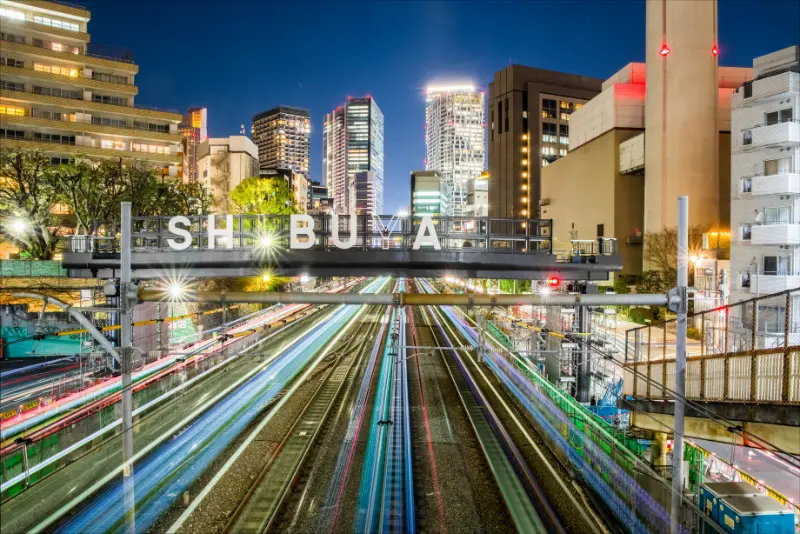
Tokyo feels intimidating before arrival because its rail map is dense and its neighbourhood names arrive all at once. Once you stop trying to understand the entire network and plan one or two connected districts per day, the city becomes surprisingly manageable. Shibuya, Shinjuku, Asakusa, Ueno, Ginza and the bay area each offer enough to justify focused time.
This five-day plan is designed for a first visit that mixes modern Tokyo, traditional districts, food, parks and observation points. It assumes you will use trains and subways extensively but avoids unnecessary cross-city zigzags. The official GO TOKYO and Tokyo Metro resources are especially useful because service details and ticket products can change over time.
Quick trip summary
- Stay near a useful station, but choose the neighbourhood atmosphere you want at night.
- Use an IC card or appropriate pass according to your journeys rather than buying every tourist pass automatically.
- Group districts: Shibuya/Harajuku, Asakusa/Ueno and Tokyo Station/Ginza pair naturally.
- Expect a surprising amount of walking inside stations and between platforms.
- Leave space for food, shopping and small discoveries; Tokyo rewards unstructured neighbourhood time.
How many days do you really need?
For Tokyo for First-Time Visitors, the itinerary below is a starting structure rather than a contract. The number of useful days depends on arrival time, jet lag, season, mobility and how strongly you prefer museums, food, nightlife or outdoor time. If your first or last day is mostly a flight day, do not count it as a full sightseeing day. This guide to building realistic itineraries explains why transfer and arrival days need their own category.
A reliable rule is to identify the two experiences you would genuinely regret missing, then protect time around them. Everything else should remain adjustable. That prevents a delayed train, rainstorm or tired child from turning the whole trip into a sequence of missed reservations.
Where to stay: choose logistics before decoration
The best neighbourhood is the one that supports the trip you actually plan to take. Look at the first journey of the morning, the final journey at night, airport access, restaurant options, hills or stairs and how easy it will be to return for a midday break. A beautiful hotel becomes less attractive if reaching it requires an awkward transfer every day.
| Area | Why it works — and the trade-off |
|---|---|
| Shinjuku | Excellent transport and a huge range of hotels, food and nightlife. Major stations are very large, so learn the exact exit closest to your hotel. |
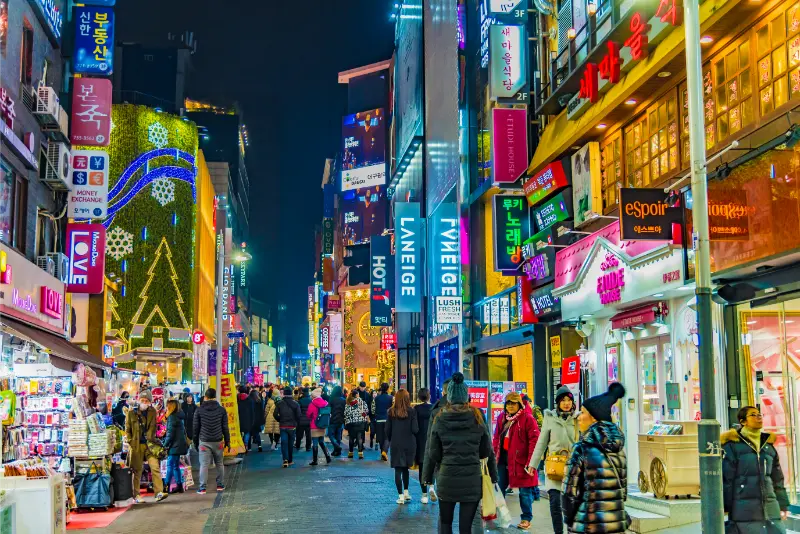
| Shibuya | Ideal for modern Tokyo, shopping and evening energy. It is convenient but busy, especially around the famous crossing. |
| Ueno / Asakusa | Good for a more traditional atmosphere, museums and easier access to the east side. Some travellers find it calmer than Shinjuku. |
| Tokyo Station / Ginza | Central, polished and extremely convenient for rail connections. Accommodation can be expensive, but it simplifies day trips and onward travel. |
A realistic day-by-day plan
Day 1: Shibuya and Harajuku
Begin with Shibuya as an orientation to modern Tokyo. The crossing is only one moment; the surrounding streets, viewpoints, department stores and food halls can fill several hours.
Walk or ride toward Harajuku and Meiji Jingu. The contrast between commercial streets and the shrine grounds gives the day variety without a long transfer.
Finish in Shibuya or Omotesando. Avoid adding Shinjuku just because it is nearby on the rail map; it deserves a separate evening or day.
Day 2: Asakusa, Ueno and old Tokyo contrasts
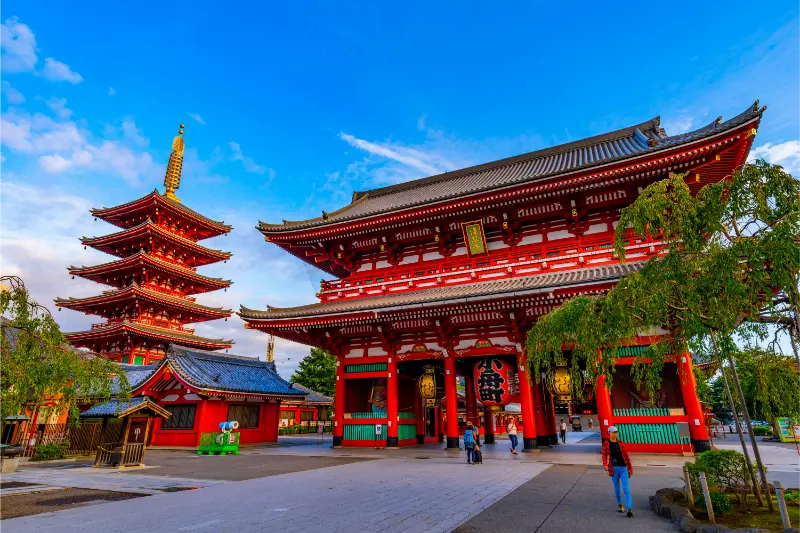
Start around Senso-ji and the streets of Asakusa. Earlier hours can be calmer, and the district is enjoyable beyond the temple itself.
Continue toward Ueno for the park, museums or Ameyoko depending on your interests. Choose one museum if you want indoor time.
A river or Skytree-area detour is optional. The day is already complete without it, which helps families and travellers sensitive to long walking days.
Day 3: Tokyo Station, Imperial Palace edge and Ginza
Explore Marunouchi and the Tokyo Station area, then walk part of the Imperial Palace perimeter or gardens according to access and opening information.
Continue to Ginza for architecture, shops and food. This is a good day to use department-store basements for an easy lunch or picnic-style dinner selection.
If you want a traditional performance or special dinner, this central location works well for a reserved evening.
Day 4: Shinjuku and your chosen Tokyo subculture
Use Shinjuku for viewpoints, gardens, shopping or entertainment. The station is a destination in logistical terms, so note exit numbers and landmarks before you arrive.
Add a focused interest: Nakano for pop culture, Kichijoji for a neighbourhood feel, or another western district. Do not try to combine all of them.
Keep the evening flexible. Shinjuku after dark feels different enough that staying in the same area is not repetitive.
Day 5: Odaiba, teamLab-style experience or a day trip decision
Use the last day for Tokyo Bay, a booked immersive attraction, Toyosu/Tsukiji food areas or a short day trip. The correct choice depends on the rest of your Japan itinerary.
If you are leaving Tokyo the next morning, avoid a distant excursion that returns late and complicates packing.
Tokyo always leaves unfinished possibilities. A good first trip accepts that rather than trying to eliminate it.
Pace check: if the morning takes longer than expected, remove the lowest-priority stop rather than compressing meals and transport. A good itinerary should become simpler under pressure, not more frantic.
Getting around without wasting the day
Tokyo’s transport system involves multiple operators, but travellers do not need to master every company. GO TOKYO recommends prepaid IC cards, travel passes or individual tickets depending on the journey, while Tokyo Metro provides multilingual guidance, station numbering and tourist information. Station numbers are particularly useful when pronunciation or similar names feel confusing. Large stations can add ten to twenty minutes between arriving on a train and reaching the correct street exit, so build this hidden time into reservations.
When comparing routes, use door-to-door time rather than the minutes shown for the train, Metro or taxi itself. Walking to the platform, waiting, transfers, finding the correct exit and reaching the attraction can easily double a “short” journey. Travellers with luggage, a stroller or limited mobility should prioritize fewer transfers even when the route is slightly longer on paper.
Food strategy: protect the trip, not just the restaurant list
Tokyo makes spontaneous eating easy if you are comfortable choosing from what you see. Department stores, station buildings, small noodle shops, sushi counters, bakeries and convenience stores all solve different travel problems. Reserve only experiences that matter, because overbooking restaurants can make sightseeing rigid. Families can use food halls to let everyone choose something different; travellers with dietary restrictions should research key phrases and suitable chains before arrival.

A useful rhythm is one planned meal and one flexible meal per day. This gives you a reason to explore but still lets the itinerary respond to hunger, weather and energy. Keep a backup option near the hotel for the evening when everyone is too tired to cross the city for a reservation that seemed exciting months earlier.
When to go and how the season changes the itinerary
Spring cherry-blossom periods and autumn foliage are famous, but they also increase demand in popular areas. Summer is hot and humid, requiring a slower pace and more indoor breaks. Winter is generally cooler and can offer clear days, while rainy periods require flexible outdoor planning. Tokyo’s density makes weather adaptation easy: shopping complexes, museums and underground connections can replace exposed walking without abandoning the district.
Instead of asking only for the “best month,” decide which compromise you prefer: better weather, smaller crowds, longer daylight, lower prices or a particular event. No season maximizes all five. The itinerary should change with daylight and temperature, especially when major parts of the day are outdoors.
Budget: where spending makes the biggest difference
Tokyo can be less expensive day-to-day than some travellers expect because excellent casual food and public transport are widely available, while hotels and long-distance rail can be major costs. Evaluate rail passes against your actual route; a pass is not automatically a bargain. A well-located smaller room may be a better trade than a larger hotel requiring multiple transfers. Use our itinerary-building guide if Tokyo is part of a longer Japan trip.
The smartest upgrades are usually the ones that buy time or remove friction: a better-located hotel, a direct airport transfer after an overnight flight, a timed ticket that prevents a wasted queue or a taxi at the end of an exhausting day. Cut costs on low-value extras before cutting the parts that make the route workable.
Common mistakes that make the trip harder
- Trying to understand the entire rail network before arrival instead of learning the lines you actually need.
- Planning Shibuya, Asakusa, Odaiba and Shinjuku in one day simply because trains are fast.
- Underestimating the walking inside major stations and shopping complexes.
- Buying a transport pass without comparing it with the journeys you will really take.
- Filling every evening with reservations and leaving no room for Tokyo’s spontaneous food and neighbourhood discoveries.
None of these mistakes is catastrophic, but several together can make a trip feel much more tiring than necessary. The solution is usually to remove one commitment, shorten one transfer or move one attraction to a future visit.
Families, older travellers and mixed-age groups
Tokyo is highly workable for families, but rush-hour trains, large stations and long transfers can be tiring with small children. Travel outside peak commuter periods when possible and keep one simple activity after a major attraction. Older travellers should choose hotels with straightforward station access and use station elevators when available rather than following the shortest stair-heavy route. Luggage forwarding can also simplify multi-city Japan journeys.
For mixed-age groups, decide in advance which experiences are “everyone together” moments and which are optional. It is often better to split for two hours and meet for lunch than to force every traveller through an activity that only part of the group enjoys. Build seating, toilets, shade and simple transport into the plan with the same seriousness as the famous sights.
Useful official resources
Opening hours, transport rules, closures and visitor procedures can change. Before the trip, confirm the details that affect your dates through official sources rather than relying only on an old screenshot or social-media post.
Final planning checklist
- Confirm entry requirements and travel documents for your nationality and transit route.
- Book only the scarce or high-priority attractions first; keep lower-priority activities flexible.
- Check the exact door-to-door route from your accommodation to the first two morning activities.
- Save offline copies of essential bookings and the hotel address.
- Build a weather alternative for at least one half-day.
- Leave a realistic buffer before flights, long-distance trains and non-refundable reservations.
- Pack for the walking and climate the itinerary actually involves, not only for photographs.
- Recheck official transport and attraction information shortly before travel.
The best first visit is not the one that proves you saw everything. It is the one that gives you a clear sense of place, enough energy to notice what is around you and at least one reason to come back. Use this itinerary as a framework, then remove anything that does not match your own interests, mobility or travel rhythm.