Category: Asia

Travel guides for Asia with practical itineraries, transport strategies, cultural considerations and realistic advice for different ages.

  • China in 10 Days by High-Speed Rail: Beijing, Xi’an and Shanghai Without Adding Domestic Flights

    China in 10 Days by High-Speed Rail: Beijing, Xi’an and Shanghai Without Adding Domestic Flights

    China’s scale can make a ten-day trip feel impossible before it starts. The solution is not to cover the country. It is to choose three cities that are very different and connect well by high-speed rail.

    Beijing, Xi’an and Shanghai form a strong first route: imperial history and hutongs, the Qin-era Terracotta Army and city walls, then China’s most internationally recognisable modern skyline and neighbourhood life.

    Beijing’s municipal government confirms that Beijing West serves high-speed routes to Xi’an, while Beijing’s rail network also connects toward Shanghai. The current system is extensive enough that domestic flights are unnecessary for this specific route.

    Quick trip summary

    • 4 nights Beijing, 2 Xi’an, 3 Shanghai, final departure day.
    • Use high-speed rail for both long intercity moves.
    • Book important trains once your passport/travel dates are final.
    • Choose one Great Wall section, not multiple.
    • Do not add Chengdu or Guilin to a ten-day first trip.

    Why this route works

    Beijing needs the longest stay because Forbidden City, Temple of Heaven, hutongs and the Great Wall are not geographically one compact cluster.

    Xi’an works efficiently in two nights when the Terracotta Army and old-city core are the priorities.

    Shanghai then changes the tone completely and is an excellent final city because neighbourhood walking, river views and modern museums can be adjusted easily around weather.

    A realistic itinerary at a glance

    DaysBaseMain focus
    1–4BeijingImperial sites, neighbourhoods and Great Wall
    5–6Xi’anTerracotta Army and old city
    7–9ShanghaiBund, neighbourhoods and flexible city time
    10DepartureAirport connection

    Day-by-day plan

    Day 1: Beijing arrival

    Stay near a useful subway line and keep the first walk local. Large blocks and security procedures mean distances often feel longer than the map suggests.

    Day 2: Imperial Beijing

    Build the day around the Forbidden City area and one adjacent historic space. Timed-entry rules can change, so verify official booking requirements before travel.
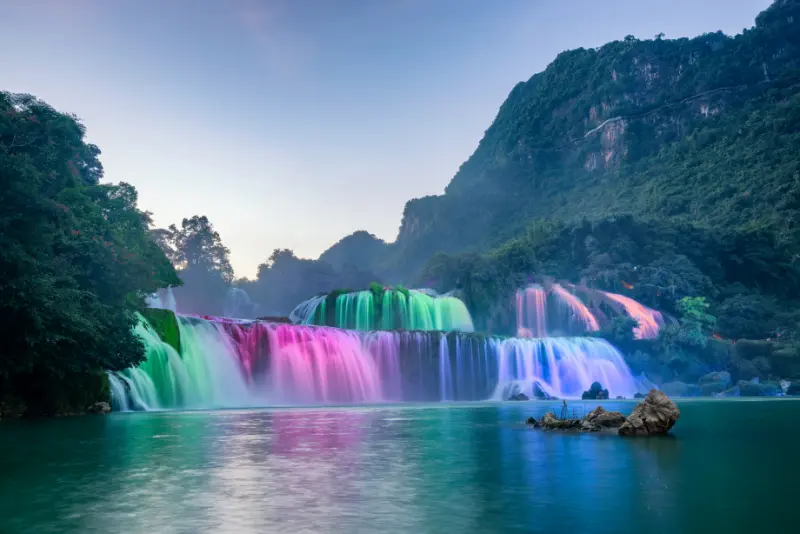
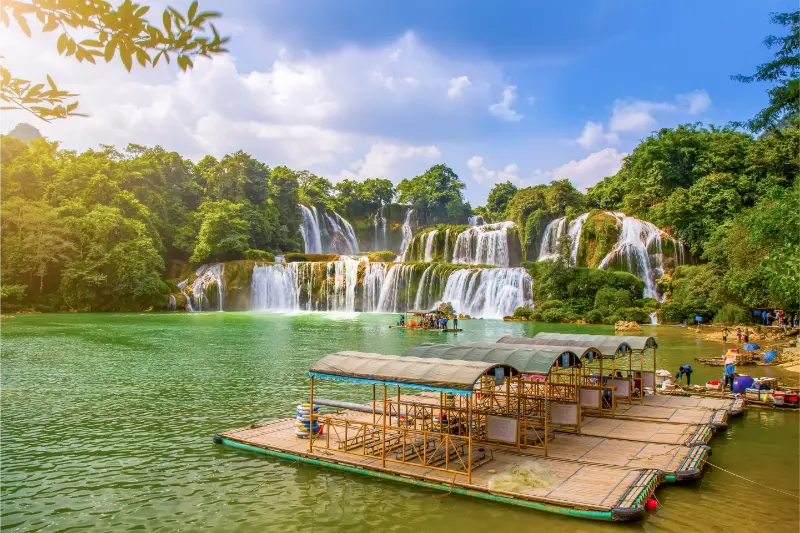
    Ban Gioc Detian Waterfalls On China Vietnam Border

    Day 3: Temple of Heaven and neighbourhood life

    Use the morning for a major monument and the afternoon for hutongs, parks or another area rather than another giant museum.

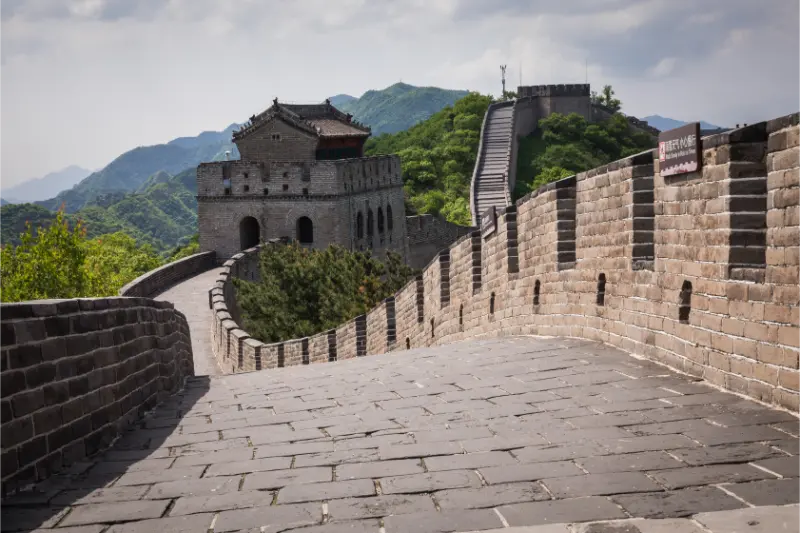
    Day 4: Great Wall

    Choose one section based on mobility, transfer time and crowd tolerance. A private driver or quality small-group tour can be worth the cost for families.

    Day 5: High-speed train to Xi’an

    Travel from the correct Beijing station, arrive Xi’an and use the evening for the city wall or Muslim Quarter depending on energy.

    Day 6: Terracotta Army

    Give the site most of the day, including transport. Return for a slower evening rather than adding another distant excursion.

    Day 7: Train to Shanghai

    Use a daytime high-speed service, then walk the Bund after check-in if energy allows.

    Day 8: Shanghai neighbourhood day

    Combine one historic/concession-area walk with a modern district or museum. Avoid crossing the entire city repeatedly.

    Day 9: Flexible Shanghai

    Use this for Pudong views, another museum, a water-town excursion only if it is a real priority, or simply more neighbourhood time.

    Day 10: Departure

    Know whether you are using Pudong or Hongqiao and leave enough time for the correct airport connection.

    Where to stay and how many hotel changes to make

    Beijing hotels near subway interchange stations can save significant time.

    In Xi’an, staying inside or just outside the wall makes the short city stay more efficient.

    Shanghai location should be chosen by metro access and your evening interests, not only by skyline view.

    Location matters more than a small difference in room price because a badly placed hotel can turn every meal and attraction into another transfer. Check the walking route from the station or drop-off point, not only the straight-line distance shown on the booking map.

    In historic centres, charm can come with stairs, small lifts, street noise and difficult taxi access. Recent guest reviews often reveal these details better than the room description, especially for families, older travellers and anyone carrying large luggage.
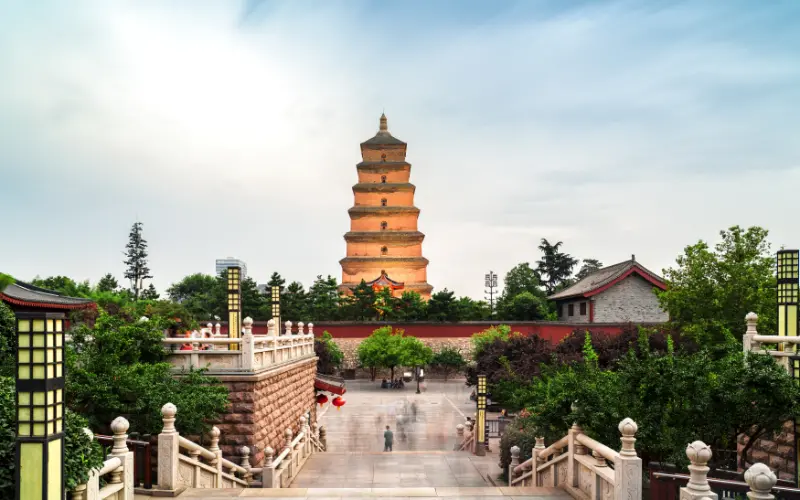
    The Giant Wild Goose Pagoda and its temple precinct in Xi’an

    Transport: what is worth planning in advance

    Chinese high-speed rail is excellent, but large stations require time for security, navigation and boarding.

    Always verify the exact station name; Beijing and Shanghai have multiple major terminals.

    Use metro for most city travel and taxis/ride-hailing selectively when a transfer is awkward.

    Think door to door rather than station to station. Checkout, the trip to the terminal, waiting time, luggage and the final ride to the next hotel can turn a short headline journey into half a travel day.

    Book fixed tickets early only when the savings justify losing flexibility. On days that depend on weather, a late-running tour or a long international arrival, flexibility can be worth more than the cheapest fare.

    Food and daily rhythm

    Treat Beijing, Xi’an and Shanghai as three separate food destinations rather than searching for one generic ‘Chinese food’ list.

    Order conservatively at first and add dishes; portion size and spice expectations vary.

    Use food to shape the pace of the day. A long regional lunch or market stop can be an experience in its own right and often gives the group the rest needed before another museum, fortress or evening walk.

    Do not force every meal to be famous or traditional. Mixing local specialties with simple breakfasts and familiar food is especially sensible on hot days, after long drives or when travelling with children.

    Families, children and older travellers

    High-speed rail is often easier than airports for families because city-centre access is better and the journey itself is comfortable.

    Older travellers should use elevators in stations and avoid itineraries that require repeated subway changes at rush hour.

    The Great Wall section should be chosen by mobility, not fame.

    For multigenerational travel, plan around the slowest comfortable pace rather than the maximum that the most energetic person can achieve. This produces better shared days and usually fewer last-minute taxi rides.
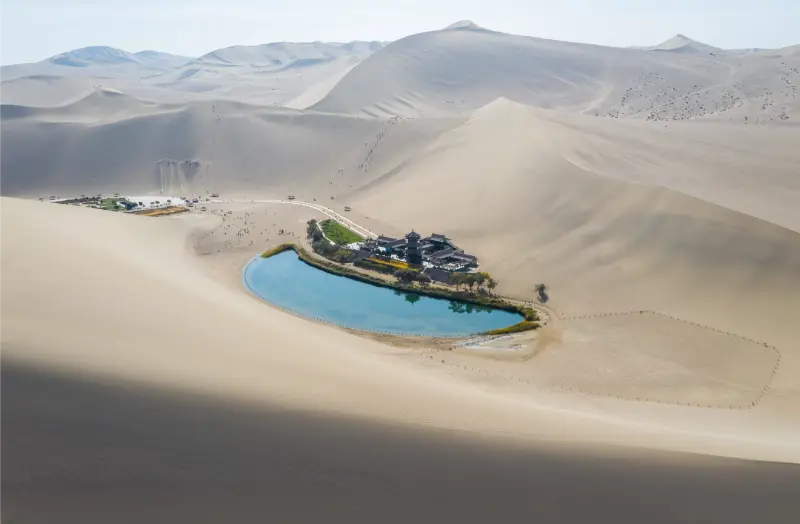
    Crescent Lake Oasis And Singing Sand Dunes Dunhuang Gansu China

    Give children and teenagers variety: a fortress after a museum, a beach after archaeology, a boat after a city walk. Changing the format is often more useful than adding another headline attraction.

    Budget: where the money really goes

    Rail, central hotels and major guided experiences are the main planning costs.

    A private Great Wall transfer can be better value for a group than losing hours to complicated public connections.

    Compare total trip cost, not only room rates and headline transport fares. Parking, luggage, transfers, mandatory fees and the time lost reaching a remote hotel can erase apparent savings.

    The best upgrades usually remove friction: a central hotel, a private transfer on the hardest leg, an experienced guide where context matters, or a direct connection that saves a full afternoon.

    Best time to go

    Spring and autumn generally suit the north-to-east route, but national holiday periods can change crowd levels dramatically.

    Summer heat/humidity and winter cold require different daily pacing.

    Shoulder season often gives the best balance between weather, room availability and crowd levels, but seasonal transport and attraction hours may be reduced. Always check the exact month rather than relying on a generic ‘best time’ label.

    Heat, rain, wind and short daylight change what a realistic sightseeing day looks like. Move outdoor priorities to the best part of the day and protect indoor alternatives instead of following the same schedule in every season.

    Comfort, accessibility and realistic pacing

    Four nights in Beijing allow jet lag and huge-scale sightseeing to coexist.

    Never schedule the Great Wall immediately before a long rail move; both deserve their own day.

    Travel fatigue compounds. A difficult transfer on Day 3 can make Days 4 and 5 worse as well, which is why this itinerary avoids one-night stops unless they solve a genuine geographical problem.

    A free half-day is not wasted time. It is insurance for weather, a delayed transfer, laundry, a child who needs a quiet afternoon or an attraction you discover only after arriving.
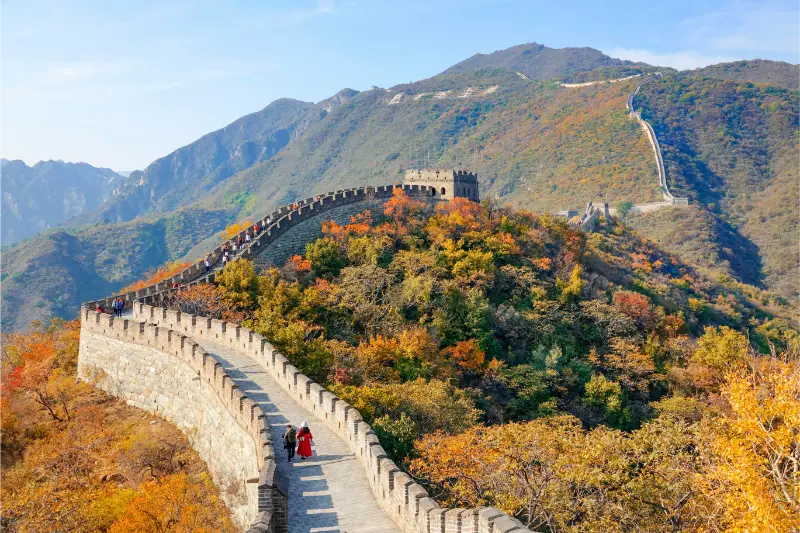
    Great Wall Of China In Autumn

    Small decisions that improve the trip

    Use high-speed rail instead of flights

    It keeps the route coherent and reduces airport repetition.

    Keep Xi’an to two focused nights

    The city can use longer, but this balance protects Beijing and Shanghai.

    Choose one Great Wall section

    More sections do not create a better first visit.

    What I would leave out on this length of trip

    Leave Chengdu, Guilin, Zhangjiajie and Hong Kong for a longer trip.

    Skip a water-town day trip from Shanghai if it means cutting the city to one full day.

    Mistakes that make this trip harder than it needs to be

    • Booking the wrong station.
    • Assuming famous attractions can always be entered without advance reservation.
    • Adding a fourth city to ten days.
    • Underestimating station walking/security time.
    • Choosing a Great Wall section only from photos.
    • Treating Shanghai solely as the Bund and Pudong skyline.

    How I would adapt the itinerary

    With seven days, use Beijing and Shanghai only or Beijing plus Xi’an.

    With fourteen days, add one additional region with at least three nights rather than several quick stops.

    Before booking

    • Verify current entry/visa rules for your nationality.
    • Book required attraction slots.
    • Confirm exact railway stations.
    • Save addresses in Chinese characters.
    • Check airport name before departure.

    Practical questions

    Can I do this without domestic flights?

    Yes. High-speed rail is one of the main reasons this three-city route works.

    How early should I arrive at stations?

    Allow more time than you would for a small European station because of security, terminal scale and identification checks.

    Is Xi’an worth only two nights?

    Two nights cover the main first-trip priorities; three is better if you want more museums and neighbourhood time.

    Final thoughts

    Ten days cannot show China, but they can show three very different versions of it.

    High-speed rail makes Beijing, Xi’an and Shanghai a coherent first journey without turning every third day into an airport day.
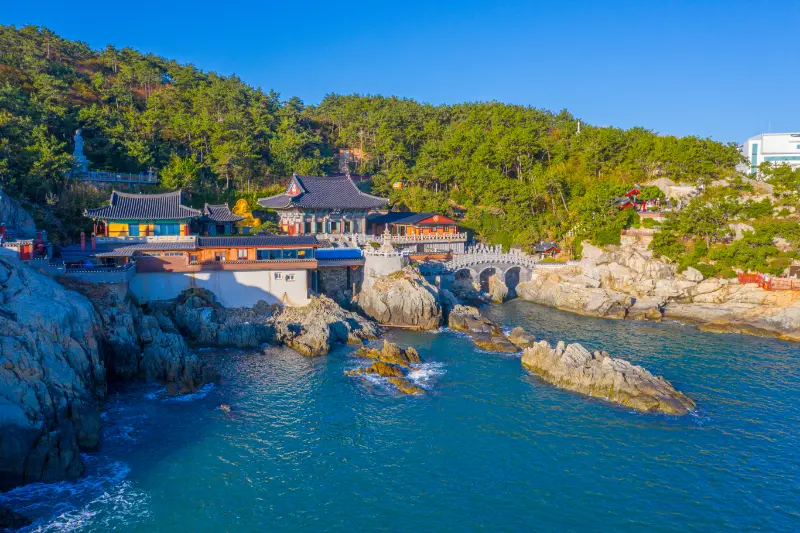
  • Busan in 5 Days: Beaches, Markets and Temples Without Crossing the City for Every Photo Stop

    Busan in 5 Days: Beaches, Markets and Temples Without Crossing the City for Every Photo Stop

    Busan Busan is much larger and more spread out than its coastal postcard suggests. Haeundae, Gwangalli, Nampo, Gamcheon and the eastern temples sit in different parts of a long metropolitan area, so a good itinerary is mainly an exercise in geography. Five days gives you enough time to enjoy the coast, markets and neighbourhoods without spending every morning and evening on a cross-city subway ride.

    If this destination is part of a wider trip, compare the pacing with South Korea in 10 Days: Seoul, Gyeongju and Busan Without Changing Hotels Every Night. The city guide adds local depth; the wider itinerary is better for deciding how this stop fits into the rest of the journey.

    Quick trip summary

    Ideal stay 5 days for a first trip
    Best approach Group each day by geography and keep one flexible block
    Transport strategy Use the fastest reliable mode for long moves, then explore locally on foot
    Who it suits First-time visitors, couples, solo travellers, families and slower-paced travellers
    Most common mistake Adding distant attractions because they look close on a map

    How to plan the trip before booking

    Before booking, separate the trip into three kinds of decisions: fixed reservations, neighbourhood choices and flexible time. Fixed items are the experiences that genuinely sell out or control the rest of the day. Neighbourhood choices determine where you sleep and how much time you spend in transit. Flexible time protects the itinerary when weather, traffic, queues or tiredness change the original plan.

    A useful city itinerary should not feel full on paper. It should still work after a late breakfast, a museum that takes longer than expected or one cancelled transfer. Aim for one major anchor, one secondary experience and a free block most days.

    Where to stay: choose location before hotel style

    Base Why choose it
    Seomyeon Best all-round transport base for first-time visitors who want easier access to both eastern beaches and western markets.
    Haeundae Ideal for beach atmosphere, seaside walks and eastern attractions, but far from Nampo and Gamcheon.
    Gwangalli Good for evening bridge views, restaurants and a more relaxed beachfront feel.
    Nampo / Jung-gu Excellent for Jagalchi, BIFF Square and western sights, especially if food markets are a priority.

    A beautiful room is not automatically a useful base. Map the first activity of the morning, the likely dinner area and the departure route. If the hotel creates two unnecessary transfers every day, the hidden cost is time and energy as well as money.

    A realistic 5-day itinerary

    Day 1: Nampo, Jagalchi and central markets

    Begin with the western core around Jagalchi, BIFF Square and nearby markets. Add Yongdusan or another central viewpoint if visibility is good, then spend the evening eating in the same area. Do not combine this with Haeundae simply because both are famous; the transfer is longer than the map suggests.

    Day 2: Gamcheon and western neighbourhoods

    Visit Gamcheon early enough to walk its steep lanes before the busiest period, then pair it with other western or central districts. Treat the neighbourhood respectfully as a lived-in area. Return to Nampo or Seomyeon for dinner rather than adding a distant beach sunset after a full day on hills.

    Day 3: Haeundae and the eastern coast

    Move east for Haeundae, coastal walks and one nearby attraction. Choose the beach, Dongbaek area, scenic train or coastal route according to weather and mobility; trying every attraction along the shoreline can create more queueing than scenery. Stay for dinner in Haeundae.

    Day 4: Haedong Yonggungsa and Gijang side

    Use an early start for Haedong Yonggungsa and continue with selected coastal stops in the Gijang direction. Bus and taxi combinations may be more practical than forcing subway-only routing. Check sea conditions and weather if your plan includes exposed viewpoints.

    Day 5: Gwangalli, museum or flexible recovery day

    Keep the final day more local. Visit a museum, spa or café district, then spend the evening at Gwangalli when the bridge lights become part of the atmosphere. If rain disrupted a coastal day earlier, this is the buffer that lets you move that experience without damaging the entire itinerary.

    Getting from the airport or station and handling arrival day

    Most visitors arrive at Busan Station by high-speed rail or at Gimhae International Airport. The airport light rail connects into the metro network, but the final journey to Haeundae can be substantial. Choose your accommodation location before deciding whether public transport or a taxi is best on arrival. From Busan Station, subway and taxis connect to the main visitor districts.

    Arrival day should carry less risk than the rest of the trip. Keep the first reservation easy to cancel, learn the route back to the hotel before staying out late and avoid building the day around a connection you cannot control.

    Getting around without wasting the day

    Busan has an extensive metro and bus system, but distances are significant. Group attractions by east, west and central zones. Taxis can be cost-effective for small groups when they eliminate multiple transfers, especially around temples or hillside areas. Use navigation apps that work reliably in Korea and save Korean place names when possible.

    When comparing two routes, include walking to the station, waiting, transfers and the final approach. The route with fewer changes is often better for families, luggage, older travellers and anyone visiting in difficult weather.

    Best time to visit and how the season changes the itinerary

    Spring and autumn are excellent for walking and coastal views. Summer is humid and beach-oriented, with higher crowd levels and the possibility of heavy rain or storms. Winter can be cold and windy but clear. Coastal weather may differ from inland conditions, so keep exposed walks flexible.

    Season also changes hotel prices, daylight, event calendars and how tiring outdoor sightseeing feels. If your dates are fixed, adapt the daily rhythm rather than forcing an itinerary designed for another month.

    What to book first

    Book first what is difficult to replace: timed monuments, limited-capacity tours, high-demand museums, special performances or transport that determines the rest of the route. Leave ordinary neighbourhood walks, most meals and flexible museums open unless a specific reservation matters to you.

    Recheck opening days, reservation procedures, local transport notices and access rules shortly before departure. These operational details change faster than the overall logic of a good itinerary, so the official source should win over an old screenshot or saved social post.

    Food strategy: eat well without crossing the city for every meal

    Busan is a strong food destination for seafood, soups, noodles and market eating. Jagalchi is famous but should not be your only reference point. Try local specialties in the district you are already visiting and ask prices before ordering high-value seafood. Build one unhurried market meal into the itinerary rather than grazing continuously while sightseeing.

    For a multi-age group, a reliable breakfast and an easy lunch often matter more than one additional attraction. Use meals as genuine rest and part of the travel experience rather than another task to complete quickly.

    Travelling with children

    Beaches, cable or scenic transport, aquariums and markets can create a varied family trip, but the city’s scale makes late-day transfers tiring. Gamcheon has steep stairs and traffic on narrow lanes. Keep one beach or park block each day where children can move without needing to follow a museum pace.

    With children, reduce transitions before reducing the highlights. Alternate one structured indoor visit with something that allows movement, and always know where the easy route back to the hotel is before starting a long afternoon.

    Travelling at a slower pace or as a senior

    Choose a base near a major metro interchange and use taxis selectively for steep or poorly connected attractions. Gamcheon and some coastal trails include stairs and inclines, so plan alternatives. Haeundae and Gwangalli provide flatter promenades for easier walking days.

    Slower travel often improves a city itinerary because it forces better geographic choices. Use transport to remove unrewarding distance, then spend walking energy on the streets, museums, viewpoints and markets that actually define the destination.

    Budget planning

    Build the budget in layers: accommodation, arrival/departure transport, local transport, fixed attractions, food and a reserve for spontaneous choices. The cheapest hotel is not necessarily the cheapest trip if it creates two extra rides every day. Likewise, a pass is valuable only when its transport zones and included attractions match the itinerary you will really follow.

    Keep a separate allowance for weather-driven changes. A taxi during heavy rain, a last-minute indoor attraction or a different ferry can protect a travel day without feeling like a budget failure.

    Weather backup plan

    Every multi-day trip needs at least one movable block. Put the most weather-sensitive viewpoint, boat, beach, mountain or outdoor experience in that block and decide its exact day after checking the short-range forecast. Indoor museums, markets and neighbourhood food can usually move in the opposite direction.

    Do not read only the temperature. Wind, visibility, rain intensity, humidity and daylight can change the quality of an experience much more than a few degrees.

    Connectivity, payments and small practical details

    Download an offline map before arrival, save the hotel address in the local language when useful and keep screenshots or offline copies of critical tickets. An eSIM or local data plan can simplify live transport information, but do not depend on a phone battery for every part of the day.

    Cards are common in many visitor areas, but keep a small backup payment method and check whether local transport uses contactless bank cards, a dedicated card or paper tickets. Smaller businesses may not follow the same payment habits as major hotels.

    What to pack

    Comfortable shoes, a small day bag, sun protection and weather layers matter more than extra outfits. Add any medication you may need during the day and a refillable bottle where practical. Pack for the conditions you will actually walk through, including air-conditioning, rain and evening temperature changes.

    Common mistakes to avoid

    • Booking a hotel based only on beach views without considering how often you plan to visit Nampo or western Busan.
    • Putting Haeundae, Gamcheon and Jagalchi on the same day.
    • Assuming every coastal attraction is directly beside a metro station.
    • Underestimating summer humidity, rain and the effect of wind on exposed coastal routes.
    • Treating Gamcheon as a theme park rather than a residential neighbourhood.

    Responsible travel and local etiquette

    Treat residential streets, markets, places of worship, memorial sites and working neighbourhoods as real parts of the city rather than scenery. Follow local instructions, keep entrances and pavements passable, ask before photographing people in sensitive settings and spend with local businesses when it fits naturally.

    In natural settings, stay within marked routes and respect closures even when another visitor appears to ignore them. Access rules often protect both visitors and the place itself.

    If you have less or more time

    With three days, choose one western day, one eastern beach day and one central/flexible day. Four days adds Gamcheon or the eastern temple corridor comfortably. With six days, slow down the coast and add another neighbourhood or spa day instead of increasing the number of long-distance day trips.

    Safety and decision-making on the day

    Use ordinary urban awareness: keep valuables controlled in crowded places, use clearly identified transport, avoid displaying a phone unnecessarily near traffic and follow current local advice about specific streets or transport hubs. Safety conditions can differ by neighbourhood and time of day, so hotel staff and official notices are more useful than blanket claims that an entire city is either “safe” or “unsafe”.

    Set a practical turnaround time for excursions and departure days. Missing a secondary attraction is cheaper than missing a flight, travelling exhausted late at night or forcing a route after conditions have changed.

    Useful official and planning resources

    Opening hours, fees, transport schedules and access rules change more often than the basic geography. Recheck the official source shortly before departure.

    Final planning checklist

    • Confirm passport, visa, transit and health requirements for your nationality.
    • Reserve the attraction, tour or transport that controls the rest of the itinerary.
    • Save your accommodation address and first-day route offline.
    • Recheck weather, closures and transport notices before each critical day.
    • Keep at least one half-day that can absorb a delay or become simple rest.
    • Leave a generous buffer before flights and other costly connections.

    A strong trip to Busan should feel as though you understood how the place fits together, not merely that you collected its famous names. Protect the fixed reservations that matter, group the rest by geography and remove anything that creates more transit than experience.

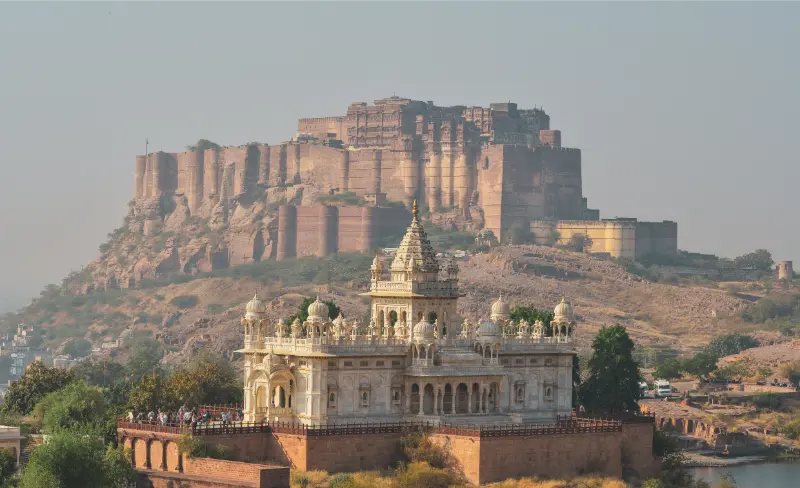
  • Jodhpur in 4 Days: Mehrangarh Fort, Blue City and Markets Without Rushing Rajasthan

    Jodhpur in 4 Days: Mehrangarh Fort, Blue City and Markets Without Rushing Rajasthan

    If this stop is part of a wider journey, use India’s Golden Triangle in 10 Days: Delhi, Agra and Jaipur for the broader planning decisions and this guide for the destination-level details.

    Quick trip summary

    • Ideal stay: 4 days for a first visit.
    • Best approach: one major experience per half-day, with at least one flexible block for weather, fatigue or transport changes.
    • Good for: first-time visitors, couples, families, senior travellers and independent travellers who prefer a realistic pace.
    • Main planning risk: treating map distance as if transfers, queues, terrain, heat and meals took no time.

    Is this the right trip for you?

    Jodhpur is one of Rajasthan’s most satisfying cities when you give it enough time to move beyond the famous blue-house photographs. Mehrangarh Fort dominates the skyline, the old city compresses markets, temples and lanes into a dense walkable core, and the wider urban area adds palaces, gardens and access to the desert landscape. Four days lets you absorb the fort properly, explore the old city at different times of day and add one excursion without turning Rajasthan into a sequence of long transfers.

    Jodhpur rewards a little patience. You can see Mehrangarh Fort from much of the city, but the pleasure of staying longer is discovering the streets below it: small workshops, quiet courtyards and the bustle around the Clock Tower. Make the fort your big first-day visit, then give the old neighbourhoods their own unhurried morning.

    Where to stay

    AreaWhy choose it
    Clock Tower / old city edgeBest for atmosphere, markets and easy access to the Blue City; expect noise, narrow lanes and limited vehicle access.
    RatanadaA practical middle ground with hotels, restaurants and easier road access while remaining reasonably close to the old city.
    PaotaUseful for transport connections and travellers who value straightforward taxis over heritage ambience.
    Palace / Circuit House sideQuieter, more spacious and often more comfortable for families or senior travellers, but you will use taxis more often.

    Staying close to the Clock Tower puts markets and old-city walks within easy reach, but it can also mean lively streets and late-night noise. A hotel outside the narrow lanes may be easier for taxis and luggage. Compare the actual approach to the property, not just the rooftop view of Mehrangarh in the photographs.

    Ask your hotel where a car or auto-rickshaw can stop. Some guesthouses sit up steep lanes that are charming with a camera and less charming with heavy bags in the heat. If you are arriving late, arrange the final pickup or walking directions before you set off, ideally with a map you can use offline.

    How to get there

    Jodhpur has rail and air connections with major Indian cities, and trains are often the most useful choice on a Rajasthan itinerary. Road transfers from Jaipur, Udaipur or Jaisalmer can also work, but distances are long enough that an apparently simple route consumes much of a day. Arrive with the exact hotel access point saved offline because vehicles may not reach every old-city lane.

    Whether you arrive at Jodhpur Junction or the airport, keep the first afternoon simple. Go straight to the hotel, drink some water and get your bearings before setting out. A short visit to Sardar Market is a better first-day plan than racing to the fort after a delayed train or a long road journey.

    Getting around

    Auto-rickshaws and app-based or hotel-arranged cars handle most longer trips, while the old city is best explored on foot in short sections. Do not plan to cross Jodhpur repeatedly in midday traffic. Group Mehrangarh, Jaswant Thada and the nearby blue neighbourhoods together, then use a separate day for Umaid Bhawan Palace, Mandore or a village excursion.

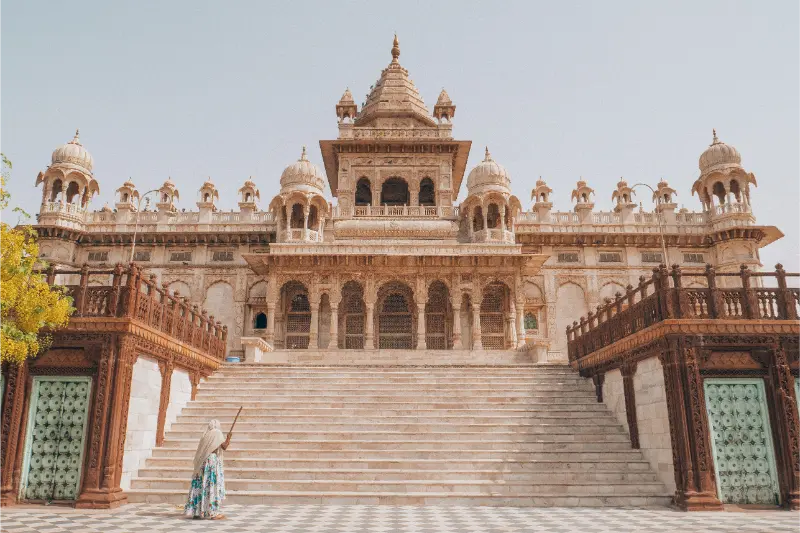
    Jaswant Thada Marble Cenotaph Staircase Jodhpur

    Walking is the best way to appreciate the old lanes, though the slopes, traffic and uneven surfaces can make even a short distance tiring. Use an auto-rickshaw for the less interesting stretches and agree on the fare or booking method in advance. For Umaid Bhawan and Mandore, plan a vehicle instead of trying to connect everything on foot.

    A realistic itinerary

    Build your first two days around the old city and the fort, starting outside before the afternoon heat gathers. Keep Umaid Bhawan and Mandore for a separate outing, and decide on the final-day excursion once you know how much energy you have. Exact opening arrangements can change, so check them before fixing a driver or guide.

    Day 1 – Mehrangarh Fort and Jaswant Thada

    Start early at Mehrangarh before the strongest heat. Give the fort several hours for courtyards, galleries, ramparts and city views rather than treating it as a photo stop. Continue to Jaswant Thada and then descend gradually toward the old city. Finish near the Clock Tower and Sardar Market when the streets become livelier in the late afternoon.

    Day 2 – Blue City lanes and old Jodhpur

    Use the morning for a guided or self-guided walk through selected blue neighbourhoods, temples and old lanes. The colour is only one part of the experience; look for water systems, domestic architecture and everyday street life. Keep the route compact, stop for lunch and return to the market area later rather than walking through the hottest hours.

    Day 3 – Umaid Bhawan, Mandore and a slower evening

    Visit the museum section of Umaid Bhawan Palace, then continue to Mandore Gardens for cenotaphs and a different layer of Marwar history. This is a taxi day rather than a walking day. Return before evening traffic becomes difficult and leave the last hours for a rooftop meal with a fort view.

    Day 4 – Bishnoi villages or Osian

    Choose one excursion. A reputable Bishnoi village experience can focus on craft traditions, rural landscapes and local communities; Osian offers temple architecture and a desert-edge setting. Avoid squeezing both into the same day unless transport is private and the purpose is clear. Return to Jodhpur with enough daylight margin for road delays.

    If you choose Osian, the temples deserve time on their own; if you choose a Bishnoi village visit, make sure the operator explains who you will meet and how the visit benefits the hosts. Either outing involves travel beyond the city. Keep the evening free rather than promising yourself another long market walk immediately afterwards.

    How many days do you really need?

    With only three days, I would keep Mehrangarh, the old city and either Umaid Bhawan or Mandore, leaving the desert-edge outing for another trip. Five days allow a more leisurely pace: linger in a blue neighbourhood, return to a favourite café or spend an afternoon with a local guide instead of adding distant stops for the sake of it.

    Four days feel comfortable in Jodhpur because the main experiences are varied, not because there is a perfect four-day checklist. You can devote a morning to the fort, another to the blue lanes and still have room for palaces or gardens. If you are crossing Rajasthan quickly, shorten the excursion day before trimming the time spent in the city itself.

    Best time to visit

    October to March is the most comfortable period for extended walking and fort visits. April to June can be extremely hot, requiring very early starts and long midday breaks. The monsoon changes the atmosphere but can bring humidity and transport disruption, so flexible planning matters more than an ambitious daily schedule.

    For long walks through the old city, the cooler months are easier than the height of summer. If your dates overlap with a festival or holiday, expect a different rhythm around markets, hotels and transport. In the hotter months, plan early mornings and genuine afternoon breaks; carrying more water will not make a midday climb feel pleasant.

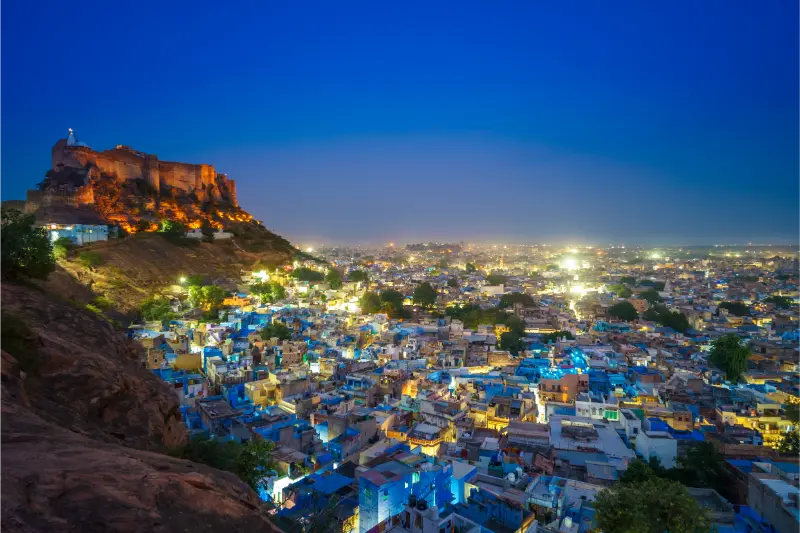
    Mehrangarh Fort And Blue City Jodhpur At Night

    What deserves advance booking?

    Reserve a well-reviewed hotel early in peak winter months and around major festivals. Mehrangarh itself is usually straightforward to visit, but specialist heritage walks, village experiences and private drivers are better arranged in advance if they are central to the trip. Train seats on popular Rajasthan routes should not be left until the last moment.

    Reserve the parts that are difficult to arrange at short notice: a sought-after heritage hotel, a specialist guide or a trusted driver for Osian or a village visit. You can usually leave ordinary market walks and rooftop meals more flexible. It is much nicer to change the order of your days than to rush through the best part of town to meet a booking.

    Food and drink

    Jodhpur is a good place to explore Marwari flavours, from savoury snacks to sweets. Try local specialities gradually rather than making every meal heavy, especially in hot weather. Busy established shops are often a better bet for snacks than choosing purely by social-media popularity. Rooftop restaurants provide views, but quality varies, so recent reviews matter.

    Stop for a proper lunch when the old lanes are at their hottest. Jodhpur’s savoury snacks and sweets are part of the visit, but you do not need to sample everything in one sitting. Choose places with a steady turnover of customers, carry drinking water and let dinner be an easy end to the day rather than another journey across town.

    Families, senior travellers and mixed-age groups

    Families should reduce midday walking and choose a hotel with reliable air-conditioning and easy vehicle access. The fort can fascinate children but involves uneven surfaces and stairs. Senior travellers will usually enjoy Jodhpur more with a driver for the dispersed sights and a carefully selected old-city walk rather than trying to cover every lane on foot.

    Mehrangarh is spectacular, yet its stairs and exposed spaces can wear people out faster than expected. For families or a group with different walking abilities, agree on the galleries you most want to see and allow time to sit. One person can explore an extra courtyard while the others enjoy the view without having to keep up.

    Accessibility

    Historic Jodhpur is not a place to judge by the word ‘central’ on a hotel listing. Lanes may be steep or uneven, vehicle access can end before your door and parts of the fort involve steps. If step-free access matters, ask both the hotel and each attraction about the exact route, including the drop-off point and accessible toilets.

    Budget: where to spend and where to save

    Jodhpur can be good value, but transport and heritage-hotel upgrades change the budget quickly. Spend on location, a knowledgeable guide for one historic walk and reliable transport for an excursion. Save by keeping at least one full day centred on the old city, where many experiences are close together.

    The cheapest room is not always the least expensive base if every outing needs a long taxi ride. On the other hand, paying extra for a fort view is worth it only if you will enjoy being there. Set aside some budget for a knowledgeable local guide or a reliable excursion vehicle, then balance the rest with inexpensive old-city days.

    Safety and practical awareness

    Heat, traffic and uneven surfaces are more common problems than dramatic security issues. Use normal precautions with valuables in markets, agree fares or use reputable transport, and be cautious with food and water according to your usual travel-health practices. Respect photography restrictions and ask before photographing people closely.

    Keep your train details, accommodation address and the number of your driver available without mobile data. In crowded market lanes, carry only what you need and keep valuables close without becoming anxious about every interaction. Before travelling through Rajasthan, check the latest entry, health and transport advice from official sources rather than relying on an old itinerary.

    One day trip or regional extension

    Osian works well for temple architecture and a desert-edge landscape, while a carefully chosen Bishnoi village visit offers a different cultural focus. If Jaisalmer is already part of your route, do not add an expensive generic ‘desert experience’ in Jodhpur simply to duplicate what you will do later.

    Osian and a Bishnoi village experience offer different reasons to leave Jodhpur. One is mainly about temples and the desert-edge landscape; the other should centre on respectful encounters with local people and crafts. Pick the experience you genuinely want and ask about travel time from your hotel, not an optimistic distance measured from the edge of the city.

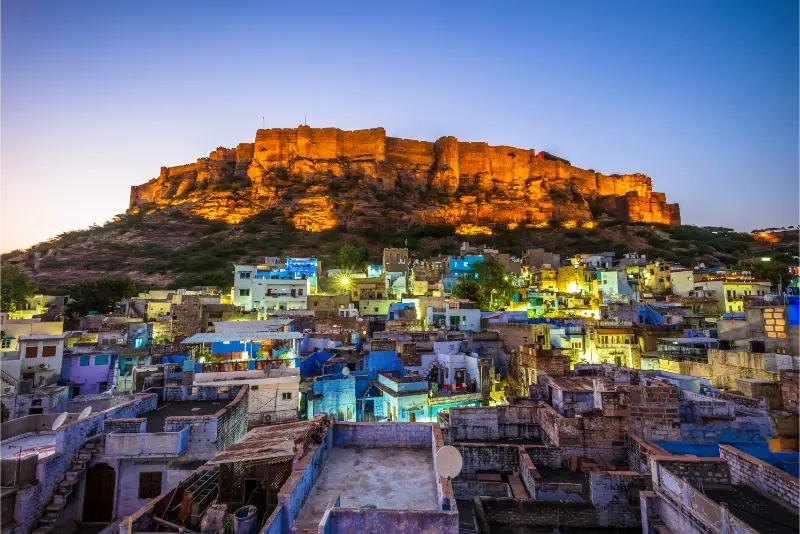
    Mehrangarh Fort Above Blue City Jodhpur At Dusk

    How to handle bad weather or extreme heat

    When Jodhpur is very hot, do not try to rescue the day by walking faster. Visit the fort or the older streets early, then spend the middle hours somewhere shaded or air-conditioned. A late-afternoon return to the market can be lovely. If rain interrupts an outing, check road conditions before committing to a trip outside the city.

    Solo travel

    Travelling alone makes the old city easy to explore at your own speed. Stay somewhere with a clear arrival route, particularly if your train comes in after dark, and consider a well-reviewed guide for the first walk through the smaller lanes. For longer outings, arrange transport with a reliable operator rather than improvising the return late in the day.

    Evenings and nightlife

    One evening, choose a rooftop where you can watch the fort change colour as the light fades. On another, wander around the Clock Tower while the shops are still busy and stop when something catches your eye. There is no need to schedule a performance or expensive dinner every night; Jodhpur is interesting enough at street level.

    Photography without turning the trip into a photo shoot

    The blue houses are people’s homes, not a purpose-built backdrop. Early light is beautiful in the lanes beneath Mehrangarh, but keep doorways clear and ask before pointing a camera into a courtyard or at someone working. The fort also gives sweeping views that tell the story of the city without asking residents to pose for strangers.

    Shopping and souvenirs

    The markets are good places to look at textiles, spices and small craftwork, but do not buy the first object labelled ‘traditional’ without asking who made it. Compare quality and prices calmly, especially for pieces that will be hard to pack. If you are considering antiques or animal-derived materials, check what you can legally take home first.

    What to pack

    Bring shoes with a reliable grip for the fort and the uneven old streets. A sun hat, refillable water bottle and light layers will be more useful than an elaborate outfit planned for photographs. Modest clothing helps at temples, and a small bag is easier to manage than a backpack that catches on people in crowded market lanes.

    Common planning mistakes

    A common Jodhpur mistake is expecting to visit the fort, wander the blue city, shop at Sardar Market and cross town to a palace in one uninterrupted day. The midday heat and old-city traffic make that tiring. Another mistake is booking an atmospheric guesthouse without checking how you will actually reach its entrance with luggage.

    Keep one afternoon loose. If the fort takes longer than planned, or you find a workshop you want to spend time in, you can drop an optional market circuit without sacrificing the whole trip. That freedom is especially valuable in Jodhpur, where the best moments often happen when you are no longer looking at the next stop on the map.

    Practical habits that make the trip easier

    • Save offline maps and the exact names of stations, terminals, hotel entrances and meeting points.
    • Carry a small amount of local cash even when cards are widely accepted.
    • Check the last practical return option before starting a day trip.
    • Download tickets and booking confirmations before leaving reliable Wi-Fi.
    • Separate one payment card from your main wallet and keep backup contact details offline.
    • Recheck weather, transport notices and opening hours on the morning of any fixed excursion.

    Official information to check before you go

    Opening days, transport, weather-sensitive access and event schedules can change. Recheck the details that control fixed reservations shortly before travel, especially during public holidays, major festivals or severe weather.

    Final planning checklist

    • Confirm passport, visa, entry and transit requirements for your nationality.
    • Choose accommodation by the journeys you will repeat, not by price alone.
    • Reserve only the attractions or excursions that genuinely control the day.
    • Save offline copies of tickets, hotel details, insurance information and essential addresses.
    • Check the exact airport, station, bus terminal, ferry pier or pickup point before arranging transfers.
    • Keep one flexible half-day for weather, fatigue or something discovered after arrival.
    • Recheck official opening information and local transport shortly before each fixed day.

    Final thoughts

    Jodhpur stays in the memory for more than its skyline. The view from Mehrangarh is remarkable, but so are the smaller details: a doorway in the blue lanes, the noise of the market and a relaxed dinner as the fort lights come on. Four days give you the chance to notice those things rather than racing between landmarks.

  • Hiroshima in 4 Days: Peace Memorials, Miyajima and Food Without Rushing the City

    Hiroshima in 4 Days: Peace Memorials, Miyajima and Food Without Rushing the City

    Hiroshima Hiroshima deserves more than a fast stop between Kyoto and Fukuoka. The city carries one of the most important modern histories in Japan, but it is also a lived-in regional capital with rivers, neighbourhoods, gardens, baseball culture and one of the country’s most satisfying local food scenes. Four days gives you enough time to visit the memorial sites with the attention they deserve, spend a full day on Miyajima and still see Hiroshima as a city rather than only a historical lesson.

    If this destination is part of a wider trip, compare the pacing with Japan Beyond Tokyo in 10 Days: Kyoto, Nara, Hiroshima and Osaka Without Constant Packing. The city guide adds local depth; the wider itinerary is better for deciding how this stop fits into the rest of the journey.

    Quick trip summary

    Ideal stay4 days for a first trip
    Best approachGroup each day by geography and keep one flexible block
    Transport strategyUse the fastest reliable mode for long moves, then explore locally on foot
    Who it suitsFirst-time visitors, couples, solo travellers, families and slower-paced travellers
    Most common mistakeAdding distant attractions because they look close on a map

    How to plan the trip before booking

    Before booking, separate the trip into three kinds of decisions: fixed reservations, neighbourhood choices and flexible time. Fixed items are the experiences that genuinely sell out or control the rest of the day. Neighbourhood choices determine where you sleep and how much time you spend in transit. Flexible time protects the itinerary when weather, traffic, queues or tiredness change the original plan.

    A useful four- or five-day city itinerary should not feel full on paper. It should still work after a late breakfast, a museum that takes longer than expected or one cancelled transfer. Aim for one major anchor, one secondary experience and a free block most days.

    Where to stay: choose location before hotel style

    BaseWhy choose it
    Hiroshima StationBest for rail connections, airport buses and early departures to Miyajima or other parts of western Japan.
    Hondori / KamiyachoExcellent for first-time visitors who want restaurants, trams and easy access to the Peace Memorial Park.
    Peace Park areaQuiet and convenient for memorial sites, especially if you prefer to begin early before larger groups arrive.
    Nagarekawa / HatchoboriUseful for evening dining and nightlife while remaining within easy tram reach of the main sights.

    A beautiful room is not automatically a useful base. Map the first activity of the morning, the likely dinner area and the departure route. If the hotel creates two unnecessary transfers every day, the hidden cost is time and energy as well as money.

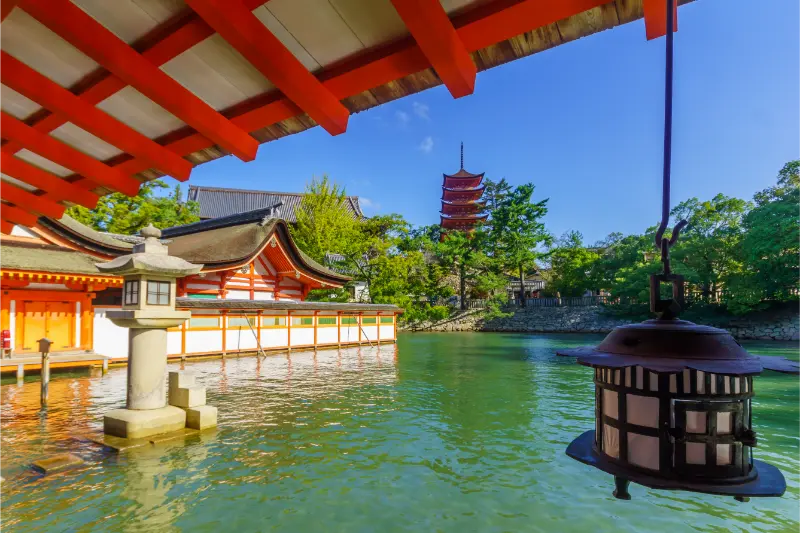
    Itsukushima Shrine Over Water Miyajima Hiroshima Japan

    A realistic 4-day itinerary

    Day 1: Peace Memorial Park and central Hiroshima

    Begin early at the Peace Memorial Park and give the museum, Atomic Bomb Dome and surrounding memorials enough time. This is not a place to squeeze between lunch reservations. Afterward, walk along the rivers and move gradually toward Hondori or Shukkeien rather than immediately adding another major excursion. Keep the evening simple and choose a local okonomiyaki restaurant near your hotel.

    Day 2: Miyajima as a full day, not a rushed half-day

    Travel to Miyajima in the morning and let tide, weather and your energy decide the order of Itsukushima Shrine, the village streets and Mount Misen. If hiking or using the ropeway, leave a margin for queues and changing conditions. Stay into the later afternoon when many day groups leave. Returning to Hiroshima after sunset is usually more rewarding than racing back for a second city attraction.

    Day 3: Hiroshima Castle, Shukkeien and neighbourhood time

    Use the third day for the city itself. Combine Hiroshima Castle or its surrounding park with Shukkeien Garden, then explore a shopping street, café district or riverside area at a slower pace. This is also a good day for an indoor museum if rain affects outdoor plans. Keep the evening free for local food rather than another transport-heavy excursion.

    Day 4: One focused regional option or a deeper city day

    Choose either a carefully selected regional trip, such as a Setouchi destination that fits train and ferry schedules, or stay in Hiroshima for markets, museums and neighbourhoods you skipped. If your next train is in the afternoon, keep the final morning within the city and leave luggage at the hotel or station rather than dragging it through sightseeing stops.

    Getting from the airport or station and handling arrival day

    Most international visitors arrive by Shinkansen at Hiroshima Station or via Hiroshima Airport. The airport is outside the urban core, so use the official limousine bus or another current transport option that matches your hotel location. If arriving by rail, a hotel near a tram or bus corridor can make the rest of the stay easy. Do not assume every major sight is next to the station; central Hiroshima is several tram stops away.

    Arrival day should carry less risk than the rest of the trip. Keep the first reservation easy to cancel, learn the route back to the hotel before staying out late and avoid building the day around a connection you cannot control.

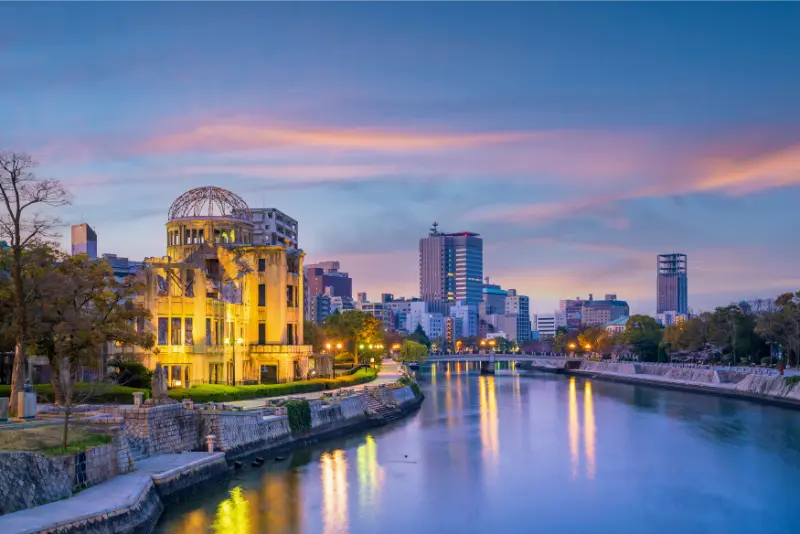
    Hiroshima Peace Park Memorial Canal

    Getting around without wasting the day

    Hiroshima’s tram network is one of the most useful visitor systems in Japan because it connects the station, downtown, Peace Memorial area and routes toward Miyajima. Walking works well once you are inside one district. For Miyajima, compare the JR and tram-plus-ferry combinations based on your pass and starting point. A rental car is unnecessary for a first city stay unless you are continuing into rural Chugoku.

    When comparing two routes, include walking to the station, waiting, transfers and the final approach. The route with fewer changes is often better for families, luggage, older travellers and anyone visiting in difficult weather.

    Best time to visit and how the season changes the itinerary

    Spring and autumn are comfortable for walking and Miyajima, while summer is hot and humid and winter is cooler but often manageable. Cherry blossom and autumn foliage periods can be busy, especially on Miyajima. Rain can change the value of Mount Misen views, so keep the island day movable when your schedule allows.

    Season also changes hotel prices, daylight, event calendars and how tiring outdoor sightseeing feels. If your dates are fixed, adapt the daily rhythm rather than forcing an itinerary designed for another month.

    What to book first

    Book first what is difficult to replace: timed monuments, limited-capacity tours, high-demand museums, special performances or transport that determines the rest of the route. Leave ordinary neighbourhood walks, most meals and flexible museums open unless a specific reservation matters to you.

    Recheck opening days, reservation procedures, local transport notices and access rules shortly before departure. These operational details change faster than the overall logic of a good itinerary, so the official source should win over an old screenshot or saved social post.

    Food strategy: eat well without crossing the city for every meal

    Hiroshima-style okonomiyaki is an obvious priority, but do not make every meal the same experience. Try oysters when in season and appropriate to your preferences, local noodles, izakaya dishes and bakeries or cafés around central neighbourhoods. Okonomimura is famous, but excellent shops exist across the city; convenience and atmosphere can matter more than chasing one address.

    For a multi-age group, a reliable breakfast and an easy lunch often matter more than one additional attraction. Use meals as genuine rest and part of the travel experience rather than another task to complete quickly.

    Travelling with children

    Families can balance the emotionally demanding memorial area with riverside walks, gardens and the ferry ride to Miyajima. Explain the museum visit in an age-appropriate way and avoid adding another intense museum immediately afterward. On Miyajima, keep children away from unsecured food around deer and allow extra time for toilets, snacks and ferry queues.

    Hiroshima Peace Memorial Park Aerial

    With children, reduce transitions before reducing the highlights. Alternate one structured indoor visit with something that allows movement, and always know where the easy route back to the hotel is before starting a long afternoon.

    Travelling at a slower pace or as a senior

    The central city is relatively easy when you use trams for longer sections. At Miyajima, the village and shrine areas are more accessible than the full Mount Misen experience; choose the ropeway or a lower-elevation day if steep paths are not suitable. A hotel near a tram stop can remove many unnecessary steps.

    Slower travel often improves a city itinerary because it forces better geographic choices. Use transport to remove unrewarding distance, then spend walking energy on the streets, museums, viewpoints and markets that actually define the destination.

    Budget planning

    The biggest budget differences usually come from hotel location, airport transfers, repeated taxis, major admissions and restaurant style. A room that costs slightly more can be better value when it removes two long rides every day. Compare the total daily cost, not only the nightly rate.

    Keep a modest daily reserve for an easier taxi, extra water, a weather-driven change, an unexpected admission or a meal when the original plan fails. A good budget creates resilience rather than allocating every euro, dollar or local-currency unit before the trip begins.

    Weather backup plan

    Keep at least one indoor or low-commitment block movable. The best weather backup is usually in the same part of the city, so a storm, heat wave or poor visibility does not force an entirely new transport plan. Outdoor viewpoints and long walks should be able to move by half a day when possible.

    Connectivity, payments and small practical details

    Save the hotel address, essential tickets, insurance information and the next important transfer offline. Carry a small power bank and keep a backup payment method separate from the main wallet. Do not assume every small business uses the same payment methods as major hotels; a modest amount of local cash can still be useful.

    What to pack

    Comfortable shoes, a small day bag, sun protection and weather layers matter more than extra outfits. Add any medication you may need during the day and a refillable bottle where practical. Pack for the conditions you will actually walk through, including air-conditioning, rain and evening temperature changes.

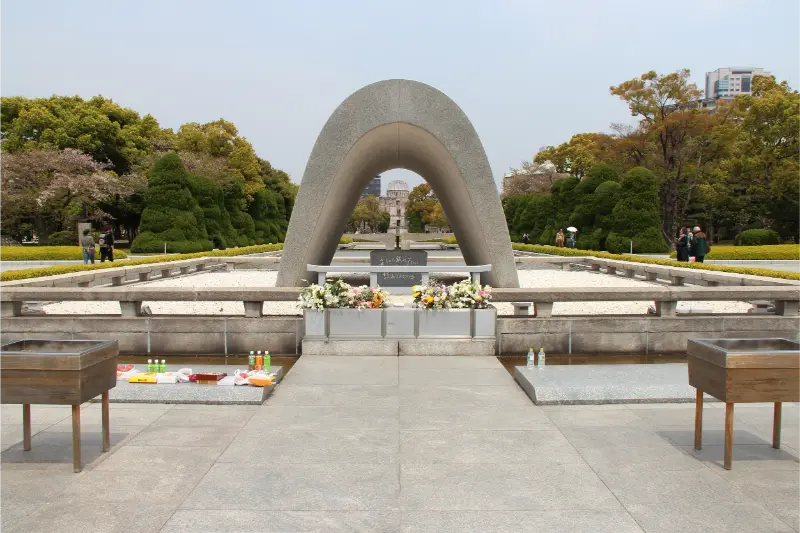
    Hiroshima Peace Memorial Cenotaph

    Common mistakes to avoid

    • Visiting the Peace Memorial Museum on a stopwatch because another attraction is booked immediately after it.
    • Treating Miyajima as a two-hour photo stop instead of allowing for ferry time, tides and crowds.
    • Staying near Hiroshima Station but assuming the entire city centre is directly walkable from the hotel.
    • Planning Mount Misen on a poor-visibility day when the island itinerary could be swapped.
    • Eating every meal in one tourist complex instead of exploring Hiroshima’s broader food scene.

    Responsible travel and local etiquette

    Treat residential streets, markets, places of worship, memorial sites and working neighbourhoods as real parts of the city rather than scenery. Follow local instructions, keep entrances and pavements passable, ask before photographing people in sensitive settings and spend with local businesses when it fits naturally.

    In natural settings, stay within marked routes and respect closures even when another visitor appears to ignore them. Access rules often protect both visitors and the place itself.

    If you have less or more time

    With two days, dedicate one to central Hiroshima and one to Miyajima. Three days adds gardens, castle grounds and neighbourhood time. With five or six days, add a Setouchi or Chugoku excursion while preserving at least two full days in Hiroshima itself.

    Safety and decision-making on the day

    Use ordinary urban awareness: keep valuables controlled in crowded places, use clearly identified transport, avoid displaying a phone unnecessarily near traffic and follow current local advice about specific streets or transport hubs. Safety conditions can differ by neighbourhood and time of day, so hotel staff and official notices are more useful than blanket claims that an entire city is either “safe” or “unsafe”.

    Set a practical turnaround time for excursions and departure days. Missing a secondary attraction is cheaper than missing a flight, travelling exhausted late at night or forcing a route after conditions have changed.

    Useful official and planning resources

    Opening hours, fees, transport schedules and access rules change more often than the basic geography. Recheck the official source shortly before departure.

    Final planning checklist

    • Confirm passport, visa, transit and health requirements for your nationality.
    • Reserve the attraction, tour or transport that controls the rest of the itinerary.
    • Save your accommodation address and first-day route offline.
    • Recheck weather, closures and transport notices before each critical day.
    • Keep at least one half-day that can absorb a delay or become simple rest.
    • Leave a generous buffer before flights and other costly connections.

    A strong trip to Hiroshima should feel as though you understood how the place fits together, not merely that you collected its famous names. Protect the fixed reservations that matter, group the rest by geography and remove anything that creates more transit than experience.

  • Vietnam in 12 Days: Hanoi, Ninh Binh, Hoi An and Ho Chi Minh City With Fewer Transfers

    Vietnam in 12 Days: Hanoi, Ninh Binh, Hoi An and Ho Chi Minh City With Fewer Transfers

    Vietnam’s long, narrow geography makes it tempting to build an itinerary that hops from Hanoi to Ha Long Bay, Ninh Binh, Hue, Hoi An, Nha Trang, Da Lat, Ho Chi Minh City and the Mekong Delta in less than two weeks. The result may look impressive on a map but usually includes too many packing mornings and transport days. Twelve days are better used to connect four strong bases and let each region feel distinct.

    This plan uses Hanoi, Ninh Binh, Hoi An/Da Nang and Ho Chi Minh City. It deliberately avoids trying to “finish” the entire country. Domestic flights or an overnight train can bridge the long central distance, while local day trips provide variety without constantly changing hotels.

    Quick trip summary

    • Use four bases and let day trips provide variety.
    • Treat north–central and central–south transport as major travel blocks, not normal sightseeing days.
    • Choose either an overnight train or a domestic flight according to comfort, time and luggage—not because one is universally “more authentic.”
    • Build weather flexibility into Hoi An and Ninh Binh, where outdoor experiences matter.
    • Keep street-food exploration adventurous but practical: hydration, food allergies and heat can influence the day as much as sightseeing.

    Who this itinerary is for — and when to change it

    This route is designed for a first visit with a moderate pace. It assumes you want the destination’s defining experiences without turning every day into an early start, late arrival and luggage transfer. Couples, solo travellers, families and mixed-age groups can all use the same geographic structure, but the number of activities inside each day should change with mobility, heat, jet lag and personal interests.

    The easiest way to personalize it is to identify your two non-negotiable experiences before booking hotels. Protect those first, then let the rest of the itinerary support them. If a weather-dependent activity matters more than a museum or city walk, give it the flexible day rather than hoping the forecast behaves exactly as expected.

    Where to stay: choose the base before the hotel

    Accommodation is a transport decision as much as a comfort decision. Check how you will reach the first activity in the morning, how you will return after dinner, whether the property has stairs or parking, and what happens with luggage on transfer days. A cheaper room that creates two difficult journeys every day can cost more in taxis, time and energy than a slightly more expensive base in the right place.

    Base Why it works — and the trade-off
    Hanoi: Old Quarter edge / Hoan Kiem Central and atmospheric with easy access to sights and food, but noise and traffic can be intense. A hotel on the edge of the busiest lanes offers a useful compromise.
    Ninh Binh / Tam Coc Tam Coc is convenient for countryside excursions and evening restaurants; Ninh Binh city has stronger transport links but less holiday atmosphere.
    Hoi An old-town edge / An Bang Old-town edge is best for walking and evenings; An Bang suits travellers who want beach time and are happy to taxi into Hoi An.
    Ho Chi Minh City: District 1 / District 3 District 1 is simplest for a first visit; District 3 can feel more residential while remaining close to central attractions.

    The four decisions that shape this trip most

    Decision Best default When to change it
    Ninh Binh 2 nights A day trip works, but an overnight stay gives quieter mornings and less bus time.
    Central base Hoi An or Da Nang Choose Hoi An for atmosphere; Da Nang for beach, airport convenience and a larger-city rhythm.
    Long north–central transfer Flight for time, train for experience Select according to schedule and sleep comfort, not ideology.
    Mekong Delta Optional day trip Add only if it outranks a slower Ho Chi Minh City day for you.

    Make these decisions before filling the calendar with attractions. They determine how many hotel changes, early starts and long journeys the trip contains. Once the structure is right, individual sightseeing choices become much easier to adjust.

    A realistic day-by-day route

    Days 1–3: Hanoi with one neighbourhood at a time

    Use arrival day around Hoan Kiem and the edge of the Old Quarter. Crossing busy streets takes confidence and attention, so let the city teach you its rhythm before scheduling a long tour.

    On the first full day, combine the historic core with one museum or major cultural site. On the second, choose a different side of the city—West Lake, a food-focused walk or another museum—rather than repeating the same crowded streets.

    Hanoi deserves evenings. Leave time for coffee, food and simple wandering instead of treating every night as spare capacity for another attraction.

    Pace check: if this stage runs late, remove the lowest-priority activity rather than stealing time from meals, sleep or the next transfer. A resilient itinerary should become simpler when something changes, not more frantic.

    Days 4–5: Ninh Binh countryside

    Travel to Ninh Binh/Tam Coc and use the arrival day for a bicycle ride, short temple visit or local landscape.

    On the full day, choose one major boat route and one land-based viewpoint or temple complex. Do not stack several nearly identical boat experiences simply because they appear in different tour packages.

    Weather changes the value of viewpoints dramatically. Keep the order flexible if heavy rain or mist makes a climb less worthwhile.

    Days 6–8: move to central Vietnam and slow down in Hoi An

    Use the transfer day for transport to Da Nang and onward to Hoi An. A domestic flight saves time; an overnight train changes where the “lost” hours fall.

    Spend one full day in Hoi An’s historic area, ideally with early or later hours around the busiest period. Use the second for beach time, countryside, a cooking experience or nearby My Son if history is a priority.

    Do not book every lantern-lit evening activity. Hoi An is most enjoyable when you can simply walk back after dinner and stop where the atmosphere feels right.

    Days 9–11: Ho Chi Minh City with one optional excursion

    Fly or travel south and keep the first afternoon local to District 1 or 3. The city’s scale and traffic make geographic grouping important.

    Use the first full day for central historical sights, markets, cafés and one museum. On the next day, choose either a Mekong Delta excursion, Cu Chi Tunnels or deeper city neighbourhood time; doing two major excursions back-to-back can make the city itself disappear from the trip.

    Leave one dinner flexible for a neighbourhood or food style you discovered during the day.

    Day 12: departure without adding another province

    Keep the final morning near your hotel, particularly if you have an international flight from Tan Son Nhat. Traffic can vary considerably.

    Use luggage storage for a final café, museum or market rather than taking a long day trip.

    Check terminal and airline information before leaving the hotel, especially if you have separate domestic and international tickets.

    Transport reality: plan door to door

    Vietnam’s major cities are well connected by flights, trains and buses, but travel times between regions are long. A route that looks linear can still be exhausting if every second night involves a departure. Use Vietnam’s official tourism information for destination context and confirm schedules directly with the transport provider. In cities, ride-hailing and taxis can reduce friction, but walking distances are deceptive because traffic crossings and heat slow progress. In Ninh Binh and Hoi An, bicycles are useful only where traffic confidence and weather make them appropriate.

    Door-to-door time is the number that matters. Add hotel checkout, reaching the station/airport/pier, waiting, boarding, collecting luggage, local transport at the other end and the possibility that everyone needs food immediately after arrival. This is why a “two-hour flight” or “three-hour drive” can consume most of a day. Our guide to building realistic 7-, 10- and 14-day itineraries explains how to treat transfer days honestly.

    Food strategy: make meals part of the route

    Food is one of the strongest reasons to travel through Vietnam, and each base offers different specialties. Build meals into the geography of the day rather than crossing cities to chase viral recommendations. Busy local restaurants and stalls with visible turnover are often a practical starting point. Carry oral rehydration supplies, drink safe water and take allergies seriously—fish sauce, peanuts, shellfish and hidden ingredients can appear in dishes where visitors do not expect them.

    One planned meal per day is usually enough. Keep the other meal flexible so it can respond to where you actually are, not where an old itinerary expected you to be. With children, older travellers or very hot weather, eating before everyone becomes tired is often more important than reaching the “best” restaurant on a list.

    When to go and how the season changes the plan

    Vietnam does not have one national weather season. Northern, central and southern regions can experience very different conditions at the same time, and central Vietnam has periods of heavier rain and storm risk. Plan for the specific month and region rather than searching for a single “best time for Vietnam.” If weather is central to your priorities, it may be better to focus on one half of the country instead of forcing this entire route.

    Instead of searching for one universal best month, decide which compromise you prefer: better weather, fewer visitors, lower prices, long daylight, swimming conditions or seasonal wildlife. No month maximizes everything. Recheck short-term weather and official access information shortly before the relevant day, especially for roads, trails, boats and outdoor attractions.

    Budget: where spending actually improves the trip

    Vietnam can be affordable, but domestic flights, boutique Hoi An hotels and private tours can lift the budget quickly. Spend where it saves a half-day or provides a meaningful experience, not because every transfer needs to be private. Overnight trains can combine transport and accommodation, but only if you are likely to sleep reasonably well. Use our carry-on packing system if you want to reduce the friction of repeated airports and short hotel transfers.

    The most useful upgrades are often logistical rather than luxurious: a hotel that removes a daily transfer, a direct ride after a long flight, a flexible ticket, an additional night in a weather-dependent region or a guide where interpretation genuinely adds value. Cut low-value extras before cutting the pieces that keep the route reliable.

    Common mistakes to avoid

    • Trying to include Ha Long Bay, Hue, Da Lat and the Mekong Delta in addition to all four bases.
    • Counting an overnight train as guaranteed restful sleep before a demanding sightseeing day.
    • Booking Hoi An outdoor activities without any rain alternative.
    • Crossing a major city solely for one famous restaurant when equally good local options are nearby.
    • Assuming the weather will be similar in Hanoi, central Vietnam and Ho Chi Minh City on the same trip.

    Most difficult trips are not ruined by one large mistake. They become tiring through a sequence of small optimistic assumptions: a transfer that “should” be quick, a hotel that is “only” a kilometre away, a famous walk that is assumed to suit everyone and a dinner reservation across town after an already long day. Leave margin before you need it.

    Families, older travellers and mixed-age groups

    Families can enjoy this route, but transport days should be simplified and hotel pools or quiet breaks can be valuable in the heat. Older travellers benefit from central hotels, private transfers for awkward station/airport links and a realistic approach to stairs at viewpoints or historic sites. Mixed-age groups should treat food tours, bicycle rides and long excursions as optional modules rather than forcing everyone into the same activity.

    For mixed-age groups, agree which experiences everyone will share and which can be optional. Splitting for two hours is often healthier than forcing the entire group through one person’s priority. Build seating, toilets, shade, step-free access and realistic meal times into the plan with the same seriousness as headline attractions. Our guide to travelling with parents and older adults covers this approach in more detail.

    If you have more or less time

    With fourteen to sixteen days, add Hue or a two-night bay/cruise experience in the north. With nine days, keep Hanoi + Ninh Binh + Hoi An and skip Ho Chi Minh City, or choose the opposite half of the country. Vietnam rewards depth; a shorter regional trip is often stronger than a compressed north-to-south checklist.

    When shortening the trip, remove an entire base before cutting every destination to one night. When lengthening it, add depth before distance. An extra morning in a place you already understand often produces a better memory than another three-hour transfer to a new pin on the map.

    Useful official resources

    Opening hours, park rules, transport timetables, road conditions and visitor procedures can change. Use official sources for the details that affect your exact travel dates and recheck them shortly before departure.

    Final planning checklist

    • Confirm passport, visa, entry and transit requirements for your nationality and route.
    • Book the genuinely scarce transport or accommodation segment before secondary attractions.
    • Check the exact luggage journey between bases, including stairs, ferries, station exits and rental-car rules.
    • Save offline copies of essential reservations, insurance details and each accommodation address.
    • Recheck weather, road, park, trail or transport notices shortly before each critical day.
    • Keep at least one flexible half-day that can absorb rain, fatigue, a delay or a cancellation.
    • Choose clothing and footwear for the actual surfaces and climate, not only for photographs.
    • Leave a generous buffer before international flights and other connections that are expensive to miss.

    The purpose of a good itinerary is not to prove that you covered the maximum distance. It is to make the important experiences easier to enjoy and to leave enough energy for the unexpected parts that become the best memories. Use this route as a framework, then remove anything that does not fit your interests, mobility or travel rhythm.

  • Fukuoka in 4 Days: Hakata, Yatai and Waterfront Without Rushing Through Kyushu

    Fukuoka in 4 Days: Hakata, Yatai and Waterfront Without Rushing Through Kyushu

    Fukuoka Fukuoka works beautifully as both a city break and the gateway to Kyushu, but those two roles can compete. Travellers who rush straight from airport to shinkansen miss one of Japan’s easiest large cities for food, neighbourhood walking and waterfront time. Four days lets you understand Hakata and Tenjin, eat at a yatai without making it the only evening plan, explore Ohori and the old-town side, and still keep one flexible half-day for the coast or a nearby excursion.

    If this destination is part of a wider trip, compare the pacing with Kyushu in 10 Days by Train: Fukuoka, Nagasaki, Kumamoto and Kagoshima Without Renting a Car. This city guide adds local depth; the wider itinerary is better for deciding how the stop fits into the rest of the journey.

    Quick trip summary

    Ideal stay4 days for a first trip
    Best approachGroup each day by geography and keep one flexible block for weather, energy or closures
    Transport strategyUse the most predictable transport for long moves, then explore each district locally
    Who it suitsFirst-time visitors, couples, solo travellers, families and slower-paced travellers
    Most common mistakeAdding another distant attraction because it looks close on a map

    How to plan the trip before booking

    Start by separating the itinerary into fixed reservations, weather-sensitive experiences and flexible neighbourhood time. Fixed reservations should be the things that can genuinely sell out or determine the rest of the day. Weather-sensitive blocks should stay movable until the forecast becomes useful. Everything else should be grouped geographically so that a late breakfast, a long museum visit or an unexpected queue does not break the schedule.

    A good 4-day trip does not look completely full on paper. Most days need one main anchor, one secondary experience and enough open time for a meal, rest, shopping, a viewpoint or something you discover after arrival. That unused space is not wasted time; it is what allows the itinerary to survive real travel.

    Where to stay: choose location before hotel style

    BaseWhy choose it
    Hakata StationBest for rail-heavy itineraries, airport access and early departures around Kyushu.
    TenjinExcellent for shopping, dining and nightlife, with strong subway connections and a more urban evening atmosphere.
    Nakasu-KawabataCentral between Hakata and Tenjin, useful for river walks, yatai access and cultural sights.
    Ohori / RopponmatsuQuieter and greener, good for repeat visitors, families and travellers who value park access over station convenience.

    A beautiful room is not automatically a useful base. Map the first activity of the morning, the likely dinner area and the route you will use on departure day. If the hotel creates two unnecessary transfers every day, the hidden cost is time and energy as well as money. For a short trip, location usually matters more than a larger room several kilometres away.

    A realistic 4-day itinerary

    Day 1: Hakata Old Town and a gentle first evening

    Start near Hakata with temples, traditional streets and an unhurried orientation. Fukuoka Airport is unusually close to the centre, but that convenience is not a reason to overfill arrival day. Move toward Nakasu or Tenjin in the evening and choose one yatai area, remembering that stalls are small, weather-dependent and not the only place to eat well.

    Day 2: Ohori Park, castle ruins and art

    Spend the morning around Ohori Park and the adjacent castle-ruins area. Add the Fukuoka Art Museum or another cultural stop if it matches your interests, then continue through Ropponmatsu or back toward Tenjin. This day works particularly well after a late food-focused evening because it requires fewer complicated transfers.

    Day 3: Momochi waterfront, city museum and western districts

    Use public transport toward Momochi for the waterfront and Fukuoka City Museum. Depending on season and energy, continue farther west or return through Tenjin for shopping and food. Avoid turning the day into a long chain of isolated photo stops: the value is in seeing how a compact Japanese city meets the coast.

    Day 4: Itoshima, Dazaifu or a flexible city day

    Choose one half- or full-day extension. Dazaifu offers major shrine and cultural interest, while Itoshima suits travellers prioritising coast and cafés. If your wider Kyushu itinerary already contains multiple transfers, stay in Fukuoka instead and use the day for markets, neighbourhood food and anything weather displaced.

    Getting from the airport or station and handling arrival day

    Fukuoka Airport is close to central districts and connected by subway, making arrival simpler than in many large cities. International and domestic terminal arrangements differ, so check your actual route rather than assuming the same station or shuttle flow. Hakata Station is the key rail hub for shinkansen and Kyushu connections.

    Arrival day should carry less risk than the rest of the trip. Keep the first reservation easy to cancel, know how you will reach the hotel before landing and save the address offline. If a flight or train is delayed, skip a secondary sight instead of beginning the trip by rushing across an unfamiliar city with luggage.

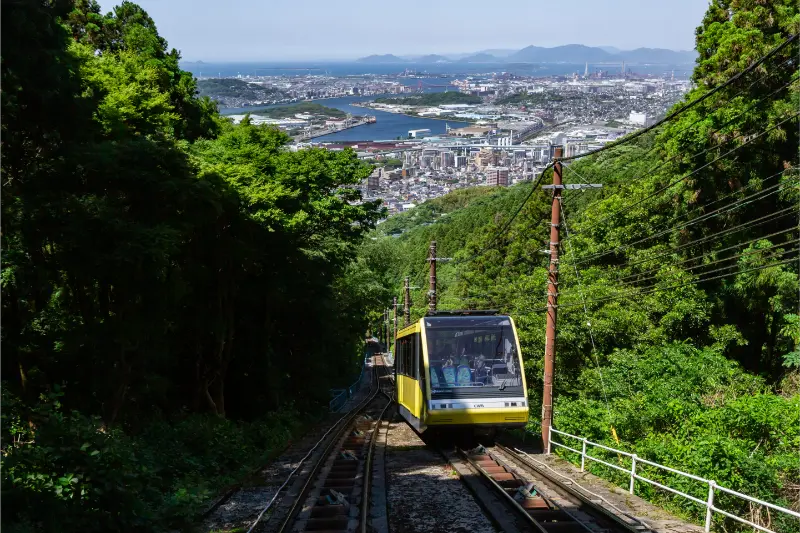
    Mount Sarakura Yellow Cable Car Overlooking Kitakyushu Fukuoka Japan

    Getting around without wasting the day

    Subway, buses and walking cover most city sightseeing. Because the centre is compact, do not buy a pass automatically; compare the actual rides in your itinerary. Taxis can be useful for families or late evenings, but most first-time visitors do not need a rental car unless continuing into rural Kyushu.

    When comparing two routes, include the walk to the stop, waiting time, transfers and the final approach. The route with fewer changes is often better for families, luggage, older travellers and anyone visiting in difficult weather. Use transport to remove unrewarding distance, then spend walking energy on streets, viewpoints, markets and museums that actually define Fukuoka.

    Best time to visit and how the season changes the itinerary

    Spring and autumn are comfortable for walking, summer is hot and humid with festival energy, and winter is generally milder than northern Japan but still cool. Rain can affect outdoor food stalls and coastal plans, so keep the yatai evening and excursion flexible.

    Season changes more than temperature. It affects daylight, hotel prices, operating hours, event calendars and how tiring a normal sightseeing day feels. If your dates are fixed, adapt the daily rhythm rather than forcing an itinerary designed for another month.

    What to book first

    Reserve only the parts that genuinely control the itinerary: a high-demand attraction, a limited-capacity excursion, a special transport product or a restaurant that is central to the trip. Avoid pre-booking every hour. The more fixed reservations you add, the harder it becomes to react to weather, tiredness or a neighbourhood you unexpectedly want to explore for longer.

    Recheck opening days, reservation procedures, transport notices and access rules shortly before departure. These operational details change faster than the basic geography of a good itinerary. When an official source conflicts with an old screenshot, saved social post or outdated blog, use the current official information.

    Food strategy: eat well without crossing the city for every meal

    Fukuoka’s food culture deserves deliberate time: Hakata ramen, motsunabe, gomasaba where appropriate, yakitori and yatai all have a place. Yatai are social and atmospheric but small; groups may need patience. Use them as one experience, not as proof that every dinner must happen outdoors.

    For a multi-age group, a reliable breakfast and an easy lunch often matter more than one additional attraction. Use meals as genuine rest and part of the travel experience. A restaurant that is ten minutes from where you already are can be a better choice than a famous address that requires forty minutes of extra transport each way.

    Travelling with children

    The compact centre, short airport transfer and parks make Fukuoka family-friendly. Use Ohori Park and waterfront areas between more structured cultural stops. Yatai seating can be tight for very young children, so keep an ordinary restaurant alternative nearby.

    With children, reduce transitions before reducing the highlights. Alternate one structured visit with something that allows movement, and always know the easiest route back to the hotel before starting a long afternoon. A flexible snack and rest stop can protect the whole day better than another timed ticket.

    Travelling at a slower pace or as a senior

    Choose a base near a subway station or Hakata Station and use transport to remove long summer walks. Ohori and the central districts can be explored at a slow pace with frequent seating. Avoid building the final day around a distant excursion if an early train or flight follows.

    Slower travel often improves a destination itinerary because it forces better geographic choices. Use lifts, public transport, taxis or door-to-door transfers to remove unrewarding distance, then spend walking energy where the surroundings are worth noticing. Keep a seated break in the middle of any day with significant climbing, heat or museum time.

    Budget planning

    Build the budget in layers: accommodation, arrival and departure transport, local movement, fixed attractions or excursions, food and a reserve for spontaneous changes. The cheapest hotel is not always the cheapest trip if it creates two extra rides every day. Likewise, a city or transport pass is worthwhile only when its zones and included attractions match the itinerary you will actually follow.

    Keep a separate allowance for weather-driven changes. A taxi during heavy rain, a last-minute indoor attraction, a shuttle or a different departure can protect a travel day without representing a planning failure. Saving money is useful; sacrificing the main experience to avoid a modest practical cost often is not.

    Weather backup plan

    Rainy or very hot periods are a good reason to move museums, shopping arcades and food experiences forward. If an outdoor stall area is uncomfortable, eat indoors and return another evening. Coastal and island options should be treated as weather-sensitive rather than fixed promises.

    Nanzoin Temple Reclining Buddha Fukuoka Prefecture Japan

    Do not read only the temperature. Wind, visibility, rain intensity, humidity, sea state, snow and daylight can change the quality of an experience much more than a few degrees. The best itineraries have at least one outdoor block that can trade places with an indoor or neighbourhood day.

    Connectivity, payments and small practical details

    Download an offline map before arrival, save the accommodation address and keep screenshots or offline copies of critical tickets. A local data plan or eSIM can simplify live transport information where available, but do not depend on a phone battery for every part of the day. Carry a small power bank on long excursion days if navigation and tickets are digital.

    Payment habits differ by destination and smaller businesses may work differently from hotels. Keep a backup payment method and a modest amount of local currency when useful. Check whether transport uses contactless bank cards, a dedicated travel card, app tickets or paper validation rather than assuming the system matches another city.

    Accessibility and mobility planning

    Accessibility can vary greatly between modern transport, historic streets, older hotels and individual attractions. If step-free access is important, verify the exact station exit, hotel entrance and attraction route instead of relying on a general claim that a city is accessible. Historic centres may have cobbles, steep lanes or narrow pavements even when major museums provide lifts.

    Travellers using wheelchairs, mobility aids or strollers should build in more time for transfers and keep an alternative route for the most important day. A hotel near the right transport line can remove more difficulty than any sightseeing pass.

    What to pack

    Comfortable walking shoes, a small day bag, sun protection and weather layers matter more than extra outfits. Add any medication you may need during the day and a refillable bottle where practical. Pack for the conditions at the destination rather than the temperature outside your hotel, and keep a light layer for strongly air-conditioned vehicles or indoor spaces.

    Common mistakes to avoid

    • Leaving Fukuoka immediately because it looks like only a transport hub.
    • Treating yatai as the only authentic way to eat in the city.
    • Buying transport passes before counting the rides you will actually take.
    • Adding both Dazaifu and Itoshima to one short day without considering travel time.
    • Scheduling a late food crawl before an early shinkansen departure.

    Responsible travel and local etiquette

    Treat residential streets, markets, places of worship, memorial sites and working neighbourhoods as real parts of a community rather than scenery. Follow local instructions, keep entrances and pavements passable, ask before photographing people in sensitive settings and spend with local businesses when it fits naturally. Clothing, photography and behaviour expectations can change between religious, cultural and recreational spaces.

    In natural settings, stay within marked routes and respect closures even when another visitor appears to ignore them. Access rules often protect both visitors and the place itself. Wildlife should never be approached for a photograph, and weather or safety closures are not an invitation to find an unofficial route around a barrier.

    If you have less or more time

    With one day less, remove the most distant excursion or the day with the most transport rather than compressing every highlight. With one or two extra days, add neighbourhood depth, a slower museum block or a nearby excursion that offers something genuinely different. Extra time is most valuable when it lowers daily pressure, not when it simply adds another checklist.

    Safety and decision-making on the day

    Use ordinary situational awareness: keep valuables controlled in crowded places, use clearly identified transport and follow current local advice about specific streets, weather or transport hubs. Safety conditions can differ by neighbourhood and time of day, so official notices and recent local guidance are more useful than blanket claims that an entire destination is either “safe” or “unsafe”.

    Set a practical turnaround time for excursions and departure days. Missing a secondary attraction is cheaper than missing a flight, travelling exhausted late at night or forcing a route after conditions have changed. When a plan stops making sense, simplify it rather than trying to recover every item on the original list.

    Useful official and planning resources

    Opening hours, fees, transport schedules and access rules change more often than the overall itinerary. Recheck the official source shortly before departure.

    Final planning checklist

    • Confirm passport, visa, transit and health requirements for your nationality.
    • Reserve the attraction, tour or transport that controls the rest of the itinerary.
    • Save your accommodation address and first-day route offline.
    • Recheck weather, closures and transport notices before each critical day.
    • Keep at least one half-day that can absorb a delay or become simple rest.
    • Leave a generous buffer before flights and other costly connections.

    A strong trip to Fukuoka should feel as though you understood how the place fits together, not merely that you collected its famous names. Protect the reservations that matter, group the rest by geography and remove anything that creates more transit than experience.

  • Jaisalmer Beyond the Dunes: Living Fort, Carved Havelis and Desert Days

    Jaisalmer Beyond the Dunes: Living Fort, Carved Havelis and Desert Days

    Jaisalmer looks like a mirage when its yellow sandstone fort rises above the Thar Desert, but the city is more than a dramatic skyline and an overnight desert camp. Lanes inside a living fortress, intricately carved merchant houses, Jain temples and the story of desert water systems provide enough material for a thoughtful stay. The hardest choices are practical: how to reach western Rajasthan without losing days in transit, how to handle heat and sand, and which desert activities support responsible local operators. This guide builds a three-day visit with options for active explorers and travellers who prefer a gentler pace, without treating residents of the fort as museum scenery.

    At a glance
    Suggested time3 days
    Getting thereRail or road via Jodhpur; check flights
    Key experiencesLiving fort, havelis and desert landscape
    Plan aheadHot days, uneven paving and ethical operators

    Travelling to Jaisalmer and understanding the long distances

    Jaisalmer sits far west of Rajasthan’s main tourist triangle. Trains, road transport and flights where scheduled can connect it to larger cities, but journey times are substantial and service patterns change. A traveller coming from Jodhpur should evaluate whether the transfer works with hotel check-in, meals and daylight rather than choosing the absolute cheapest option without regard for fatigue. Overnight trains can be useful, yet sleep quality and luggage security vary by class and individual circumstances. Confirm the current timetable, station transfers and cancellation conditions before tying an international flight connection to an optimistic road estimate.

    Within town, auto-rickshaws and taxis help between the railway area, accommodation and sights. The fort’s inner lanes are narrow, crowded and not suitable for assuming that a vehicle can arrive outside every guesthouse. Ask where your luggage will actually be dropped, how many steps lead to your room and whether nighttime access is straightforward. If you plan a desert excursion, avoid hiring a driver on vague promises of a sunset experience; agree in writing on the location, transport, meals, toilet arrangements and pickup time. The more remote the setting, the more important it becomes to know how you will get back safely.

    A living fort and the responsibility of visiting it

    Jaisalmer Fort is one of the hill forts recognised by UNESCO, but it differs from many monumental sites because people continue to live and work within its walls. Historic sandstone architecture surrounds shops, shrines, family homes and guesthouses. Walk slowly through the gates and notice how the fort’s urban functions have evolved. Do not mistake a residential lane for an open-air stage: seek permission before photographing people at close range and avoid blocking doorways. Conserving a living heritage site involves practical questions about drainage, water use and tourism pressure, so consider responsible accommodation choices rather than booking solely for a room with a fort-wall view.

    The fort provides some of the city’s best views over the sandstone roofscape, yet its stairs, irregular paving and crowded passages may be tiring. Visitors who are sensitive to heat should go early and reserve midday for shade. A guide can help place the complex in the history of Rajput trade and defence, but independent visitors can still gain much from carefully chosen interpretive stops. If someone cannot climb high viewpoints, views of the fort from the surrounding town can be equally striking and far easier to reach. The value lies in recognising the site’s continuity, not in reaching every bastion.

    Jain temples, palace details and sacred etiquette

    The fort contains notable Jain temples with delicate stone carving, a powerful contrast to the fortress’s military image. Temple admission rules, shoe removal, photography and entry times can be different from those at ordinary museums. Visitors should check current guidance and dress modestly, keeping food and leather items away where required. Rather than rushing through every shrine, focus on the workmanship and the tradition that produced it. Children can be introduced to the intricate patterns and animals carved into stone without turning the sacred spaces into a scavenger hunt that disturbs worshippers.

    Jaisalmer Golden City Rooftops At Sunset

    The palace and other historic interiors provide further insight into how elites lived and controlled trade. Some have confined stairways, low thresholds and limited ventilation. Someone with impaired balance may choose to see a small portion rather than attempting upper floors, and guides should be informed of such requirements at the beginning. Photography restrictions may protect both the collections and the privacy of staff or worshippers. The fort’s historic architecture becomes more meaningful when considered together with the people who maintain it today. Paying legitimate entry fees and respecting local rules supports a visit founded on interest rather than extraction.

    Havelis, bazaars and the craft of sandstone

    Patwon Ki Haveli is a landmark of merchant wealth, with layered façades and detailed carving that turn a narrow street into a remarkable architectural scene. Other houses, including Nathmal Ki Haveli and Salim Singh Ki Haveli, help explain why Jaisalmer was more than a remote military post. Their surviving structures offer clues to commerce, decoration and changing patronage. Not every historic building permits the same interior access, so check opening arrangements individually. A realistic afternoon might include one interior and exterior views of the others rather than buying multiple tickets in the hottest period of the day.

    Carved sandstone balconies on Salim Singh Ki Haveli in Jaisalmer

    The bazaars contain textiles, leatherwork, jewellery and everyday goods. Buy thoughtfully: ask about materials, how an item was produced and what a quoted price includes. Do not assume every souvenir described as locally handmade comes from the town. Travellers who dislike bargaining can look for fixed-price cooperatives or workshops where price and provenance are clear. Food stops between shopping lanes also give shelter and a chance to drink water. The bustle of the market can be enjoyable for teenagers and adults, while a child or someone who finds crowds tiring may need a quieter route away from the busiest stalls.

    Water engineering, Gadisar Lake and the desert landscape

    In a dry region, water infrastructure was historically central to urban survival. Gadisar Lake is an appealing place to contemplate that relationship and enjoy a different angle on the city’s architecture. Birds, stone structures and reflections make early or late daylight attractive, though water levels and access can change. Keep children away from unguarded edges and follow any rules about boating or feeding wildlife. A slow lake visit is an effective counterpoint to the crowded fort and may suit visitors who cannot manage its steep inner lanes. Do not treat desert water as automatically safe for swimming or drinking.

    The Thar Desert outside town is varied, with villages, rocky stretches and dune landscapes rather than one endless sea of identical sand. A guide who understands local ecology and history can explain the fragile environment and how people adapt to limited rainfall. When choosing excursions, ask operators how they manage waste, drinking water, vehicle routes and local employment. Avoid driving over protected vegetation or treating remote villages as backdrops for unsolicited photographs. A journey outside town should add understanding rather than simply deliver the same sunset image available from hundreds of advertisements.

    Choosing an ethical desert outing or overnight camp

    Sam dunes are frequently marketed for camel rides, jeep experiences and evening entertainment. Different operators offer very different levels of comfort, noise, safety and environmental responsibility. Inspect what a package truly includes: distance travelled, transport type, duration, bathroom availability, meal hygiene, weather cancellation terms and return arrangements. For a camel experience, look at how animals are handled, whether loads are appropriate, and whether rest and water are provided. Declining a ride is always an acceptable choice. Travellers can enjoy the landscape on foot at designated spots or choose a guide-led interpretation activity instead.

    An overnight camp can provide stars and quiet, but not every advertised camp is remote or peaceful. Ask about generator noise, heating or cooling, bed quality, private toilets, safe drinking water and the precise site location. Desert nights may be chilly even when afternoons are hot, while windy conditions can make sand intrusive. A family with a small child may prefer a sunset outing followed by a town hotel rather than an unfamiliar tent. Some older travellers enjoy comfortable fixed accommodation with a scenic excursion more than a late-night programme. Do not purchase a package simply because it promises a cultural performance without explaining who performs and under what conditions.

    Jaisalmer Fort And Golden City At Sunset

    Food, accommodation and seasonal planning

    Jaisalmer’s food scene includes Rajasthani vegetarian dishes, breads and spiced preparations shaped by local ingredients. Ask for spice adjustments and allergen information, and favour establishments with safe food handling and clean drinking water. In the historic fort, properties may have beautiful views but also narrow approaches, steep stairs and water-management concerns. Accommodation below the walls can provide easier vehicle access and potentially more modern bathrooms. Consider how a location works after dark, particularly if your group returns from a long excursion. A quiet, accessible room may be a better luxury than a terrace reached through several difficult staircases.

    Cooler months generally suit urban exploration and desert outings better than the severe heat of late spring and summer, but winter evenings can be surprisingly cold. Wind and sand affect visibility and comfort, especially on exposed dune trips. Pack sun protection, layers for after sunset, closed shoes, hydration and a light scarf for dust. Check local conditions before a remote road journey; extreme heat is a real safety factor, not merely an inconvenience. A strong itinerary deliberately moves intensive walking toward early hours, schedules lunch or rest indoors and keeps enough energy for an enjoyable evening rather than exhaustion.

    A three-day plan for different travel styles and ages

    Day one is for arrival, a modest town circuit and an unhurried view of the fort. Day two works well for the fort’s religious and architectural heritage in the morning and a haveli or lake visit later. On day three, take a responsibly chosen desert excursion, or spend the day discovering local crafts and quieter streets if sand activities are not your preference. Visitors with extra time can explore the wider region using a qualified driver, but journeys should be designed around safe road conditions rather than filling a map with remote stops.

    Travellers with a stroller or wheelchair should investigate paving and room access carefully; a living medieval-style fort cannot be assumed barrier-free. Children need regular shade and water, and seniors may appreciate a taxi between lower-town landmarks. People with breathing difficulties or heat sensitivity should avoid dust-heavy activities during harsh conditions. A balanced Jaisalmer experience has space for people who love architecture, families seeking cultural learning and travellers who simply want the evening silhouette of the golden fort. The city gives its richest rewards when the residents and desert landscape are treated with the same respect as its monuments.

    Frequently asked questions

    How many days does Jaisalmer need?

    Three days allow fort exploration, the havelis and a thoughtfully selected desert outing without rushing long transfers.

    Do people still live inside Jaisalmer Fort?

    Yes. It is a living heritage site containing homes, shops and temples, so respect privacy and heritage conservation needs.

    Must I take a camel ride in the desert?

    No. Choose a responsible outing that suits you, or visit scenic areas on foot or with an authorised guide.

    Is summer a good time to visit?

    Extreme heat can make walking and desert excursions hazardous. Cooler seasons are generally easier, with layers needed on winter nights.

    Where is it easiest to stay?

    Consider the lower town for vehicle access and potentially simpler luggage handling, or assess each fort guesthouse for stairs and conservation impacts.

    More trip ideas from Travel Is Wonderful

    Official travel resources and latest conditions

    Before your visit, confirm opening hours, admission details, transport, conservation rules and safety notices with the official organisations listed below.

    Last reviewed: October 11, 2026.