Author: admin

  • Hotel Resort Fees, City Taxes and Deposits: Know the Real Price Before You Book

    Hotel Resort Fees, City Taxes and Deposits: Know the Real Price Before You Book

    A hotel that appears affordable in the search results can become a much more expensive choice by checkout. Local accommodation taxes, compulsory facility charges, refundable security deposits, parking, breakfast, and currency conversion may all affect the bill. Some amounts are paid when you reserve; others are collected at arrival or departure. These differences matter when comparing a family room with an apartment, a business hotel with a resort, or two properties in different countries. The goal is not to avoid every extra charge. It is to identify what you actually owe, when the money leaves your account, and which amounts will return. The most useful hotel comparison is a written total for the same dates, people and services, not the cheapest-looking nightly rate.

    At a glance

    • Check exact conditions before booking, rather than relying on a universal rule.
    • Choose arrangements that work for the ages, abilities and interests of your group.
    • Keep a practical alternative in case prices, weather or access change.

    Separate the room price from the final cost

    Start with the exact dates, occupancy, ages of children and preferred cancellation terms. On each booking page note the accommodation subtotal, applicable taxes, mandatory property fees and anything paid locally. Compare the final cost of the whole stay rather than multiplying the first nightly price by the number of nights. A property that quotes a low weekday rate may charge more on Saturday, and a cleaning fee can make a short apartment stay disproportionately expensive. A room advertised for two adults may not include an extra bed or cot. The sensible comparison asks what the room provides for this particular group, not what the headline suggests.

    Build a tiny calculation with four columns: amount, reason, payment date and refundability. For example, imagine one property asks for a total of 520 units including mandatory charges, while another advertises 470 but requires 80 more for parking and breakfast that your group actually needs. The second is no longer automatically the bargain. Keep currencies consistent and add payment or conversion costs only where they genuinely apply. Taxes or fees shown as estimates must be checked again before authorizing payment.

    Understand compulsory resort and facility fees

    A resort or destination fee may cover access to a pool, gym, Wi-Fi or another facility, even if you do not intend to use it. Whether such fees are permissible, and how a seller must advertise them, depends on the law governing the transaction. In the United States, the FTC rule on unfair or deceptive fees requires covered short-term lodging sellers to prominently display a total price including mandatory fees, while allowing certain taxes and genuinely optional items to be itemized later before payment. This does not mean every country follows the same disclosure system, or that all accommodation fees are illegal.

    Coastal resort hotels along Tenerife’s southern shore

    If the listing seems ambiguous, send the property a precise question: “For two adults and one child staying four nights, what is the full amount including mandatory property charges and local taxes?” Save the written answer. Do not assume you can refuse a compulsory charge after arrival simply because you will not use the service. Conversely, if the hotel describes a paid service as optional, check how to decline it without leaving a preselected purchase in place.

    City and tourist taxes vary by destination

    Tourist or occupancy taxes may depend on the municipality, accommodation category, number of guests, age exemptions, nightly price or length of stay. Some are collected by the booking platform, some by the hotel and some split between the two. A city may change the amount during the year; another destination may apply a percentage instead of a fixed sum. It is therefore risky to copy a tax figure from an old travel blog into a current budget. Look for the local authority’s information and ask the accommodation how its collection process works.

    Families should not assume that every child is charged like an adult. Likewise, senior discounts, resident exemptions and business-related exemptions are not universal. If the listing says a tax is payable locally, plan to have the accepted payment method available on arrival. A card-only hotel may treat cash differently from a rural guesthouse. Request a receipt that distinguishes the tax from the room charge in case a duplicate amount appears later.

    What is a security deposit or card preauthorization?

    A refundable deposit is not automatically a fee. A hotel may temporarily authorize an amount against a credit card for incidentals or damage, reducing the spending limit available until the hold is released. Another property may collect and later refund actual funds. The difference matters for travelers using debit cards, limited credit limits or prepaid travel cards. An authorization might appear on the account without a final settled payment; release timing depends on the property and the card issuer, not only on the front-desk promise.

    Before booking, ask for the amount per stay or per night, whether the property requires a credit card, whether cash is acceptable, and when it initiates release. If you reserve several hotels on a road trip, overlapping holds can become a genuine cash-flow problem. Consider spreading reservations across cards only if it is manageable and never count on a released hold becoming available instantly. Retain the checkout receipt and contact your bank if a hold persists beyond the issuer’s stated timeframe.

    Deposits, damage claims and a simple room inspection

    A damage deposit for an apartment or holiday home deserves additional attention because the host may inspect the unit after you leave. Before unpacking, photograph any existing stains, broken fixtures or damaged furnishings and report them through the booking platform’s message system. Use ordinary photographs that respect other guests’ privacy. At checkout, follow the agreed process for keys, waste, dishes and inventory. Do not make the mistake of assuming a deposit allows normal cleaning duties to become unspecified extra charges; read the property’s actual terms.

    If a deduction appears, request the reason, dated evidence and the relevant contractual provision. Dispute it through the original booking platform or card provider when appropriate rather than sending money via an unexpected personal payment link. The strongest claim is a factual timeline with photographs and receipts, not an angry review written before the host responds. Travel insurance may not cover an ordinary contractual disagreement, so check the policy rather than relying on it as a universal solution.

    Breakfast, parking and transport can change the verdict

    Consider the price of the services you will actually use. A family expecting early starts may benefit from breakfast included in the room, while two travelers who enjoy neighborhood cafés might prefer a lower room-only rate. Parking costs are crucial in dense historic centers and may involve off-site facilities with restricted access hours. Airport transfers, shuttle reservations, electric-vehicle charging and laundry may each have separate rules. Hotel Wi-Fi that is nominally free might not meet the needs of a remote worker; verify bandwidth or a quiet workspace if the trip depends on it.

    A cheaper hotel thirty minutes from the city can still be excellent if it sits near a frequent, accessible public-transport route. But an isolated property that forces expensive taxis every evening changes the economics. Add the likely round-trip transport bill and the value of flexibility before deciding. For a group with a wheelchair or stroller, a step-free route may matter more than saving a small amount on the nightly rate.

    Cancellation and no-show charges require careful reading

    Free cancellation usually ends at a particular local time and date. It can apply only before a deadline and may exclude prepaid extras, a nonrefundable first night or a particular package. Some platforms present rates with different cancellation conditions under the same room name. Read the exact offer selected at checkout, not merely the property overview. A hotel may also charge for no-shows or early departures under the booked policy even if you did not sleep in the room.

    Save the confirmation showing price and conditions, and make modifications within the booking system rather than assuming a message to reception changes the contract. If your flight is delayed, notify the hotel of a late arrival and ask whether reception or self check-in remains available. An insurance policy might reimburse some interruption losses in defined circumstances, but the hotel’s cancellation rules still matter independently.

    Paying in another currency without guesswork

    If a booking platform offers to display prices in your home currency, distinguish a convenient estimate from the currency that will actually be charged. Dynamic currency conversion at a terminal may use a different rate or markup from your card network; compare options if offered and understand your bank’s foreign transaction fee. The final amount in a foreign currency can vary slightly with the exchange rate between reservation and charge, especially where the rate is not prepaid.

    At check-in, ask the property to confirm the amount and currency before signing. Keep the invoice until charges and any holds are reconciled. Avoid handing over a photo of your card or sending card details through an unsecured chat. If a property unexpectedly changes its payment link or bank details, verify through an independent official contact method before paying.

    Families, older guests and accessible accommodation

    The lowest-priced room is not necessarily usable. Verify lift dimensions, step-free entrance, bathroom arrangement and accessible routes by asking for measurements or recent photographs. A hotel can advertise accessibility while individual rooms have different layouts. For babies, confirm cot availability and whether additional bedding incurs a charge. For larger families, check occupancy rules, connecting-room guarantees and whether a sofa bed is suitable for the intended sleeper. None of these details should be assumed from a room category label.

    Older travelers may benefit from an accessible entrance, a reliable reception desk and quiet accommodation near transport more than an included rooftop-bar credit. List the features essential to each traveler, separate them from desirable extras and compare complete prices for rooms that meet the essentials. This makes the choice safer and avoids paying extra at arrival for a room change that should have been resolved before booking.

    A worked comparison for a four-night stay

    Imagine two imaginary hotels in the same city. Hotel A costs 125 per night, includes breakfast, charges a total local tax of 24 and places a refundable card hold of 150. Hotel B costs 108 per night, charges 18 per person for breakfast each morning, collects the same tax and has no deposit. Two adults having breakfast every day would spend 524 at A and 600 at B before any optional services; the 150 at A is temporary blocked credit rather than a genuine additional stay cost. This is an illustration, not a quote from a real hotel. Change every input to match the travelers and their selected room.

    Run a second calculation for two adults who skip breakfast. Hotel B then becomes 456, and could be the lower-cost choice if location and standards are comparable. The lesson is that one universal hotel ranking cannot serve every traveler. A clear spreadsheet or note is more dependable than a search filter sorted by nightly rate alone.

    Final booking checklist

    Before paying, confirm the total amount, payment currency, card guarantee, deposit policy, local taxes, cancellation deadline, check-in hours, bedding and essential facilities. Make screenshots of the price breakdown and keep the booking reference offline. Ask the hotel to clarify any charge that appears only in small print. On departure, obtain a final invoice and check card activity for settled charges versus temporary authorizations. A careful five-minute check can prevent spending the first morning of a vacation arguing over a bill.

    Frequently asked questions

    Are resort fees illegal?

    No universal rule makes all resort fees illegal. Disclosure obligations and consumer protections depend on jurisdiction. In the United States, covered short-term lodging advertisements must display the required total price including mandatory fees under the FTC rule; travelers should still read the final itemization.

    Is a hotel deposit the same as a payment?

    Not necessarily. A card authorization reserves spending capacity, while a collected deposit is actual money transferred and later potentially refunded. Ask which type the property uses and how long release may take.

    Do children pay city taxes?

    Sometimes, but many destinations use age-related exemptions or different rates. Verify the current municipal rule and the hotel’s collection process rather than assuming a standard worldwide policy.

    Will a hotel release my deposit immediately?

    It may authorize release promptly, but the bank or card issuer controls when the available balance updates. Retain the checkout documentation and ask for help if the hold remains beyond the timeframe your issuer provides.

    Should I always book the cheapest refundable room?

    Only if it also meets location, comfort, accessibility and occupancy needs. Compare total costs and exact cancellation conditions, including nonrefundable extras, not just the rate label.

    Quick comparison

    Decision What to check
    Mandatory property charge Include in the total stay cost
    Tourist tax Check current municipality and collection method
    Security hold Check impact on available credit
    Optional services Count only services your group needs

    Official resources and further reading

    Rules and availability may change. Check these sources and the relevant local operator before booking.

  • Passport, Visa and Entry Rules: The International Travel Checklist That Prevents Border Surprises

    Passport, Visa and Entry Rules: The International Travel Checklist That Prevents Border Surprises

    A beautiful itinerary is not useful if someone cannot board the first flight. Passport validity, visa permissions, transit restrictions and seemingly minor name discrepancies can all affect an international holiday. The important lesson is that entry rules attach to a particular traveler and itinerary, not just a popular destination. Two relatives on the same flight may need different authorizations because their passports are issued by different countries.

    At a glance

    A step-by-step system for checking entry and transit documents for every traveler, country and stop on an international itinerary.

    What to check before booking
    Decision What matters
    Passport Actual nationality, expiry and condition
    Entry permission Visa, authorization and maximum permitted stay
    Connections Transit and family-document requirements

    This guide is deliberately nationality-neutral. It explains how to research the rules rather than promising a universal six-month passport rule or a single visa solution. Rules change, and an airline may check your documents before you ever reach immigration. For destination-specific requirements, begin with the destination government’s embassy or immigration website, cross-check using the IATA Travel Centre and consult your own government’s travel advice. Record the date you checked everything.

    Start with the passports people will actually use

    Create a traveler-by-traveler table containing the full passport name, nationality, issuing state, passport expiry, and proposed dates of entry and exit. Do not use a nationality guessed from residence: living in Italy, for example, does not necessarily mean traveling on an Italian passport. If someone holds more than one citizenship, check which passport they will present and whether that country expects its citizens to use a particular passport for entry or departure.

    Check validity requirements both on arrival and beyond the proposed departure date. Many people repeat a blanket six-month rule, but the actual minimum varies by destination, nationality and sometimes permit type. A passport with many months left can still present problems if it lacks required blank pages, is damaged or does not satisfy identification rules. Children’s passports often expire sooner than adults’ documents. Schedule renewals before non-refundable commitments.

    Separate visas, electronic authorizations and arrival cards

    A traditional visa, electronic visa, visa waiver authorization and digital arrival form are different things. Some are permission to travel and be considered for admission; none automatically guarantees admission at the border. A country may permit visa-free tourism for one nationality but require advance authorization from another. Tourism, business, study and paid work can follow different conditions even when the traveler enters for a short period.

    Identify the official issuing authority before paying. Search results and advertisements frequently lead to intermediaries that charge additional fees or imitate official application websites. Verify domain ownership and processing times. Save a reference number and a local offline copy of any approval, while remembering that border officers may retrieve it electronically. Read the permitted activities and maximum length of stay rather than treating an approval email as a complete explanation of the rules.

    Check every transit country, including airport transfers

    A transit point is not automatically a document-free zone. A traveler may require a transit visa even without planning a city visit; changing terminals, collecting baggage or checking in again may instead require going through immigration. A separate-ticket itinerary makes this particularly important because one airline may not transfer bags to the next carrier.

    Illustration of a traveler holding a passport and boarding pass beside an airport window

    Create one row for every airport and border, not merely the final destination. Find out whether you stay airside, whether overnight terminals close, whether security or immigration checks are required and what happens if the first flight is delayed. Changing an airport in the same city can create a full entry requirement. Our airport connection planning guide explains why a cheap connection is not necessarily a realistic one.

    Understand duration of stay and repeated entries

    Do not confuse the number of days on your ticket with your legal entitlement to remain. Some destinations count calendar days, others apply rolling periods, and certain regional systems combine time spent in several countries. An overnight border excursion may not reset a limit. Check whether a permit allows a single entry or multiple entries when a cruise, side trip or multi-country route takes you out and back.

    Write down the actual departure deadline and leave a modest buffer. Cancellations, illness and natural events can interfere with an intended exit; different countries have different procedures for requesting an extension. Do not assume that an airline rebooking automatically provides immigration permission. If the journey includes remote islands or complicated border crossings, our international travel planning system helps structure this research early rather than at the airport.

    Match ticket names carefully to documents

    Airline booking systems may handle middle names, compound surnames, accents and character transliterations differently. The safest course is to follow the airline’s exact naming guidance and use the travel document as the reference. If you notice an error, contact the carrier before check-in; do not assume airport staff can always fix it or that a correction is free.

    Where a recent marriage, name change or dual citizenship creates different documents, ask the relevant issuing or immigration authority what supporting evidence is needed. Avoid sharing full passport scans with informal operators. Keep copies in secure storage, and if a business legitimately needs the image, confirm its identity and retention policy. A small amount of administrative care now can prevent an expensive disrupted itinerary.

    Review documents for children and families

    Every child may need their own passport and destination-appropriate entry permission, including infants. When a minor travels with one parent, grandparents, relatives or another adult, authorities may request documentation proving consent or parental responsibility. Rules differ substantially and can depend on the countries of departure, transit and arrival as well as the child’s nationality.

    Obtain guidance from official authorities early, especially with different surnames, custody arrangements or adoption documentation. A generic consent letter found online may be insufficient or unnecessary; legalisation or translation can sometimes be required. Carry accessible copies of birth records or permission documents where appropriate. For the broader holiday experience beyond paperwork, see our multigenerational family holiday planner.

    Consider health, medication and customs restrictions separately

    Immigration permission is only one part of a lawful journey. Some itineraries require health certificates or vaccination documentation; customs rules may restrict food, medicines, cash or animal products. If traveling with prescription treatments, controlled ingredients need checking individually; a doctor’s letter alone does not make a prohibited medicine lawful. Our guide to traveling with prescription medicines covers this distinct preparation.

    Countries may also limit drones, professional equipment, plants, cultural objects and large quantities of cash. Declare items where required and retain purchase or prescription evidence. Travelers with pets face separate animal movement rules that can include microchips, rabies documentation and transport requirements. Never use advice for an adult tourist as evidence that the same papers cover an animal or infant.

    Build a document folder that works offline

    Keep a compact folder with passport details, visas, authorizations, accommodation addresses, onward transport evidence, insurance contacts and important support numbers. Make digital copies available offline and store backups securely; a screenshot should supplement, not replace, an original document. Share only an appropriate itinerary summary with a trusted contact at home.

    Traveling with multiple adults? Assign each person responsibility for their own passport and allow one adult to maintain a duplicate checklist. Use an easy-to-read printed sheet for anyone uncomfortable with phone apps. Keep at least one independent access method if a phone is stolen. For connectivity planning abroad, our SIM and eSIM guide explains why an Internet-dependent document plan is fragile.

    Recheck shortly before departure and after route changes

    An approval obtained months ago is not the final word. Government rules, airline checks, flight routings and permitted transit arrangements can change. Revisit the official information when tickets are issued, again before online check-in and whenever a connection or passport changes. Some authorizations are linked to a specific passport number and may need replacing after renewal.

    Check the return journey as carefully as the outbound trip. An unexpected airport stop or revised itinerary can introduce a fresh document requirement. If you are uncertain, ask the official consulate or carrier in writing and preserve the answer, while recognizing that a carrier reply cannot overrule immigration law. Avoid relying on anonymous forum comments or social-media screenshots as the sole authority.

    A practical document-checking timeline

    Three to six months before departure, inspect validity, book passport appointments if needed and identify unusual visas, family documents or vaccinations. Several weeks before travel, complete official authorization applications and confirm processing status. At booking, review transit airports, duration-of-stay rules and name accuracy. Shortly before check-in, verify the latest requirements and keep an offline itinerary.

    For a group, use simple statuses such as “verified”, “application pending” and “not applicable”, with the responsible person noted. Never leave a blank cell that everyone assumes someone else has handled. The investment is small compared with the cost of denied boarding, missed accommodation and replacing non-refundable flights. The goal is not anxiety; it is freedom to focus on the journey once essential rules have been checked.

    Frequently asked questions

    Does every country require six months of passport validity?

    No. Validity requirements differ by country and sometimes nationality or entry status. Some specify validity beyond departure, while others use a different period. Always verify the destination’s published rules for the particular passport, along with any transit requirements.

    Do I need a visa if I never leave the airport?

    Sometimes. Airside transit rules are nationality-specific, and self-transfers, terminal changes, baggage collection or overnight arrangements can require entry permission. Check the exact airport and operating airlines rather than relying on the word “transit” in a ticket description.

    Can I apply for travel authorization after booking my flight?

    Sometimes, but an airline ticket does not grant approval or accelerate processing. For expensive or restrictive bookings, find out how long the official application may take and whether the permission is required before boarding. Consider flexible reservations when approval is uncertain.

    Can families use one passport or one electronic approval?

    Do not assume so. Most contemporary international journeys require an individual travel document and, where applicable, separate authorizations for each traveler including children. The destination government specifies the exact process and any family-document exceptions.

  • Traveling With Pets on Trains and Ferries: Tickets, Carriers and Comfortable Crossings

    Traveling With Pets on Trains and Ferries: Tickets, Carriers and Comfortable Crossings

    A dog or cat may be welcome at a destination yet face restrictions during the journey there. Train companies and ferry operators have their own rules about carriers, leads, muzzles, cabins, decks, fees and the number of animals permitted. A route that looks straightforward for passengers may become difficult when a connection uses another operator or the crossing is overnight. Careful planning begins with the exact train and sailing, not an assumption that “pet-friendly” means access everywhere. The priority is safe transport for the animal, suitable arrangements for fellow passengers and a route that does not exhaust the people traveling with it.

    At a glance

    • Start with rules and services for the exact destination and operator.
    • Make travel choices appropriate to your group’s ages, accessibility needs and preferences.
    • Keep written confirmations, allow realistic time and have a practical backup.

    Separate entry documents from transport conditions

    Country-entry requirements and carrier acceptance are independent questions. An animal may have the documents required to enter a destination but still be refused by a specific train or ferry because of size, carrier rules, limited pet spaces or onboard restrictions. Conversely, a ferry’s pet-friendly cabin does not waive national microchip, vaccination, health certificate or other entry rules. Check the origin, destination, any transit country and the exact travel date with official authorities. Do not rely on last year’s blog post when animal-health rules can change.

    Keep copies of required records accessible without placing the only originals in a large checked bag. Check whether the operator needs pre-registration, special ticket purchase or presentation at a designated boarding desk. Service and assistance animals may be governed by different access rules, so travelers who rely on them should verify those specific provisions. An emotional-support designation used by one provider or country may not be recognized elsewhere.

    Understand pet rules on regional and long-distance trains

    Some rail services allow small pets in enclosed carriers free or at a reduced fare. Larger dogs may need their own ticket, leash and muzzle, while other operators limit access to certain train categories or seating areas. Carrier dimensions can be smaller than a container suitable for a car. Check the official policy for every train you intend to board, including the return journey. Do not infer national rules from a city metro’s policy or from a neighboring country’s railway.

    Reserved seating presents another issue. Pets may be excluded from some premium cars, sleeper compartments or dining spaces. On a crowded train, a carrier should not obstruct the aisle, accessible seating or evacuation routes. Avoid placing the animal on a seat unless explicitly allowed and safely protected. If your dog needs more room, contact the operator before booking to understand seating options. On international journeys, both the operating railway and border procedures may affect the plan.

    Plan transfers with an animal’s needs in mind

    A journey with two quick connections can be difficult when one train is delayed or the animal needs water, exercise or a toileting break. Choose generous transfer times and identify suitable outdoor areas near large stations. Not every station allows animals on escalators, and crowded platforms can be overwhelming for nervous pets. Bring a secure harness or carrier for moving through doors and lift queues. Keep the animal under control and away from the track edge; never release a lead in a busy terminal.

    Long connections can provide a calm break, but make sure you are permitted to leave and reenter the station if tickets or security controls apply. In warm weather, seek shade and ventilation. In cold weather, protect smaller or vulnerable pets without overheating them in heavy coverings. If the animal becomes distressed, a quieter platform area or a rebooked later service may be kinder than pressing onward through a packed train. Traveling with a pet should include flexibility for its welfare.

    Ferry options: pet cabin, kennel, deck or vehicle

    Ferry practices vary greatly. Some sailings offer pet-friendly cabins, some require animals to use onboard kennels, some allow designated outdoor deck areas and some prohibit pets in most passenger spaces. On routes carrying vehicles, operators may have strict rules about whether animals can remain in cars; heat, ventilation, safety and access are major concerns. Never assume leaving a pet in a parked vehicle is permitted or safe. Read the operator’s exact instructions for the vessel and crossing you booked.

    An overnight ferry demands more planning than a short crossing. Ask about pet exercise facilities, supervised access to kennels, cabin limits, bedding and any noise exposure near vehicle decks. If kennel visits are restricted while at sea, assess whether that arrangement is suitable for the animal. Securely fastened carriers and appropriate identification can help during boarding. Do not open a carrier on a crowded exterior deck where a frightened animal could escape.

    Book the pet space before passenger tickets become nonrefundable

    Ferries may have a small number of pet cabins and can sell out even when passenger seats remain available. Some railways restrict the number of animals in particular compartments. Confirm pet availability first, then pay for human tickets in the correct class or cabin. Ask the provider how animal tickets interact with changes, cancellations and no-shows. A booking platform might display only passenger availability, requiring a separate pet reservation through the operator.

    Record confirmation numbers for both the traveler and animal, plus any kennel or cabin assignment. Check whether pet fees include taxes, cleaning charges or a deposit. When traveling with more than one animal, confirm the maximum per cabin or booking; it may be lower than the general number allowed onboard. If another operator runs part of the route, recheck its independent policy. A through-ticket does not guarantee one shared animal-transport rule from start to finish.

    Select a safe carrier and familiar travel equipment

    A carrier should meet the operator’s size and construction requirements while allowing the animal appropriate space, ventilation and a secure closure. An old soft bag without proper airflow is not made safe by squeezing it under a seat. For dogs on leads, use correctly fitting equipment and comply with muzzle requirements when applicable. Familiar bedding or a small washable mat can make the journey more predictable. Introduce the carrier gradually before departure rather than forcing the animal inside for the first time at the station.

    Bring water, a collapsible bowl, suitable food, waste bags and materials for minor cleaning. Avoid overfeeding immediately before a journey if the animal is prone to travel sickness, but follow veterinary guidance for its needs. Do not administer sedatives or anti-anxiety medicine without individualized veterinary advice; such products can affect breathing or balance. For an animal with a medical condition, discuss whether the planned crossing and access to care are appropriate.

    Keep everyone comfortable during the journey

    Exercise the animal appropriately before boarding where safe. Offer water at reasonable intervals and respect rules for where food may be given. Do not allow pets to approach strangers or other animals without consent. A nervous dog may be more comfortable facing away from busy foot traffic, and a cat may prefer a secure partially covered carrier with adequate ventilation. Watch for excessive panting, drooling, agitation or unusual lethargy, and seek appropriate help if you suspect illness or heat stress.

    Noise levels differ between a smooth intercity train, a crowded commuter service and a ferry engine deck. If your animal struggles with loud environments, practice short journeys before attempting a long international trip. Some animals are better cared for at home by a trusted person than taken on a complex holiday. Responsible travel means acknowledging that the destination may be attractive to you without automatically benefiting your pet.

    International borders and port arrival procedures

    Border officials may inspect documentation or the animal itself. Some ferry ports require a special check-in lane or early arrival for passengers with pets. Review arrival deadlines separately from the ordinary pedestrian passenger deadline. When traveling without a car, ask whether pets are permitted on the shuttle or pedestrian gangway. A route advertised as pet-friendly to motorists may have different arrangements for foot passengers. Bring a suitable carrier for queueing and crossing unfamiliar surfaces.

    Check local public transport from the arrival port or station before the trip. A taxi company may accept pets only with advance notice, and some buses require carriers or muzzles. A hotel that welcomes dogs might charge a cleaning fee, restrict pets from dining areas or prohibit leaving them unattended. Coordinate all of these pieces before committing to the sea crossing. A few minutes researching onward transport can prevent an expensive emergency taxi when you arrive.

    Traveling with pets and a mixed-age family

    Assign one adult to supervise the animal and another to handle tickets, luggage or young children during boarding. This reduces the risk of a dog escaping while everyone is lifting bags. A stroller, a pet carrier and several suitcases can make a narrow gangway difficult; book assistance or a manageable boarding route when available. Encourage children to let an anxious animal rest rather than repeatedly opening its carrier or offering unfamiliar snacks.

    Older travelers may benefit from reserved seats near accessible toilets and a pet space requiring less lifting or stair use. If someone uses a wheelchair, ask how a pet carrier can be managed without blocking the mobility device or aisle. For assistance dogs, consult the dedicated operator process, which may differ materially from ordinary pet rules. The family’s transport plan should account for both the animal’s welfare and the human traveler’s independence.

    Handle disruption or refusal without losing control of the plan

    If staff say a pet cannot board, ask calmly which condition is not satisfied and whether a compliant alternative service is available. Show the reservation and documentation without arguing that other operators allow the same thing. Never conceal an animal in luggage or bypass a safety rule. If the refusal seems inconsistent with written terms, request a record and contact customer support, then focus on arranging a safe place for the animal while the issue is resolved.

    If a sailing is delayed, consider water, toileting, ventilation and access to shelter before simply waiting in the vehicle queue. If a ferry is cancelled, ask whether the animal reservation transfers to a replacement sailing. Review refund terms for both the pet and passenger components and document additional expenses. Keep an emergency contact for a local veterinarian and a pet-friendly overnight accommodation option on long or weather-sensitive routes.

    A final pet-friendly transport checklist

    Verify entry documentation, train or ferry pet policy, animal ticket, carrier measurements, available pet spaces and connection times. Confirm the accommodation and last-mile transport. Prepare identification, leash or harness, suitable food, water, waste supplies and familiar bedding. Ask a veterinarian about specific health concerns and whether the journey is reasonable for this animal. Shortly before departure, reconfirm the sailing or train status and any changed boarding arrangements.

    A good pet-friendly journey is quiet and uneventful: the animal is safe, other passengers can travel comfortably and you are not improvising at a border or gangway. That outcome comes from reading exact rules and building a gentler schedule, not from expecting every transport network to share the same idea of pet-friendly travel. When conditions do not suit an animal, selecting a different route or arranging care at home can be the most responsible choice.

    Frequently asked questions

    Can my dog travel freely on every European train?

    No. Each operator can have specific ticket, lead, carrier and muzzle requirements. Check the exact service, including international connections.

    Can pets stay inside cars during ferry crossings?

    Rules differ, and leaving animals unattended in vehicles can be dangerous. Follow the specific vessel’s instructions and never assume it is permitted.

    Are pet-friendly cabins guaranteed when passenger tickets are available?

    No. They may be limited and must often be reserved separately in advance.

    Do assistance dogs follow the same rules as ordinary pets?

    Not always. Specific recognition and access requirements apply; contact the operator with your itinerary and documentation.

    Should a nervous animal be sedated for the trip?

    Only follow individualized veterinary advice. Do not self-administer sedatives to make a crossing easier.

    Quick planning checklist

    Check Practical next step
    Border entry Confirm required documents and animal health rules
    Rail ticket Carrier, lead or muzzle and size restrictions
    Ferry sailing Reserve correct pet cabin or kennel early
    Connections Build time for animal comfort and welfare breaks

    Official resources and further reading

    Requirements and operating conditions can change. Consult official sources and the relevant provider for your specific trip.

  • Train Delays and Missed Connections Abroad: Tickets, Rebooking and Passenger Rights

    Train Delays and Missed Connections Abroad: Tickets, Rebooking and Passenger Rights

    A late train is frustrating, but the most expensive mistake can happen afterward: buying a replacement ticket before understanding whether the original journey is protected. Rail rules differ by region, carrier, ticket type and the way multiple trains were sold. A journey booked as one through-ticket may offer stronger missed-connection protection than several independent tickets purchased in separate transactions. The practical approach is to preserve evidence, identify the actual transport contract, speak to staff through official channels and document any necessary new expenses. With a little preparation, even a complicated rail trip can remain manageable for families, older travelers and people who need assistance.

    At a glance

    • Check exact conditions before booking, rather than relying on a universal rule.
    • Choose arrangements that work for the ages, abilities and interests of your group.
    • Keep a practical alternative in case prices, weather or access change.

    Know what kind of ticket you bought

    A through-ticket generally covers more than one rail service under a single transport contract. Independent tickets may cover each leg separately even when purchased on the same website. Some vendors offer additional connection protection voluntarily, but that is not identical to a legal through-ticket. Read the confirmation and fare terms for how the itinerary is defined. The difference is especially important for an international journey with two operators and a short transfer.

    Consider an imaginary trip involving a morning regional train followed by an international express. If the first train is late and both legs form one protected contract, re-routing arrangements may be available. If the express was booked independently on a nonrefundable fare, the passenger may face different conditions. Do not assume that a single payment transaction automatically creates one protected rail contract; the seller must make the terms clear under the rules that apply.

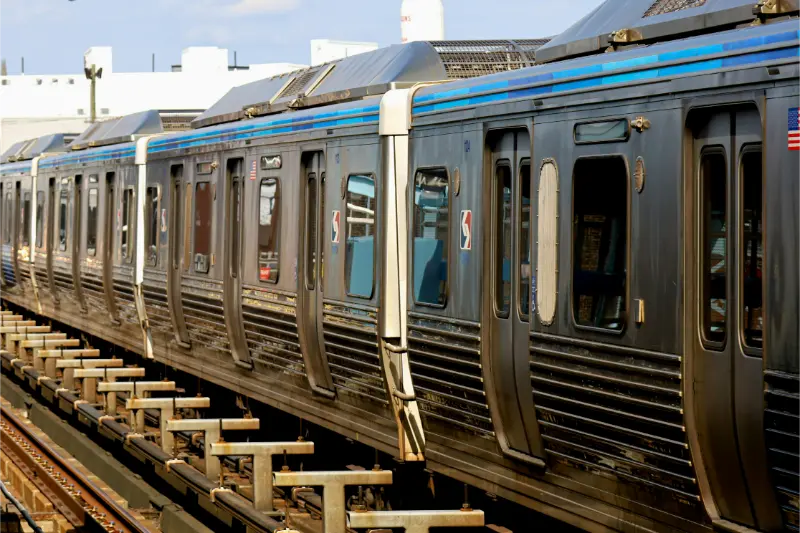
    A regional passenger train in Philadelphia

    Plan connections that reflect real stations

    Journey planners often list the shortest theoretical transfer. It may be fine for a traveler with one backpack who knows the station, but a different story for someone managing luggage, a stroller or a mobility aid. Research whether you must change platforms, pass through barriers, use a lift, switch terminals or complete passport controls. Large stations sometimes close certain entrances overnight or impose access limitations during works.

    A realistic connection includes the time needed to leave the incoming train, reach the next platform and board safely before departure. Add buffer time if trains run infrequently or if the next service is the last one of the evening. Travelers with specific mobility needs should confirm booked assistance and what happens if a delayed train changes the platform unexpectedly. A slightly longer connection can protect an entire day’s itinerary.

    What to do immediately after a delay is announced

    First check the departure board, the official app and announcements from the operating railway. Screenshots of the delayed train number and updated expected arrival can become useful evidence. Do not rely solely on a crowd gathered at the wrong platform. Ask staff which train now serves your destination and whether your ticket is automatically valid on an alternative. If the delay is substantial, seek a written confirmation or disruption reference if the operator provides one.

    Before buying a new journey, ask whether re-routing can be arranged without additional payment. A spontaneous ticket purchase may later be considered unnecessary if the railway had already offered a suitable alternative. On the other hand, some passenger-rights systems provide a route to self-arrange transport after a specified period without information. The key is to verify the law and carrier guidance for your exact service rather than assuming the same rules everywhere.

    Mountain Cable Railway Above Gorge

    European Union rail passenger protections

    EU rail passenger rules offer important protections on covered services. When a delay of at least 60 minutes is expected at the final destination, a traveler may be entitled to choose reimbursement under defined conditions or continuation and re-routing. In qualifying circumstances, care such as refreshments and accommodation may be owed, subject to the applicable conditions. Compensation can apply to some actual arrival delays, with exclusions including certain extraordinary circumstances. This is not a promise that every delayed train in Europe automatically creates a cash payout.

    The relevant EU rules have applied under Regulation 2021/782 since June 2023, though exclusions and service-specific conditions matter. Review the official Your Europe rail passenger-rights information, particularly the distinctions between cancellation, missed connections, refund choice and compensation. A passenger who chooses a refund may have different entitlements from one continuing to the destination. Avoid relying on a single percentage quoted without any explanation of the qualifying circumstances.

    Missed connections and the 100-minute issue

    For eligible EU rail journeys, the rules include a specific mechanism concerning alternative travel options when a qualifying delay is expected and the operator does not communicate re-routing options within the relevant timeframe. Under stated conditions, a passenger may arrange appropriate alternative public transport after 100 minutes and seek reimbursement of necessary, appropriate and reasonable costs. This must not be misread as permission to book any private taxi at any price or as an automatic rule for every train in the world.

    When the situation arises, use official information to identify the start of the timeframe and the route covered. Keep records of contact attempts and new ticket purchases. Travelers on separate tickets should be especially cautious; their rights may depend on different contracts or voluntary agreements between companies. If you are uncertain, ask station staff or the ticket vendor before committing to a costly alternative.

    Delay compensation versus refunds

    A refund and compensation for reaching a destination late are different remedies. A refund may apply where the trip no longer serves its intended purpose or a cancellation changes the contract substantially. Delay compensation in the EU can be calculated as a proportion of the affected ticket price when specified conditions apply. Certain exceptions and minimum thresholds can prevent payment. A claim is stronger when it states the scheduled and actual arrival times, contract details and the remedy requested.

    Keep both tickets and payment receipts, and do not delete the original itinerary after the app changes its display. A photograph of a platform board can help, but official delay certificates are preferable where issued. If your employer paid for the journey, coordinate who has the right to submit a claim and receive reimbursement. The same expense should not be claimed twice from incompatible sources without disclosure.

    Train cancellations and replacement services

    During strikes, infrastructure failures or major weather events, operators may substitute buses, change stations or cancel entire corridors. The fastest replacement is not necessarily suitable for every traveler. Ask whether the bus accepts wheelchairs, bicycles, strollers or bulky equipment, and whether accessible transport can be arranged. Replacement services may use a different departure point and have limited space; check that you can reach it safely with the time available.

    If the disruption is known before travel, explore postponement or alternative routes before leaving the hotel. Confirm that your reservation or seat assignment remains valid on the new service; a ticket may give permission to travel without guaranteeing the original reserved seat. Consider the possibility of arriving after hotel reception closes, and contact the property if the itinerary changes significantly.

    Overnight delays and essential comfort

    A late arrival can turn into an unexpected overnight stop. Ask the carrier what assistance or hotel arrangements it offers under the applicable rules before independently booking accommodation. When you must pay for necessary lodging, choose a reasonable option and keep receipts. Record why the extra stay was required and whether the operator had an alternative. Travelers with medical equipment should ensure any room can safely support their needs, including power, access and transport.

    Keep essential medication, a charging cable, basic toiletries and one small layer in hand luggage rather than in a suitcase you cannot easily reach. Families may need baby supplies, snacks and a change of clothes. A delayed final train can be particularly difficult for older travelers; a modest amount of contingency money helps maintain comfort without encouraging unnecessarily expensive choices.

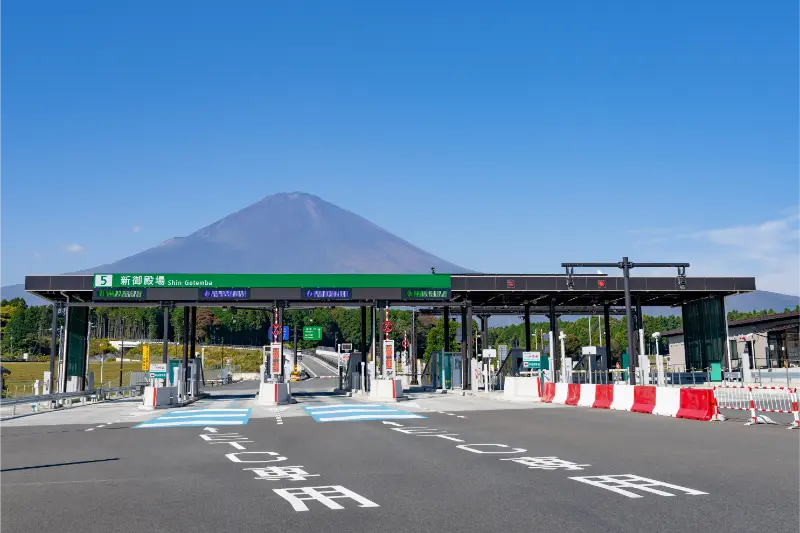
    Mount Fuji Beside Railway Station

    Traveling with a wheelchair, stroller or sensory needs

    Passenger assistance may involve a booked ramp, staff support or an accessible transfer route. When a delay occurs, contact the assistance provider promptly and request an updated plan. A replacement train that technically travels to the correct station may still be unusable if the platform, boarding arrangement or arrival station is inaccessible. Ask for confirmed alternatives rather than relying on assumptions made by a generic customer-service bot.

    For travelers with hearing loss, keep announcements available through text-based apps and monitor the official board. Families with children can designate one adult to track service changes while another stays with the children in a safe waiting area. Travelers with sensory sensitivities may benefit from quieter areas away from crowded concourses. Accessibility needs should be treated as essential journey requirements, not optional preferences.

    Cross-border connections outside the EU

    No single global railway passenger-rights code exists. A long-distance service in North America, an overnight train in Asia and a cross-border trip in Africa can have very different booking and disruption conditions. Review each operator’s official rules, especially where one train hands passengers to another company. Some operators protect connections only if all legs were issued on a through-ticket; others may have separate goodwill arrangements or none.

    Allow more buffer on international journeys that involve immigration procedures or infrequent departures. Check whether a missed train could invalidate an onward reservation and whether there is a reachable hotel near the station. If immigration status is affected by an unplanned overnight stay, obtain official guidance rather than relying on assumptions. Flexible plans are particularly valuable where alternate departures operate only once a day.

    How to submit a useful claim

    Prepare a concise timeline with the ticket number, planned services, scheduled arrival, actual arrival, disruption evidence and any staff instructions. State whether you seek a refund, legally applicable delay compensation or reimbursement of documented expenses. Attach receipts showing exact amounts and currencies. Use the railway’s official claims portal first, then identify any relevant national enforcement body or consumer resolution channel if the answer is inadequate.

    Expect the operator to check contract details and exemptions. Keep copies of everything you send and respond to requests for clarification. A claim supported by evidence has a better chance of success than a long complaint without a train number. Do not share sensitive payment details with unofficial people offering to “recover” rail compensation for a large advance fee.

    Frequently asked questions

    Does every late train entitle me to compensation?

    No. Rights depend on location, service, ticket and the length and reason for the delay. Consult the applicable rail rules and carrier contract.

    Is a connection automatically protected when I bought both tickets online?

    Not necessarily. A single checkout may still involve separate transport contracts. Read the confirmation for through-ticket status and missed-connection terms.

    Can I book a taxi as soon as my train is cancelled?

    Do not assume so. Ask the operator about re-routing and check the rules on alternative transport, reasonableness and timing before spending money.

    What if a replacement bus cannot accommodate my wheelchair?

    Notify the operator and assistance provider, request an accessible alternative and document the response. Accessibility is a central part of an appropriate travel solution.

    What proof should I keep for a claim?

    Tickets, official delay information, the actual arrival time, receipts, staff instructions and communications about re-routing are especially useful.

    Quick comparison

    DecisionWhat to check
    One through-ticketCheck connection and re-routing protection
    Separate ticketsReview each transport contract
    Long delayKeep evidence and ask official staff
    ClaimSeparate refund, assistance and compensation

    Official resources and further reading

    Rules and availability may change. Check these sources and the relevant local operator before booking.

  • Strasbourg in 4 Days: Cathedral, Petite France and Local Districts Without Racing Through Alsace

    Strasbourg in 4 Days: Cathedral, Petite France and Local Districts Without Racing Through Alsace

    Strasbourg deserves to be planned as a destination in its own right. 4 days give a first-time visitor enough room for the headline sights, local neighbourhoods, food and one flexible block without turning every morning into a race.

    If Strasbourg is part of a wider trip, compare the pace with Alsace in 7 Days: Strasbourg, Colmar and the Wine Route Without Driving Every Day. This guide adds local depth rather than repeating the broader route.

    Quick trip summary

    • Ideal stay: 4 days for a first visit.
    • Best planning rule: group each day geographically and keep one flexible half-day.
    • Best for: first-time visitors, couples, solo travellers, families, older travellers and mixed-age groups.
    • Main risk: adding too many cross-city transfers or day trips and losing the destination itself.

    Why 4 days works

    Strasbourg works both as a historic city break and as a base for Alsace, but the city loses something when every morning begins with a train or wine-route excursion. Four days let you experience the cathedral and Petite France at different times of day, explore the European and residential districts, and still add one carefully chosen regional outing.

    The most useful itinerary is not the one with the longest attraction list. It is the one that reduces backtracking, protects the one or two experiences that need a reservation or good weather, and still leaves room for meals, queues, rest and small discoveries. This matters for everyone, but especially for children, older travellers and anyone who prefers to finish a holiday with energy left.

    Use the schedule below as a framework rather than a contract. If a museum is closed, weather changes or one neighbourhood turns out to be more interesting than expected, move the flexible block instead of compressing the rest of the trip.

    Where to stay

    Area Who it suits
    Grande Île Best for a first visit, especially if cathedral access, evening walks and a car-free stay matter most.
    Krutenau A lively but more local-feeling base near the centre with restaurants, university energy and easy walking access.
    European Quarter / Orangerie Quieter and greener, useful for travellers interested in European institutions or families who want more open space.

    For a first visit, choose the area that shortens the journeys you will make most often, not the hotel with the largest room far from the places you care about. A central or strategically connected base is especially valuable when you want an early start, a midday rest or an easy evening after a long sightseeing day.

    Before booking, open the route to your first two mornings and last two evenings. Check hills, bridges, station exits, walking surfaces and late-night transport. The right district is the one that makes your actual trip easier, not the neighbourhood that appears first in a generic hotel search.

    Getting there and getting around

    Strasbourg’s main station has fast rail links to Paris and strong regional connections across Alsace. The tram network is dense and the official tourism office highlights walking, cycling, buses and trams as the easiest ways to move around. A car is unnecessary for the city itself and can create parking stress; rent one only if your wider Alsace plan genuinely requires it.

    Before paying for any city pass or transport bundle, compare it with your actual itinerary. Many visitors buy unlimited transport and then discover that two days are mostly walkable. Conversely, families, travellers with limited mobility and people visiting in extreme heat can get excellent value from short taxi or ride-hailing trips even in cities with good public transport.

    Always plan door to door. Add the walk from your hotel, station entrances, security checks, platform changes and the last kilometre at the destination. A “20-minute journey” on a map can become 45 minutes once the whole movement is counted.

    Strasbourg day-by-day itinerary

    Day 1: cathedral, Grande Île and evening light

    Begin with the cathedral and surrounding lanes before the busiest part of the day, then circle through Place Gutenberg, historic squares and the river. Return to the cathedral quarter in the evening when day visitors thin out. Do not force Petite France into the same rushed morning.

    Day 2: Petite France and city history

    Explore Petite France slowly, including the covered bridges and river views, then choose a museum or boat experience for context. Keep the afternoon within the historic centre rather than adding Colmar simply because trains are available.

    Day 3: European Quarter, Orangerie and Krutenau

    Use the tram or a long walk to see the European institutions and Parc de l’Orangerie, then finish through Krutenau for cafés and dinner. This day shows Strasbourg as a living cross-border city rather than a preserved Alsatian stage set.

    Day 4: one Alsace extension or a slow city day

    Choose Colmar, a wine-route village cluster or another single regional focus. If you are already spending a full week in Alsace, keep the day in Strasbourg for markets, food and neighbourhood time. One good excursion is more rewarding than three villages observed through a car window.

    If you arrive late on the first day or leave early on the last, remove the least important optional stop rather than squeezing two days into one. The itinerary is designed to lose a minor block without collapsing.

    What is worth booking in advance

    Book only the experiences that are genuinely scarce or that control the structure of the day: a limited-entry museum, a popular guided visit, a specific train, a boat with few departures or a restaurant that matters to you. Leave parks, markets, ordinary neighbourhood walks and lower-priority museums flexible.

    If two reservations require opposite sides of the city, question the plan before confirming both. A timed ticket that saves a queue is useful; a timed ticket that forces three hours of unnecessary travel can make the day worse. Keep confirmations offline and note cancellation rules before paying.

    Food strategy: make meals part of the route

    Alsatian food is generous, so pace traditional meals. Try dishes such as tarte flambée, choucroute or regional pastries, but alternate them with lighter lunches and market food. Wine interests can be explored in the city before committing to a full route outside Strasbourg.

    For mixed-age groups, alternate quick meals with at least one comfortable seated meal each day. Children and older travellers often enjoy markets more when there is a clear place to sit afterwards. Carry water and a small snack so that a delayed lunch does not force the whole group into the nearest tourist trap.

    Do not create a second transport itinerary just for food. A famous restaurant can be worth a deliberate journey, but most meals should fit naturally near the neighbourhood you are already exploring. This keeps evenings relaxed and makes it easier to change plans when weather or energy shifts.

    Best time to go

    Spring and early autumn balance comfortable walking weather with manageable crowds. Summer brings long days and busy visitor periods. December is famous for Christmas markets but also requires early accommodation planning and tolerance for dense crowds in the core. Winter outside the festive period is quieter but darker and colder.

    Shoulder seasons often produce the best balance between weather, prices and manageable crowds, but the exact trade-off depends on your priorities. Recheck weather, public holidays, local events and transport schedules shortly before travel because seasonal conditions can change the best order of days.

    Families, older travellers and accessibility

    Strasbourg can work well for different ages when the itinerary is simplified. Families should protect meal and toilet breaks instead of expecting children to follow an adult museum schedule. Older travellers should prioritise central accommodation, elevators where available and one major objective per half-day rather than several small stops spread across the city.

    Accessibility varies by historic district, transport system and attraction. Cobblestones, stairs, steep streets, heat and long station corridors can be more important than the distance shown on a map. Check the official accessibility page of any essential attraction and contact the venue directly when a lift, step-free entrance or wheelchair reservation is critical.

    Mixed-age trips improve when the group agrees in advance that splitting for one or two hours is acceptable. One person can take a demanding tower, trail or museum while another chooses a café, park or shorter visit. Reuniting for lunch is often better than forcing everyone through the same energy level.

    A realistic budget

    Accommodation is usually the largest variable. Build the budget around a well-located room, airport or station transfers, one or two paid attractions per day, food and a contingency margin. Do not assume that a cheap hotel far away is cheaper once repeated transport and lost time are included.

    The best splurges are usually the ones that remove friction: a direct transfer after a long flight, a central hotel, a timed ticket that avoids a major queue, a guide where historical context genuinely changes the experience, or an extra night that removes a rushed transfer day.

    Budget a small daily margin for the costs that do not appear in the headline trip price: lockers, water, local taxes, transit to the station, a taxi when somebody is tired, snacks, luggage storage and the coffee you buy because the weather changed. Those small items are normal travel costs, not planning failures.

    Weather backup plan

    Keep one indoor-heavy half-day movable. Museums, markets, covered shopping streets, cafés and long lunches are not consolation prizes; they are part of a resilient itinerary. If the forecast is excellent, use the best-weather window for viewpoints, parks, boats or outdoor heritage areas and move the indoor block to the weaker day.

    For any boat, mountain, beach, exposed viewpoint or long walking day, check conditions the evening before and again in the morning. Do not let a ticket purchased weeks earlier push the group into unsafe or miserable conditions when the operator allows changes.

    Common mistakes to avoid

    • Treating Strasbourg only as the first station on an Alsace village checklist.
    • Renting a car for central sightseeing.
    • Visiting Petite France only at its busiest midday period.
    • Trying to combine Strasbourg, Colmar and multiple wine villages in one day.
    • Eating every traditional heavy dish in consecutive meals without leaving room for lighter options.

    The recurring theme is simple: protect time. A short city break becomes exhausting when every gap is filled with another attraction, another transfer or another reservation. Leave enough space to notice the place between the landmarks.

    Safety and practical habits

    Use the same sensible habits you would use in any busy destination: keep valuables secure in crowded transport and markets, use licensed or well-reviewed transport, avoid displaying unnecessary cash, and confirm the route before accepting a long taxi ride. Save your hotel address offline and keep a backup payment method separate from your main wallet.

    Health, entry and insurance requirements depend on nationality and personal circumstances. Check your own government’s travel advice, the destination’s immigration authority and your insurer before departure, especially when your itinerary includes remote areas, high heat, boat travel or outdoor activities.

    Official information to check before you go

    For current opening information, events, transport changes and visitor updates, use Visit Strasbourg. Before making fixed reservations, check current opening hours, ticket arrangements and transport rules with the official providers.

    Final planning checklist

    • Confirm passport, visa, entry and transit rules for your nationality.
    • Choose accommodation for location first, then room size and facilities.
    • Reserve only the attractions that genuinely sell out or control the order of the day.
    • Save offline copies of tickets, hotel details and essential addresses.
    • Check airport or railway-station names carefully before booking transfers.
    • Keep one flexible half-day for weather, fatigue or something you discover after arrival.
    • Recheck official opening hours and local transport shortly before each fixed day.

    Final thoughts

    Strasbourg is more rewarding when you stop treating time as empty space that needs to be filled. 4 days are enough to see the essential places, eat well, understand the city’s rhythm and still have room to change your mind. That balance is what turns an itinerary into a holiday.

  • Stargazing Holidays: Dark-Sky Destinations, Moon Phases and Night Safety

    Stargazing Holidays: Dark-Sky Destinations, Moon Phases and Night Safety

    A holiday under genuinely dark skies can reveal the Milky Way, familiar constellations and sometimes meteor showers with a vividness that is difficult to experience in bright cities. You do not need an expensive telescope or specialist knowledge to enjoy the night. You do, however, need a location with suitable darkness, weather, legal access and a safe route back to your accommodation. Responsible astrotourism also asks visitors not to disturb wildlife or the communities that protect natural darkness. This guide helps families, solo travelers, seniors and curious beginners choose a realistic stargazing experience anywhere in the world.

    Quick planning reference

    DecisionWhat to checkUseful action
    Astronomical timingMoonrise, moon phase and seasonDarkness is not guaranteed by a location
    Ground conditionsWeather, lawful access and road safetyScout viewing points in daylight
    Comfort and impactLayers, seating and low lightingRespect wildlife and local residents

    Start with darkness, not a dramatic advertising picture

    Travel brochures may show brilliant galaxies and colored nebulae that are invisible to the unaided eye. Long-exposure photographs gather light differently from human vision. Set expectations accordingly: a remote clear night can offer breathtaking stars, while a city observatory may provide better guided explanations of planets even with a brighter sky. Look for sites recognized by reputable dark-sky organizations, protected parks or local observatories with public programs. Then check how much artificial light reaches the exact viewpoint, not just the surrounding region.

    Darkness alone is not enough. A mountain pass may look ideal on a light-pollution map but be exposed to strong wind, cold and unsafe roads. An accessible village viewpoint could provide a more enjoyable experience for someone with reduced mobility. Confirm that the site legally permits visitors after dark. Some nature reserves close at sunset, and remote areas may require guided access or an overnight permit. A responsible itinerary places comfort and safety beside astronomical conditions.

    Understand moon phases and why timing matters

    A bright Moon makes it harder to see faint stars, although moonlight can be beautiful for landscape photography. For a holiday focused on the Milky Way or meteor watching, examine the lunar phase and the times the Moon rises and sets at the destination. A new-moon period can be favorable for dark conditions, but cloud cover and seasonal position of the night sky still matter. For viewing the lunar surface through a telescope, phases around the first or last quarter can reveal interesting shadows and detail.

    You do not need to memorize astronomical calculations. Use a reliable sky calendar or observatory guide to identify dark evenings during your dates, then verify the local forecast close to arrival. In some regions nights are short in summer; at very high latitudes, the sky may never become fully dark for part of the year. If you are organizing a family trip, choose a season when children can stay awake comfortably rather than requiring a midnight expedition after an already exhausting day.

    Pick the right destination style

    Dark-sky travel can take many forms. A desert lodge might offer dry air and broad horizons but large temperature swings. A mountainous park may have spectacular views and colder, changeable weather. A rural island can offer low light pollution but limited night transport. A city with a public observatory or planetarium provides accessible introductions and guided interpretation even when the sky itself is not perfectly dark. Compare the entire visitor experience rather than treating the most remote site as automatically best.

    Manhattan Skyline At Night Beneath Milky Way

    Ask whether accommodation is within safe walking distance of the observing point or whether an experienced guide provides transport. Check road quality, parking, winter closures, mobile coverage and availability of restrooms. A site advertised as a ‘dark-sky destination’ may encompass a broad region, while the actual parking area has floodlights. Read the managing body’s visitor information and contact staff for precise viewing suggestions. A legal roadside pullout is not necessarily a safe place to stop after dark.

    Learn the night sky with almost no equipment

    Begin by allowing your eyes time to adjust to darkness and using a printed chart or low-brightness astronomy app where appropriate. Look for obvious celestial landmarks and learn a small number of constellations relevant to the hemisphere and season. A red-filtered light can help preserve some night adaptation, but use it only where needed and keep brightness low. Binoculars can be useful for clusters and lunar features, though they should never be used to look at the Sun. A simple reclining chair can make comfortable observation easier than standing with your neck bent for long periods.

    Avoid buying a large telescope before your first stargazing holiday. Such equipment can be difficult to transport, align and keep stable in wind. A guided observatory session offers the chance to learn what an instrument reveals and decide whether owning one would suit your interests. A phone on a stable support can take basic night photographs, but focus on enjoying the sky rather than spending every moment adjusting settings. One patient hour may be more memorable than trying to photograph dozens of objects.

    Nighttime safety belongs in the itinerary

    Arrive at the viewing area in daylight when possible so you can identify safe paths, barriers, drop-offs and parking. Tell someone your plan and expected return time, especially when traveling alone. Pack layers, weather protection, water, a charged phone and a light suitable for emergencies. Temperatures can fall sharply after sunset even in places that are warm during the day. Do not leave a vehicle running to stay warm in enclosed or poorly ventilated areas, and never rely on a weak phone signal as the only emergency plan.

    Respect wildlife and habitats. Avoid loud music, powerful flashlights and leaving food that attracts animals. Use marked paths and stay clear of fragile ground or cliff edges. If conditions deteriorate, leave rather than waiting stubbornly for a small gap in cloud cover. On mountain roads, fatigue and darkness can make the return journey hazardous. Booking nearby accommodation or a guided transfer may be the most valuable safety investment of the trip.

    Respect local residents and natural darkness

    DarkSky International’s responsible astrotourism principles emphasize considerate lighting, environmental protection, community wellbeing and respect for local cultures. Visitors should avoid shining beams into homes, camping illegally on private land or crowding residential lanes in search of a dark viewpoint. Some communities actively manage outdoor lighting to preserve the night sky; travelers should contribute to that work by following access rules and supporting local businesses.

    If a destination has an Indigenous astronomical interpretation program, learn through authorized community guides who choose what knowledge to share. Do not claim ownership of sacred stories or record cultural presentations without consent. A night sky is both a physical environment and part of many living cultural traditions. An observatory visit, a guided walk and a conversation about local conservation may offer more depth than chasing a single photograph of the Milky Way.

    Stargazing with children, teenagers and senior travelers

    With young children, choose a short guided session or a safe viewpoint close to accommodation. Bring warm clothes, familiar snacks and an option to return early. Set one achievable goal such as identifying a bright planet or finding a well-known constellation. Teenagers may enjoy astrophotography or learning to navigate a sky map. Emphasize that a meteor shower is a probability-based experience; it is never a guaranteed fireworks display. Keep expectations playful rather than turning the night into an achievement checklist.

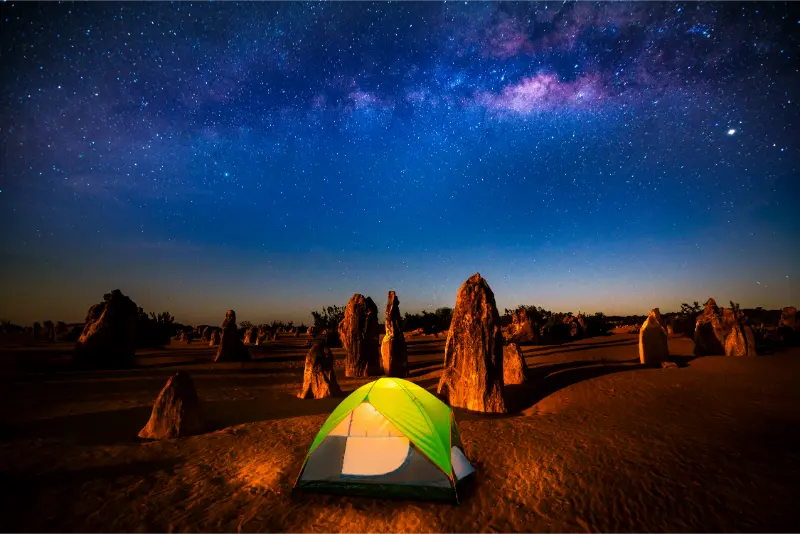
    Tenerife Stargazing Under Milky Way

    Older adults or travelers with mobility limitations may prefer a paved viewing platform, seating and accessible restrooms. Confirm whether the observing area is step-free, whether telescopes can be used from a wheelchair and how much standing is required. Cold weather or high elevation can affect individual comfort and health, so choose conditions suited to the person and ask for professional medical advice when relevant. Accessibility does not mean excluding a traveler from night-sky experiences; it means choosing a suitable format.

    Astrophotography without sacrificing the experience

    For a first attempt, steady the camera or phone on a tripod, use a timer to reduce shaking and take several test exposures. A very long exposure can make stars trail due to Earth’s rotation unless a tracking mount is used. Exact settings vary with lens, sensor, darkness and subject, so treat online presets as starting points rather than guarantees. Protect equipment from dew and extreme temperatures and bring spare power where needed. Never set a tripod where it blocks a path or creates a hazard in darkness.

    Turn off unnecessary screen brightness and cover bright indicators where safe. Ask permission before including other people’s faces, vehicles or campsites in a night photograph. Do not use light painting on wildlife or protected rock art. If sharing edited astronomical photos online, explain when color or exposure has been substantially enhanced; a heavily processed image should not promise that all visitors will see the same colors with their eyes. Honesty makes the destination more appealing to travelers with realistic expectations.

    A relaxed two-night dark-sky itinerary

    Day one: arrive before sunset, explore the village or visitor center, check official night-access conditions and enjoy a short introductory sky session if weather permits. Day two: take an easy daytime walk or museum visit, rest in the afternoon, then attend a longer guided night session. Day three: travel onward after a proper night’s sleep rather than driving a long distance immediately after being awake until dawn. Having two possible viewing nights makes a single cloudy evening less damaging to the holiday.

    If both nights are cloudy, consider a planetarium, astronomy museum, guided cultural program or a scenic daytime activity. The dark-sky destination still has a landscape and community worth understanding. Check admission, guiding and cancellation policies before paying, and avoid operators promising sightings that nature cannot guarantee. The best stargazing trip combines curiosity, sensible logistics and respect for the night.

    Frequently asked questions

    Do I need a telescope to enjoy dark skies? No. The unaided eye and binoculars can provide memorable views in suitable conditions.

    Is a new moon always the best time? It generally favors faint stars, but weather, season and the objects you want to observe are equally relevant.

    Can I stargaze from any national park parking lot? Not necessarily. Parks have site-specific closures and rules; check approved areas.

    Will my phone capture the same colors I see? Night photographs can record and enhance details differently from human vision.

    How do I make a family visit manageable? Choose a nearby safe viewpoint, warm clothing, realistic bedtimes and at least one weather backup.

    Official sources for current requirements

    Information changes across countries and over time. Check these primary resources alongside the rules of your specific destination and travel provider.

  • Overnight Trains for Beginners: Sleeper Cabins, Luggage and a Better Night on Rails

    Overnight Trains for Beginners: Sleeper Cabins, Luggage and a Better Night on Rails

    An overnight train can turn a journey into part of the holiday. You leave one city in the evening, watch the landscape fade and arrive somewhere different the next morning. It sounds romantic, and sometimes it truly is. But the reality depends on what you book: a reclining seat, a shared couchette and a private sleeping compartment are not interchangeable experiences.

    At a glance

    A practical beginner’s guide to overnight trains, with booking choices, cabin etiquette, security, sleep and next-day planning.

    What to check before booking
    DecisionWhat matters
    SeatUsually least private and hardest to sleep
    CouchetteBasic berth, often in a shared compartment
    SleeperGreater privacy; facilities vary by train

    The best first night train is the one where you know exactly what your ticket includes, how to board and what you will need without opening your main suitcase at midnight. With thoughtful preparation, the journey can be restful and memorable even when the train is not luxurious. This guide focuses on practical decisions rather than assuming every operator runs the same kind of service.

    Understand seats, couchettes and sleepers before paying

    The most economical option on some night trains is a standard or reclining seat. It may be suitable for a short journey or very limited budget, but continuous sleep can be difficult. A couchette usually provides a basic lying-down berth, often in a shared compartment with several travelers, and may include simple bedding. A sleeper compartment generally offers greater privacy and a more comfortable bed, sometimes with extra facilities depending on the train.

    Train layouts vary by operator, country, rolling stock and service date. For example, ÖBB Nightjet’s official accommodation information distinguishes seating, couchettes, mini cabins and sleeping-car options. Do not assume photographs from one route describe another. Read the specific booking page and whether you are reserving one berth in a shared compartment or the entire space.

    The price difference can be significant, especially for a family needing several berths. Calculate total costs against the daytime train plus hotel night you might otherwise pay for; our travel budget framework helps make that comparison honestly.

    Decide whether privacy is worth the extra cost

    A private sleeper can be valuable for couples, families, light sleepers and people who need a calm space. Shared couchettes may be sociable or simply practical, but you will probably hear other travelers settling in. Some services have compartment choices or single-traveler cabins, while others do not. Ask about gender-specific accommodation only where it is explicitly offered; do not infer it from a promotional picture.

    Examine the sleeping space itself. Upper berths may require climbing a ladder; bathroom facilities may be shared; luggage storage can be limited. For tall travelers, lower-berth preferences or accessible design may matter more than extra amenities. If using a mobility aid, contact the operator to confirm the actual train, boarding arrangements and any accessible compartments.

    Private does not necessarily mean silent. Track noise, stops and train movement remain part of the night. Earplugs and a flexible attitude often matter just as much as the category you reserve.

    Check the exact station and departure details

    Large cities can have several railway terminals, and a night train may depart from a station you did not expect. Confirm the full station name and departure date, particularly for departures just after midnight. A ticket for 00:20 on Tuesday normally requires you to be at the station late Monday night, not Tuesday evening.

    Japanese Elevated Railway Above Residential Streets

    Check whether the service boards early, whether platform details appear only shortly before departure and how far your accommodation is from the station. In an unfamiliar city, a short direct journey to the departure terminal can be worth more than saving money on a distant hotel. Plan how to reach the station safely after dark without relying on a bus that may have stopped running.

    Tickets may include reservations automatically or require a separate berth supplement. Confirm passenger names, dates, accommodation category and any discounts before final payment. Our guide to car-free travel offers strategies for coordinating rail connections and local transfers.

    Build in realistic connection buffers

    Rail travel avoids some airport procedures but is not immune to delays, cancellations or missed connections. A late-running daytime train can leave you stranded before a night service, while a late night train may affect a morning tour or flight. Understand whether your tickets form a protected through-journey under applicable rules or separate contracts with different obligations.

    Where possible, arrive in the departure city with time for a relaxed meal and a backup plan. Do not book a costly nonrefundable morning activity immediately after arrival. A cafe breakfast and hotel luggage drop-off is more forgiving than a tour with a strict 08:00 start.

    For services within the European Union, the European Commission’s passenger rights overview links to the rules relevant to rail journeys. Rights vary by service and circumstances, so check the current details rather than assuming all missed connections receive identical treatment.

    Pack a small overnight bag, not a whole suitcase at bedtime

    Your main case may be stored at the end of a compartment, under a berth or in a luggage area. Bring a compact night bag with toothbrush, sleepwear, medicines, tissues, a light sweater, earplugs, eye mask, water and phone charger. Add a small breakfast snack if catering is uncertain. Keep valuables and identity documents where you can access them without unpacking everything.

    Choose comfortable clothing that lets you move through shared corridors and toilets. Lightweight shoes or slippers are handy, but avoid walking barefoot in communal facilities. Check power socket types and availability on the specific train. A power bank may be useful where permitted, but do not assume you can run large appliances from train sockets.

    Our carry-on packing method can help organize the rest of your luggage. For a night train, the principle is even stronger: the bag you can reach quietly matters more than how much you managed to pack.

    Know what happens after boarding

    A staff member may check tickets, passports or travel documents and may explain breakfast or wake-up procedures; practices vary. Listen to the instructions and ask questions while you are fully awake. Locate the toilets, emergency information and the stop where you will leave. If you have a top berth, test the ladder carefully before putting away your bags.

    Some services offer locks or security devices for compartments, while others have open shared areas. Use the locking mechanisms exactly as instructed and do not block emergency exits. Keep small valuables in a secure pouch and avoid displaying cash or expensive electronics in communal areas. Ordinary precautions are usually enough; there is no need to treat every fellow passenger as a threat.

    If something is broken, unsafe or disruptive, contact train staff early rather than waiting until it is too late to move or resolve a problem. A good night’s sleep begins with knowing whom to ask for help.

    Respect shared-compartment etiquette

    Quiet voices, dim lights and keeping luggage within your allotted area make shared travel easier. Ask before changing the cabin temperature or opening a window where possible. If you expect several phone calls, take them in an appropriate common area instead of using a shared sleeping compartment as a meeting room.

    Historic Stone Railway Viaduct In Countryside

    Nighttime personal routines should be simple. Avoid strong scents and noisy packing, and plan your clothes for the next morning before lights out. In a crowded compartment, a few minutes of cooperation matters more than any single travel gadget. If you have food, choose something easy to eat and dispose of safely rather than a messy meal requiring several surfaces.

    Family travelers should discuss sleeping positions and ladder safety in advance. For younger children, follow operator restrictions and choose a suitable berth arrangement. A toddler who needs frequent attention may do better in a private space than in a shared compartment with strangers.

    Manage sleep expectations and next-day energy

    Train movement, braking, corridor sounds and unfamiliar bedding can interrupt sleep. On a first journey, avoid making rest a pass-or-fail test. Go to bed at a sensible time, keep light out of your eyes and allow yourself an easy next morning. The night can still be enjoyable if you sleep somewhat less than at home.

    Choose the first morning activity accordingly. Find a place to leave bags, eat breakfast and freshen up. Some stations offer lounges or showers, but availability and eligibility vary; confirm rather than assuming. If your accommodation cannot check you in until afternoon, identify a safe luggage-storage option and a gentle walk or indoor café nearby.

    For travelers with chronic health or sleep needs, think carefully about berth access and medication timing and seek individualized medical advice when appropriate. Our flexible travel itinerary approach is useful for keeping the arrival day manageable.

    Compare overnight rail with flying or daytime rail

    An overnight train may save one hotel night and bring you directly into the city, but it is not automatically cheaper or lower-stress. Door-to-door cost includes local transfers, meals, berth price, baggage and potentially a separate day hotel if you need rest afterward. For groups, a private compartment might cost more than a daytime train and conventional hotel.

    Also consider whether you enjoy the experience itself. Watching railway stations pass at night, sharing breakfast on board and arriving in a walkable center can feel like travel rather than transit. If you dislike unfamiliar sleeping environments, a comfortable daytime journey may be a better choice. There is no need to force an overnight train simply because it sounds adventurous.

    Environmental comparisons require the actual route and transport alternatives, not a universal claim. Choose rail where it works practically and acknowledge when a different option is better for your needs.

    A first-timer’s timeline from afternoon to arrival

    Afternoon: confirm the train’s status, eat a proper meal, charge devices and check the station route. Before boarding: buy water and snacks if needed, visit a station toilet and keep tickets accessible. On board: settle luggage, confirm your berth and destination stop, then prepare night essentials before the cabin becomes dark.

    Before sleep: secure valuables, set a backup alarm and follow staff instructions. Morning: pack quietly, confirm arrival information and leave time to navigate the station. After arrival: choose breakfast and one easy activity before the main sightseeing day begins.

    If you keep these steps simple, the train’s quirks become part of the pleasure. Traveling overnight is less about sleeping perfectly and more about crossing distance without turning the journey into a logistical obstacle.

    Frequently asked questions

    Is a couchette the same as a sleeper cabin?

    No. Couchettes usually provide simpler berths and are often shared; sleepers generally offer more comfort or privacy. Check the actual operator’s product details.

    Do I need to reserve a berth separately?

    Sometimes the reservation is bundled and sometimes it is a distinct part of the ticket. Verify the final confirmation names a specific accommodation category.

    Can I bring a large suitcase on a night train?

    Baggage allowances and storage differ by operator. Check size rules and plan an accessible small night bag to avoid opening the main case.

    Is an overnight train ideal before an early flight?

    Not necessarily. Delays and imperfect sleep make a tight morning connection risky. A generous buffer is safer where feasible.

  • Phuket in 6 Days: Beaches, Old Town and Phang Nga Bay Without Changing Resorts Every Night

    Phuket in 6 Days: Beaches, Old Town and Phang Nga Bay Without Changing Resorts Every Night

    Phuket deserves a trip built around geography and real travel time rather than a checklist. Phuket is large enough that choosing the wrong base can turn a beach holiday into a daily traffic problem. Six days works well if you stay in one main area, group the southern beaches and viewpoints together, give Phuket Old Town its own half-day or evening, and keep only one major boat excursion fixed. The island becomes much easier when you stop trying to sample every resort strip.

    If this destination is part of a longer journey, compare the pacing with Southern Thailand in 10 Days: Krabi, Koh Lanta and Khao Sok Without Island-Hopping Every Day. The useful question is not how many famous names fit on the map, but how much usable holiday time remains after transfers, check-in, meals, weather and rest.

    Quick trip summary

    • Recommended time: 6 days.
    • Best planning principle: group each day by geography and protect only the reservations that control access.
    • Best for: independent travellers, couples, families and slower-paced visitors who prefer a realistic rhythm.
    • Keep flexible: at least one half-day or one major activity that can move with weather, traffic or energy.
    • Book first: the accommodation location, scarce transport and any permit, timed entry or signature experience that shapes the rest of the trip.

    Is Phuket the right trip for you?

    Phuket can suit almost any traveller, but not every part of Phuket suits every traveller. Patong is useful for nightlife and dense services; Kata and Karon balance beach access with restaurants; Kamala is calmer; Nai Yang and Mai Khao make sense for quieter stays and airport convenience. Families, couples, solo travellers and older visitors can all have a good trip if the base matches the desired pace.

    The practical test is simple: decide what would make you disappointed if you missed it, then build the trip around that one or two priorities. Everything else should earn its place by fitting the same area of the day. This is especially important when travelling with children, older relatives or anyone who enjoys a slower pace.

    Where to stay: choose location before hotel style

    Base Why choose it
    Kata / Karon Best all-round base for first visits: beaches, restaurants and reasonable access to southern viewpoints without Patong’s intensity.
    Kamala / Bang Tao Best for a calmer resort atmosphere and travellers who want good facilities without being in the main nightlife zone.
    Phuket Old Town Best for food and heritage rather than a classic beach stay; excellent for a split stay only if changing hotels adds real value.

    A more attractive room is not always a better travel decision. Before booking, map the first activity of the morning, the likely dinner area and the departure route. If the hotel adds two unnecessary transfers every day, the hidden cost is time as well as money.

    A realistic 6-day itinerary

    Day 1: arrive and use the nearest beach

    Do not cross the island for sightseeing after a flight. Settle into your chosen base, walk the local beach, identify transport options and have an easy dinner nearby. Phuket traffic can make a short map distance surprisingly slow at peak times.

    Day 2: southern beaches and viewpoints

    Group Kata, Karon, Nai Harn or a viewpoint according to where you stay. Choose two beach stops, not five. Swimming conditions change with season and red flags should be treated seriously. Sunset is more enjoyable when you are not trying to race from one crowded viewpoint to another.

    Day 3: Phuket Old Town and food

    Spend the hotter middle of the day in cafés, museums or shaded heritage streets. Old Town adds architecture and local food that a resort-only visit misses. Return to your beach base before late traffic if you want a relaxed evening.

    Day 4: Phang Nga Bay or another major boat day

    Use one full day for a bay or island excursion. Compare boat size, transfer time, passenger count and route, not only the list of photo stops. Sea conditions matter, and a smaller itinerary with more time at each place is usually better than eight rushed stops.

    Day 5: flexible beach, spa or northern island day

    Keep this day movable. If the sea is calm, use it for a second water activity; if weather is poor, choose Old Town, a cooking class or a slower resort day. Travellers staying north can explore quieter beaches rather than crossing south again.

    Day 6: easy morning and airport buffer

    Stay close to your base and leave more time than the raw distance suggests for the airport. Traffic around the island can be unpredictable. A final massage, breakfast or beach walk is a better use of the morning than one last distant attraction.

    How to move around without wasting the day

    Phuket does not have a rail system, and road traffic is the main constraint. Taxis, ride-hailing, hotel transfers and some bus services can all work, but no single option is perfect for every beach. Renting a scooter is not a beginner-friendly solution to traffic; road conditions, helmets, licensing and insurance matter. If you rent a car, parking and one-way loops in busy resort areas need to be part of the plan.

    Do not judge a journey only by kilometres. A short distance can include traffic, security, parking, boat boarding, luggage handling or a long final walk. For every important transfer, think in door-to-door time and keep a margin before anything expensive or difficult to replace.

    Best time to visit

    The drier period roughly from November to April is popular for beach conditions, while the southwest monsoon from around May to October can bring rougher seas and heavier showers. That does not mean rain every day, but boat trips and swimming become more weather-dependent. Red-flag beach warnings are more important than a generic seasonal label.

    Seasonal advice should guide the style of the trip, not become a promise. Climate averages cannot tell you the exact conditions on your dates. Check the local forecast and any official closure, transport or safety notice again shortly before each weather-sensitive day.

    What to book first

    Book accommodation and one priority boat excursion first. Keep other activities flexible enough to move around the weather. If you are travelling during Christmas, New Year or other peak periods, reserve airport transfers and high-demand restaurants earlier. Check whether hotel prices include the taxes and service charges shown only at the final booking step.

    After those anchors are secure, leave ordinary meals, short walks and secondary sights open. A timetable with every hour reserved is fragile: one delay turns the rest of the day into a sequence of apologies and missed slots.

    Food strategy: eat well without scheduling every meal

    Phuket is much more interesting if you leave the beachfront restaurant strip occasionally. Old Town has strong local Thai and Peranakan-influenced food, while beach areas offer everything from street food to international dining. Use busy, well-run stalls and restaurants, drink safe water and be specific about spice levels if the group has different tolerances.

    For a multi-age group, a reliable breakfast and an easy lunch often matter more than one additional attraction. Keep water accessible, avoid waiting until everyone is exhausted to look for food and use meal stops as genuine rest rather than another item to complete quickly.

    Travelling with children

    Choose a beach with convenient shade, toilets and food rather than chasing the most photogenic cove. Boat days can be long for small children, so ask about life jackets, shade and transfer time before booking. A resort pool or short beach morning is not a wasted day; it often keeps the rest of the family itinerary enjoyable.

    Children do not need a simplified version of every adult attraction. They usually need a different rhythm: movement, shade, snacks, toilets and periods when nobody is asking them to pay attention. Protect those needs and the whole group usually sees more, not less.

    Travelling at a slower pace or as a senior

    For older travellers, base location is more important than island coverage. Stay where restaurants and the beach are reachable without a steep road. Ask hotels about slopes, elevators and shuttle carts. On boat trips, speedboats can be physically demanding in choppy water; a larger vessel may be a better choice even if it takes longer.

    When mobility or stamina is limited, reduce transitions before reducing experiences. One well-located base, a direct transfer and a shorter route often preserve the most memorable parts of a trip far better than trying to keep the original schedule with longer rest stops.

    Budget: where the money really goes

    Phuket ranges from inexpensive local food to luxury beach clubs and resorts. Transport can quietly become one of the biggest costs if you cross the island repeatedly. A slightly more expensive hotel in the right base can therefore save both money and time. Compare excursion prices by inclusions, especially hotel pickup, park fees and meals.

    Track the total cost of each planning choice. A lower hotel rate can be false economy after taxis, parking or long transfers, while a more expensive excursion may be reasonable if it replaces a rental car, guide and separate admission fees. Compare complete days rather than isolated prices.

    Weather fallback plan

    Keep one fully flexible day. If the sea is rough, do not try to rescue the schedule with another boat company promising a smoother trip. Move inland to Old Town, a spa, café hopping or a cooking experience. Tropical showers can be brief, but lightning and strong surf require a real change of plan.

    The useful fallback is not a list of random indoor attractions. It is one realistic substitute that fits the same area or preserves the next day. Keep at least one activity movable so a poor forecast does not force you to choose between losing money and doing something unsafe.

    Connectivity, cash and small practical details

    Carry small cash for local purchases even though cards are widely used in hotels and larger businesses. Save your hotel name and address in Thai or on a map. For airport day, ask about realistic travel time at the exact hour you will leave rather than relying on the distance shown at noon.

    Save hotel addresses, tickets, permits, insurance details and the next transfer outside your email app. Offline access matters most precisely when the network is weak, your battery is low or you are trying to solve a delay.

    What to pack

    Light clothing, sun protection, a compact rain layer and sandals are obvious, but add secure footwear for viewpoints and boat piers. A dry bag protects phones on wet transfers. Reef-safe behaviour matters more than buying specialist gear: do not stand on coral or touch marine life.

    A small day bag should hold water, medication, sun or rain protection and the layer you are most likely to need. The goal is not to carry everything; it is to avoid having the useful items locked in a suitcase or parked car when conditions change.

    Common mistakes to avoid

    • Choosing a hotel solely because it says Phuket without checking which coast or beach it is on.
    • Renting a scooter without the licence, insurance and experience required for local roads.
    • Planning a boat trip for every day and leaving no weather buffer.
    • Ignoring red swimming flags because the beach looks calm near shore.
    • Crossing the island repeatedly for dinner, nightlife and sightseeing instead of grouping days geographically.

    Responsible travel and local etiquette

    Follow beach safety flags, avoid wildlife attractions that depend on inappropriate animal handling and choose marine operators that respect protected-area rules. Reduce single-use plastic where practical and never leave rubbish on remote beaches. In temples and local communities, dress and behave for the setting rather than as if the entire island were a resort complex.

    The best rule is to treat the destination as a real place rather than a stage built for visitors. Follow staff and ranger instructions, respect residential space and protected environments, and spend with businesses that add genuine local value instead of rewarding the most aggressive sales pitch.

    If you have less or more time

    With three days, stay in one beach base, add Old Town and choose one excursion. Four or five days is enough for a strong first visit. A week or more lets you add a second base in the quieter north or continue to Khao Lak, Krabi or an island without making Phuket itself frantic.

    Extra days are most useful when they reduce pressure. Before adding another distant stop, ask whether the trip improves more by sleeping in the same place, repeating a favourite beach or neighbourhood, waiting for better weather or enjoying a late breakfast without watching the clock.

    How to choose between similar experiences

    Choose Phuket when you want extensive accommodation, restaurants and easy flight access with beach variety. Choose Krabi for dramatic limestone scenery and a smaller mainland base; choose Koh Lanta for a slower island rhythm. If your wider trip already includes several islands, Phuket Old Town and one strong beach may add more variety than another sequence of boat tours.

    When two options offer a similar experience, choose the one that fits the geography and energy of the day. The extra hour of transfer rarely creates an extra hour of enjoyment, especially in heat, traffic, rough water or at altitude.

    Safety and decision-making on the day

    Road safety and sea conditions are the two everyday issues travellers should take most seriously. Wear helmets, use seatbelts when available and do not treat a short scooter ride as risk-free. On the water, follow crew instructions and postpone trips when conditions are poor. Protect valuables on crowded beaches without becoming anxious about normal travel.

    Local warnings, ranger instructions and transport operators have more value than an itinerary written months earlier. Set a practical turnaround time for hikes, drives and water days, and change the plan when conditions deteriorate rather than trying to complete the original checklist.

    Useful official and planning resources

    Opening hours, protected-area rules, transport schedules, fees and visitor procedures change more often than the landscape. Recheck the source below shortly before departure.

    Final planning checklist

    • Confirm passport, visa, transit and health requirements for your nationality.
    • Reserve the transport, permit or timed entry that controls the rest of the itinerary.
    • Check how luggage moves between airport, road transfer, ferry, train or accommodation.
    • Download offline maps and save key tickets outside your email app.
    • Recheck weather, sea, road, trail or park notices before each critical day.
    • Keep at least one half-day that can absorb a delay or become simple rest.
    • Leave a generous buffer before international flights and other costly connections.

    A good trip to Phuket should feel like you understood the place, not merely that you passed through it. Keep the transport anchors fixed, leave room for conditions to change, and remove anything that does not fit your interests, mobility or energy. The result is usually more enjoyable than the most ambitious version of the same route.

  • Jet Lag and Long-Haul Arrivals: How to Recover Without Losing Your First Vacation Days

    Jet Lag and Long-Haul Arrivals: How to Recover Without Losing Your First Vacation Days

    Stepping off a long flight should be exciting, but the first day can feel strangely unreal. Your watch says it is morning, your body thinks it is bedtime, and a carefully planned sightseeing schedule suddenly looks impossible. Jet lag is more than ordinary tiredness: crossing time zones rapidly can put the body’s internal clock out of sync with local daylight and sleep patterns. It affects people differently and is not solved by a single universal trick. The most helpful strategy is to plan the journey, adjust light and sleep sensibly, and give the first day room to breathe. This guide offers realistic steps before, during and after long-haul travel, including advice for families, older adults and visitors who must drive or attend an important event soon after landing.

    StageUseful priority
    Before departureProtect sleep and assess arrival time
    During flightRest, hydrate and consider destination time
    First afternoonKeep plans light and get suitable daylight
    First nightProtect a comfortable local bedtime

    First, distinguish jet lag from travel fatigue

    A long journey can cause exhaustion even if you cross no time zones. Airport queues, poor airplane sleep, dehydration, noise and stress all contribute. Jet lag specifically involves the mismatch between your body’s circadian rhythm and the destination’s clock. Common effects include difficulty falling asleep at the expected time, waking too early, daytime drowsiness, trouble concentrating and changes in appetite or digestion. The more time zones crossed, the greater the potential mismatch, though personal responses vary. A late-night flight followed by several hours of driving can be tiring without being a classic jet-lag journey. Recognizing the difference prevents unrealistic expectations. Sleep, meals, daylight and a less demanding itinerary often help both problems, but persistent or severe symptoms warrant medical advice rather than improvised self-treatment.

    Direction and schedule both matter

    Traveling east often requires falling asleep and waking earlier according to your body clock, which many people find harder than delaying sleep for a westward journey. Yet route, departure time, arrival time and individual habits can change the picture. A flight that lands in the morning gives a chance to encounter daylight and start adapting, but only if the traveler can remain safely awake. An evening arrival may be easier for someone who has slept adequately in transit and can go to bed soon after checking in. When booking, compare the total door-to-door journey and the first useful day, not just ticket price. Two connections and a middle-of-the-night hotel arrival can remove any benefit of a theoretically ideal landing time. Short trips may not justify trying to adapt completely to a very different time zone.

    Prepare a few days before departure

    You do not need an elaborate military-style sleep schedule. If practical, shift bedtime and waking by a modest amount toward your destination for two or three days, particularly for a large eastward change. Consistency is more useful than staying up all night before the flight in the hope of sleeping on board. Pack early enough to avoid last-minute sleep loss, which can make the journey harder. Check the local arrival time and decide whether your first meal, hotel check-in and transport are realistic. If you have a medical condition, regular medication schedule or shift-work routine, discuss adjustments with a qualified professional. Avoid changing prescription doses or timing purely on the basis of general travel advice. Adults traveling with children should also consider whether a gradual routine change would help or simply disrupt the family before departure.

    Use the flight as a transition period

    Once aboard, set a second clock or phone display to the destination time. This can help you decide when to eat, rest or seek light, though the ideal schedule depends on direction and duration. Use an eye mask and earplugs if they improve comfort, but do not take sleeping medicines casually on an unfamiliar flight. Hydrate regularly, keep caffeine within your usual tolerance and avoid relying on alcohol to induce sleep. Stand or move as safely permitted on long flights and follow medical advice if you have specific clotting or circulation concerns. A comfortable seat and a short period of rest can matter more than expensive sleep gadgets. Remember that cabin meals, entertainment and other passengers may make uninterrupted sleep impossible, so aim for useful rest rather than perfection.

    Daylight is a powerful cue, but timing counts

    Natural light helps the body clock adapt to a new day. After arrival, spend some appropriate time outdoors rather than staying in a dark hotel room throughout the day. However, the effect of light depends on when your internal clock experiences it; bright light at the wrong time may delay adaptation. The CDC’s Yellow Book explains the role of carefully timed light and the difference between eastward and westward adjustments. For most leisure travelers, a practical starting point is to follow a sensible destination-day routine and avoid excessive late-night bright light, while people facing major shifts may benefit from an individualized jet-lag calculator. A short walk or café stop in daylight is easier to manage than a strenuous outdoor excursion. Protect skin and eyes according to conditions, especially in tropical or high-altitude destinations.

    Keep arrival day deliberately modest

    The first hotel night is more valuable than a packed first-day schedule. Arrange a reliable transfer before departure, store the address offline and avoid booking a strenuous activity within hours of a long-haul arrival. If you arrive early and your room is not ready, ask about luggage storage or a lounge rather than wandering all day with heavy bags. Choose one simple experience: a waterfront stroll, a nearby park or a relaxed meal. If you need a nap, keep it short enough that it is less likely to replace the next night’s sleep. Travel partners may have different energy levels; give everyone permission to choose rest without making it feel like a failed vacation. A light first day can improve the remaining week and reduce the chance of arguments caused by exhaustion.

    Eating, drinking and caffeine without rigid rules

    Moving toward local meal times can provide another gentle cue that you have entered a new routine. You do not have to force a large breakfast when your stomach still thinks it is midnight; a small, familiar meal can be sufficient. Keep water accessible during transfers, particularly in hot climates or when walking with luggage. Caffeine can help you remain alert during the local day, but consuming it near the intended bedtime may prolong the problem. Amount and sensitivity vary, and children should not follow adult caffeine strategies. Avoid heavy drinking as a shortcut to sleep because it can worsen sleep quality and dehydration. A traveler managing diabetes, digestive illness or another condition should prioritize a medically appropriate eating schedule over generic time-zone tips.

    Be cautious with melatonin and sleep products

    Melatonin is discussed in the CDC Yellow Book as an option that can influence circadian timing, but it is not a harmless solution to take at any hour. Timing, dose, other medicines and individual health circumstances matter; inappropriate use can worsen the mismatch or cause side effects. Supplement quality and regulations also vary by country. Do not give melatonin or sedative products to children without appropriate professional guidance. Older adults and people using multiple medicines should consult a clinician or pharmacist before adding anything. Sleeping pills are not a substitute for a safe travel plan, especially if you must navigate an unfamiliar airport, supervise children or drive. Many travelers can make useful improvements with sleep opportunity, a sensible schedule and light exposure without purchasing any supplement at all.

    Families and older adults need different pacing

    A baby or toddler does not care that the family has prepaid museum tickets. Familiar sleep cues, feeds and a predictable bedtime routine can make the transition gentler, but expectations should stay flexible. Bring a comforting item and allow for naps appropriate to the child’s age rather than keeping everyone awake simply to reset the clock. School-age children may adapt at a different speed from adults; a quiet hotel afternoon can be a worthwhile use of time. Older travelers sometimes have established sleep routines, medication schedules or greater sensitivity to disrupted rest. Choose accommodation with reliable heating or cooling, quiet rooms and easy access to meals. Avoid lodging that requires exhausting stairs after overnight flights. For multi-generational groups, agree that some people may explore while others rest, then meet later.

    Do not schedule demanding driving while exhausted

    A tired driver on an unfamiliar road is a bigger concern than missing an attraction. If possible, avoid collecting a rental car and immediately driving several hours after a sleepless overnight flight, especially on the opposite side of the road from home. Choose an airport hotel, a driver or rail connection for the first leg when circumstances allow. If driving is unavoidable, share responsibilities with a rested licensed driver and stop when drowsiness appears; opening a window or increasing music volume does not restore safe alertness. Similar caution applies to strenuous hiking, diving, technical activities and important decisions made under severe fatigue. Jet lag can impair concentration even when a person feels enthusiastic about being on holiday. Build the first 24 hours around safer choices rather than maximizing the number of sights seen.

    What if you cannot sleep at local bedtime?

    Do not panic after one difficult night. Make the room comfortable, keep it dark and quiet where possible, and step away from stimulating work or long social-media sessions. If you remain awake, choose a calm activity rather than checking the time constantly. Aim for a consistent waking time and suitable daylight the following day, while allowing enough rest to function safely. A long afternoon nap may make the next night more difficult; a brief one may be useful if necessary. Avoid trying a new medication simply because you have an early tour. If insomnia is severe, unusually prolonged, accompanied by concerning symptoms or worsening an existing medical condition, consult a qualified healthcare professional. The goal is gradual adaptation, not winning a battle against the clock on the first night.

    Build an itinerary that respects the body clock

    For a week-long journey, place flexible, nearby activities on day one and save early starts or strenuous trips for later. Reserve major nonrefundable experiences after a buffer when possible. For a very short business or city trip, decide whether partial adjustment may be more practical than switching fully to local time. If you will cross another time zone a few days later, do not force an aggressive routine that leaves everyone more tired. Choose your hotel with the first-night experience in mind: easy transfer, quiet rooms, blackout curtains and food nearby may matter more than a famous view. Allow a comfortable return day at home if school or work begins early the next morning. The vacation should feel like time well spent, not a competition to ignore sleep.

    Frequently asked questions

    Does everyone get jet lag after a long flight?

    No. Crossing multiple time zones raises the possibility, but symptoms and severity vary. Long flights without time-zone changes can still be exhausting.

    Should I sleep all afternoon after landing?

    Lengthy daytime sleep may delay adjustment to local bedtime. A short nap can sometimes help, depending on fatigue and the itinerary.

    Is there a guaranteed cure for jet lag?

    No single method works for everyone. Sleep timing, appropriately timed light, hydration and realistic scheduling can help, while medication decisions deserve individual medical advice.

    Official resource

  • Ontario in 9 Days: Toronto, Niagara and Prince Edward County Without Changing Hotels Constantly

    Ontario in 9 Days: Toronto, Niagara and Prince Edward County Without Changing Hotels Constantly

    Ontario is enormous, so a nine-day first trip should not try to combine Toronto, Niagara, Ottawa, Algonquin and the Great Lakes north shore. Southern Ontario already offers more than enough variety.

    This route uses Toronto first, Niagara next and Prince Edward County for a slower final block. Ottawa and Algonquin are saved for another itinerary.

    The Government of Ontario describes Niagara as a major multi-day tourism region centred on Niagara Falls and more than 100 vineyards. That scale is a good reason to stay overnight instead of treating the falls as a rushed Toronto day trip.

    Quick trip summary

    • 4 nights Toronto, 2 nights Niagara region, 2 nights Prince Edward County, Day 9 departure.
    • Keep Toronto car-free.
    • Stay in Niagara rather than day-tripping if wine or evening falls views matter.
    • Use a car for Prince Edward County.
    • Do not add Ottawa and Algonquin to the same nine days.

    Why this route works

    Toronto deserves several nights because neighbourhoods, museums, waterfront and food are spread across a large city.

    Niagara becomes much better after the day-trip buses leave and gives enough time for both falls and wine-country or historic-town experiences.

    Prince Edward County creates a slower lakeshore finale of beaches, farms and small towns before the return.

    A realistic itinerary at a glance

    DaysBaseMain focus
    1–4TorontoNeighbourhoods, museums and waterfront
    5–6NiagaraFalls, Niagara-on-the-Lake and vineyards
    7–8Prince Edward CountyLake Ontario, food and beaches
    9DepartureToronto onward

    Day-by-day plan

    Day 1: Toronto arrival

    Stay near rapid transit and keep the first day to the waterfront or one central neighbourhood.

    Day 2: Toronto core

    Use one major museum/gallery and a neighbourhood cluster rather than trying to cross the entire city.

    Day 3: Toronto neighbourhood day

    Choose Kensington/Chinatown, Queen West, Distillery District, islands or another coherent direction.

    CN Tower Toronto Waterfront Lake Ontario Canada

    Day 4: Flexible Toronto

    Use the Toronto Islands, food, another museum or a slower day. This prevents the city from feeling like a four-day checklist.

    Day 5: Toronto to Niagara

    Collect a car or use rail/transfer, check in and visit the falls later in the day when many day visitors have left.

    Day 6: Niagara region

    Use one falls experience plus Niagara-on-the-Lake and selected wineries with sober transport if tasting.

    Day 7: Niagara to Prince Edward County

    Drive east, making the transfer the main activity, then settle near Picton, Wellington or another practical base.

    Day 8: Prince Edward County

    Use Sandbanks/beaches, wineries/cider, farm shops and small towns selectively. Do not drive from producer to producer all day.

    Day 9: Departure

    Return toward Toronto airport with Highway 401 traffic built into the schedule.

    Where to stay and how many hotel changes to make

    In Toronto, choose subway/streetcar access rather than proximity to one attraction.

    In Niagara, Fallsview works for spectacle, Niagara-on-the-Lake for atmosphere; Prince Edward County works best when dinner is close enough to avoid repeated night driving.

    Choose accommodation for geography before decoration. A well-positioned room can save an hour every day and often matters more than a small difference in nightly rate.

    Read recent guest reviews for practical details that hotel pages rarely emphasise: stairs, parking, road noise, breakfast hours, room temperature and the real walk from a station, ferry terminal or car park.

    Transport: what is worth planning in advance

    Toronto is easier without a car; collect one only when leaving if practical.

    Southern Ontario distances look easy, but Toronto-area traffic can add significant time around rush periods.

    Measure every move door to door rather than by the headline journey time. Luggage, road conditions, parking, waiting and the final connection can turn a short move into half a day.

    Save important tickets, addresses and maps offline. The places where navigation matters most are often exactly where mobile coverage becomes unreliable.

    CN Tower Toronto Ontario Canada At Night

    Food and daily rhythm

    Toronto’s global food scene is a major part of the city experience, while Niagara and Prince Edward County add wine, cider, farm restaurants and regional produce.

    Use sober transport for serious tasting days.

    Use meals to shape the rhythm of the day. A long regional lunch can be both an experience and a recovery period after hiking, museums, heat or an early start.

    Do not make every meal another reservation. Mix destination restaurants with markets, bakeries, cafés and simple local places so food improves the trip instead of controlling it.

    Families, children and older travellers

    Toronto islands, museums and Niagara attractions work extremely well for families.

    Older travellers should use transit and elevators strategically in Toronto and choose falls viewpoints that minimise stairs.

    For multigenerational travel, the right pace is the one at which the least mobile member still enjoys the day. That usually creates a better shared trip for everyone.

    When accessibility matters, ask precise questions about steps, path surfaces, boat boarding, lifts, toilets and vehicle access rather than relying on a generic accessibility label.

    Budget: where the money really goes

    Toronto hotels and Niagara Fallsview rooms are the biggest accommodation costs.

    A Prince Edward County stay with kitchen or breakfast can reduce the cost of rural dining.

    Compare total trip cost rather than headline prices. Parking, transfers, fuel, luggage and guided excursions can erase an apparent saving.

    The best splurges usually remove friction: a central room, a direct transfer, a quality local guide or one extra night that prevents an exhausting move.

    Best time to go

    Late spring through early autumn offers the broadest outdoor options; fall is excellent for wine regions and foliage.

    Winter can be atmospheric at Niagara but creates a completely different county/beach itinerary.

    CN Tower Over Toronto Harbour Ontario Canada At Dusk

    Shoulder season often balances weather, crowds and prices well, but rural attractions and mountain or marine services may run less frequently.

    Weather should change the order of the day. Keep lower-effort alternatives so wind, rain, heat or snow do not force you to waste the trip.

    Comfort, accessibility and realistic pacing

    Four Toronto nights absorb jet lag before any driving begins.

    The final county block is deliberately slower than the city/falls section.

    Travel fatigue compounds. One difficult transfer can weaken the following two days, which is why this itinerary avoids one-night bases unless geography genuinely requires them.

    A free half-day is not wasted time. It is insurance for weather, delays, a tired child or a place you discover only after arriving.

    Small decisions that improve the trip

    Stay overnight in Niagara

    The region deserves more than a day trip.

    Keep Toronto car-free

    Traffic and parking add little value.

    Use one County base

    Rural roads are for short loops, not hotel hopping.

    Leave Ottawa for later

    Nine days are better spent deeply in the south.

    What I would leave out on this length of trip

    Leave Ottawa, Algonquin and Muskoka for another Ontario trip.

    Skip returning to Toronto every night from Niagara or Prince Edward County.

    Mistakes that make this trip harder than it needs to be

    • Renting a car for downtown Toronto days.
    • Seeing Niagara only at midday.
    • Driving after tastings.
    • Adding Ottawa as a one-night detour.
    • Underestimating Toronto traffic.
    • Leaving the County under a tight Pearson flight.

    How I would adapt the itinerary

    With six days, use Toronto plus Niagara.

    With twelve days, add Ottawa by train or Algonquin with a proper outdoor block.

    Before booking

    • Choose Toronto hotel by transit.
    • Plan wine transport.
    • Reserve peak Sandbanks/County stays early.
    • Check traffic before transfer days.
    • Protect Pearson airport time.

    Practical questions

    Is Niagara worth staying overnight?

    Yes, particularly if you want evening views, Niagara-on-the-Lake or wine country.

    Niagara Falls lit after dark

    Do I need a car?

    Not in Toronto; yes for the County and maximum Niagara flexibility.

    Why Prince Edward County?

    It provides a slower Lake Ontario food-and-beach finish without another flight.

    Final thoughts

    Ontario becomes much easier when you stop trying to use Toronto as a day-trip base for half the province.

    Toronto, Niagara and Prince Edward County create a nine-day route with city energy, world-famous scenery and a relaxed lakeshore finish.

    How to keep the itinerary resilient

    Keep one Toronto day and the County day flexible around weather.

    If traffic is unusually heavy before departure, leave the County early rather than adding another rural stop.

    Who this route suits best

    This itinerary works best for travellers who value depth over collecting places. It keeps hotel changes low, protects flexible time and assumes that a good meal, a slower morning or an unexpectedly interesting local stop can be as valuable as another famous attraction. That approach works especially well for first-time visitors, couples, families and multigenerational groups.

    More energetic travellers can add a longer hike, another museum or a second excursion on flexible days. Travellers who prefer an easier pace can remove those extras and still keep the core journey intact. Before booking, identify the two or three experiences that would genuinely disappoint you to miss; those are the ones to reserve first.

    What to book early and what can wait

    Book the elements with genuinely limited capacity first: high-demand accommodation, protected-area access, popular trains, ferries or flights, and any guided experience central to the trip. Leave ordinary meals, minor attractions and weather-dependent activities more flexible whenever possible.

    One week before departure, check official transport or park information again. The evening before each important move, confirm departure points, opening status and the hotel address. That small routine catches many avoidable travel problems before they become expensive or tiring.