Author: admin

  • Brazil in 10 Days: Rio de Janeiro and Iguaçu Falls Without Spending Half the Trip in Airports

    Brazil in 10 Days: Rio de Janeiro and Iguaçu Falls Without Spending Half the Trip in Airports

    Brazil is continental in scale, which means a first ten-day trip improves dramatically when you stop trying to “see Brazil” and choose two strong regions instead. Rio de Janeiro, Iguaçu Falls, Salvador, the Amazon and São Paulo can all belong to great trips, but they do not belong to the same short itinerary unless airports become the main recurring experience.

    This route gives most of the time to Rio and adds Iguaçu Falls as the nature contrast. Brazil’s official tourism material notes that the falls change character with the seasons: wetter summer months generally bring greater water volume, while drier periods can make individual cascades more defined. That makes Iguaçu worthwhile in different seasons, but the exact experience is never identical.

    Quick trip summary

    • Use Rio as the main base and add only Iguaçu as the second region.
    • Choose a Rio neighbourhood based on evening comfort and transport, not just beach proximity.
    • Reserve one clear-weather slot for Sugarloaf/Christ viewpoints instead of fixing both to the same day.
    • Give Iguaçu two nights so domestic-flight delays do not erase the waterfall visit.
    • If crossing to the Argentine side, check current border requirements for your nationality before travel.

    Who this itinerary is for — and when to change it

    This route is designed for a first or early visit with a moderate pace. It assumes that you want the destination’s defining experiences without turning every day into an early start, late arrival and luggage transfer. Couples, solo travellers, families and mixed-age groups can use the same geographic structure, but the number of activities inside each day should change with mobility, climate, jet lag and personal interests.

    Before booking every attraction, identify the two experiences you would regret missing. Protect those first, then build the rest of the trip around them. Weather-dependent mountains, deserts, coastlines and wildlife experiences deserve flexible placement, while museums and neighbourhood days can often move more easily.

    Where to stay: choose the base before the hotel

    Accommodation is a transport decision as much as a comfort decision. Check how you will reach the first activity in the morning, how you will return after dinner, whether the property has lifts or parking, and what happens with luggage on transfer days. A cheaper room that creates two difficult journeys every day can cost more in taxis, time and energy than a slightly more expensive base in the right place.

    Base Why it works — and the trade-off
    Rio: Ipanema / Leblon Strong beach access, restaurants and evening walkability; usually expensive.
    Rio: Copacabana Broad hotel choice and transport; exact block and street atmosphere vary significantly.
    Rio: Botafogo / Flamengo Useful for metro access and lower-key local feel; less direct beach-holiday atmosphere than Ipanema.
    Foz do Iguaçu Practical base for the Brazilian falls side, airport and onward border travel; resort options outside town can suit families.

    The four decisions that shape this trip most

    Decision Best default When to change it
    Rio nights 6–7 nights Reduce only if another Brazilian region matters more than city and beach time.
    Iguaçu 2 nights minimum Use 3 if you want both Brazilian and Argentine sides with weather flexibility.
    Rio viewpoints Weather-driven order Move them when cloud hides the summit.
    Additional city Skip on 10 days Add Salvador or São Paulo only by removing days from Rio/Iguaçu, not by stacking another flight.

    Make these decisions before filling the calendar with attractions. They determine how many hotel changes, early starts and long journeys the trip contains. Once the structure is right, individual sightseeing choices become much easier to adjust.

    A realistic day-by-day route

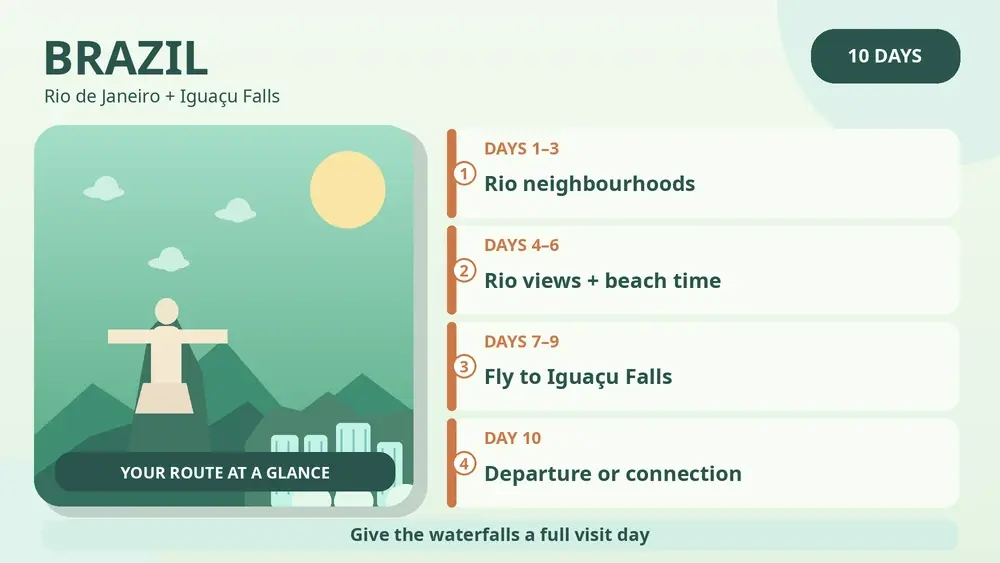
    Days 1–3: settle into Rio and understand the neighbourhoods

    Keep arrival day around your hotel area. Walk the beachfront in daylight, learn transport options and avoid a long cross-city itinerary after a flight.

    Use the first full clear-weather day for one major viewpoint such as Sugarloaf or Corcovado, then combine it with nearby neighbourhood time rather than another distant landmark.

    Give another day to the historic centre, museums, Santa Teresa or a second beach area according to interests and current local conditions.

    Days 4–6: Rio at a slower rhythm

    Use one morning for the second iconic viewpoint if the weather is good; if not, move it and use an indoor alternative.

    Spend a day that is genuinely beach-and-neighbourhood focused. Rio is not improved by turning every hour into transport between attractions.

    Use the last Rio day for a botanical garden, Tijuca-related experience, food tour or another priority. Keep the evening near your accommodation before the domestic flight.

    Days 7–9: fly to Foz do Iguaçu and give the falls real time

    Fly to Foz and do not assume the arrival day will support a full park visit. Airport, hotel and transfer timing matter.

    Use the full day for the Brazilian side or, if you have added a third night, choose the side according to weather and crowd patterns. The official Brazilian park information should determine current opening and ticket procedures.

    If visiting the Argentine side, treat it as another full day with border time. Do not schedule a late return immediately before an inflexible flight.

    Pace check: if this stage runs late, remove the lowest-priority activity rather than stealing time from meals, sleep or the next transfer. A resilient itinerary should become simpler when something changes, not more frantic.

    Day 10: departure or connection

    Fly onward with a healthy buffer, particularly if your international flight is on a separate ticket.

    If returning to Rio/São Paulo for the international departure, consider an overnight near the hub rather than trusting a tight same-day domestic connection.

    Keep the morning simple and close to the hotel or airport route.

    Transport reality: plan door to door

    Rio has metro, buses, ride-hailing and taxis, but the best combination depends on neighbourhood, time of day and current local advice. For Iguaçu, flights are usually the practical way to connect from Rio. The Brazilian national park can be reached from Foz by organised transfer, taxi/app transport or bus, while a visit to the Argentine side adds an international border crossing. Always check entry rules for your passport and carry the exact documents needed, even for a day trip.

    Door-to-door time is the number that matters. Add hotel checkout, reaching the station, airport or pier, waiting, boarding, collecting luggage, local transport at the other end and the possibility that everyone needs food immediately after arrival. This is why a “two-hour flight” or “three-hour train” can consume most of a day. Our guide to building realistic 7-, 10- and 14-day itineraries explains how to treat transfer days honestly.

    Food strategy: make meals part of the route

    Rio can be a major food destination without requiring formal restaurants every night. Beach kiosks, bakeries, juice bars and simple lunch-by-weight restaurants can balance more expensive dinners. At Iguaçu, park days often run on attraction timing, so eat when it is practical rather than waiting until everyone is exhausted. In hot weather, hydration and shade breaks matter as much as restaurant choice.

    One planned meal per day is usually enough. Keep another meal flexible so it can respond to where you actually are, not where an old itinerary expected you to be. With children, older travellers or very hot weather, eating before everyone becomes exhausted is often more important than reaching a restaurant that looked perfect months earlier.

    When to go and how the season changes the plan

    Rio is warm for much of the year, with summer bringing heat, humidity and more rain. Iguaçu’s water volume varies with rainfall and season; the official Brazilian tourism site notes stronger volume in wetter summer months and more defined falls in drier winter periods. Cloud can affect Rio viewpoints in any season, so flexible ordering is more valuable than obsessing over a single “best” month.

    Instead of searching for one universal best month, decide which compromise you prefer: better weather, fewer visitors, lower prices, longer daylight, beach conditions or seasonal scenery. No month maximises everything. Recheck short-term weather and official access information shortly before each critical outdoor day.

    Budget: where spending actually improves the trip

    Domestic flights, Rio hotel location and premium attractions shape the budget. Staying one or two metro stops away from the most expensive beachfront blocks can save money if the evening area still suits you. At Iguaçu, compare a central hotel plus transfers with a resort package. Avoid adding another Brazilian region simply because the domestic airfare looks cheap; airport transfers and lost sightseeing time are also costs.

    The most useful upgrades are often logistical rather than luxurious: a hotel that removes a daily transfer, a direct ride after a long flight, a flexible ticket, an additional night in a weather-dependent region or a guide where interpretation genuinely adds value. Cut low-value extras before cutting the pieces that keep the route reliable.

    Common mistakes to avoid

    • Trying to combine Rio, Iguaçu, Salvador and the Amazon in ten days.
    • Booking both major Rio viewpoints on fixed cloudy days with no flexibility.
    • Giving Iguaçu only one same-day flight window.
    • Crossing to Argentina without checking passport and entry requirements.
    • Choosing a Rio hotel solely by low price without understanding the exact block and transport context.

    Most difficult trips are not ruined by one large mistake. They become tiring through a sequence of optimistic assumptions: a transfer that “should” be quick, a hotel that is “only” a kilometre away, a famous walk assumed to suit everyone and a dinner reservation across town after an already long day. Leave margin before you need it.

    Families, older travellers and mixed-age groups

    Rio and Iguaçu can work well for families when the schedule includes beach or pool recovery. Children may enjoy cable cars and waterfall walks more than a full day of museums. Older travellers should check walking distance and lift/escalator access at viewpoints and the national park. Heat can magnify fatigue, so start earlier and plan seated breaks rather than adding another attraction to fill every afternoon.

    For mixed-age groups, agree which experiences everyone will share and which can be optional. Splitting for two hours is often healthier than forcing the entire group through one person’s priority. Build seating, toilets, shade, step-free access and realistic meal times into the plan with the same seriousness as headline attractions. Our guide to travelling with parents and older adults develops this approach in more detail.

    If you have more or less time

    With fourteen days, add Salvador, Paraty/Ilha Grande or another region rather than more Rio sightseeing. With seven days, stay in Rio and make Iguaçu optional unless the falls are one of your main reasons for visiting Brazil. The country’s scale means every extra region should earn its flight.

    When shortening the trip, remove an entire base before cutting every destination to one night. When lengthening it, add depth before distance. An extra morning in a place you already understand often produces a better memory than another multi-hour transfer to a new pin on the map.

    Useful official resources

    Opening hours, transport timetables, road conditions, trail rules and visitor procedures can change. Use official sources for the details that affect your exact travel dates and recheck them shortly before departure.

    Final planning checklist

    • Confirm passport, visa, entry and transit requirements for your nationality and route.
    • Book the genuinely scarce transport or accommodation segment before secondary attractions.
    • Check the exact luggage journey between bases, including stairs, ferries, station exits and rental-car rules.
    • Save offline copies of essential reservations, insurance details and each accommodation address.
    • Recheck weather, road, park, trail or transport notices shortly before each critical day.
    • Keep at least one flexible half-day that can absorb rain, fatigue, a delay or a cancellation.
    • Choose clothing and footwear for the actual surfaces and climate, not only for photographs.
    • Leave a generous buffer before international flights and other connections that are expensive to miss.

    The purpose of a good itinerary is not to prove that you covered the maximum distance. It is to make the important experiences easier to enjoy and to leave enough energy for the unexpected parts that become the best memories. Use this route as a framework, then remove anything that does not fit your interests, mobility or travel rhythm.
  • Dubai in 4 Days: A Balanced Itinerary Beyond Malls and Skyscrapers

    Dubai in 4 Days: A Balanced Itinerary Beyond Malls and Skyscrapers

    Dubai is often planned as a list of giant attractions, but distances and heat make that approach exhausting. The historic creek, Downtown Dubai, the Marina, Jumeirah and desert excursions sit in different parts of the city, and moving between them can take much longer than the skyline suggests. A better first trip gives each area a clear purpose and uses the hottest part of the day intelligently.

    This four-day itinerary combines the modern city with older neighbourhoods and outdoor experiences. It is suitable for couples, families and older travellers because the day structure can be shifted toward early mornings and evenings when conditions are more comfortable.

    Quick trip summary

    • Four days is enough for a strong first visit; add a fifth if you want more beach or resort time.
    • Choose a hotel area that matches your priorities because Dubai is spread out.
    • Use Metro where it is convenient, but expect taxis or ride services for some door-to-door journeys.
    • In hot months, make indoor attractions part of the midday plan rather than fighting the climate.
    • Book one desert experience carefully and check exactly what transport, meal and activity level are included.

    How many days do you really need?

    For Dubai in 4 Days, the itinerary below is a starting structure rather than a contract. The number of useful days depends on arrival time, jet lag, season, mobility and how strongly you prefer museums, food, nightlife or outdoor time. If your first or last day is mostly a flight day, do not count it as a full sightseeing day. This guide to building realistic itineraries explains why transfer and arrival days need their own category.

    A reliable rule is to identify the two experiences you would genuinely regret missing, then protect time around them. Everything else should remain adjustable. That prevents a delayed train, rainstorm or tired child from turning the whole trip into a sequence of missed reservations.

    Where to stay: choose logistics before decoration

    The best neighbourhood is the one that supports the trip you actually plan to take. Look at the first journey of the morning, the final journey at night, airport access, restaurant options, hills or stairs and how easy it will be to return for a midday break. A beautiful hotel becomes less attractive if reaching it requires an awkward transfer every day.

    AreaWhy it works — and the trade-off
    Downtown DubaiBest for Burj Khalifa, Dubai Mall and central landmark access. It is polished and convenient for a short first trip but not close to every beach area.
    Dubai Marina / JBRExcellent for beach access, evening walks and restaurants. It feels resort-like and is far from old Dubai.
    Deira / Bur DubaiUseful for the creek, souks and a different side of the city, often with better-value accommodation. Reaching Marina attractions takes longer.
    JumeirahGood for beach-focused travellers who value a calmer setting, though transport convenience varies by exact property.

    A realistic day-by-day plan

    Day 1: Downtown Dubai at a sensible pace

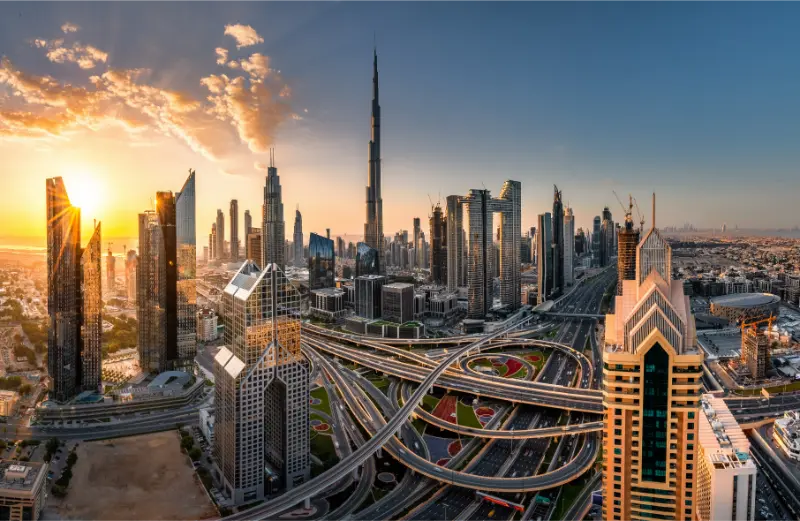
    Use the first day for Downtown: Burj Khalifa, Dubai Mall and the surrounding promenade. The mall is enormous, so decide whether shopping is genuinely part of the plan or simply a route to other attractions.

    Burj Khalifa Downtown Dubai UAE At Sunset

    Schedule the viewpoint according to your preferred light, but leave enough buffer for entry procedures and walking through the complex.

    If jet lag is significant, stop after dinner. Dubai’s scale encourages overplanning on arrival day.

    Pace check: if the morning takes longer than expected, remove the lowest-priority stop rather than compressing meals and transport. A good itinerary should become simpler under pressure, not more frantic.

    Day 2: Creek, Al Fahidi and old Dubai

    Spend the cooler morning around Al Fahidi Historical Neighbourhood and Dubai Creek. An abra crossing and the souk areas provide a very different experience from Downtown.

    Use the afternoon for a museum, hotel break or another indoor visit. This protects energy in warmer seasons.

    Return to the creek or choose a relaxed evening elsewhere rather than travelling to the Marina just to “tick it off”.

    Day 3: Marina, beach and Jumeirah

    Base the day around the coast. Dubai Marina, JBR and nearby beach areas can be combined without repeatedly crossing the city.

    Families may prefer beach time and an early dinner; others can add a boat trip or viewpoint.

    Remember that walking distances along waterfront developments can be longer than they appear, especially in heat.

    Dubai Marina Towers Reflected In Canal

    Day 4: desert experience or flexible city day

    A desert excursion can become the main event of the day because pickup, driving and the activity itself occupy many hours. Choose the operator and activity intensity carefully.

    If a desert excursion does not appeal, use the day for a waterpark, museum, beach club, Abu Dhabi day trip or a slower repeat of a favourite district.

    Do not schedule a late return immediately before an early flight; road delays and long transfers can create unnecessary stress.

    Getting around without wasting the day

    Dubai Metro is clean and useful along major corridors, including connections from the airport and through busy urban areas. Visit Dubai and the Roads and Transport Authority provide current information about the Nol system, Metro, tram, buses, ferries and taxis. The practical limit is geography: some attractions still require a walk, taxi or feeder connection from the nearest station. In summer, a walk that looks short on the map can feel very different outdoors, so door-to-door planning matters.

    When comparing routes, use door-to-door time rather than the minutes shown for the train, Metro or taxi itself. Walking to the platform, waiting, transfers, finding the correct exit and reaching the attraction can easily double a “short” journey. Travellers with luggage, a stroller or limited mobility should prioritize fewer transfers even when the route is slightly longer on paper.

    Food strategy: protect the trip, not just the restaurant list

    Dubai’s dining ranges from inexpensive regional food to luxury restaurants. To keep the trip interesting, mix neighbourhoods rather than eating only inside malls and hotels. Deira and Bur Dubai can offer very different flavours from Marina or Downtown. Families often appreciate food courts for flexibility, while one deliberately chosen restaurant with a view can replace several expensive “special” meals.

    A useful rhythm is one planned meal and one flexible meal per day. This gives you a reason to explore but still lets the itinerary respond to hunger, weather and energy. Keep a backup option near the hotel for the evening when everyone is too tired to cross the city for a reservation that seemed exciting months earlier.

    When to go and how the season changes the itinerary

    The cooler part of the year is most comfortable for beaches, desert activities and outdoor walking. In the hotter months, Dubai still functions as a destination, but the itinerary must shift toward air-conditioned attractions, early starts and evening outdoor time. Humidity can also affect comfort. Never judge the feasibility of an outdoor walk only by distance; temperature, shade and access to water matter.

    Instead of asking only for the “best month,” decide which compromise you prefer: better weather, smaller crowds, longer daylight, lower prices or a particular event. No season maximizes all five. The itinerary should change with daylight and temperature, especially when major parts of the day are outdoors.

    Budget: where spending makes the biggest difference

    Dubai can be moderate or extremely expensive depending on accommodation, taxis, beach clubs and premium attractions. Public transport and casual restaurants help, but frequent cross-city taxi rides accumulate quickly. Choose a hotel near the area you will use most and compare the total cost rather than the room price alone. Our accommodation guide can help decide whether a city hotel, apartment or resort fits your trip.

    The smartest upgrades are usually the ones that buy time or remove friction: a better-located hotel, a direct airport transfer after an overnight flight, a timed ticket that prevents a wasted queue or a taxi at the end of an exhausting day. Cut costs on low-value extras before cutting the parts that make the route workable.

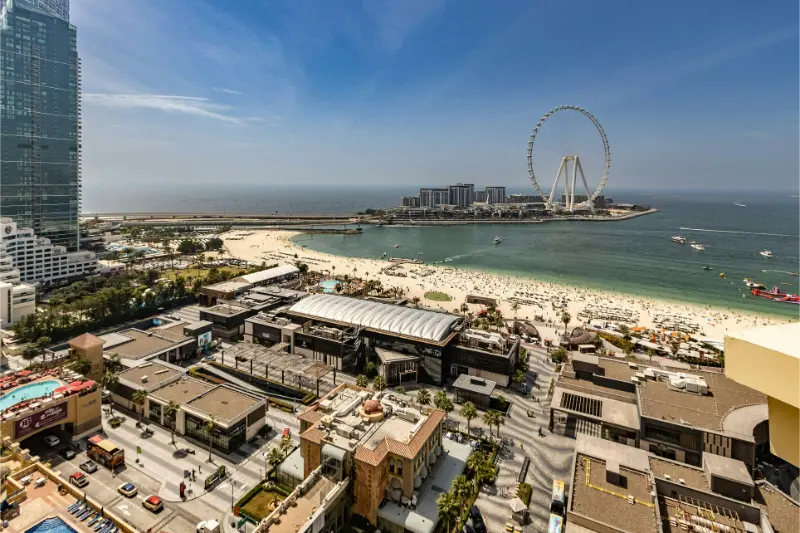
    Dubai Ain Ferris Wheel Coastline

    Common mistakes that make the trip harder

    • Assuming all famous Dubai attractions are close because the skyline looks compact.
    • Walking long exposed routes in severe heat to save a small taxi fare.
    • Booking a desert excursion without checking pickup time, driving duration and exactly which activities are included.
    • Trying to combine old Dubai, Downtown and Marina in a single overloaded day.
    • Choosing a resort far from the city when your real priority is sightseeing every day.

    None of these mistakes is catastrophic, but several together can make a trip feel much more tiring than necessary. The solution is usually to remove one commitment, shorten one transfer or move one attraction to a future visit.

    Families, older travellers and mixed-age groups

    Dubai is family-friendly in the sense that transport, malls and many attractions are designed for comfort, but distances and heat remain real constraints. Build indoor recovery into every day with young children. Older travellers can benefit from taxis for final-mile journeys even when Metro covers most of the route. If several generations are travelling together, consider splitting a high-intensity desert or waterpark activity while others enjoy a hotel or cultural day.

    For mixed-age groups, decide in advance which experiences are “everyone together” moments and which are optional. It is often better to split for two hours and meet for lunch than to force every traveller through an activity that only part of the group enjoys. Build seating, toilets, shade and simple transport into the plan with the same seriousness as the famous sights.

    Useful official resources

    Opening hours, transport rules, closures and visitor procedures can change. Before the trip, confirm the details that affect your dates through official sources rather than relying only on an old screenshot or social-media post.

    Final planning checklist

    • Confirm entry requirements and travel documents for your nationality and transit route.
    • Book only the scarce or high-priority attractions first; keep lower-priority activities flexible.
    • Check the exact door-to-door route from your accommodation to the first two morning activities.
    • Save offline copies of essential bookings and the hotel address.
    • Build a weather alternative for at least one half-day.
    • Leave a realistic buffer before flights, long-distance trains and non-refundable reservations.
    • Pack for the walking and climate the itinerary actually involves, not only for photographs.
    • Recheck official transport and attraction information shortly before travel.

    The best first visit is not the one that proves you saw everything. It is the one that gives you a clear sense of place, enough energy to notice what is around you and at least one reason to come back. Use this itinerary as a framework, then remove anything that does not match your own interests, mobility or travel rhythm.

  • Kyoto in 5 Days: Temples, Arashiyama and Neighbourhoods Without Chasing Every Famous Shrine

    Kyoto in 5 Days: Temples, Arashiyama and Neighbourhoods Without Chasing Every Famous Shrine

    Kyoto deserves a trip built around geography and real travel time rather than a checklist. Kyoto has hundreds of temples and shrines, and the hardest part of a first trip is accepting that seeing more of them does not automatically create a better experience. Five days lets you group Higashiyama, Arashiyama, northern Kyoto and Fushimi sensibly, start early when it matters and still leave time for ordinary streets, food and gardens away from the busiest photo spots.

    If this destination is part of a longer journey, compare the pacing with Japan Beyond Tokyo in 10 Days: Kyoto, Nara, Hiroshima and Osaka Without Constant Packing. The useful question is not how many famous names fit on the map, but how much usable holiday time remains after transfers, check-in, meals, weather and rest.

    Quick trip summary

    • Recommended time: 5 days.
    • Best planning principle: group each day by geography and protect only the reservations that control access.
    • Best for: independent travellers, couples, families and slower-paced visitors who prefer a realistic rhythm.
    • Keep flexible: at least one half-day or one major activity that can move with weather, traffic or energy.
    • Book first: the accommodation location, scarce transport and any permit, timed entry or signature experience that shapes the rest of the trip.

    Is Kyoto the right trip for you?

    Kyoto is ideal for travellers interested in traditional architecture, gardens, crafts, food and walking through historic districts. It can be frustrating for anyone who plans solely around viral locations because crowd patterns are intense and buses can be slow. Families and senior travellers can enjoy the city very well if daily routes are shorter and taxis or rail are used strategically.

    The practical test is simple: decide what would make you disappointed if you missed it, then build the trip around that one or two priorities. Everything else should earn its place by fitting the same area of the day. This is especially important when travelling with children, older relatives or anyone who enjoys a slower pace.

    Where to stay: choose location before hotel style

    BaseWhy choose it
    Kyoto Station areaBest for rail day trips, airport connections and easy access to buses and subways; practical rather than atmospheric.
    Downtown / KawaramachiBest for restaurants, evening walks and a central position between east and west sightseeing areas.
    Gion / Higashiyama edgeBest for early and late access to historic streets, but often more expensive and not always the most efficient for western Kyoto.

    A more attractive room is not always a better travel decision. Before booking, map the first activity of the morning, the likely dinner area and the departure route. If the hotel adds two unnecessary transfers every day, the hidden cost is time as well as money.

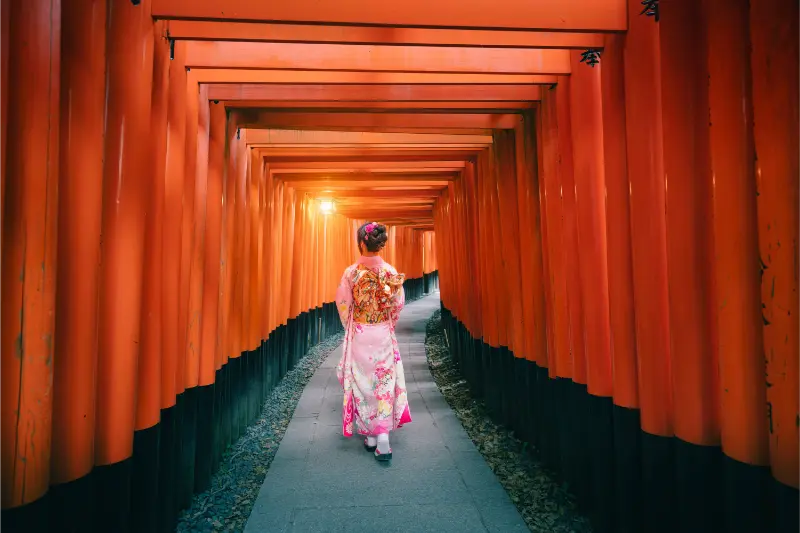
    Fushimi Inari Shrine Torii Tunnel With Woman Kyoto Japan

    A realistic 5-day itinerary

    Day 1: southern Higashiyama and Gion

    Start early in Higashiyama, choose a manageable sequence of temples and lanes, then allow the afternoon to slow down around Gion, the river or a museum. Avoid building the route around reproducing every famous photograph.

    Day 2: Arashiyama beyond the bamboo grove

    Arrive early, see the bamboo area if it matters to you, then spend more time on gardens, river scenery, temples or quieter streets. Arashiyama is worth a half or full day only if you move beyond the most compressed corridor near the station.

    Day 3: north and northwest Kyoto

    Choose Kinkaku-ji plus one or two nearby temples, or build a quieter garden-focused day. Distances between northern sights can be awkward, so this is a good day for a carefully planned bus route or occasional taxi rather than a long chain of transfers.

    Day 4: Fushimi Inari and southern Kyoto

    Visit Fushimi Inari early or later in the day and decide how far you actually want to climb. Combine it with one nearby district, sake area or a relaxed lunch rather than immediately crossing to the opposite side of Kyoto.

    Day 5: crafts, markets and one flexible priority

    Use the final day for Nishiki, a workshop, tea experience, museum, Philosopher’s Path or any major temple you deliberately left out. The day should absorb weather and energy rather than become a final attempt to collect missing landmarks.

    How to move around without wasting the day

    Kyoto transport is a mix of rail, subway, buses, walking and taxis. Buses are useful but can become crowded and slow on famous corridors, so rail should be used whenever it brings you close enough. Group sights by district, check walking distances between stops and consider a short taxi for awkward cross-neighbourhood links if it saves an hour of transfers for a family or slower-paced group.

    Do not judge a journey only by kilometres. A short distance can include traffic, security, parking, boat boarding, luggage handling or a long final walk. For every important transfer, think in door-to-door time and keep a margin before anything expensive or difficult to replace.

    Best time to visit

    Cherry blossom and autumn foliage periods are beautiful but extremely busy, while summer is hot and humid and winter can be cold but calmer. The best season depends on your tolerance for crowds. During peak foliage or blossom weeks, early starts and advance accommodation matter more than trying to predict one perfect day months ahead.

    Seasonal advice should guide the style of the trip, not become a promise. Climate averages cannot tell you the exact conditions on your dates. Check the local forecast and any official closure, transport or safety notice again shortly before each weather-sensitive day.

    Higashiyama Shopping Streets Kyoto Japan

    What to book first

    Reserve accommodation early for peak seasons and book experiences with limited capacity, such as special temple openings, workshops or highly desired restaurants. Many temples do not require complicated advance planning. Avoid locking every morning to a reservation because the city is easier when you can shift a crowded district to another time.

    After those anchors are secure, leave ordinary meals, short walks and secondary sights open. A timetable with every hour reserved is fragile: one delay turns the rest of the day into a sequence of apologies and missed slots.

    Food strategy: eat well without scheduling every meal

    Use meal planning to reduce unnecessary travel. Downtown has enormous variety, but temple districts may have fewer late options, so eat before returning exhausted. Nishiki is interesting but crowded; it works better as one food stop than as proof that every famous snack needs to be sampled. Respect rules about eating while walking where posted or culturally inappropriate.

    For a multi-age group, a reliable breakfast and an easy lunch often matter more than one additional attraction. Keep water accessible, avoid waiting until everyone is exhausted to look for food and use meal stops as genuine rest rather than another item to complete quickly.

    Travelling with children

    Children often need fewer temples and more variety. Add trains, riverside walks, gardens, craft activities or a short monkey-park visit if appropriate for your group. Do not expect a young child to appreciate a sequence of similar interiors simply because each site is culturally important.

    Children do not need a simplified version of every adult attraction. They usually need a different rhythm: movement, shade, snacks, toilets and periods when nobody is asking them to pay attention. Protect those needs and the whole group usually sees more, not less.

    Travelling at a slower pace or as a senior

    Stay near a useful rail or subway station and split large districts across separate half-days. Higashiyama has slopes and stone steps, while Arashiyama can involve more walking than expected. Taxis are a legitimate pacing tool for older travellers when they replace several bus transfers, especially outside rush periods.

    When mobility or stamina is limited, reduce transitions before reducing experiences. One well-located base, a direct transfer and a shorter route often preserve the most memorable parts of a trip far better than trying to keep the original schedule with longer rest stops.

    Budget: where the money really goes

    Temple admissions are individually modest but add up when you visit many in one day. Transport remains reasonable if routes are grouped well. The biggest avoidable cost is often a taxi caused by poor geography, although a planned short taxi can be good value for a group if it replaces a long detour.

    Track the total cost of each planning choice. A lower hotel rate can be false economy after taxis, parking or long transfers, while a more expensive excursion may be reasonable if it replaces a rental car, guide and separate admission fees. Compare complete days rather than isolated prices.

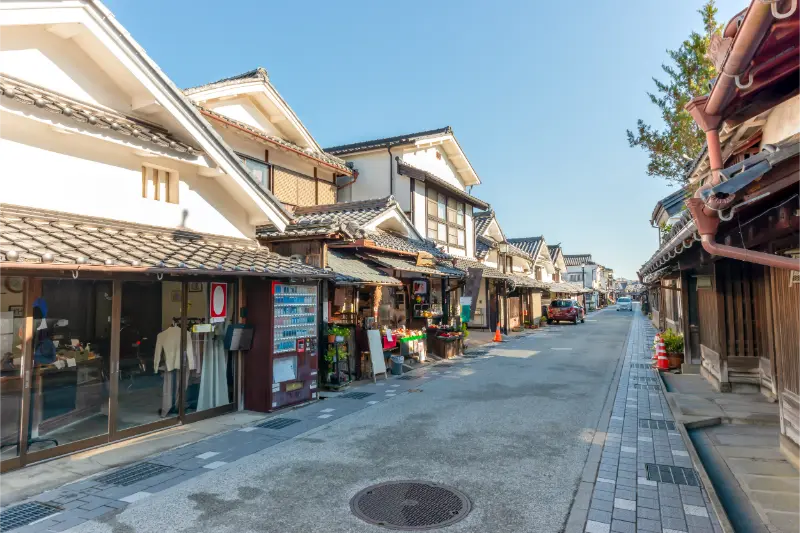
    Higashiyama Historic Lane Kyoto Japan

    Weather fallback plan

    Rain can make moss gardens and temple grounds beautiful, but stone paths become slippery and exposed walks less comfortable. Move a workshop, museum or covered market forward if weather is severe. In summer, schedule outdoor temple walks early and use the hottest hours for lunch or indoor cultural activities.

    The useful fallback is not a list of random indoor attractions. It is one realistic substitute that fits the same area or preserves the next day. Keep at least one activity movable so a poor forecast does not force you to choose between losing money and doing something unsafe.

    Connectivity, cash and small practical details

    Carry a small amount of cash because some temples and smaller businesses remain cash-oriented. Save Japanese-language accommodation details for taxis. Avoid large luggage on crowded local buses; use station lockers or luggage forwarding when moving between cities rather than dragging suitcases through sightseeing districts.

    Save hotel addresses, tickets, permits, insurance details and the next transfer outside your email app. Offline access matters most precisely when the network is weak, your battery is low or you are trying to solve a delay.

    What to pack

    Comfortable shoes that are easy to remove are useful for temple interiors, along with socks you are comfortable wearing indoors. Summer requires water and heat protection; rainy seasons need a compact umbrella or rain jacket. Pack light enough that stairs and station transfers do not become the hardest part of the trip.

    A small day bag should hold water, medication, sun or rain protection and the layer you are most likely to need. The goal is not to carry everything; it is to avoid having the useful items locked in a suitcase or parked car when conditions change.

    Common mistakes to avoid

    • Scheduling too many temples simply because they are famous.
    • Using buses for every journey even when rail or a short taxi is faster.
    • Visiting only the bamboo corridor in Arashiyama and leaving immediately.
    • Treating Gion as a place to pursue or photograph people working in traditional professions.
    • Carrying large luggage through sightseeing districts instead of using storage or forwarding services.

    Responsible travel and local etiquette

    Kyoto’s most visited districts include residential streets and working religious sites. Follow local photography restrictions, do not enter private lanes or block doorways, and avoid intrusive behaviour toward maiko or geiko. The city’s official guidance emphasizes considerate tourism because local life continues around the attractions.

    The best rule is to treat the destination as a real place rather than a stage built for visitors. Follow staff and ranger instructions, respect residential space and protected environments, and spend with businesses that add genuine local value instead of rewarding the most aggressive sales pitch.

    Kyoto Higashiyama Streets And Pagoda

    If you have less or more time

    Three days works if you choose Higashiyama, Arashiyama and one southern or northern day. Four days adds breathing room. A week lets you include Uji, Nara or deeper temple districts without turning Kyoto itself into a sequence of dawn starts.

    Extra days are most useful when they reduce pressure. Before adding another distant stop, ask whether the trip improves more by sleeping in the same place, repeating a favourite beach or neighbourhood, waiting for better weather or enjoying a late breakfast without watching the clock.

    How to choose between similar experiences

    Choose Arashiyama for river scenery and a broader district, Fushimi Inari for a shrine landscape and hillside walk, and northern Kyoto for quieter temple depth. You do not need to rank them universally; choose the one that adds the experience missing from the rest of your Japan itinerary.

    When two options offer a similar experience, choose the one that fits the geography and energy of the day. The extra hour of transfer rarely creates an extra hour of enjoyment, especially in heat, traffic, rough water or at altitude.

    Safety and decision-making on the day

    Kyoto is generally easy, but heat, dehydration and slippery temple steps are common practical concerns. Keep out of roadways and bicycle paths when streets are crowded, and follow trail or shrine closure instructions. In summer, shorten the route before heat fatigue becomes a problem.

    Local warnings, ranger instructions and transport operators have more value than an itinerary written months earlier. Set a practical turnaround time for hikes, drives and water days, and change the plan when conditions deteriorate rather than trying to complete the original checklist.

    Useful official and planning resources

    Opening hours, protected-area rules, transport schedules, fees and visitor procedures change more often than the landscape. Recheck the source below shortly before departure.

    Final planning checklist

    • Confirm passport, visa, transit and health requirements for your nationality.
    • Reserve the transport, permit or timed entry that controls the rest of the itinerary.
    • Check how luggage moves between airport, road transfer, ferry, train or accommodation.
    • Download offline maps and save key tickets outside your email app.
    • Recheck weather, sea, road, trail or park notices before each critical day.
    • Keep at least one half-day that can absorb a delay or become simple rest.
    • Leave a generous buffer before international flights and other costly connections.

    A good trip to Kyoto should feel like you understood the place, not merely that you passed through it. Keep the transport anchors fixed, leave room for conditions to change, and remove anything that does not fit your interests, mobility or energy. The result is usually more enjoyable than the most ambitious version of the same route.

  • Taipei in 5 Days: Temples, Night Markets and Mountain Views Without Crossing the City All Day

    Taipei in 5 Days: Temples, Night Markets and Mountain Views Without Crossing the City All Day

    Taipei is easy to navigate but surprisingly easy to over-plan. The metro is efficient, food is everywhere and major attractions sit in several distinct districts, which tempts first-time visitors to zigzag across the city from morning to night. Five days works better when each day has a geographic theme: old Taipei and temples, civic and cultural sights, modern Xinyi, one northern or mountain day, and one flexible neighbourhood day.

    If Taipei is part of a longer journey, compare the pacing with Taiwan in 10 Days by Train: Taipei, Tainan and Kaohsiung Without Rushing the Island. The useful planning rule is to protect the experiences that are difficult to replace, then leave ordinary meals, neighbourhood walks and secondary attractions flexible. A city break usually becomes less enjoyable when every hour is reserved. Door-to-door travel time, queues, weather, luggage, meal stops and fatigue are part of the itinerary even when they do not appear on a map.

    Quick trip summary

    • Recommended time: 5 days.
    • Best planning principle: group each day by geography and protect only the reservations that control access.
    • Best for: independent travellers, couples, families and slower-paced visitors who prefer a realistic rhythm.
    • Keep flexible: at least one half-day or one major activity that can move with weather, traffic or energy.
    • Book first: accommodation location, scarce transport and any timed entry that shapes the rest of the trip.

    Is Taipei the right trip for you?

    Taipei suits travellers who value food, public transport, markets, temples, museums and urban hiking. It also works well for families and older travellers because many major areas are connected by metro and indoor options are plentiful in hot or wet weather. The main planning challenge is humidity and transfer fatigue rather than raw distance.

    The practical test is to decide what would make you genuinely disappointed if you missed it, then build the trip around those one or two priorities. Everything else should earn its place by fitting the same area of the day. This becomes even more important when travelling with children, older relatives or anyone who values a slower rhythm.

    Where to stay: choose location before hotel style

    BaseWhy choose it
    Taipei Main Station / ZhongzhengBest for airport and rail connections, easy metro transfers and a practical first visit.
    XimendingGood for lively evenings, casual food and easy access to older central districts.
    Zhongshan / Dadaocheng edgeA strong choice for cafés, design, older streets and a less intensely commercial evening atmosphere.
    XinyiBest for modern Taipei, Taipei 101 and polished hotels; allow more transit time to some historic districts.

    A more attractive room is not always a better travel decision. Before booking, map the first activity of the morning, the likely dinner area and the departure route. If the hotel adds two unnecessary transfers every day, the hidden cost is time as well as money. Also check stairs, lift access, street noise and the final luggage route rather than relying only on the neighbourhood name.

    A realistic 5-day itinerary

    Day 1: Longshan Temple, Bopiliao and Ximending

    Begin with older Taipei around Longshan Temple and Bopiliao, then continue through local streets and markets before reaching Ximending in the evening. The route works because it moves gradually rather than bouncing between opposite ends of the metro system.

    Day 2: Chiang Kai-shek Memorial Hall, museums and Dadaocheng

    Use the morning for the memorial hall and nearby cultural institutions, then move toward Dihua Street and Dadaocheng for tea, shops, historic façades and the riverside. Keep one museum optional so the day still works in humid weather.

    Day 3: Taipei 101, Xinyi and Elephant Mountain if conditions suit

    Explore the modern Xinyi district, then choose Taipei 101 or Elephant Mountain for views rather than forcing both at the busiest hour. If heat, rain or poor visibility makes the hike unattractive, use indoor Xinyi attractions and move the viewpoint to another day.

    Shifen Waterfall Pingxi New Taipei Taiwan

    Day 4: Beitou and northern Taipei, or one carefully chosen day trip

    Use the metro toward Beitou for hot-spring history, green spaces and a slower morning, then continue only if energy remains. Travellers who prefer a full day outside the city can instead choose Jiufen, the north coast or another single route, but avoid combining several distant towns into one rushed excursion.

    Day 5: National Palace Museum, neighbourhood food and a final night market

    Use the final day for the National Palace Museum or another major collection, then keep the afternoon flexible for cafés, shopping or a neighbourhood you missed. Finish at a night market that fits your location instead of crossing Taipei simply because one market is more famous.

    Keep the second half of the day lighter than the first. A useful itinerary creates space for an unexpectedly good museum, a long meal, a delayed train, a child who needs a break or a neighbourhood that deserves another hour. Removing one marginal stop often improves the day more than finding a faster route between two attractions.

    How to move around without wasting the day

    Taipei Metro is the backbone of a short stay, supported by buses, walking and YouBike for travellers comfortable cycling. The official tourism site also points visitors toward Metro Taipei, public buses, YouBike and the Taoyuan Airport MRT. Group attractions by line and district: an efficient metro does not make repeated cross-city rides free in time or energy.

    Do not judge a journey only by kilometres. A short distance can include traffic, station corridors, stairs, ferry boarding, parking, luggage handling or a long final walk. For every important transfer, think in door-to-door time and keep a margin before anything expensive or difficult to replace. Public transport is most useful when it removes boring distance while preserving the streets and neighbourhoods that are worth seeing on foot.

    Arrival and departure strategy

    The Airport MRT provides a straightforward link from Taoyuan International Airport toward central Taipei, while taxis and buses remain useful depending on luggage and arrival time. Songshan Airport is much closer to central districts. Before booking accommodation, map the final transfer from the station to the hotel because heat, rain and luggage can make a nominally short walk unpleasant.

    Arrival day is rarely the right time for the most complicated attraction. Assume that baggage delivery, immigration, the airport transfer, hotel check-in and a meal will take longer than the perfect schedule suggests. On departure day, protect the connection first and use only nearby activities that can be abandoned without consequence.

    Best time to visit

    Spring and autumn often provide the easiest balance for walking, while summer can be hot, humid and affected by heavy rain or typhoons. Winter is milder than many northern cities but can feel damp. Build hot-weather days around air-conditioned stops and evening outdoor time, and keep mountain walks flexible when visibility or storms are poor.

    Seasonal advice should guide the style of the trip, not become a promise. Check the local forecast and official closure, transport or safety notices again shortly before each weather-sensitive day. If one experience depends heavily on good conditions, keep it movable instead of sacrificing the rest of the itinerary to a fixed booking.

    What to book first

    Reserve accommodation and any special restaurant, observatory slot or high-demand day trip that matters to you. Most neighbourhood exploration and night-market eating is better left flexible. If the National Palace Museum or another major attraction is a priority, check current opening information before assigning it to a particular weekday.

    The useful planning rule is to protect the experiences that are difficult to replace, then leave ordinary meals, neighbourhood walks and secondary attractions flexible. Timed tickets can be valuable when they prevent a long queue, but a city break usually becomes less enjoyable when every hour is reserved. Book the bottlenecks, not the entire day.

    Food strategy: eat well without scheduling every meal

    Taipei rewards grazing rather than over-scheduling formal meals. Use breakfast shops, noodle counters, dumplings, cafés and night markets as part of the route. A night market is easier when you arrive hungry but not exhausted; share small portions so you can try several foods instead of turning the first queue into dinner.

    Taipei 101 And Taipei Skyline At Sunset Taiwan

    For a multi-age group, a reliable breakfast and an easy lunch often matter more than one additional attraction. Keep water accessible, avoid waiting until everyone is exhausted to look for food and use meal stops as genuine rest rather than another item to complete quickly. When a famous restaurant requires a large detour, ask whether it is worth sacrificing the neighbourhood you are already enjoying.

    Travelling with children

    Families can use the metro to keep walking manageable and alternate temples or museums with parks, markets and observation decks. Night markets are stimulating but can be crowded, so earlier evening visits are often easier with young children. Keep a rain option ready and avoid making an outdoor hill walk the only meaningful activity of a day.

    Choose one activity each day that allows movement and does not depend on perfect behaviour: a park, ferry, market, viewpoint, waterfront or short ride can reset the group after a museum or historic interior. Keep toilets, water and an easy route back to the hotel in mind before starting a long afternoon. A child-friendly plan changes the rhythm of the day rather than simply adding one children’s attraction to an adult schedule.

    Travelling at a slower pace or as a senior

    For older travellers, choose a hotel close to a metro entrance with lifts and minimise unnecessary station changes. Taipei can involve stairs, humid streets and long museum visits even when transport is efficient. Taxis can be a sensible tool for the final connection between a museum, restaurant and hotel rather than a replacement for the whole public-transport system.

    For older travellers or anyone who prefers a slower pace, reduce transitions before removing the highlights. A central base, one direct transfer and a shorter walking route can preserve the most memorable parts of the trip far better than trying to keep the same checklist with longer rest breaks. Check lifts, stairs, cobbles, seating and toilet access at accommodation and major attractions before booking.

    Budget: where the money really goes

    Public transport and casual food can keep everyday costs controlled, while premium hotels, observatories and private day tours raise the budget quickly. Decide which experiences deserve a paid upgrade. A central hotel that reduces taxi use and long evening transfers can be better value than a cheaper room at the edge of the network.

    Compare the total cost of a day rather than the price of one ticket. A cheaper hotel can become expensive after repeated taxis and long transfers, while a well-located room can reduce both transport costs and fatigue. Build the budget around accommodation, the few major paid attractions you genuinely value, food, local transport and one contingency reserve instead of trying to estimate every coffee in advance.

    City passes and bundled tickets

    City cards and transport passes only save money when they match the itinerary you would choose anyway. Add up the normal cost of the attractions already on your plan, include any public-transport value you will genuinely use, and compare the total. Do not add museums simply to justify a pass or race between included attractions because a clock is running.

    Weather fallback plan

    For heavy rain, combine a museum, covered shopping area, café and food-focused neighbourhood rather than waiting indoors for hours. In summer, use early mornings and evenings for exposed walking. If a mountain viewpoint has poor visibility, move it; the city has enough indoor culture that you do not need to force an unrewarding climb.

    A useful weather fallback is not a random list of indoor attractions. It is one realistic substitute that fits the same area and does not damage the following day. Keep at least one museum, market, neighbourhood or café block movable. A flexible final day is especially valuable because it can absorb a missed attraction, become a rest block or take advantage of unexpectedly good conditions.

    Connectivity, cash and small practical details

    Cards and digital payment are common in many places, but cash remains useful at traditional markets, smaller food stalls and some local businesses. Carry a modest amount rather than assuming every vendor accepts the same payment method. Download metro information and save addresses in Chinese characters as well as English when possible.

    Save the hotel address, tickets, passport or identity details, insurance information and the next transfer outside your email app. Offline access matters most when the network is weak, the battery is low or you are trying to solve a delay. Carry a small power bank, keep medication in your day bag and confirm the final public-transport service before a late evening far from the hotel.

    What to pack

    Light breathable clothing, a compact umbrella or rain shell and comfortable shoes are useful for much of the year. In summer, add sun protection and a refillable bottle; in cooler months, carry a light layer for evenings and strong indoor air-conditioning. A small towel or handkerchief is surprisingly useful in humid weather.

    Taipei 101 Above City Skyline

    A small day bag should hold water, medication, sun or rain protection and the layer you are most likely to need. The goal is not to carry everything; it is to avoid having the useful items locked in a suitcase when conditions change. Comfortable footwear matters more than packing multiple outfits for a short city break.

    Common mistakes to avoid

    • Crossing Taipei several times a day because the metro looks fast on a schematic map.
    • Scheduling outdoor viewpoints in the hottest part of a summer afternoon.
    • Treating every night market as a must-see instead of choosing one that fits the route.
    • Assuming cash is unnecessary at all small food stalls.
    • Combining Jiufen, the north coast and several mountain stops into one exhausting day.

    Responsible travel and local etiquette

    Treat the destination as a real place rather than a stage built for visitors. Follow staff instructions, keep residential areas passable, use bins and public transport normally, and spend with businesses that add genuine local value. In religious, memorial or residential spaces, adapt to the setting instead of expecting the setting to adapt to sightseeing.

    Popular destinations function better when visitors spread some spending beyond the most photographed streets, avoid blocking narrow passages and respect the purpose of religious, memorial and residential spaces. Small decisions about timing and behaviour often improve the experience for the traveller as well.

    If you have less or more time

    With three days, focus on old Taipei, Xinyi and one museum or Beitou block. Four days adds either northern Taipei or a day trip. With six or seven days, explore more neighbourhoods and make one regional excursion, or continue south by train rather than turning Taipei into the base for every destination in northern Taiwan.

    Extra days are most useful when they reduce pressure. Before adding another distant stop, ask whether the trip improves more by staying in the same place, repeating a favourite neighbourhood, waiting for better weather or enjoying a slow morning without watching the clock. More time should create depth, not merely a longer checklist.

    How to choose between similar experiences

    Choose Elephant Mountain for a short, active skyline view; choose Taipei 101 for an easier all-weather observatory experience. Choose Beitou when hot-spring culture and a slower pace appeal; choose Jiufen when historic hillside streets and a longer excursion are the priority. The right choice depends on heat, mobility and how much transfer time you want.

    When two options offer a similar experience, choose the one that fits the geography and energy of the day. The extra hour of transfer rarely creates an extra hour of enjoyment, especially in heat, traffic, rough water or after a long museum morning. A famous option is not automatically the best option for every traveller.

    Safety and decision-making on the day

    Taipei is generally straightforward for visitors, but scooters, busy crossings, heat and sudden rain require attention. Follow current weather and typhoon information, especially before mountain walks or regional day trips. Keep valuables controlled in crowded markets and stations and use marked, legitimate transport when travelling late with luggage.

    The most useful safety habit is situational awareness rather than anxiety. Keep valuables controlled in crowded transport and tourist zones, use official or clearly identified transport, and avoid walking while focused on a phone at road crossings. Local warnings, attraction staff and transport operators have more value than an itinerary written months earlier, so change the plan when conditions deteriorate.

    Set a practical turnaround time for long walks, excursions and transfer days. When conditions deteriorate, change the plan rather than trying to complete the original checklist. A missed secondary sight is cheaper than a missed flight, unsafe walk or exhausted final day.

    Useful official and planning resources

    Opening hours, transport schedules, fees, access rules and visitor procedures change more often than the basic geography. Recheck the source below shortly before departure.

    Final planning checklist

    • Confirm passport, visa, transit and health requirements for your nationality.
    • Reserve the transport, permit or timed entry that controls the rest of the itinerary.
    • Check how luggage moves between airport, station, ferry, road transfer and accommodation.
    • Download offline maps and save key tickets outside your email app.
    • Recheck weather, road, sea, trail or attraction notices before each critical day.
    • Keep at least one half-day that can absorb a delay or become simple rest.
    • Leave a generous buffer before international flights and other costly connections.

    A good city break should feel as though you understood how the place fits together, not merely that you collected its famous names. Keep the fixed reservations that matter, group the rest by geography and remove anything that creates more transit than experience. The result is usually more memorable than the most ambitious version of the same trip.

  • London for First-Time Visitors: A Practical 5-Day Itinerary by Area

    London for First-Time Visitors: A Practical 5-Day Itinerary by Area

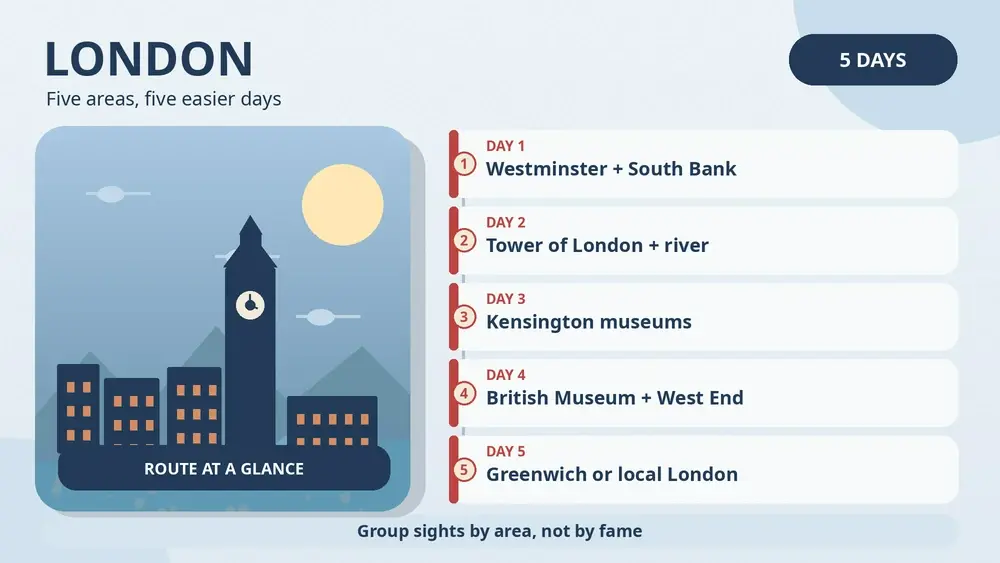
    London is enormous, but a first trip does not need to feel enormous. The key is to group each day around one part of the city and stop measuring success by the number of Underground rides. Westminster, the South Bank, the City, Kensington, Greenwich and the West End all deserve different rhythms; mixing all of them into the same day creates more transit than travel.

    This five-day itinerary includes the classic first-time sights while leaving genuine choices. It is designed for travellers who want to see London rather than spend every hour inside ticketed attractions. Families can replace a museum with a park or river journey, while older visitors can use buses and river services to reduce long station transfers.

    Quick trip summary

    • Five days gives a much better first experience than trying to compress London into a weekend.
    • Group days geographically and use buses for short scenic hops when the Tube would require stairs and transfers.
    • Book only the attractions that genuinely need a timed slot; many major museums have free general admission but may still use reservations for special exhibitions.
    • Choose accommodation based on transport connections and evening convenience, not only the name of the neighbourhood.
    • Keep one half-day flexible for weather because London has excellent indoor alternatives.

    How many days do you really need?

    For London for First-Time Visitors, the itinerary below is a starting structure rather than a contract. The number of useful days depends on arrival time, jet lag, season, mobility and how strongly you prefer museums, food, nightlife or outdoor time. If your first or last day is mostly a flight day, do not count it as a full sightseeing day. This guide to building realistic itineraries explains why transfer and arrival days need their own category.

    A reliable rule is to identify the two experiences you would genuinely regret missing, then protect time around them. Everything else should remain adjustable. That prevents a delayed train, rainstorm or tired child from turning the whole trip into a sequence of missed reservations.

    Where to stay: choose logistics before decoration

    The best neighbourhood is the one that supports the trip you actually plan to take. Look at the first journey of the morning, the final journey at night, airport access, restaurant options, hills or stairs and how easy it will be to return for a midday break. A beautiful hotel becomes less attractive if reaching it requires an awkward transfer every day.

    AreaWhy it works — and the trade-off
    South Bank / WaterlooExcellent for riverside walks and central access, with direct connections to many parts of the city. Some blocks are busier and more commercial, so check the immediate street around the hotel.
    BloomsburyA strong all-round base near the British Museum, with useful Tube connections and a quieter residential feel than the West End.
    Paddington / BayswaterPractical for Heathrow access and west London, often with many accommodation choices. It works well if you plan time in Kensington and Notting Hill.
    Victoria / Westminster edgeVery convenient for major landmarks and transport. Prices vary widely, but the location can simplify a short stay.

    A realistic day-by-day plan

    Day 1: Westminster and the South Bank

    Start with Westminster Abbey, Parliament and the river. Rather than jumping immediately onto the Tube, cross Westminster Bridge and walk the South Bank. The views back toward Parliament make the route itself part of the sightseeing.

    Continue toward the cultural venues and food stops along the river. If you want a paid observation attraction, schedule it here so you do not need to return across town later.

    In the evening, either continue to Covent Garden/West End or stop early. Arrival-day jet lag can make an apparently easy theatre booking stressful if your flight is delayed.

    Day 2: the City, Tower of London and river

    Use the Tower of London as the anchor if it is a priority. Allow enough time for the site instead of treating it as a quick photo stop. Walk across or beside Tower Bridge afterward.

    Illustrated five-day London itinerary from Westminster to Greenwich

    Explore a portion of the City: St Paul’s area, old lanes or a modern viewpoint. The City is compact enough to reward walking, but it can feel empty in some pockets at weekends compared with weekdays.

    Return by river service if the schedule works. It is transport rather than simply a sightseeing cruise and gives the day a different perspective.

    Day 3: Kensington museums and parks

    Choose one major museum rather than trying to complete the Natural History Museum, Science Museum and V&A in a single marathon. Families can let children choose the anchor museum.

    Spend the second half in Hyde Park/Kensington Gardens or continue toward Notting Hill. This combination gives indoor and outdoor time without crossing London.

    If rain arrives, keep an additional museum or gallery as your backup instead of forcing a wet park itinerary.

    Day 4: British Museum, Covent Garden and the West End

    Start around Bloomsbury and give the British Museum a defined route or theme. Large collections are more satisfying when you choose sections rather than wander until exhausted.

    Walk toward Seven Dials, Covent Garden, Soho or Chinatown. These areas are close enough to explore slowly and provide plenty of food options.

    A theatre performance fits naturally here, but do not book one every night. London evenings are also good for a pub meal, riverside walk or early rest.

    Day 5: Greenwich or a neighbourhood day

    Greenwich makes a coherent final day: river transport, maritime history, the park and a different view of the city. Alternatively choose Camden, Hampstead or a market/neighbourhood that matches your interests.

    The final day should not be a leftovers list of attractions scattered across London. Pick one area and enjoy it properly.

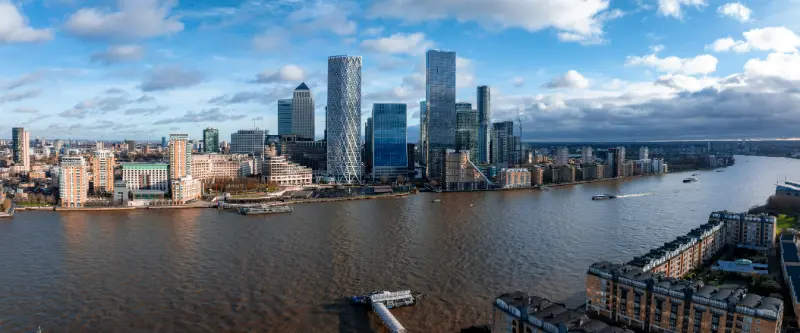
    Canary Wharf Skyline With Newfoundland Tower And One Canada Square London England

    If your departure is late, keep luggage logistics in mind. Returning across the city to collect bags can erase the time you thought you had gained.

    Pace check: if the morning takes longer than expected, remove the lowest-priority stop rather than compressing meals and transport. A good itinerary should become simpler under pressure, not more frantic.

    Getting around without wasting the day

    Transport for London is the essential source for route planning, service changes and accessibility information. Contactless payment is convenient for many visitors, but always use the same card or device consistently when required so the system can calculate the correct journey. Buses can be slower than the Tube but are often easier with limited mobility and reveal the city above ground. Large interchange stations can involve long walks, so a route with fewer transfers may be better than the theoretically fastest option.

    When comparing routes, use door-to-door time rather than the minutes shown for the train, Metro or taxi itself. Walking to the platform, waiting, transfers, finding the correct exit and reaching the attraction can easily double a “short” journey. Travellers with luggage, a stroller or limited mobility should prioritize fewer transfers even when the route is slightly longer on paper.

    Food strategy: protect the trip, not just the restaurant list

    London’s food scene is too diverse to reduce to one “traditional” checklist. Use neighbourhoods to guide meals: markets for flexible lunches, Soho and Chinatown for variety, neighbourhood pubs for a relaxed evening and one reservation if there is a restaurant you truly want. Families benefit from keeping snacks available because museum and transport days can shift meal times. In expensive central zones, lunch specials or casual food halls can keep the budget under control without sacrificing quality.

    A useful rhythm is one planned meal and one flexible meal per day. This gives you a reason to explore but still lets the itinerary respond to hunger, weather and energy. Keep a backup option near the hotel for the evening when everyone is too tired to cross the city for a reservation that seemed exciting months earlier.

    When to go and how the season changes the itinerary

    London works year-round because its museum, theatre and indoor culture is so strong. Summer has long daylight and parks at their best, but accommodation and attractions can be busy. Winter has early darkness yet excellent museums, lights and seasonal atmosphere. Spring and autumn support walking but require layers and rain flexibility. Carrying a light waterproof layer is usually more useful than planning the entire trip around a weather forecast made weeks in advance.

    Instead of asking only for the “best month,” decide which compromise you prefer: better weather, smaller crowds, longer daylight, lower prices or a particular event. No season maximizes all five. The itinerary should change with daylight and temperature, especially when major parts of the day are outdoors.

    Budget: where spending makes the biggest difference

    Accommodation and paid attractions are the biggest variables. Many world-class museums are free for general admission, which lets you spend selectively on experiences such as the Tower of London, a theatre show or a viewpoint. A well-connected hotel can also reduce the need for taxis. Compare total costs using our travel budgeting framework and decide in advance which two or three paid experiences matter most.

    The smartest upgrades are usually the ones that buy time or remove friction: a better-located hotel, a direct airport transfer after an overnight flight, a timed ticket that prevents a wasted queue or a taxi at the end of an exhausting day. Cut costs on low-value extras before cutting the parts that make the route workable.

    Common mistakes that make the trip harder

    • Crossing London several times in one day because attractions looked close on a simplified tourist map.
    • Treating every famous museum as an all-day obligation instead of choosing the collection that suits you.
    • Booking theatre on arrival night after a long-haul flight with no buffer for delays.
    • Ignoring buses because the Tube appears faster; some short trips are easier and more enjoyable above ground.
    • Underestimating the walking inside stations, museums and parks even when total street distance seems modest.

    None of these mistakes is catastrophic, but several together can make a trip feel much more tiring than necessary. The solution is usually to remove one commitment, shorten one transfer or move one attraction to a future visit.

    Families, older travellers and mixed-age groups

    London is particularly good for mixed-age groups because many attractions can be split: one person can spend longer in a museum while others use a nearby park or café. Step-free access varies by station and route, so travellers with mobility needs should use TfL accessibility tools before choosing a hotel. For children, alternate museums with parks, river travel and interactive attractions rather than doing several collection-heavy days in a row.

    For mixed-age groups, decide in advance which experiences are “everyone together” moments and which are optional. It is often better to split for two hours and meet for lunch than to force every traveller through an activity that only part of the group enjoys. Build seating, toilets, shade and simple transport into the plan with the same seriousness as the famous sights.

    Useful official resources

    Opening hours, transport rules, closures and visitor procedures can change. Before the trip, confirm the details that affect your dates through official sources rather than relying only on an old screenshot or social-media post.

    Final planning checklist

    • Confirm entry requirements and travel documents for your nationality and transit route.
    • Book only the scarce or high-priority attractions first; keep lower-priority activities flexible.
    • Check the exact door-to-door route from your accommodation to the first two morning activities.
    • Save offline copies of essential bookings and the hotel address.
    • Build a weather alternative for at least one half-day.
    • Leave a realistic buffer before flights, long-distance trains and non-refundable reservations.
    • Pack for the walking and climate the itinerary actually involves, not only for photographs.
    • Recheck official transport and attraction information shortly before travel.

    The best first visit is not the one that proves you saw everything. It is the one that gives you a clear sense of place, enough energy to notice what is around you and at least one reason to come back. Use this itinerary as a framework, then remove anything that does not match your own interests, mobility or travel rhythm.

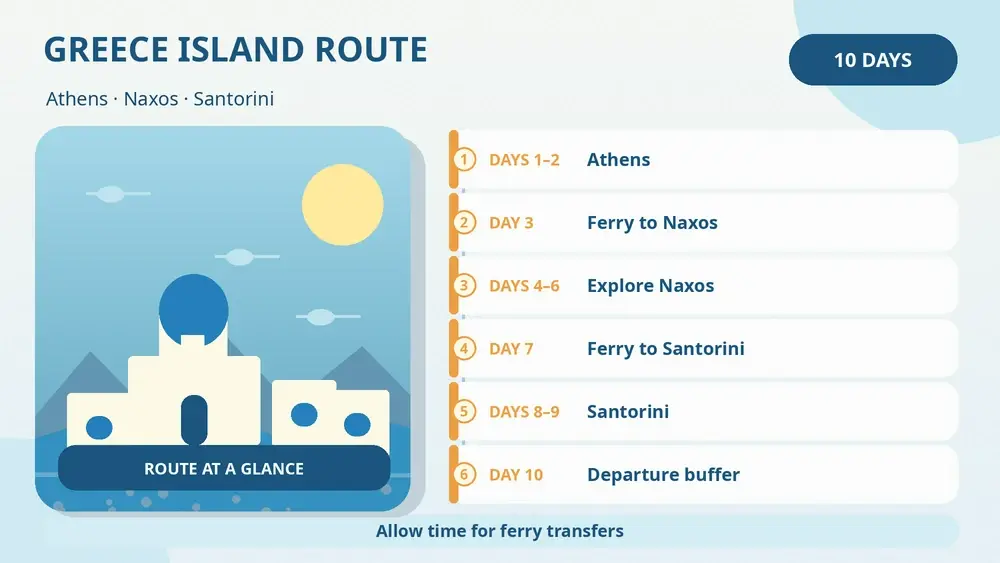
  • Greece in 10 Days: Athens, Naxos and Santorini Without Island-Hopping Exhaustion

    Greece in 10 Days: Athens, Naxos and Santorini Without Island-Hopping Exhaustion

    The biggest mistake on a first Greek-island trip is often not choosing the “wrong” island; it is choosing too many islands. Ferries are part of the experience, but packing, checking out, reaching the port, sailing and checking in again can consume most of a day. A ten-day trip feels much richer when you combine Athens with two islands that offer different strengths rather than collecting four ferry tickets and four hotel keys.

    This route pairs Naxos, which gives you beaches, villages and a more spacious rhythm, with Santorini, where the caldera scenery is spectacular but the visitor experience is more concentrated. Athens anchors the trip with history and makes the international flight logistics easier.

    Quick trip summary

    • Keep the route to Athens plus two islands for a ten-day first trip.
    • Treat ferry days as transfer days, not as full sightseeing days.
    • Naxos rewards three or four nights because beaches and inland villages are spread out.
    • Santorini needs careful hotel-location choices: caldera views, beach access and easy road access are different priorities.
    • Build wind and ferry disruption tolerance into the itinerary, especially outside the calmest periods.

    Who this itinerary is for — and who should change it

    This route is designed for a first visit with a moderate pace: enough structure to avoid wasting days on poor logistics, but enough freedom to respond to weather, energy and unexpected discoveries. It suits couples, solo travellers, families and mixed-age groups who would rather remember several places clearly than remember a blur of transfers.

    If your priority is nightlife, serious hiking, luxury resorts or a single specialist interest, use the route as a geographic framework and replace the lower-priority days. A useful itinerary is not a test of how many attractions you can complete. It should make the important parts easier while leaving room to stop when something is better than expected.

    Where to stay: location decisions that change the trip

    Accommodation has more impact than the room itself. Check the first journey each morning, the last journey at night, luggage access, hills or stairs, nearby food and whether you can return for a break. A cheaper property that creates two difficult transfers every day can cost more in time, taxis and energy than a slightly more expensive base in the right place.

    BaseBest use and trade-off
    Athens: Plaka / Monastiraki edgeExcellent for first-time sightseeing and walking to the Acropolis area, but some streets are busy late and rooms can be compact.
    Naxos Town / Agios GeorgiosConvenient for ferry arrival, restaurants and a nearby beach, making it particularly easy without a car.
    Naxos west-coast beachesUseful for families who want more beach time and space, though village exploration becomes easier with a car or planned excursions.
    Santorini: Fira / FirostefaniPractical for buses and caldera access. Oia is iconic, but Fira can be more convenient for a short stay if you plan to explore more than one part of the island.

    A realistic day-by-day route

    Days 1–2: Athens with one ancient anchor each day

    Use the first afternoon for a gentle historic-centre loop, then make the Acropolis and its surrounding archaeological landscape the principal focus of the next morning.

    Do not schedule every major ancient site in the same heat-heavy block. Shade, water and a long lunch can matter more than adding another ticket.

    The second evening can include a viewpoint or neighbourhood dinner rather than another formal attraction.

    Day 3: ferry to Naxos

    Allow generous time to reach Piraeus or the relevant departure port and check the live ferry information. Large ports can be confusing if you arrive at the last minute.

    After arriving in Naxos, keep the day local: settle in, walk the waterfront and watch sunset near the Portara if conditions and energy allow.

    Do not rent a car immediately unless you genuinely need it that evening.

    Days 4–5: beaches, villages and a slower Naxos rhythm

    Use one day for beach time and Naxos Town, then another for inland villages such as Halki or Apeiranthos, choosing only the stops that fit your transport plan.

    Driving can make the interior easier, but mountain roads and parking require confidence. A small-group tour or bus can be better for travellers who want to look at the scenery rather than navigate it.

    Protect a long lunch or quiet afternoon; the island works best when not every hour has an objective.

    Day 6: one flexible Naxos day

    Keep this day adaptable for weather. It can become another beach day, a short hike, a food-focused outing or simply a recovery day.

    Families often value this buffer after several days of moving. Older travellers can use it to avoid consecutive strenuous days.

    Check the next day’s ferry before bed rather than assuming the original schedule cannot change.

    Day 7: ferry to Santorini

    Make the transfer the main task. Sea conditions, port congestion and road traffic from Athinios can make the door-to-door journey longer than expected.

    After hotel check-in, choose a nearby caldera walk instead of racing to Oia solely because it is sunset time.

    A calm first evening will make the two following days more useful.

    Days 8–9: Santorini with one scenic and one exploratory day

    Use one day for the caldera settlements and viewpoints, starting early or later to avoid the most compressed periods.

    Use the other for Akrotiri, a beach, winery visit or boat excursion according to your interests. These options sit in different parts of the island, so combine only what makes geographic sense.

    If mobility is limited, note that many caldera hotels and lanes involve stairs. Ask the property specific questions before booking rather than assuming a sea-view room is easy to access.

    Day 10: fly or ferry onward with buffer

    If flying internationally through Athens, a same-day island connection can create stress when schedules change. A final Athens night is often safer when the onward flight is important.

    If your departure is directly from Santorini, keep the morning simple and allow road-traffic margin.

    Illustration of blue-domed churches above the caldera in Oia, Santorini

    Do not treat the last transfer as an opportunity for one final distant beach.

    Pace check: if the previous stage ran late, remove the lowest-priority stop rather than stealing time from meals, sleep or the next transfer. The route is deliberately built with places where you can simplify it without breaking the whole trip.

    Transport reality: what the map does not show

    Athens has a useful Metro network, while island transport varies greatly. Ferries should be checked with the operating company close to travel because schedules and vessel types can change. In Naxos, buses serve key beaches and villages in season, but a car increases flexibility for the interior. In Santorini, buses radiate mainly through Fira, while taxis can be limited at busy times. The most important transport rule is to judge a ferry day door to door: hotel checkout, port transfer, boarding, sailing, arrival congestion and new hotel check-in all count.

    Door-to-door time is the number that matters. Add checkout, reaching the station or port, waiting, boarding, transfers, finding the new accommodation and the possibility that everyone wants food immediately after arrival. This is why a “two-hour journey” can easily occupy half a day. Our guide to building realistic itineraries explains how to protect transfer days instead of pretending they are normal sightseeing days.

    Food strategy: eat well without making meals another timetable

    Greek travel becomes much more enjoyable when meals are allowed to slow the day down. On islands, a late lunch can replace the urge to schedule another attraction. Order seasonally and locally rather than chasing the same viral dishes in every town. If you are travelling with children, keep a simple snack and water available on ferry days because port waits can be unpredictable. For older travellers, eating before the busiest late-evening period can make the return to the hotel easier.

    One planned meal per day is usually enough. Leave the other meal flexible so it can respond to where you actually are, not where you expected to be six months earlier. Keep a simple backup option close to the hotel for evenings when the group is tired. This matters even more with children and older adults, because hunger turns a minor transport delay into a much larger problem.

    When to go and how weather changes the route

    The island season changes significantly between spring, high summer and autumn. July and August bring strong demand, heat and meltemi winds in the Cyclades. May, June, September and early October can be attractive for travellers who value walking and less intense heat, but sea and weather conditions still vary. Outside the main season, some island services reduce, so a quiet atmosphere can come with fewer transport and restaurant options.

    Instead of searching for one universal “best month,” choose which compromise matters most: comfortable temperatures, swimming, long daylight, lower prices, fewer visitors or full seasonal transport. Every destination trades one advantage for another. Build at least one indoor, low-effort or easily movable half-day into the plan so weather does not force you into a bad decision.

    Budget: where spending improves the trip

    Accommodation location drives the budget, especially in Santorini where caldera-view rooms command a premium. Decide whether the view is a central experience or merely something you want to see during walks and meals. Naxos can provide better value for longer stays. Ferry categories, checked luggage transfers and taxis also add up. Compare the full trip with our accommodation guide before paying more for a hotel whose location complicates every day.

    The most valuable upgrades are often logistical rather than luxurious: a central hotel, a direct transfer after a long flight, a reserved seat on a scarce connection or a guide who turns a wildlife or archaeological visit into something you understand. Cut low-value extras before cutting the pieces that keep the route reliable.

    Common mistakes to avoid

    • Trying to visit four islands in ten days.
    • Booking a Santorini hotel for the view without checking stairs, road access or luggage assistance.
    • Treating ferry arrival time as guaranteed and scheduling a critical connection immediately afterward.
    • Using midday for every exposed ancient site in peak summer.
    • Assuming all Greek islands offer the same beach, village and transport experience.

    Most itinerary problems do not come from one disastrous decision. They come from stacking small optimistic assumptions: a transfer that “should” be quick, a hotel that is “only” a kilometre away, a hike described as easy, and a dinner reservation on the opposite side of town. Leave margins in the plan before you need them.

    Families, older travellers and mixed-age groups

    Naxos is particularly friendly for families who want sandy beaches and room to slow down. Santorini can still work with children, but cliffside stairs and crowded lanes deserve realistic planning. Older travellers should ask hotels about steps and vehicle access in precise terms. A mixed-age group may enjoy staying in a more accessible area and visiting the most dramatic caldera villages rather than sleeping halfway down a cliff.

    For mixed-age groups, decide which experiences everyone will share and which are optional. Splitting for two hours can be healthier than forcing the entire group through one person’s priority. Build toilets, shade, seating, lifts, step-free transport and realistic meal times into the plan with the same seriousness as famous attractions. Our guide to travelling with parents and older adults covers this style of planning in more detail.

    If you have more or less time

    With twelve to fourteen days, add more time to Naxos or another island only if you can give it at least three nights. With seven days, choose Athens plus one island. For travellers focused on beaches and villages, Naxos alone may be stronger; for iconic scenery and a shorter island stay, Santorini may be the priority. The right answer depends on the experience you want, not on how many map pins you can collect.

    When shortening the trip, remove an entire base before cutting every destination to one night. When lengthening it, add depth before adding distance. An extra morning in a place you already understand often creates a better memory than another three-hour transfer to a new pin on the map.

    Useful official resources

    Timetables, closures, ticket systems and access rules can change. Recheck the details that affect your exact travel dates shortly before departure and again before any critical transfer.

    Final planning checklist

    • Confirm passport, visa and transit requirements for your own nationality and route.
    • Book the genuinely scarce ticket or transport segment before non-refundable secondary activities.
    • Check the exact luggage journey from one accommodation to the next, not only the main train, road or ferry time.
    • Save offline copies of reservations, insurance details and the address of each accommodation.
    • Recheck weather, transport notices and official access information shortly before each important day.
    • Keep one flexible half-day that can absorb rain, fatigue or a delayed transfer.
    • Choose footwear and clothing for the real surfaces and climate, not only for photographs.
    • Leave a generous buffer before international flights and other connections you cannot easily replace.

    The goal is not to return home with proof that you visited everything. It is to come back with a clear memory of how the places felt, enough energy to enjoy them and confidence that the route helped rather than controlled you. Use this plan as a strong starting point, then remove anything that does not fit your interests, mobility or travel rhythm.

  • Germany in 10 Days by Train: Berlin, Nuremberg and Munich Without Renting a Car

    Germany in 10 Days by Train: Berlin, Nuremberg and Munich Without Renting a Car

    Germany rewards rail travel because the difficult part is not moving between major cities; it is deciding how much to include. A first ten-day route can easily become Berlin, Hamburg, Dresden, Nuremberg, Munich, Neuschwanstein and the Rhine, all connected by trains but not by enough hours in the day.

    This itinerary chooses Berlin, Nuremberg and Munich. The cities are different enough to justify the journey, the rail connections are strong, and Nuremberg works as more than a transfer point. It breaks the long north-to-south route and gives you medieval urban fabric, twentieth-century history and Franconian food without another flight.

    If you prefer alpine scenery to cities, compare this route with our Austria by train itinerary or Switzerland by train itinerary. Germany itself works best here as a city-and-history trip with one optional countryside day.

    Quick trip summary

    • Spend 4 nights in Berlin, 2 in Nuremberg and 3 in Munich.
    • Use ICE trains for the long legs; no rental car is needed for the core route.
    • Choose one large museum or memorial-heavy experience per half-day, not several.
    • Keep Neuschwanstein optional rather than mandatory.
    • Book train-specific saver fares only when your schedule is genuinely fixed.

    Why Berlin, Nuremberg and Munich fit ten days better than a grand tour

    Berlin needs time because its important places are spread out and because much of the value comes from context. A rushed two-night visit often reduces the city to Brandenburg Gate, the Reichstag exterior and Museum Island without understanding the neighbourhoods or the difficult history connecting them.

    Nuremberg is compact enough to slow the route while still adding substance. Its old town, castle, market area and major documentation sites can fill two days without the transport overhead of another large city.

    Munich then provides a different atmosphere, easier access to Bavaria and a logical departure point. Deutsche Bahn currently lists direct Berlin–Munich ICE journeys of roughly four hours on faster services, which is why rail can compete very effectively with flying once airport procedures are included. Deutsche Bahn should be your live timetable source.

    A realistic itinerary at a glance

    Days Base Main focus
    1–4 Berlin History, museums, neighbourhoods and one lighter day
    5–6 Nuremberg Old town, castle and twentieth-century history
    7–9 Munich Historic core, museums/parks and one optional Bavaria day
    10 Munich / departure Easy final morning and departure

    Day-by-day plan

    Day 1: Arrive in Berlin and learn your immediate area

    Berlin is large, so a good first evening is local. Walk the neighbourhood around your hotel, buy any transit ticket you need and have dinner without crossing the city. Mitte is convenient for first visits, but Prenzlauer Berg, Kreuzberg or Charlottenburg can offer better evenings depending on your interests.

    Day 2: The central historical axis

    Use the Reichstag/Brandenburg Gate area, Holocaust Memorial surroundings, Unter den Linden and one substantial museum or exhibition as the day’s structure. Do not schedule every memorial in a single morning. The subject matter can be emotionally heavy, and Berlin becomes more understandable when you allow time between sites.

    Day 3: Museum or Cold War day plus a neighbourhood evening

    Choose a clear theme. Museum Island can consume most of a day; alternatively focus on Cold War history and the Berlin Wall memorial areas. Finish somewhere that feels contemporary—Kreuzberg, Neukölln, Prenzlauer Berg or another district—so the city is not experienced only through its past.

    Illustrated ten-day train itinerary for Berlin, Nuremberg and Munich

    Day 4: Buffer day in Berlin

    Use this for a palace, a market, Tempelhof, a boat ride, a longer neighbourhood walk or the museum you could not fit earlier. Four nights are valuable because Berlin weather, closures and fatigue can otherwise break a rigid itinerary.

    Day 5: Train to Nuremberg and old-town afternoon

    Take a morning or midday ICE, check in and spend the afternoon around the old town and castle. The city centre is compact enough that you can arrive without needing a complicated transport plan. Keep the evening in Franconia rather than treating Nuremberg as only a bed between trains.

    Day 6: Nuremberg in context

    Dedicate part of the day to twentieth-century history, then deliberately change tone with the old town, river, market or a food stop. Heavy historical sites deserve enough time to read and reflect, not a rushed photo stop before the next attraction.

    Day 7: Train to Munich and central orientation

    Continue south, leave luggage and walk the old centre around Marienplatz and the pedestrian core. If the weather is good, finish in the English Garden rather than trying to enter another museum immediately after the train.

    Day 8: Munich by interest

    Choose between major art museums, Deutsches Museum, palace interiors, food markets or a more leisurely parks-and-neighbourhoods day. Munich is often reduced to beer halls and a day trip to a castle; give the city one day that reflects your actual interests.

    Day 9: Optional Bavaria day

    If Neuschwanstein is a genuine priority, make this the day and accept that it is a long excursion requiring timed logistics. Otherwise choose Dachau Memorial, a nearby lake, another Munich day or a simpler regional outing. The best choice depends on weather and energy, not a universal must-see list.

    Day 10: Departure

    Stay flexible. If flying from Munich, leave a comfortable airport margin. If continuing by train to Austria, Switzerland or elsewhere in Germany, check engineering works and platform information shortly before travel.

    Where to stay and how many hotel changes to make

    In Berlin, location near an S-Bahn/U-Bahn interchange is often more useful than being beside one famous landmark. Four nights justify a neighbourhood you enjoy returning to at night.

    In Nuremberg, the old town or station-to-old-town corridor keeps everything easy for a two-night stop. If you arrive with luggage, a five-minute walk from the station can be worth more than a picturesque address on the opposite side of the walls.

    In Munich, Altstadt is expensive and convenient; areas near Hauptbahnhof are practical for day trips but vary street by street; Maxvorstadt or Glockenbach can suit travellers who prefer museums or restaurants.

    Transport: what is worth booking in advance

    Long-distance trains should be checked on Deutsche Bahn for your exact date because engineering work can alter routes. Seat reservations can be a good idea on busy ICE services even when not mandatory.

    Local transit in Berlin and Munich is excellent. Validate or activate tickets correctly and understand the fare zones rather than assuming every airport journey is covered by the same central ticket.

    A rental car is unnecessary unless you are building a separate countryside route. For a single castle or lake day, rail plus bus or an organised excursion is often easier than collecting and parking a car in Munich.

    Food and daily rhythm

    Berlin is excellent for international food and casual eating; Nuremberg adds Franconian specialities; Munich is ideal for Bavarian classics but also far more diverse than stereotypes suggest. One traditional meal per city is enough to understand the regional differences without eating heavily every night.

    Beer culture can be part of the trip without becoming the itinerary. Families and non-drinkers can enjoy beer gardens as social spaces, and many have food or non-alcoholic options.

    Families, children and older travellers

    Berlin works well for children when history-heavy sessions are alternated with parks, technology museums, boats or open spaces. Do not expect a young child to absorb several memorials in sequence.

    Older travellers should note that large stations can require long platform changes. Use lifts when available, travel with manageable luggage and avoid minimum transfer times when a delay would create stress.

    Nuremberg is particularly useful in a multigenerational route because its centre is compact. Munich then gives you the choice between a city day and a more scenic outing according to the group’s energy.

    Budget: where the money really goes

    Germany can be moderate to expensive depending on hotel dates. Berlin often offers more accommodation range than Munich, especially during major events.

    Rail savings are real when booked in advance, but saver fares can tie you to a specific service. Compare flexibility before choosing the lowest headline price.

    Museums and public transport are predictable costs. The biggest surprises are often hotel prices during fairs, Oktoberfest, football matches or major conventions.

    Best time to go

    Late spring and early autumn are excellent for this route. Summer brings long days and outdoor life but more demand; winter adds Christmas markets and indoor culture while shortening daylight.

    Munich pricing and availability change dramatically around Oktoberfest. If the festival is not your goal, avoid those dates rather than paying the premium accidentally.

    Rail disruptions from weather or engineering are possible year-round. A route with only two long transfer days is more resilient than one that changes city every night.

    Small decisions that improve the trip

    Decide whether Neuschwanstein is worth a full day

    The castle is iconic, but it is not a casual two-hour add-on from Munich. Tickets, transfers and crowds can dominate the day. If architecture, landscapes or photography make it a priority, plan it properly; if not, Munich itself may be the better use of limited time.

    Do not compress Berlin because the train is fast

    Fast rail can create the illusion that four cities fit. The real cost is not the journey alone but checkout, station navigation, check-in and the loss of an unstructured evening. Berlin needs at least three full days on a first trip.

    Use Nuremberg to change scale

    The middle stop is valuable precisely because it is smaller. Walk more, schedule less and let one afternoon contain both history and ordinary city life. That change of tempo prevents the itinerary from feeling like Berlin followed immediately by another Berlin-sized programme.

    Treat history with pacing, not as a checklist

    Many important German sites deal with persecution, war and dictatorship. Reading enough to understand them takes time and emotional energy. Pairing a serious museum or memorial with an outdoor walk or simple meal is not wasted time; it is what keeps the day meaningful.

    What I would leave out on this length of trip

    I would skip Hamburg, Cologne and the Rhine on this version. They are excellent destinations, but adding them makes the route geographically scattered.

    I would also avoid a one-night alpine stop unless the mountains are the central purpose. If Bavaria beyond Munich matters, extend the trip by at least two or three nights.

    Mistakes that make this trip harder than it needs to be

    • Adding a fourth major city because the ICE looks fast.
    • Choosing a non-flexible saver ticket before the inbound flight is secure.
    • Planning multiple emotionally heavy memorial sites in one day.
    • Assuming Oktoberfest dates will have normal Munich hotel prices.
    • Renting a car for the city portion.
    • Treating Nuremberg as only a station change.

    How I would adapt the itinerary

    With seven days, choose Berlin and Munich with a direct train between them. With twelve to fourteen, keep Nuremberg and add either Dresden, Hamburg or a more substantial Bavaria stay—not all three.

    Travellers focused on twentieth-century history can give Berlin five nights and reduce Munich. Families looking for parks and easier days may prefer the opposite.

    Before booking the trip

    • Check Deutsche Bahn for engineering works and live schedules.
    • Compare flexible and train-specific fares before purchase.
    • Reserve popular Reichstag or museum visits where required.
    • Check Munich event dates before locking hotel prices.
    • Decide on Neuschwanstein before choosing your Munich hotel and departure time.

    Germany is easiest to appreciate when the rail network is used to simplify the trip, not to multiply destinations. Berlin, Nuremberg and Munich give you three scales of city and a strong north-to-south story without needing a car.

  • Hawaii in 10 Days: Oahu and Maui Without Turning Island Hopping Into Airport Hopping

    Hawaii in 10 Days: Oahu and Maui Without Turning Island Hopping Into Airport Hopping

    Hawaii is one of those destinations where adding more islands can make a trip worse. Oahu, Maui, Kauai and Hawaiʻi Island each justify a holiday of their own, yet first-time visitors often try to fit three or four into ten days. The result is more packing, rental-car paperwork and airport time than the map suggests.

    A better ten-day introduction uses two islands. Oahu offers Honolulu, history, urban food and varied beaches; Maui adds a different landscape and a stronger road-trip feel. This plan protects enough time on both islands to understand them rather than treating each one as a collection of famous stops.

    Quick trip summary

    • Use only two islands in ten days.
    • Start with Oahu for 4 nights and give Maui about 5 nights plus the transfer day.
    • Rent a car only for the days when it improves access; Waikiki does not require one every day.
    • Treat the Road to Hana and Haleakalā as separate high-effort days.
    • Check park access, reservations, road conditions and ocean safety shortly before each outdoor day.

    Who this itinerary is for — and when to change it

    This route is designed for a first or early visit with a moderate pace. It assumes that the goal is to understand the destination rather than collect the highest possible number of stops. Couples, solo travellers, families and mixed-age groups can use the same geographic structure, but activity intensity should change with mobility, climate, jet lag and personal interests.

    Before booking every attraction, identify the two experiences you would most regret missing. Protect those first, then build the rest of the trip around them. Weather-dependent beaches, mountains, wildlife, boats and scenic roads should remain movable, while museums, markets and neighbourhood time can often shift more easily.

    Where to stay: choose the base before the hotel

    Accommodation is a transport decision as much as a comfort decision. Check how you will reach the first activity in the morning, what happens after dinner, whether the property has lifts or parking, and how luggage will move on transfer days. A cheaper room that creates two difficult journeys every day can cost more in taxis, time and energy than a slightly more expensive base in the right place.

    Base Why it works — and the trade-off
    Waikiki The easiest first-time Oahu base for beach access, food and transport; parking can be expensive if you keep a car throughout.
    Ko Olina Resort-oriented and calmer for families, but less convenient for Honolulu sightseeing.
    Maui: Kihei / Wailea Good access to south Maui beaches and services; Wailea is more resort-focused and usually pricier.
    Maui: Kaʻanapali / West Maui Strong beach-resort choice with sunset views, but road access and driving times should be checked for your specific plans.

    The four decisions that shape this trip most

    Decision Best default When to change it
    Number of islands Two Add a third only with 14+ days or if you already know exactly what you are sacrificing.
    Oahu car Part-time rental Keep one continuously only if parking cost and daily driving make sense.
    Maui car Yes for most itineraries Use transfers only if you plan to stay almost entirely at one resort.
    Big driving day Choose Hana or a very full upcountry day Do not stack multiple long scenic drives back to back.

    Make these choices before filling the calendar with attractions. They determine how many hotel changes, early starts and fragile connections the trip contains. Once the structure is right, individual sightseeing choices are much easier to adjust.

    A realistic day-by-day route

    Days 1–2: Waikiki and Honolulu orientation

    Keep arrival day around Waikiki, the beach and nearby food.

    Use the first full day for Pearl Harbor if it is a priority, downtown history and one neighbourhood or viewpoint rather than crossing the island repeatedly.

    Schedule reservations that matter, but leave evening flexible for jet lag.

    Days 3–4: one Oahu road day and one slower day

    Rent a car for a North Shore or windward-coast day, grouping stops in one direction.

    Choose a few beaches and viewpoints instead of trying to stop at every pin saved on your map.

    Use the second day for swimming, a museum, Diamond Head if appropriate, or a food-focused neighbourhood day.

    Illustrated ten-day itinerary for Oʻahu and Maui

    Day 5: fly to Maui

    Allow time for hotel checkout, returning the car if you rented one, airport security, the inter-island flight, collecting another car and checking in again.

    Do not call this a “half-day transfer” and then reserve a distant sunset activity.

    Shop for water and simple breakfasts after arrival if you are staying in a condo or apartment-style property.

    Days 6–8: Maui with one demanding day at a time

    Use one day for a beach-and-snorkel rhythm close to your base.

    Give the Road to Hana its own day only if everyone tolerates curves and long driving; otherwise explore a shorter east-Maui section.

    Make Haleakalā or upcountry a separate day, checking reservations and weather where required.

    Pace check: if this stage runs late, remove the lowest-priority activity rather than stealing time from meals, sleep or the next transfer. A resilient itinerary should become simpler when something changes, not more frantic.

    Days 9–10: flexible coast day and departure

    Keep day nine flexible for the beach, a boat trip, a missed weather-dependent activity or simply a slower final day.

    On departure day, leave rental-car and airport margin rather than squeezing in a remote beach.

    If your international flight leaves from Honolulu on a separate ticket, consider connection risk carefully rather than relying on a tight same-day inter-island flight.

    What is worth booking in advance

    Book the components that are genuinely scarce or that would break the route if unavailable: limited transport, a special accommodation, a high-priority guided activity or a reservation required by a park or attraction. Do not pre-book every hour. Leaving some meals, beaches, short walks and neighbourhood time open gives you somewhere to move when weather or energy changes.

    Keep confirmations offline and note cancellation windows. If two weather-sensitive activities are booked on consecutive days, understand whether either can move. The strongest itinerary is not the one with the most reservations; it is the one that still works when one reservation fails.

    Transport reality: plan door to door

    Inter-island flights are short in the air but much longer door to door. Add hotel checkout, car return, airport time, baggage, another car pickup and the drive to the next accommodation. On Oahu, buses, rideshares and walking can cover many Waikiki/Honolulu days. On Maui, a car is normally the practical choice because beaches, trailheads and scenic drives are dispersed. Never let an online route estimate replace current road and park information.

    Door-to-door time is the number that matters. Add hotel checkout, reaching the station, airport, ferry or pickup point, waiting, boarding, luggage, local transport at the other end and the possibility that everyone needs food immediately after arrival. This is why a “one-hour flight” or “two-hour drive” can consume half a day. Our guide to building realistic 7-, 10- and 14-day itineraries explains how to treat transfer days honestly.

    Food strategy: make meals part of the route

    Hawaii can be expensive, so mix destination meals with food trucks, plate lunches, supermarkets and simple breakfasts. Oahu has a broad restaurant scene and is ideal for trying local, Japanese, Filipino, Korean and Pacific influences. On Maui, plan food stops around long driving days because rural areas may have fewer late options. Carry water and snacks, but respect local rules about where food is allowed at beaches and parks.

    One planned meal per day is usually enough. Keep another meal flexible so it can respond to where you actually are, not where an old itinerary expected you to be. With children, older travellers or very hot/cold weather, eating before everyone becomes exhausted is often more important than reaching a restaurant that looked perfect months earlier.

    When to go and how the season changes the plan

    Hawaii works year-round, but winter surf, trade winds, rain patterns and whale season can change what a “perfect beach day” looks like. Different sides of each island can have different conditions on the same day. For ocean activities, local warnings matter more than a generic weather icon. Build flexibility around snorkeling, boat trips and exposed hikes.

    Instead of searching for one universal “best month,” decide which compromise you prefer: better weather, fewer visitors, lower prices, longer daylight, beach conditions, snow or wildlife. No period maximises everything. Recheck short-term weather and official access information shortly before each critical outdoor day.

    Budget: where spending actually improves the trip

    Accommodation, rental cars, parking, resort fees where applicable, food and inter-island flights drive the budget. The strongest saving is often structural: two islands instead of three, part-time car rental on Oahu, fewer paid activities and a property that reduces daily parking. Do not judge a condo only on nightly price; cleaning and other fees can materially change a short stay.

    The most useful upgrades are often logistical rather than luxurious: a hotel that removes a daily transfer, a direct ride after a long flight, a flexible ticket, an additional night in a weather-dependent region or a guide where interpretation genuinely adds value. Cut low-value extras before cutting the pieces that keep the route reliable. Our realistic travel-budget guide can help you account for the smaller costs between headline bookings.

    Common mistakes to avoid

    • Visiting three or four islands in ten days.
    • Keeping a rental car in Waikiki for days when it sits in expensive parking.
    • Underestimating the Road to Hana because the mileage looks short.
    • Ignoring ocean warnings because the beach looks calm from shore.
    • Booking a tight connection between separate inter-island and long-haul tickets.

    Most difficult trips are not ruined by one large mistake. They become tiring through a sequence of optimistic assumptions: a transfer that “should” be quick, a famous walk assumed to suit everyone, a meal delayed until everyone is hungry and a departure day with no margin. Leave space before you need it.

    Families, older travellers and mixed-age groups

    Oahu offers the easiest variety for families because an urban day, beach day and museum day can be mixed without long drives. On Maui, choose a base with easy food and swimming access so every day does not start in the car. For older travellers, reduce steep viewpoints and long driving combinations, and check whether boat excursions require beach launches or difficult boarding.

    For mixed-age groups, agree which experiences everyone will share and which can be optional. Splitting for two hours is often healthier than forcing the whole group through one person’s priority. Build seating, toilets, shade or warm shelter, step-free access and realistic meal times into the plan with the same seriousness as headline attractions. Our guide to travelling with parents and older adults develops this approach in more detail.

    If you have more or less time

    With seven days, stay on one island or use a 3/4-night split only if flights align well. With two weeks, add Hawaiʻi Island or Kauai rather than giving each existing stop only one extra day. A third island works best when it brings a clearly different priority such as volcano landscapes or hiking, not merely another beach.

    When shortening the trip, remove an entire base before cutting every destination to one night. When lengthening it, add depth before distance. An extra morning in a place you already understand often produces a better memory than another multi-hour transfer to a new pin on the map.

    Useful official resources

    Opening hours, transport timetables, road conditions, trail rules, sea conditions and visitor procedures can change. Use official sources for the details that affect your exact travel dates and recheck them shortly before departure.

    Final planning checklist

    • Confirm passport, visa, entry and transit requirements for your nationality and route.
    • Book the genuinely scarce transport or accommodation segment before secondary attractions.
    • Check the exact luggage journey between bases, including stairs, boats, station exits and rental-car rules.
    • Save offline copies of essential reservations, insurance details and each accommodation address.
    • Recheck weather, road, park, trail, sea or transport notices shortly before each critical day.
    • Keep at least one flexible half-day that can absorb rain, fatigue, a delay or a cancellation.
    • Choose clothing and footwear for the actual surfaces and climate, not only for photographs.
    • Leave a generous buffer before international flights and other connections that are expensive to miss.

    The purpose of a good itinerary is not to prove that you covered the maximum distance. It is to make the important experiences easier to enjoy and to leave enough energy for the unexpected parts that become the best memories. Use this route as a framework, then remove anything that does not fit your interests, mobility or travel rhythm.
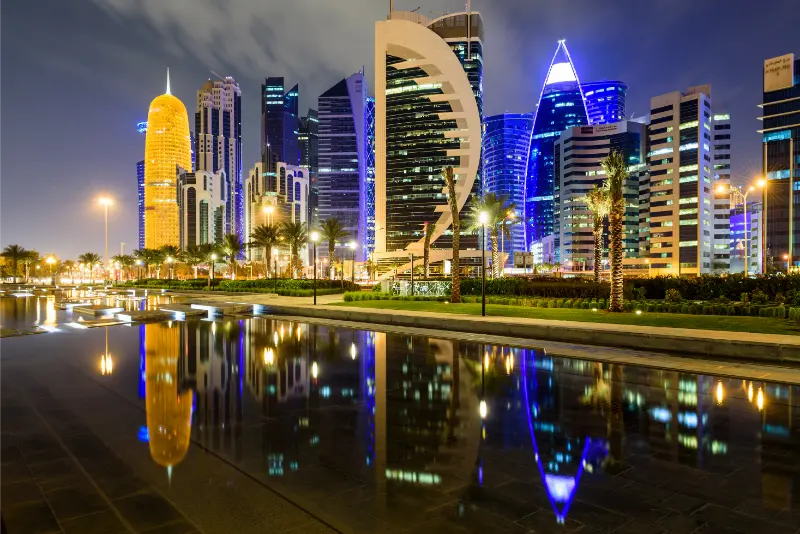
  • Agra in 4 Days: Taj Mahal, Agra Fort and Mughal Heritage Without Making It a Delhi Day Trip

    Agra in 4 Days: Taj Mahal, Agra Fort and Mughal Heritage Without Making It a Delhi Day Trip

    Agra is often treated as a sunrise photograph between Delhi and Jaipur, yet its Mughal history is far richer than a single monument. The Taj Mahal, Agra Fort, Itimad-ud-Daulah, gardens and old market areas form a connected imperial landscape along the Yamuna. Four days let you see the Taj at a humane pace, understand the fort and add Fatehpur Sikri without turning the whole stay into transfers.

    This itinerary is designed for travellers who want useful structure without turning Agra into a race. The order groups nearby experiences where possible and leaves one flexible block for weather, fatigue or an opportunity you discover after arrival.

    If Agra is part of a wider journey, compare this city plan with India Golden Triangle in 10 Days: Delhi, Agra and Jaipur Without Rushing the First Trip. Use that article for the larger route; this guide keeps the focus on Agra itself.

    Quick trip summary

    • Ideal stay: 4 days for a first visit.
    • Best approach: one major experience per half-day, with a flexible block for weather or fatigue.
    • Good for: couples, solo travellers, families, older travellers and mixed-age groups who value realistic pacing.
    • Main planning risk: underestimating transfers, climate or the energy cost of adding one more stop.

    Is Agra the right trip for you?

    Choose Agra if you prefer a trip where place, culture and ordinary local life matter as much as headline attractions. This four-day plan deliberately limits the number of major commitments in each half-day. That creates room for meals, weather changes, transport delays and the small discoveries that usually become the most personal memories. Before booking, identify the two experiences you would genuinely regret missing and protect those first; everything else can move around them.

    Where to stay

    AreaWhy choose it
    Taj East Gate / TajganjBest for early Taj Mahal access and a first visit focused on the monument.
    Fatehabad RoadWide hotel choice and easy vehicle access, useful for families and organised tours.
    Near Agra Fort / central cityMore connected to markets and everyday Agra, but traffic can be intense.
    A quieter resort-style property outside the busiest coreUseful for travellers prioritizing space and recovery, provided transfers are planned in advance.

    Choose accommodation by the journeys you will repeat, not by room price alone. Check the route to your likely dinner area, the first morning attraction and the departure point for any fixed excursion. A hotel that removes two awkward transfers every day can be better value than a cheaper room farther away.

    How many days do you need?

    Four days is enough for a first visit without pretending you have exhausted the destination. It gives you one orientation day, two stronger sightseeing or nature days and a final flexible block. With only two days, keep the historic or cultural core and one signature experience. With five or six days, add one regional excursion or slower neighbourhood day rather than stretching every sightseeing day until dinner becomes another appointment.

    How to get to Agra

    Agra is well connected by rail and expressway with Delhi and other north-Indian cities. Several railway stations serve the city, so confirm the station code before arranging a pickup. Agra Airport has limited service compared with Delhi. For most Golden Triangle itineraries, a train or pre-arranged road transfer is more practical. Traffic around monuments can change journey times considerably, so avoid scheduling a major timed visit immediately after arrival.

    Agra Fort Red Sandstone Gates Uttar Pradesh

    Always verify the exact terminal, station or pier on your ticket. Cities with more than one transport hub can turn a simple arrival into an expensive cross-city transfer when the wrong location is assumed.

    Getting around Agra

    Within Agra, use the simplest transport for each journey rather than committing to one mode for the entire stay. Walk compact central areas when conditions are comfortable, use public transport where it clearly saves time, and take a taxi or ride-hail when heat, luggage, mobility or an awkward transfer makes that the safer choice. Download an offline map and save the hotel address before leaving Wi-Fi. If you rent a car, confirm parking and road rules before the first drive instead of learning them in traffic.

    A realistic 4-day itinerary

    The itinerary below is a framework, not a timetable. Opening days, weather, seasonal transport and personal energy should determine the final order. If a major attraction is closed on the suggested day, move the whole block rather than forcing the rest of the trip to become inefficient.

    Day 1 – Taj Mahal with enough time to actually see it

    Plan the Taj Mahal around current official opening rules and ticket requirements. The monument normally closes to general visitors on Fridays, so check your dates before booking the rest of the itinerary. Arrive early if you want softer light and cooler conditions, but do not treat the visit as a race to one photo point. Spend time on the gardens, mosque and decorative details, then keep the afternoon deliberately light around Tajganj or the hotel.

    Keep enough time around lunch for a real break. If the morning runs long, remove the lowest-priority afternoon stop instead of pushing dinner later and beginning the next day tired.

    Day 2 – Agra Fort and the Mughal city

    Visit Agra Fort when your energy is high because the complex is larger and more layered than many visitors expect. Connect its palaces and courtyards with the story of Akbar, Jahangir and Shah Jahan rather than seeing it only as another red-sandstone monument. After lunch, explore a market area or craft tradition with a reputable guide if that interests you. Keep the evening free for a quieter dinner.

    Day 3 – Itimad-ud-Daulah, Mehtab Bagh and the river landscape

    Begin with Itimad-ud-Daulah, whose marble inlay and smaller scale make a useful contrast with the Taj. Continue toward Mehtab Bagh or another legal public viewpoint across the Yamuna, checking current access conditions. Avoid informal riverbank arrangements that bypass official guidance. Use the rest of the day for a museum, shopping or rest rather than adding another long transfer.

    Day 4 – Fatehpur Sikri or a flexible heritage day

    Dedicate the final day to Fatehpur Sikri if it is not already included in your onward route. The former Mughal capital deserves several hours plus transport time. If heat, fatigue or onward travel makes the excursion unattractive, stay in Agra and revisit a favourite area. A second slower look at the fort or craft traditions can be more rewarding than forcing another monument into the schedule.

    Agra Fort Entrance And Red Sandstone Walls

    What to eat and how to plan meals

    Agra offers Mughlai dishes, breads, vegetarian thalis, street snacks and petha sweets, but hygiene and heat should shape choices as much as reputation. Choose busy restaurants with good turnover, drink safe water and be cautious with food that has been sitting unrefrigerated. Heavy meals at lunch can make hot-afternoon sightseeing difficult, so many travellers do better with a substantial breakfast and lighter midday food.

    For a mixed-age group, decide in advance which meal matters most each day. A destination restaurant can be enjoyable, but three reservation-heavy meals in one day remove flexibility. Markets, bakeries and casual lunches often reveal more about everyday food culture while keeping the schedule adaptable.

    Agra with children

    Families should protect meal times, toilets and recovery time as carefully as attractions. One substantial activity in the morning and one lighter activity after lunch is usually more successful than four ticketed stops. Let children choose one element each day—a market snack, short boat ride, park, viewpoint or museum section—so the trip does not feel entirely adult-directed. In hot or cold weather, schedule the most exposed activity for the comfortable part of the day.

    Bring one familiar snack for long transfers and avoid promising a specific wildlife sighting, boat condition or weather-dependent activity to young children. Frame those experiences as possibilities rather than guarantees.

    Older travellers and multigenerational groups

    For older travellers and multigenerational groups, reduce transitions before reducing experiences. A centrally located hotel, direct rides for awkward journeys and one major sight per half-day can preserve far more energy than a cheaper room on the edge of town. Agree in advance that part of the group can rest or split for a specialist attraction without creating a problem for everyone else.

    Accessibility and practical comfort

    Accessibility varies by building, street and operator. Historic districts may include cobbles, steps, steep ramps, sand, broken pavements or narrow entrances even when nearby modern museums and hotels are straightforward. Ask specific questions about step-free entrances, lift dimensions, bathroom layout, seating, gradients and the distance from the vehicle drop-off. For boats, beaches, temples, trails and heritage sites, contact the exact operator or attraction rather than relying on a general destination label.

    Comfort planning also includes toilets, shade, drinking water and the distance between places to sit. These details can determine whether a long sightseeing day remains enjoyable.

    Safety, cultural awareness and small practical habits

    Use the same layered approach you would use in any unfamiliar destination: keep valuables discreet, use transport you understand, ask accommodation staff about routes after dark and avoid carrying the day’s entire cash supply in one place. Local advice is most useful when it is specific—ask about a street, trail, beach, station or return time rather than whether the whole city is ‘safe’. Respect religious sites, memorials, markets and residential areas, and ask before photographing people at close range.

    Best time to visit Agra and a weather fallback

    Agra can be intensely hot from late spring into early summer, while winter mornings can be cool and affected by fog or poor visibility. Monsoon conditions bring humidity and rain. Air quality may also affect comfort and views at some times of year. Start exposed monument visits early, carry water and keep one indoor or low-effort block available if heat or visibility is poor.

    Musamman Burj Marble Pavilion Agra Fort Overlooking Yamuna

    Keep at least one half-day movable. Weather problems are easier to manage when you already know which indoor or lower-exposure activities can replace an outdoor block. Check the local forecast in the morning, but also pay attention to wind, visibility, marine conditions, road alerts or air quality when those factors matter more than the headline temperature.

    Budget: where the money really goes

    The most useful budget comparison is the cost of an entire day rather than the price of one hotel or ticket. A room that costs slightly more can be better value if it removes repeated taxis, while a cheap excursion can become expensive after transfers, equipment and meals are added. Keep a contingency for weather changes, a direct ride when the group is tired, medical needs and one spontaneous experience discovered after arrival.

    Reserve the experiences that control the schedule, such as a limited tour, ferry, long transfer, guided heritage visit or timed museum. Leave ordinary meals and short local rides more flexible unless you are travelling during a major event or holiday period.

    Money, connectivity and bookings

    Carry more than one payment method. Even where cards are common, small vendors, markets, taxis or ticket counters may work differently. Use bank or official ATMs where possible, understand your card’s foreign-transaction costs and keep a modest amount of local cash. Save confirmation numbers and tickets offline so a weak signal does not become a travel problem.

    Photography without turning the trip into a photo shoot

    The best light and the quietest streets often coincide with the most comfortable walking hours, so early morning can solve several problems at once. At sacred places, markets, memorials and residential areas, let the setting guide your behaviour. Wide architectural photographs are different from placing a camera close to a person at work, worship or remembrance. Do not sacrifice the itinerary for a famous angle if access, weather or crowds make it unpleasant.

    Common mistakes to avoid

    • Visiting Agra only as a same-day race from Delhi.
    • Booking the Taj Mahal on a Friday without checking current opening rules.
    • Underestimating the size and historical depth of Agra Fort.
    • Accepting unofficial guides or transport without agreeing on price and scope first.
    • Combining the Taj, fort and Fatehpur Sikri in one exhausting day.

    Most tiring trips are not ruined by one dramatic mistake. They become difficult through a chain of optimistic assumptions: a transfer that should be quick, a hotel that is “only” a kilometre away and a final reservation on the other side of town after an already full day. Add margin before you need it.

    A slower experience worth protecting

    After the major monuments, protect one unhurried hour for a garden, hotel terrace or quiet viewpoint where you can look at the Mughal landscape without another gate, queue or guide speaking in your ear.

    Official information to check before you go

    Opening days, transport, weather-sensitive access and event schedules can change. Recheck the details that control fixed reservations shortly before travel, especially during public holidays, major festivals or severe weather.

    How to adapt the itinerary

    With less time: keep Day 1 and the single experience from Days 2–3 that matters most to you. Do not compress all four days into two.

    With more time: add one carefully chosen excursion or a slower neighbourhood day rather than extending every sightseeing day.

    For a multigenerational group: agree on one shared priority each day and allow people to split for specialist interests or rest. It is often better for one person to visit a niche museum while another relaxes than for the whole group to become tired together.

    Taj Mahal Agra With Garden Path

    Final planning checklist

    • Confirm passport, visa, entry and transit requirements for your nationality.
    • Choose accommodation for location and repeated journeys before room size alone.
    • Reserve only the attractions or excursions that genuinely control the day.
    • Save offline copies of tickets, hotel details, insurance information and essential addresses.
    • Check the exact airport, station, bus terminal, pier or pickup point before arranging transfers.
    • Keep one flexible half-day for weather, fatigue or something discovered after arrival.
    • Recheck official opening information and local transport shortly before each fixed day.
    • Carry clothing and footwear for the real climate and walking surfaces, not only the average forecast.

    How to make the four days feel less rushed

    A useful way to plan Agra is to separate fixed commitments from flexible interests. Put only transport departures, limited-entry attractions and weather-dependent excursions into the fixed category. Keep cafés, viewpoints, shopping streets, markets and small museums as movable options. This prevents a delayed lunch or rain shower from turning the entire day into a recovery exercise.

    Each evening, look at the next day again. Check travel time from the hotel, opening information, weather and how the group actually feels. If everyone is tired, remove one stop before breakfast instead of waiting until late afternoon when the day has already become difficult. A four-day stay has enough time for this kind of adjustment, and that flexibility is one of its main advantages over a day trip.

    Finally, distinguish between distance and effort. A two-kilometre walk in cool weather on flat pavements is not the same as two kilometres in tropical humidity, winter ice, desert sun, steep streets or crowded markets. Plan by the physical reality of the destination, not only by map distance.

    Practical pacing for a better first visit

    Do not measure a successful day in Agra by the number of pins removed from a map. A good first visit normally has a clear morning priority, a lunch area that does not require a major detour and an afternoon that can shrink if weather, traffic or tiredness changes the plan. Put the attraction with the strictest opening time first and keep the most flexible walk, market or neighbourhood for later.

    Build short recovery moments into the day before they become necessary. Twenty minutes in a café, park or shaded square can prevent an entire late afternoon from becoming unpleasant. This matters especially for children, older travellers and anyone adjusting to heat, altitude, jet lag or unfamiliar food. If the group has different interests, one planned split can work better than making everyone compromise through an activity they do not enjoy.

    On the final evening, avoid scheduling a complicated cross-city reservation unless it is truly important. Pack, confirm the next transfer, save tickets offline and leave room for one last local meal near the hotel. That small amount of margin makes the departure day easier and protects the memory of the trip from ending with unnecessary logistics.

    Final thoughts

    Agra works best when you give its main experiences enough space and allow the rest of the destination to appear between them. Four days are long enough to understand the place without pretending that every surrounding attraction belongs in the same trip.

  • Singapore in 4 Days: A First-Time Itinerary That Works for Families and Older Travellers

    Singapore in 4 Days: A First-Time Itinerary That Works for Families and Older Travellers

    Singapore is compact but not small in experience. A first-time visitor can move from futuristic waterfront architecture to hawker centres, shophouse streets, rainforest-style gardens and beach recreation within the same trip. The danger is assuming that efficient transport means you should fill every hour. Heat, humidity and large attractions make some “short” days much longer than expected.

    This four-day plan uses the MRT to keep logistics simple and alternates outdoor neighbourhood time with air-conditioned or shaded breaks. That makes it particularly adaptable for families, older travellers and anyone arriving after a long-haul flight.

    Quick trip summary

    • Four full days are enough for a strong first visit; add a fifth if theme parks or the zoo are major priorities.
    • Use the MRT for most journeys and taxis/ride-hailing selectively when heat or mobility makes transfers inefficient.
    • Schedule exposed outdoor walks for morning or evening when possible.
    • Hawker centres are part of the trip, not merely cheap meal stops.
    • Choose one major garden/zoo/Sentosa-style attraction per day rather than stacking them.

    Who this itinerary is for — and who should change it

    This route is designed for a first visit with a moderate pace: enough structure to avoid wasting days on poor logistics, but enough freedom to respond to weather, energy and unexpected discoveries. It suits couples, solo travellers, families and mixed-age groups who would rather remember several places clearly than remember a blur of transfers.

    If your priority is nightlife, serious hiking, luxury resorts or a single specialist interest, use the route as a geographic framework and replace the lower-priority days. A useful itinerary is not a test of how many attractions you can complete. It should make the important parts easier while leaving room to stop when something is better than expected.

    Where to stay: location decisions that change the trip

    Accommodation has more impact than the room itself. Check the first journey each morning, the last journey at night, luggage access, hills or stairs, nearby food and whether you can return for a break. A cheaper property that creates two difficult transfers every day can cost more in time, taxis and energy than a slightly more expensive base in the right place.

    Cloud Pagoda Chinese Garden Jurong Lake Gardens Singapore
    BaseBest use and trade-off
    Marina Bay / City HallExcellent for a short first visit with straightforward transport and major sights nearby, but hotel prices can be high.
    Bugis / Bras BasahCentral, well connected and useful for Kampong Glam, museums and food.
    ChinatownAtmospheric, convenient and rich in food choices; some hotels are compact, so compare room sizes.
    Orchard / River ValleyComfortable for shopping and central access, though less atmospheric for travellers who want heritage streets outside the door.

    A realistic day-by-day route

    Day 1: Marina Bay after an easy arrival

    Use the first afternoon for the waterfront, Merlion area, Helix Bridge or a nearby indoor attraction according to the weather.

    Do not cross the bay repeatedly in midday heat simply because everything looks close. Large buildings and road crossings extend walking time.

    Return after sunset for the skyline if you still have energy; the same area feels different and the temperature is often easier.

    Day 2: Chinatown plus Tiong Bahru or the civic district

    Explore Chinatown in the morning, including temples, food streets and heritage architecture without reducing it to a photo stop.

    Use midday for a museum, long lunch or hotel break, then choose one second neighbourhood.

    A hawker-centre meal works best when each person tries different dishes rather than everyone queueing at the same famous stall.

    Day 3: Gardens by the Bay and a slower afternoon

    Give the gardens enough time. Conservatories, outdoor areas and walking between them can fill most of the day.

    In strong heat, use indoor sections as planned recovery rather than treating air conditioning as wasted travel time.

    Families can keep the evening near Marina Bay; older travellers may prefer a taxi back after a long garden day instead of another interchange.

    Day 4: choose your Singapore

    Pick the day that matches your interests: Singapore Zoo/Mandai, Sentosa, Kampong Glam and Little India, or a more local food-and-neighbourhood day.

    Fireworks Above Marina Bay Sands Singapore

    Do not try to combine the zoo and Sentosa merely because both are famous; they sit in different directions and each can absorb hours.

    If your flight is late, store luggage and stay within a straightforward airport route.

    Pace check: if the previous stage ran late, remove the lowest-priority stop rather than stealing time from meals, sleep or the next transfer. The route is deliberately built with places where you can simplify it without breaking the whole trip.

    Transport reality: what the map does not show

    Singapore’s MRT and bus network make car rental unnecessary for almost all visitors. Contactless payment options and tourist products can simplify fares, but check current Land Transport Authority information before travel. Changi Airport is well connected, yet a taxi can be a sensible choice after a long flight or with several suitcases. Stations are generally efficient, but a route with multiple interchanges can still be tiring for a stroller or limited mobility, so compare a direct taxi for short cross-city links.

    Door-to-door time is the number that matters. Add checkout, reaching the station or port, waiting, boarding, transfers, finding the new accommodation and the possibility that everyone wants food immediately after arrival. This is why a “two-hour journey” can easily occupy half a day. Our guide to building realistic itineraries explains how to protect transfer days instead of pretending they are normal sightseeing days.

    Food strategy: eat well without making meals another timetable

    Food planning can be both inexpensive and adventurous because hawker centres place many cuisines in one location. Choose centres that fit the day’s geography rather than crossing the city for every famous stall. Busy lunch periods can mean queues, so families and older travellers may prefer slightly earlier meals. Carry tissues and water, and learn the local table-reservation custom before assuming an apparently empty seat is free. Dietary needs are manageable, but ask clearly about ingredients.

    One planned meal per day is usually enough. Leave the other meal flexible so it can respond to where you actually are, not where you expected to be six months earlier. Keep a simple backup option close to the hotel for evenings when the group is tired. This matters even more with children and older adults, because hunger turns a minor transport delay into a much larger problem.

    Singapore Waterfront Light Show At Night

    When to go and how weather changes the route

    Singapore is warm and humid year-round, with rain possible in every month. The key seasonal planning issue is not finding a cool season but managing heat, downpours and indoor-outdoor transitions. Lightweight clothing, hydration and an umbrella matter. Thunderstorms can be intense yet short, so a museum or café break often works better than abandoning the day.

    Instead of searching for one universal “best month,” choose which compromise matters most: comfortable temperatures, swimming, long daylight, lower prices, fewer visitors or full seasonal transport. Every destination trades one advantage for another. Build at least one indoor, low-effort or easily movable half-day into the plan so weather does not force you into a bad decision.

    Budget: where spending improves the trip

    Accommodation is usually the largest cost, while public transport and hawker meals can keep daily spending controlled. Paying more for a central MRT-connected hotel may be worthwhile on a four-day trip because it reduces transfer friction. Major attractions can add up, so decide whether zoo, observation decks, conservatories or theme parks are your true priorities. Free waterfront walks and neighbourhoods balance the budget well.

    The most valuable upgrades are often logistical rather than luxurious: a central hotel, a direct transfer after a long flight, a reserved seat on a scarce connection or a guide who turns a wildlife or archaeological visit into something you understand. Cut low-value extras before cutting the pieces that keep the route reliable.

    Common mistakes to avoid

    • Assuming efficient transport means heat and walking no longer matter.
    • Scheduling Gardens by the Bay, the zoo and Sentosa on consecutive overloaded days.
    • Crossing the city solely for a famous food stall when excellent alternatives exist nearby.
    • Choosing the cheapest hotel without checking room size and MRT walking distance.
    • Spending all four days in malls and headline attractions without exploring heritage neighbourhoods.

    Most itinerary problems do not come from one disastrous decision. They come from stacking small optimistic assumptions: a transfer that “should” be quick, a hotel that is “only” a kilometre away, a hike described as easy, and a dinner reservation on the opposite side of town. Leave margins in the plan before you need them.

    Families, older travellers and mixed-age groups

    Singapore is one of the easiest major Asian cities for mixed-age travel because transport is orderly and many attractions have strong facilities. Families can use playgrounds, gardens and the zoo as large anchors. Older travellers benefit from extensive air-conditioned spaces and taxis when heat becomes tiring. Still, ask hotels about shower access, room size and step-free routes rather than assuming every central property is equally convenient.

    Singapore Illuminated Helix Pedestrian Bridge

    For mixed-age groups, decide which experiences everyone will share and which are optional. Splitting for two hours can be healthier than forcing the entire group through one person’s priority. Build toilets, shade, seating, lifts, step-free transport and realistic meal times into the plan with the same seriousness as famous attractions. Our guide to travelling with parents and older adults covers this style of planning in more detail.

    If you have more or less time

    With five or six days, add the Mandai wildlife parks, Sentosa or a deeper food/neighbourhood day without sacrificing rest. With only two or three days, prioritize Marina Bay, one heritage area and either the gardens or your favourite major attraction. Singapore is a place where a compact itinerary works only when you resist the urge to exploit that efficiency every hour.

    When shortening the trip, remove an entire base before cutting every destination to one night. When lengthening it, add depth before adding distance. An extra morning in a place you already understand often creates a better memory than another three-hour transfer to a new pin on the map.

    Useful official resources

    Timetables, closures, ticket systems and access rules can change. Recheck the details that affect your exact travel dates shortly before departure and again before any critical transfer.

    Final planning checklist

    • Confirm passport, visa and transit requirements for your own nationality and route.
    • Book the genuinely scarce ticket or transport segment before non-refundable secondary activities.
    • Check the exact luggage journey from one accommodation to the next, not only the main train, road or ferry time.
    • Save offline copies of reservations, insurance details and the address of each accommodation.
    • Recheck weather, transport notices and official access information shortly before each important day.
    • Keep one flexible half-day that can absorb rain, fatigue or a delayed transfer.
    • Choose footwear and clothing for the real surfaces and climate, not only for photographs.
    • Leave a generous buffer before international flights and other connections you cannot easily replace.

    The goal is not to return home with proof that you visited everything. It is to come back with a clear memory of how the places felt, enough energy to enjoy them and confidence that the route helped rather than controlled you. Use this plan as a strong starting point, then remove anything that does not fit your interests, mobility or travel rhythm.