Category: North America

Practical travel guides for destinations in North America, focused on neighbourhood planning, transport, costs and first-time itineraries.

  • New York City in 5 Days: A First-Timer Plan That Avoids Constant Backtracking

    New York City in 5 Days: A First-Timer Plan That Avoids Constant Backtracking

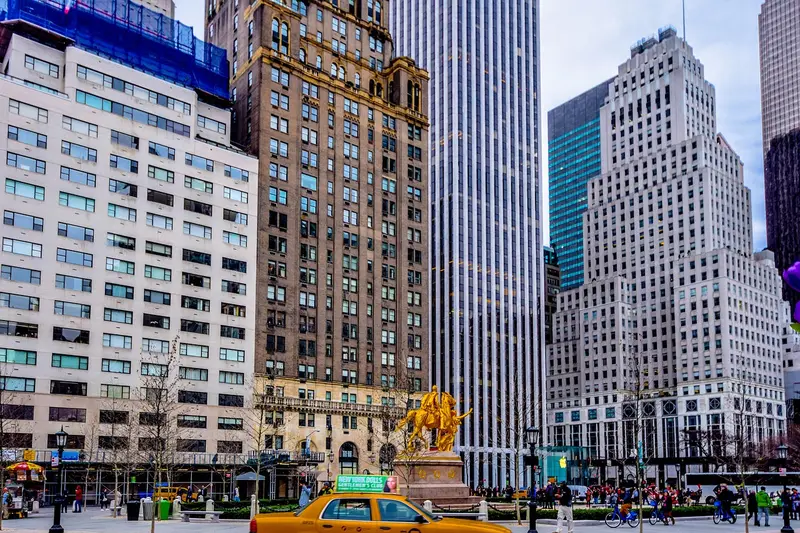
    New York looks simple on a Manhattan map because many famous attractions sit on the same island. In practice, a successful first visit depends on neighbourhood logic, subway confidence and the ability to stop adding “one more thing” to each day. Midtown, Lower Manhattan, Central Park, the museums and Brooklyn waterfronts each deserve their own block of time.

    This five-day route is built to minimize backtracking while still delivering the classic first-trip experience. It also leaves space for the unplanned moments that make New York memorable: a neighbourhood bakery, a long walk through a park, live music, a street view or simply watching the city move.

    Quick trip summary

    • Five full days gives you enough time for the main areas without turning every day into a race.
    • Use the subway for cross-town or long north-south moves, then walk within neighbourhood clusters.
    • Choose one major observation deck unless skyline views are a central interest.
    • Build around one anchor reservation per day and keep the rest flexible.
    • Check MTA service information because weekend and overnight work can change routes.

    How many days do you really need?

    For New York City in 5 Days, the itinerary below is a starting structure rather than a contract. The number of useful days depends on arrival time, jet lag, season, mobility and how strongly you prefer museums, food, nightlife or outdoor time. If your first or last day is mostly a flight day, do not count it as a full sightseeing day. This guide to building realistic itineraries explains why transfer and arrival days need their own category.

    A reliable rule is to identify the two experiences you would genuinely regret missing, then protect time around them. Everything else should remain adjustable. That prevents a delayed train, rainstorm or tired child from turning the whole trip into a sequence of missed reservations.

    Where to stay: choose logistics before decoration

    The best neighbourhood is the one that supports the trip you actually plan to take. Look at the first journey of the morning, the final journey at night, airport access, restaurant options, hills or stairs and how easy it will be to return for a midday break. A beautiful hotel becomes less attractive if reaching it requires an awkward transfer every day.
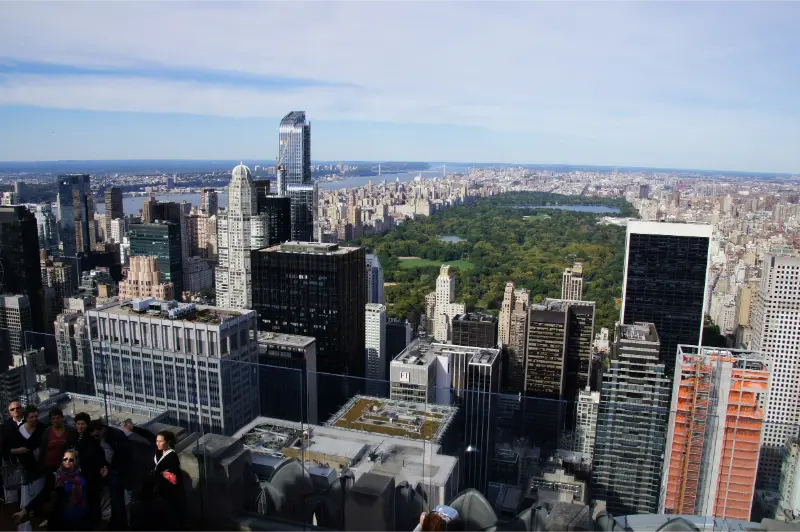
    New York Central Park And Manhattan Skyline Aerial
    AreaWhy it works — and the trade-off
    MidtownBest for a very first visit when you value short walks to Times Square, Bryant Park, Fifth Avenue and major transit. It is convenient but busy and often expensive.
    Chelsea / FlatironA balanced base with restaurants, High Line access and good subway options. It feels more neighbourhood-oriented than central Midtown.
    Upper West SideExcellent for Central Park, families and a calmer evening rhythm, though downtown attractions require more subway time.
    Downtown / Financial DistrictConvenient for Lower Manhattan and some ferry access, with quieter evenings in parts of the district. It is less central for museums and Midtown nightlife.

    A realistic day-by-day plan

    Day 1: Midtown orientation

    Start around Bryant Park, Grand Central and Fifth Avenue, then choose a route that ends near Times Square rather than bouncing between east and west. Midtown is dense enough to fill a day without a museum.

    If you want an observation deck, place it late afternoon or evening depending on your preference. Do not automatically book multiple decks; the second often gives diminishing returns on a short trip.

    Use dinner as the end of the route. Walking another thirty blocks after a long arrival day is rarely the best use of energy.

    Day 2: Lower Manhattan and the harbour

    Begin with the Financial District, the 9/11 Memorial area and the historic streets around the southern tip. Decide in advance whether the museum is a priority because it changes how much time remains.

    For the Statue of Liberty, distinguish between wanting to visit the island and simply wanting harbour views. Ferries and waterfront perspectives can create a satisfying day without every visitor needing the same ticketed experience.

    Finish around the Brooklyn Bridge/Seaport area or cross toward Brooklyn if your legs and weather cooperate.

    Day 3: Central Park and one major museum

    Choose the Metropolitan Museum of Art, American Museum of Natural History or another institution based on your interests, not because a generic itinerary says you “must” do both.

    Pair the museum with Central Park. A park section, lunch and neighbourhood walk creates a much more balanced day than two giant museums.

    For families, playgrounds, boats or open lawns can be the reward after indoor time. Older travellers may prefer a shorter park route with strategic seating.

    A path and bench beside a pond in Central Park, New York City

    Day 4: Chelsea, High Line, Greenwich Village and SoHo

    Start along the High Line at a quieter time if possible, then move through Chelsea and toward Greenwich Village. The route works because the neighbourhoods connect naturally on foot.

    Choose one food market, gallery cluster or neighbourhood detour rather than trying to see every named district downtown.

    In the evening, this is a good day for live music, comedy or a relaxed meal because you are not tied to a distant attraction.

    Day 5: Brooklyn or the New York that matches you

    Use the final day for Brooklyn Heights and DUMBO, Prospect Park, Williamsburg, Harlem, a second museum or shopping. The correct choice depends on what you liked during the first four days.

    A flexible last day also absorbs bad weather or a rescheduled booking.

    If flying out in the evening, do not underestimate the time needed to return for luggage and reach JFK, LaGuardia or Newark during busy traffic periods.

    Pace check: if the morning takes longer than expected, remove the lowest-priority stop rather than compressing meals and transport. A good itinerary should become simpler under pressure, not more frantic.

    Getting around without wasting the day

    The subway is the backbone of a first New York trip. The MTA publishes real-time service information, elevator status and planned changes, and visitors should check these rather than relying on a static map alone. Contactless fare payment has made short visits easier, but use the same payment method consistently when fare-capping or transfer rules depend on it. Express and local trains can share platforms, so confirm the service pattern before boarding. At night or when carrying luggage, a taxi or ride service can be worth the cost if it removes multiple transfers.

    When comparing routes, use door-to-door time rather than the minutes shown for the train, Metro or taxi itself. Walking to the platform, waiting, transfers, finding the correct exit and reaching the attraction can easily double a “short” journey. Travellers with luggage, a stroller or limited mobility should prioritize fewer transfers even when the route is slightly longer on paper.
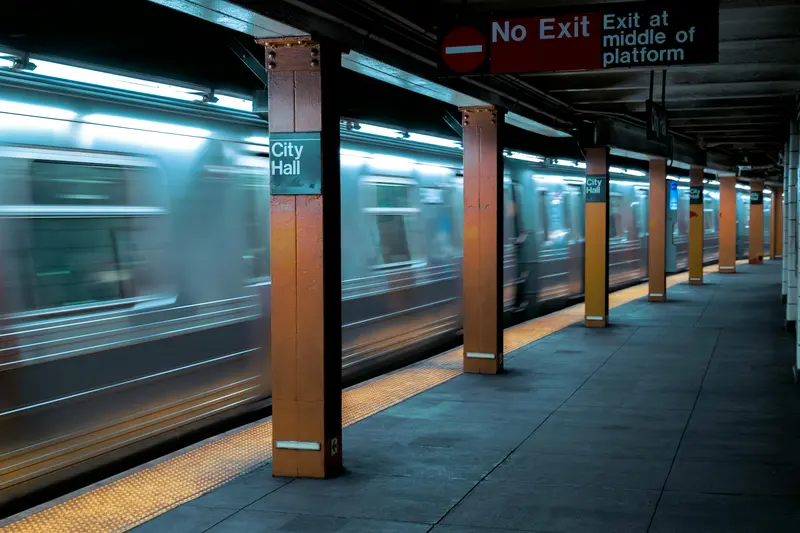
    A New York City subway train beside the platform

    Food strategy: protect the trip, not just the restaurant list

    New York is ideal for mixing meal styles. A bagel or bakery breakfast, slice or food-hall lunch and one reserved dinner can create variety without blowing the budget. Plan meals by neighbourhood instead of travelling across Manhattan for every famous restaurant. If a place has become an attraction in its own right, ask whether the waiting time is worth sacrificing part of your only afternoon in that district.

    A useful rhythm is one planned meal and one flexible meal per day. This gives you a reason to explore but still lets the itinerary respond to hunger, weather and energy. Keep a backup option near the hotel for the evening when everyone is too tired to cross the city for a reservation that seemed exciting months earlier.

    When to go and how the season changes the itinerary

    Spring and autumn are excellent for walking but highly variable. Summer can be hot and humid, which makes parks and waterfront evenings valuable but changes how much street walking feels comfortable. Winter is atmospheric but cold snaps and wind affect outdoor plans. In every season, have one indoor replacement ready: New York has enough museums, markets and cultural venues that weather does not need to ruin a day.

    Instead of asking only for the “best month,” decide which compromise you prefer: better weather, smaller crowds, longer daylight, lower prices or a particular event. No season maximizes all five. The itinerary should change with daylight and temperature, especially when major parts of the day are outdoors.

    Budget: where spending makes the biggest difference

    New York’s accommodation, taxes, food and ticketed attractions can make the total climb quickly. The best budget control is not necessarily sleeping far away; a cheaper hotel that adds two long subway journeys per day may cost valuable time. Choose a few paid anchors and use parks, neighbourhood walks, public waterfronts and skyline viewpoints to fill the rest. Our flight-booking strategy can also help if transatlantic airfare is a major part of the budget.

    The smartest upgrades are usually the ones that buy time or remove friction: a better-located hotel, a direct airport transfer after an overnight flight, a timed ticket that prevents a wasted queue or a taxi at the end of an exhausting day. Cut costs on low-value extras before cutting the parts that make the route workable.

    New York Midtown Manhattan Aerial View In Twilight

    Common mistakes that make the trip harder

    • Treating Manhattan as small enough to walk end-to-end while also completing a full sightseeing schedule.
    • Booking several observation decks on a short trip without a specific reason.
    • Ignoring planned subway service changes, especially at weekends.
    • Making every meal a cross-city “must eat” and losing neighbourhood time to travel and queues.
    • Putting the Statue of Liberty, a large museum and a Broadway show into the same tightly timed day.

    None of these mistakes is catastrophic, but several together can make a trip feel much more tiring than necessary. The solution is usually to remove one commitment, shorten one transfer or move one attraction to a future visit.

    Families, older travellers and mixed-age groups

    With children, Central Park, ferries and waterfronts are valuable pressure-release spaces between dense city experiences. For older travellers, prioritize a hotel close to an accessible station and use the MTA elevator-status tools because not every station has step-free access. New York can still involve a lot of standing, so schedule seated meals and avoid chaining together several attractions with security lines.

    For mixed-age groups, decide in advance which experiences are “everyone together” moments and which are optional. It is often better to split for two hours and meet for lunch than to force every traveller through an activity that only part of the group enjoys. Build seating, toilets, shade and simple transport into the plan with the same seriousness as the famous sights.

    Useful official resources

    Opening hours, transport rules, closures and visitor procedures can change. Before the trip, confirm the details that affect your dates through official sources rather than relying only on an old screenshot or social-media post.

    Final planning checklist

    • Confirm entry requirements and travel documents for your nationality and transit route.
    • Book only the scarce or high-priority attractions first; keep lower-priority activities flexible.
    • Check the exact door-to-door route from your accommodation to the first two morning activities.
    • Save offline copies of essential bookings and the hotel address.
    • Build a weather alternative for at least one half-day.
    • Leave a realistic buffer before flights, long-distance trains and non-refundable reservations.
    • Pack for the walking and climate the itinerary actually involves, not only for photographs.
    • Recheck official transport and attraction information shortly before travel.

    The best first visit is not the one that proves you saw everything. It is the one that gives you a clear sense of place, enough energy to notice what is around you and at least one reason to come back. Use this itinerary as a framework, then remove anything that does not match your own interests, mobility or travel rhythm.

  • Winnipeg in 4 Days: The Forks, Human Rights Museum and Prairie Culture Beyond a Canada Stopover

    Winnipeg in 4 Days: The Forks, Human Rights Museum and Prairie Culture Beyond a Canada Stopover

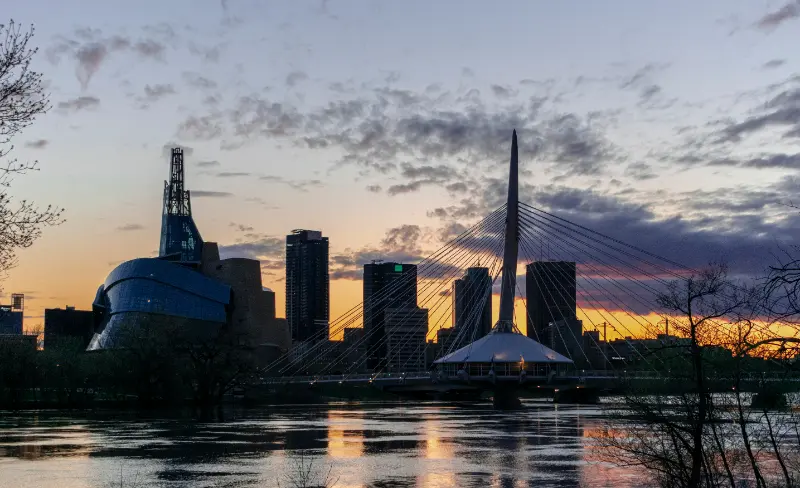
    Winnipeg is easy to overlook between Canada’s better-known coastal cities, but that misses a destination shaped by Indigenous, Métis, francophone and immigrant histories at the meeting of the Red and Assiniboine rivers. The city has major national museums, strong architecture, food, parks and extreme seasonal contrasts. Four days gives you time to understand The Forks and central neighbourhoods while also seeing how much the weather changes the way Winnipeg is experienced.

    If Winnipeg is part of a wider journey, compare the pace with Manitoba in 8 Days: Winnipeg and Riding Mountain Without Trying to Add Churchill. Use that wider article for route decisions; this guide focuses on making the city itself work once you arrive.

    Quick trip summary

    • Ideal stay: 4 days for a first visit.
    • Best approach: one major experience per half-day, with one flexible block for weather, fatigue or transport changes.
    • Good for: couples, solo travellers, families, older travellers and mixed-age groups who prefer realistic pacing.
    • Main planning risk: underestimating local transport, climate or the time needed for the destination’s main experience.

    Is Winnipeg the right trip for you?

    Winnipeg makes a rewarding city break if you are curious about Canada’s stories as well as its sights. The Forks, the Canadian Museum for Human Rights and Qaumajuq each reveal something different. Choose the museums or neighbourhoods you care about most, then let the season decide how much outdoor walking you add between them.

    Winnipeg is especially rewarding when you resist copying an itinerary designed for a different city. Distances, climate, opening patterns and local transport shape the day. Count arrival and departure honestly: if you reach the hotel after lunch, treat that as an orientation evening rather than pretending it is a complete sightseeing day.

    Where to stay

    Area Why choose it
    The Forks / downtown Best for first visits, museums, river walks and easy access to major attractions.
    Exchange District Strong for architecture, restaurants, galleries and evening atmosphere.
    Osborne Village More residential and lively, suitable for travellers who want cafés and nightlife outside the business core.
    Saint-Boniface Useful for francophone history and a quieter base across the river from downtown.

    Staying downtown puts the Exchange District, The Forks and several major cultural sites within reach, though the exact journey can feel very different in January and July. In winter, ask about sheltered entrances, nearby transport and parking arrangements. In any season, check recent reviews for noise and confirm accessible access if you need it.

    How to get to Winnipeg

    Winnipeg James Armstrong Richardson International Airport is relatively close to central neighbourhoods, making taxi and ride-hailing transfers straightforward. VIA Rail and long-distance bus options exist but distances across the Prairies are substantial. If Winnipeg is part of a longer Canada trip, compare flying and rail by total journey time rather than assuming the train is a quick intercity option.

    Arriving by air is usually straightforward, but Winnipeg’s coldest weather changes the details: you may not want to stand outside comparing transport options with your luggage. Save the hotel address and plan the first ride before landing. If you arrive by rail, check the station and timetable carefully; Prairie distances make rail travel a different proposition from a short city hop.

    Getting around

    Downtown, The Forks and the Exchange District can be combined on foot in suitable weather, while buses and taxis cover longer trips to Assiniboine Park and other neighbourhoods. Winter changes everything: cold, snow and ice can turn short walks into serious outdoor exposure, so use indoor routes, buses and cars more generously when conditions demand it.

    You can cover The Forks and parts of downtown on foot when the weather is kind, so a multi-day bus pass may not earn its keep. Work out which days need a bus to Assiniboine Park or another farther neighbourhood, then compare those fares with pass options. In deep winter, the extra comfort of fewer outdoor transfers matters as much as price.

    A realistic 4-day itinerary

    Treat Winnipeg as a four-day plan with two versions: one for easy walking weather and one for serious cold. The Forks and the Human Rights Museum remain central to both, but the park, river paths and outdoor activities may swap places with indoor galleries. Check seasonal opening details, especially for skating areas and nature trails, shortly before you go.

    Day 1 – The Forks and river meeting place

    Begin at The Forks, a gathering place with thousands of years of Indigenous history. Explore the market, river paths and interpretive spaces rather than treating it as only a food hall. Walk toward Saint-Boniface or the downtown bridges if weather is comfortable.

    Day 2 – Canadian Museum for Human Rights and downtown

    Give the Canadian Museum for Human Rights several hours; it is not a museum to rush between breakfast and lunch. Afterwards keep the rest of the day light with nearby architecture, river views or a simple dinner. The emotional weight of the galleries makes an overloaded evening unnecessary.

    Day 3 – Exchange District, Qaumajuq and Manitoba culture

    Explore the Exchange District’s historic commercial architecture, then choose the Winnipeg Art Gallery–Qaumajuq or Manitoba Museum depending on your interests. If you visit Qaumajuq, take time with Inuit art and interpretation rather than using it only as an architectural stop.

    Day 4 – Assiniboine Park or a seasonal outdoor day

    Use the final day for Assiniboine Park, The Leaf and, if it suits your interests, the zoo. In winter, consider skating and seasonal trails at The Forks when officially open; in warmer months, FortWhyte Alive or cycling can replace indoor time. Let season determine the itinerary rather than forcing the same plan year-round.

    Assiniboine Park can easily occupy more of the day than planned, particularly if you add The Leaf or the zoo. Choose the part that interests you most and give it time. In winter, make the journey back to your hotel part of the plan before the light fades; in summer, enjoy the extra daylight without packing in another distant stop.

    How many days do you really need?

    Two days give you time for The Forks and one major museum, but little room to explore the rest of the city. With three, add the Exchange District or Qaumajuq. Four days allow a park visit as well, while a fifth day might be better spent trying local restaurants and revisiting a neighbourhood than rushing into a long regional trip.

    If Winnipeg comes between two long travel legs across the Prairies, an extra night can be worth keeping simply to recover and enjoy the city properly. Arriving late and leaving early should not count as two sightseeing days. Think about the rail or flight schedule before trimming your stay; this part of Canada does not reward optimistic transfer assumptions.

    Best time to visit

    Winnipeg has genuine four-season travel. Summer brings long daylight and warm temperatures; winter can be extremely cold but also supports skating and winter culture. Spring can be variable and wet, while autumn is crisp and attractive. Packing decisions matter more here than in many city breaks, so check the forecast shortly before departure.

    Choose your season for the experience you want. Long summer days make it easy to combine The Forks with parks and outdoor dining, while winter offers a distinctive city atmosphere if you prepare for severe cold. Look up the dates of any festival or seasonal activity that matters to you before booking; not every outdoor experience runs all winter.

    Where and what to eat

    Winnipeg’s diversity is reflected in Ukrainian, Filipino, Indigenous, Métis and many other food traditions. The Forks is an easy introduction, but include neighbourhood restaurants beyond the market. Local favourites and bakeries are often casual, so not every memorable meal needs a reservation.

    Food is a good way to explore Winnipeg’s different communities, from the market stalls at The Forks to small neighbourhood restaurants. Leave some lunches open so a museum visit can take the time it deserves. If someone in your group has dietary restrictions, find a couple of suitable places near the hotel before you arrive, especially for cold evenings.

    Travelling with children

    The Manitoba Museum, The Forks, Assiniboine Park and The Leaf give families strong options. In winter, limit exposure and plan warm indoor intervals before children become uncomfortable. Summer requires sun and mosquito awareness for outdoor spaces.

    For children, mix a cultural visit with a place to move around. The Forks or Assiniboine Park can balance a museum-heavy morning, while The Leaf offers a change of scene in colder weather. Winnipeg’s winter temperatures demand short outdoor stretches and reliable warm-up stops; in summer, remember water, sun protection and insect repellent for parks.

    For older travellers and mixed-age groups

    A mixed-age Winnipeg group may enjoy the same museums but not the same amount of standing or walking. Choose one shared activity each day and be relaxed about splitting up for an hour or two. A taxi between cultural sites can be a sensible expense when pavements are icy or someone would otherwise reach the next gallery too tired to enjoy it.

    Accessibility and mobility

    Major museums such as the Canadian Museum for Human Rights emphasize inclusive design, and modern attractions are generally accessible. Winter ice and snow can still make the outdoor route between accessible buildings difficult, so plan door-to-door transport when conditions are severe.

    Even where a museum entrance is step-free, the route from the hotel may be difficult after snow or freezing rain. Ask about accessible drop-offs, lifts and toilets at each attraction rather than assuming the journey is easy from a general accessibility label. If someone uses a mobility aid, plan transport from door to door in severe winter conditions.

    Budget: where to spend and where to save

    Spend on the museum or experience that brought you to Winnipeg, and choose a hotel that makes your most frequent journeys comfortable. You can keep costs down with walks around The Forks and the Exchange District when conditions allow. A taxi to Assiniboine Park may be better value than losing half the day to complicated connections.

    A Winnipeg budget needs to allow for the season. In winter, you may use more taxis and spend longer in cafés between visits; in summer, outdoor days are easier to keep inexpensive. Add museum admissions, snacks and a few unplanned rides to the hotel price before deciding whether a cheaper room on the outskirts really saves money.

    Safety and practical awareness

    The weather is part of Winnipeg’s practical safety picture. Check local forecasts before walking far in winter, wear footwear that grips on ice and use reliable transport if conditions are uncomfortable. In busier areas, take ordinary care of valuables and ask your hotel about current neighbourhood conditions rather than depending on an old online warning.

    Photography without turning the trip into a photo shoot

    The Forks offers lovely river views, but it is also a place with deep Indigenous history, not just a backdrop for photographs. Give the interpretation time and be thoughtful when taking pictures at cultural and memorial spaces. In winter, keep your camera or phone protected from the cold and avoid stepping onto ice unless the route is officially open.

    Responsible travel and local rhythm

    Make time for the stories told by Winnipeg’s Indigenous, Métis and immigrant communities, whether through a museum visit, an exhibition or a locally run business. Buy artwork from reputable sources that identify the maker, and respect signs about photography. At The Forks and in park areas, follow marked routes rather than creating shortcuts through sensitive spaces.

    A respectful visit does not require a special performance from the city or the people who live there. Listen when a guide or exhibition explains the meaning of a place, support local businesses where you can and do not crowd memorials for photographs. Winnipeg is richer when you notice the communities behind its buildings and public spaces.

    Common mistakes to avoid

    • Underestimating winter cold because a downtown walk looks short on a map.
    • Giving the Canadian Museum for Human Rights only an hour.
    • Staying entirely indoors in summer and missing the river paths and parks.
    • Assuming Winnipeg is only a practical stop before travelling farther north.
    • Planning the same itinerary in January and July without seasonal adjustments.

    The mistake visitors often make is copying a mild-weather itinerary into a Prairie winter. Walking from one attraction to another may look easy on the map, but wind, snow and icy paths can change the day entirely. Another is trying to fit the Human Rights Museum into a spare hour; give its exhibits the attention they deserve.

    A slower experience worth protecting

    Spend an unhurried evening at The Forks, eating from local vendors and walking the river paths or seasonal trail instead of treating the area as a daytime attraction only.

    What to pack for this trip

    Pack for Winnipeg’s actual forecast, not simply for the month written on the calendar. Winter calls for serious insulation, gloves and boots that handle snow and ice, while summer needs comfortable walking shoes, sun protection and something for mosquitoes in green spaces. A small day bag helps you manage layers as you move between indoors and outdoors.

    Booking strategy: what deserves advance reservations?

    Check the opening schedule for the Human Rights Museum, Qaumajuq and any special exhibition you really want to see. Seasonal activities at The Forks and Assiniboine Park deserve their own check because dates and conditions can change. Book a limited-capacity event early, then leave markets, cafés and ordinary neighbourhood walks unreserved.

    Before paying for an outdoor winter activity, find out what happens if the weather or ice conditions make it impossible. The same goes for a summer nature outing affected by storms. A booking you can move is useful here; Winnipeg’s climate is one reason to avoid joining every day with back-to-back, non-refundable commitments.

    How to make the four days feel less rushed

    Keep one major event or museum as the day’s centre, then decide what to add when you see how long it takes and what the weather is doing. If Qaumajuq holds your attention, skip a second gallery rather than hurry through both. In winter, even the journey between attractions deserves a little more time than an online map suggests.

    Winnipeg’s distances are not only measured in kilometres. A short summer walk along the rivers can be a pleasure; the same route in biting wind or after snowfall may be the wrong choice entirely. Use the bus, a taxi or a short indoor break when you need to. Getting around comfortably is part of enjoying the destination.

    Official information to check before you go

    Opening days, transport, weather-sensitive access and event schedules can change. Recheck the details that control fixed reservations shortly before travel, especially during public holidays, major festivals or severe weather.

    How to adapt the itinerary

    With less time: keep Day 1 and the single experience from Days 2–3 that matters most to you. Do not compress all four days into two.

    With more time: add one carefully chosen excursion or a slower neighbourhood day rather than extending every sightseeing day.

    For a group spanning grandparents, parents and children, choose a shared highlight such as The Forks or a museum with something for everyone. Then allow different interests to take over for a while: one person might explore art, another pause in a café and the children enjoy an open space. Meet again for a meal rather than expecting everyone to move at the same pace.

    Final planning checklist

    • Confirm passport, visa, entry and transit requirements for your nationality.
    • Choose accommodation for location and repeated journeys before room size alone.
    • Reserve only the attractions or excursions that genuinely control the day.
    • Save offline copies of tickets, hotel details, insurance information and essential addresses.
    • Check the exact airport, station, bus terminal, pier or pickup point before arranging transfers.
    • Keep one flexible half-day for weather, fatigue or something discovered after arrival.
    • Recheck official opening information and local transport shortly before each fixed day.
    • Carry clothing and footwear for the real climate and walking surfaces, not only the average forecast.

    Final thoughts

    Winnipeg works best when you give its main experiences enough space and allow the rest of the destination to appear between them. Four days are long enough to understand the place without pretending that every surrounding attraction belongs in the same trip.

  • Los Angeles in 5 Days: Downtown, Hollywood and the Westside Without Driving Across the City Twice a Day

    Los Angeles in 5 Days: Downtown, Hollywood and the Westside Without Driving Across the City Twice a Day

    Los Angeles deserves a trip built around geography and real travel time rather than a checklist. Los Angeles is difficult mainly when you plan it as a list instead of a map. Santa Monica, Downtown, Hollywood, Griffith Park, Beverly Hills, museums and theme parks can all fit into five days, but not if you cross the city several times each day. A good first itinerary groups the city into zones, uses Metro where it genuinely saves effort and accepts that one major attraction can be enough for an afternoon.

    If this destination is part of a longer journey, compare the pacing with California Road Trip in 10 Days: San Francisco, Yosemite and the Central Coast Without Driving Every Day. The useful question is not how many famous names fit on the map, but how much usable holiday time remains after transfers, check-in, meals, weather and rest.

    Quick trip summary

    • Recommended time: 5 days.
    • Best planning principle: group each day by geography and protect only the reservations that control access.
    • Best for: independent travellers, couples, families and slower-paced visitors who prefer a realistic rhythm.
    • Keep flexible: at least one half-day or one major activity that can move with weather, traffic or energy.
    • Book first: the accommodation location, scarce transport and any permit, timed entry or signature experience that shapes the rest of the trip.

    Is Los Angeles the right trip for you?

    Los Angeles works for travellers with very different interests: film, food, beaches, museums, architecture, sports, theme parks and neighbourhood culture. That variety is also the trap. The city rewards people who choose two or three priorities and stay in a location that reduces their most frequent journeys. You do not need a car for every day, but you do need a transport strategy.

    The practical test is simple: decide what would make you disappointed if you missed it, then build the trip around that one or two priorities. Everything else should earn its place by fitting the same area of the day. This is especially important when travelling with children, older relatives or anyone who enjoys a slower pace.

    Where to stay: choose location before hotel style

    BaseWhy choose it
    Hollywood / Koreatown / central corridorBest for Metro access and balancing Downtown with Hollywood and museum areas; choose the exact block carefully rather than the neighbourhood name alone.
    Santa MonicaBest for beach-focused trips and a walkable evening base, but less efficient for repeated early starts in Downtown or the eastern side.
    Downtown Los AngelesBest for rail connections, museums, sports and short visits focused on central neighbourhoods; hotel location and evening plans matter more than a generic DTLA label.

    A more attractive room is not always a better travel decision. Before booking, map the first activity of the morning, the likely dinner area and the departure route. If the hotel adds two unnecessary transfers every day, the hidden cost is time as well as money.

    Los Angeles Hollywood Sign On Hillside

    A realistic 5-day itinerary

    Day 1: Downtown and the historic core

    Start around Grand Central Market, Broadway, Bunker Hill or the Arts District depending on your interests. Use rail and walking rather than moving the car between each stop. One major museum or cultural venue is enough; the value of Downtown is the mix of architecture, food and neighbourhood transitions.

    Day 2: Hollywood and Griffith Park

    See the Hollywood landmarks you actually care about, then move toward Griffith Observatory for late afternoon or sunset if conditions are clear. The Walk of Fame is a corridor, not a full day. If Universal Studios is a major priority, give it a separate day instead of trying to combine it with Griffith and several museums.

    Day 3: Museum Row, West Hollywood or Beverly Hills

    Use the day for LACMA-area museums, the Academy Museum, La Brea Tar Pits or nearby districts. The expanded Metro network improves access to parts of Wilshire, but check the exact station for your chosen venue. Group nearby stops rather than driving to the coast for lunch and back inland for dinner.

    Day 4: Santa Monica and Venice

    Take the E Line or drive once to the Westside, then stay there. Walk or cycle part of the beach path, see Santa Monica Pier if it interests you and continue toward Venice at a comfortable pace. Sunset is the natural anchor, so avoid booking a distant evening event that forces you back into traffic.

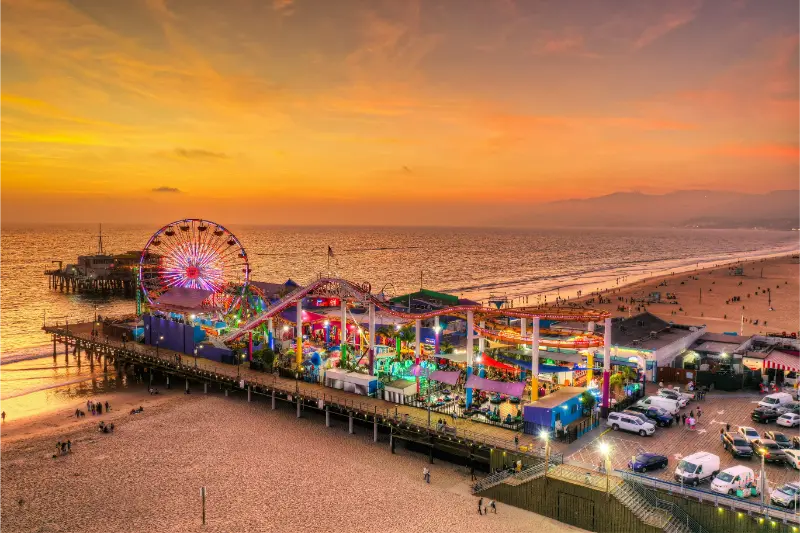
    Santa Monica Pier, its Ferris wheel and the coast at sunset

    Day 5: choose one big experience

    Use the final day for Universal Studios, a studio tour, Malibu, Pasadena, another museum cluster or a neighbourhood food day. The right choice depends on the rest of your California trip. Do not choose a far-flung stop simply because it is the last famous name left on the list.

    How to move around without wasting the day

    Los Angeles is no longer a city where visitors should assume every journey requires a car. Metro rail works well for several major corridors, and the network has expanded significantly. Cars remain useful for Malibu, dispersed neighbourhoods and some late-night or multi-stop days. Mix modes: use rail for predictable cross-city corridors and a car or rideshare only when it clearly improves the route.

    Do not judge a journey only by kilometres. A short distance can include traffic, security, parking, boat boarding, luggage handling or a long final walk. For every important transfer, think in door-to-door time and keep a margin before anything expensive or difficult to replace.

    Best time to visit

    LA is a year-round destination, but weather varies by coast and inland neighbourhood. Summer beaches can be cooler than inland areas, while autumn heat events are possible. Winter can bring rain, and marine cloud can hide morning coastal views before clearing later. Wildfire smoke or heat can occasionally change outdoor plans, so check conditions for hikes and viewpoints on the day.

    Seasonal advice should guide the style of the trip, not become a promise. Climate averages cannot tell you the exact conditions on your dates. Check the local forecast and any official closure, transport or safety notice again shortly before each weather-sensitive day.

    Los Angeles Hollywood Boulevard Street Signs

    What to book first

    Reserve theme parks, studio tours, high-demand museum exhibitions and major sports or concert tickets first. Many neighbourhood days need no reservation at all. Parking is an important booking detail: if a hotel charges a high nightly rate and you only need a car for two days, renting for the whole stay may be wasteful.

    After those anchors are secure, leave ordinary meals, short walks and secondary sights open. A timetable with every hour reserved is fragile: one delay turns the rest of the day into a sequence of apologies and missed slots.

    Food strategy: eat well without scheduling every meal

    Los Angeles rewards neighbourhood eating. Thai Town, Koreatown, Boyle Heights, the San Gabriel Valley, Sawtelle and countless other areas offer more than celebrity restaurants. Group meals with the geography of the day. Crossing town for a single famous taco or brunch can consume more time than the meal deserves.

    For a multi-age group, a reliable breakfast and an easy lunch often matter more than one additional attraction. Keep water accessible, avoid waiting until everyone is exhausted to look for food and use meal stops as genuine rest rather than another item to complete quickly.

    Travelling with children

    Families should resist the temptation to combine a theme park with an evening of heavy sightseeing. Pick one major anchor and add a park, beach or easy meal around it. Metro can be useful because children do not spend the entire day strapped into traffic, but station access and the last-mile walk should be checked in advance.

    Children do not need a simplified version of every adult attraction. They usually need a different rhythm: movement, shade, snacks, toilets and periods when nobody is asking them to pay attention. Protect those needs and the whole group usually sees more, not less.

    Travelling at a slower pace or as a senior

    For older travellers or anyone with limited mobility, Los Angeles works best with fewer districts per day. Choose hotels near the attractions you value, use rideshare for awkward last-mile connections and avoid peak heat for exposed walks. Beaches can involve long distances across sand; accessible paths and piers may provide the better experience.

    When mobility or stamina is limited, reduce transitions before reducing experiences. One well-located base, a direct transfer and a shorter route often preserve the most memorable parts of a trip far better than trying to keep the original schedule with longer rest stops.

    Budget: where the money really goes

    Accommodation, parking and attraction tickets are the largest costs. A hotel with a lower room rate can become expensive after parking and rideshare. Metro fare is comparatively predictable, so a transit-oriented base can reduce the total. Theme parks are effectively full-day budget items and should be compared with the rest of the trip, not treated as a small add-on.

    Los Angeles Hollywood Boulevard Street Sign

    Track the total cost of each planning choice. A lower hotel rate can be false economy after taxis, parking or long transfers, while a more expensive excursion may be reasonable if it replaces a rental car, guide and separate admission fees. Compare complete days rather than isolated prices.

    Weather fallback plan

    Keep Griffith Observatory, Malibu and long beach walks flexible around visibility and heat. Museums are natural fallback days. If air quality is poor, replace a strenuous outdoor hike rather than trying to complete the plan anyway. Coastal conditions and inland heat can differ substantially on the same day.

    The useful fallback is not a list of random indoor attractions. It is one realistic substitute that fits the same area or preserves the next day. Keep at least one activity movable so a poor forecast does not force you to choose between losing money and doing something unsafe.

    Connectivity, cash and small practical details

    Use a TAP card or the current Metro payment method and check live service information before major rail journeys. Save hotel parking instructions because entrances can be confusing on busy streets. Do not leave luggage or visible valuables in a parked car, especially when moving between hotels or road-trip stops.

    Save hotel addresses, tickets, permits, insurance details and the next transfer outside your email app. Offline access matters most precisely when the network is weak, your battery is low or you are trying to solve a delay.

    What to pack

    Bring layers because coastal evenings can feel cool even when inland afternoons are hot. Comfortable shoes matter because museums and neighbourhood walks add up. Sun protection is essential. If you plan a road-trip continuation, keep a separate small day bag so luggage stays out of sight in the trunk.

    A small day bag should hold water, medication, sun or rain protection and the layer you are most likely to need. The goal is not to carry everything; it is to avoid having the useful items locked in a suitcase or parked car when conditions change.

    Common mistakes to avoid

    • Staying far from your priorities because the hotel looked cheap on a city-wide map.
    • Driving from Downtown to Santa Monica and back to Hollywood on the same sightseeing day.
    • Renting a car for five days without calculating hotel parking and actual car-use days.
    • Treating the Walk of Fame as a full-day attraction while cutting time from Griffith or museums.
    • Leaving luggage visible in a parked vehicle during a road-trip transfer day.

    Responsible travel and local etiquette

    Use public transport when it fits, respect residential parking restrictions and do not block sidewalks or viewpoints for photos. Beaches and hiking areas need the same leave-no-trace habits as national parks. In neighbourhoods known for food and culture, spend money locally instead of treating the area as a drive-through photo stop.

    The best rule is to treat the destination as a real place rather than a stage built for visitors. Follow staff and ranger instructions, respect residential space and protected environments, and spend with businesses that add genuine local value instead of rewarding the most aggressive sales pitch.

    Los Angeles Hollywood Boulevard At Night

    If you have less or more time

    With three days, choose Downtown, Hollywood/Griffith and the Westside. Four days adds a museum or theme-park day. A week allows Malibu, Pasadena, more food neighbourhoods and a slower beach day without constant cross-city travel.

    Extra days are most useful when they reduce pressure. Before adding another distant stop, ask whether the trip improves more by sleeping in the same place, repeating a favourite beach or neighbourhood, waiting for better weather or enjoying a late breakfast without watching the clock.

    How to choose between similar experiences

    Choose Santa Monica as a base if the ocean is central to the trip; choose a central corridor if museums, Hollywood and Downtown matter equally. If deciding between Universal and a studio tour, remember they are different: Universal is a full theme-park experience, while a studio tour can be shorter and more focused on production history.

    When two options offer a similar experience, choose the one that fits the geography and energy of the day. The extra hour of transfer rarely creates an extra hour of enjoyment, especially in heat, traffic, rough water or at altitude.

    Safety and decision-making on the day

    LA requires normal big-city awareness, especially late at night and around parked vehicles. The more common visitor problem is traffic fatigue: do not add another cross-town drive when the group is already tired. On hikes, carry water, check heat and trail conditions, and avoid assuming an urban location means rescue or shade is immediately available.

    Local warnings, ranger instructions and transport operators have more value than an itinerary written months earlier. Set a practical turnaround time for hikes, drives and water days, and change the plan when conditions deteriorate rather than trying to complete the original checklist.

    Useful official and planning resources

    Opening hours, protected-area rules, transport schedules, fees and visitor procedures change more often than the landscape. Recheck the source below shortly before departure.

    Final planning checklist

    • Confirm passport, visa, transit and health requirements for your nationality.
    • Reserve the transport, permit or timed entry that controls the rest of the itinerary.
    • Check how luggage moves between airport, road transfer, ferry, train or accommodation.
    • Download offline maps and save key tickets outside your email app.
    • Recheck weather, sea, road, trail or park notices before each critical day.
    • Keep at least one half-day that can absorb a delay or become simple rest.
    • Leave a generous buffer before international flights and other costly connections.

    A good trip to Los Angeles should feel like you understood the place, not merely that you passed through it. Keep the transport anchors fixed, leave room for conditions to change, and remove anything that does not fit your interests, mobility or energy. The result is usually more enjoyable than the most ambitious version of the same route.

  • Eastern Canada in 12 Days: Montreal, Quebec City and Nova Scotia Without a Cross-Country Rush

    Eastern Canada in 12 Days: Montreal, Quebec City and Nova Scotia Without a Cross-Country Rush

    Canada’s size makes “east coast” an imprecise travel phrase. Montreal and Quebec City are inland along the St. Lawrence, while Nova Scotia opens onto the Atlantic; all can fit into a strong twelve-day trip, but not if you also add Toronto, Niagara, Prince Edward Island and Newfoundland. The route works best when you use rail between Quebec’s major cities, then fly or make one deliberate long transfer to Atlantic Canada.

    This itinerary gives Montreal three nights, Quebec City three and Nova Scotia five, with the remaining time used for the regional transition. It offers French-speaking urban culture, historic streets and an Atlantic road-trip finish without pretending eastern Canada is geographically small. The best version depends on flight availability, so build the open-jaw transport before reserving every hotel.

    Quick trip summary

    • Use rail for Montreal–Quebec City and collect a rental car only in Nova Scotia.
    • Give each Quebec city at least two full days.
    • Fly from Quebec/Montreal to Halifax if the alternative would consume an entire holiday day by road.
    • Use Halifax plus one or two Nova Scotia bases instead of changing hotels every night.
    • Do not add Newfoundland or Prince Edward Island unless you remove another region or extend the trip.

    Who this itinerary is for — and when to change it

    This route is designed for a first or early visit with a moderate pace. It assumes that you want the destination’s defining experiences without turning every day into an early start, late arrival and luggage transfer. Couples, solo travellers, families and mixed-age groups can use the same geographic structure, but the number of activities inside each day should change with mobility, climate, jet lag and personal interests.

    Before booking every attraction, identify the two experiences you would regret missing. Protect those first, then build the rest of the trip around them. Weather-dependent mountains, deserts, coastlines and wildlife experiences deserve flexible placement, while museums and neighbourhood days can often move more easily.

    Where to stay: choose the base before the hotel

    Accommodation is a transport decision as much as a comfort decision. Check how you will reach the first activity in the morning, how you will return after dinner, whether the property has lifts or parking, and what happens with luggage on transfer days. A cheaper room that creates two difficult journeys every day can cost more in taxis, time and energy than a slightly more expensive base in the right place.

    BaseWhy it works — and the trade-off
    Montreal: Old Montreal / downtown edgeEasy for first-time sights and transit; touristy in parts but highly convenient.
    Montreal: Plateau / Mile EndStrong food and neighbourhood atmosphere; less direct for luggage arrivals.
    Quebec City: Old Quebec / Saint-RochOld Quebec maximises atmosphere; Saint-Roch can offer better value and a more local evening feel.
    Nova Scotia: Halifax + one coastal baseHalifax handles arrival, museums and restaurants; a second base reduces backtracking on scenic road days.

    The four decisions that shape this trip most

    DecisionBest defaultWhen to change it
    Montreal–Quebec CityTrainDrive only if you have meaningful stops planned between the cities.
    Quebec to Nova ScotiaFlight for most 12-day tripsOverland makes sense only if New Brunswick is part of the actual holiday.
    Nova Scotia carYes after Halifax arrivalDelay collection if spending the first Halifax day entirely in the city.
    Coastal focusSouth Shore or Cape BretonTrying to do both deeply in five nights creates too much driving.

    Make these decisions before filling the calendar with attractions. They determine how many hotel changes, early starts and long journeys the trip contains. Once the structure is right, individual sightseeing choices become much easier to adjust.

    A realistic day-by-day route

    Days 1–3: Montreal by neighbourhood

    Keep arrival day around Old Montreal, downtown or your local neighbourhood.

    Use one full day for Old Montreal, the riverfront and central museums, then another for Plateau/Mile End, Mount Royal or food-focused exploration.

    Montreal is easy to enjoy without a car, so avoid renting one simply because the later part of the trip requires driving.

    Days 4–6: train to Quebec City and slow down

    Take the train to Quebec City and check in before walking the old town.

    Historic stone façades and a town square in Old Québec after dark

    Use one full day for Upper/Lower Town, fortifications, museums and river views. Hills and cobbles make the walking more demanding than it appears.

    Use the second full day for Montmorency Falls, Île d’Orléans or a slower neighbourhood day according to weather and mobility.

    Day 7: transfer to Halifax

    Fly if schedules are practical and treat the transfer as the day’s main event.

    Do not schedule a long Nova Scotia drive immediately after landing if the flight arrives late.

    Spend the evening in Halifax and collect the car the next morning if that reduces parking hassle.

    Days 8–11: Nova Scotia with one coherent road-trip direction

    Use one day for Halifax and nearby waterfront/history, then choose a coastal route. The South Shore can include Peggy’s Cove, Lunenburg and smaller communities; Cape Breton deserves more driving and is better with several nights.

    Move to one coastal base for two nights rather than sleeping in a different town each evening.

    Keep one weather-flexible day for coastal scenery, hiking, whale-related activities or a slower town visit. Atlantic conditions can change quickly.

    Day 12: departure from Halifax

    Return toward Halifax with a generous fuel and rental-car buffer.

    If your flight is early, sleep close to the city/airport on night eleven rather than ending with a long dawn drive.

    Avoid adding a final remote lighthouse simply because it appears close on the map.

    Pace check: if this stage runs late, remove the lowest-priority activity rather than stealing time from meals, sleep or the next transfer. A resilient itinerary should become simpler when something changes, not more frantic.

    Transport reality: plan door to door

    Rail is a comfortable default between Montreal and Quebec City because both cities are easier without a car. The leap to Nova Scotia is where scale becomes visible: a flight can preserve a full day compared with a long overland transfer. In Nova Scotia, a rental car gives the flexibility needed for coastal routes, but choose one section rather than tracing every shore. Road conditions, ferries and seasonal services should be checked close to travel, especially outside summer.

    Door-to-door time is the number that matters. Add hotel checkout, reaching the station, airport or pier, waiting, boarding, collecting luggage, local transport at the other end and the possibility that everyone needs food immediately after arrival. This is why a “two-hour flight” or “three-hour train” can consume most of a day. Our guide to building realistic 7-, 10- and 14-day itineraries explains how to treat transfer days honestly.

    Food strategy: make meals part of the route

    Montreal and Quebec City are strong food destinations, so avoid reserving every dinner before you know how much walking each day involves. Markets, bakeries and casual lunches help balance higher-cost meals. In Nova Scotia, seafood and small-town restaurants are part of the experience, but opening hours can be seasonal. Carry snacks on long coastal drives and refuel both the car and yourselves before rural stretches.

    One planned meal per day is usually enough. Keep another meal flexible so it can respond to where you actually are, not where an old itinerary expected you to be. With children, older travellers or very hot weather, eating before everyone becomes exhausted is often more important than reaching a restaurant that looked perfect months earlier.

    When to go and how the season changes the plan

    Summer offers the broadest operating season and warmest coastal weather, while autumn brings foliage and cooler conditions. Spring can be variable and some seasonal attractions open later than urban museums and restaurants. Winter is a completely different trip, especially in Quebec, and should not use this road-trip structure without adaptation. Atlantic fog, wind and rain can affect views even in summer, so keep coastal priorities movable.

    Montreal Biosphere Parc Jean Drapeau Quebec Canada

    Instead of searching for one universal best month, decide which compromise you prefer: better weather, fewer visitors, lower prices, longer daylight, beach conditions or seasonal scenery. No month maximises everything. Recheck short-term weather and official access information shortly before each critical outdoor day.

    Budget: where spending actually improves the trip

    The trip’s main financial choices are hotel rates in Montreal/Quebec City, the regional flight and Nova Scotia rental car. Delaying car pickup until Halifax can reduce parking costs. Open-jaw international flights—arriving in Montreal and departing Halifax, for example—may cost more initially but can save a domestic backtrack. Compare the full journey rather than airfare alone.

    The most useful upgrades are often logistical rather than luxurious: a hotel that removes a daily transfer, a direct ride after a long flight, a flexible ticket, an additional night in a weather-dependent region or a guide where interpretation genuinely adds value. Cut low-value extras before cutting the pieces that keep the route reliable.

    Common mistakes to avoid

    • Calling the itinerary “east coast” and then adding Toronto, Niagara, PEI and Newfoundland without extending the trip.
    • Renting a car in Montreal for days spent entirely in the city.
    • Driving Quebec City to Nova Scotia in one huge push without making New Brunswick part of the trip.
    • Trying to cover both the South Shore and Cape Breton deeply in only a few Nova Scotia days.
    • Ending a coastal drive immediately before an early Halifax flight.

    Most difficult trips are not ruined by one large mistake. They become tiring through a sequence of optimistic assumptions: a transfer that “should” be quick, a hotel that is “only” a kilometre away, a famous walk assumed to suit everyone and a dinner reservation across town after an already long day. Leave margin before you need it.

    Families, older travellers and mixed-age groups

    Montreal and Quebec City are easy to structure for families with parks, short transit hops and indoor attractions. Old Quebec’s hills and cobbles may require stroller planning. In Nova Scotia, children often enjoy beaches, boats and shorter lighthouse stops more than hours of scenic driving, so use a coastal base and reduce daily mileage. Older travellers should prioritise hotels with lifts and central locations, and choose viewpoints that do not require rough trails.

    For mixed-age groups, agree which experiences everyone will share and which can be optional. Splitting for two hours is often healthier than forcing the entire group through one person’s priority. Build seating, toilets, shade, step-free access and realistic meal times into the plan with the same seriousness as headline attractions. Our guide to travelling with parents and older adults develops this approach in more detail.

    If you have more or less time

    With fourteen to sixteen days, add Cape Breton or Prince Edward Island with several nights, not as a one-day detour. With nine days, use Montreal, Quebec City and Halifax/South Shore only. Newfoundland deserves its own flight and a separate block of time rather than being treated as a quick extension.

    When shortening the trip, remove an entire base before cutting every destination to one night. When lengthening it, add depth before distance. An extra morning in a place you already understand often produces a better memory than another multi-hour transfer to a new pin on the map.

    Useful official resources

    Opening hours, transport timetables, road conditions, trail rules and visitor procedures can change. Use official sources for the details that affect your exact travel dates and recheck them shortly before departure.

    Final planning checklist

    • Confirm passport, visa, entry and transit requirements for your nationality and route.
    • Book the genuinely scarce transport or accommodation segment before secondary attractions.
    • Check the exact luggage journey between bases, including stairs, ferries, station exits and rental-car rules.
    • Save offline copies of essential reservations, insurance details and each accommodation address.
    • Recheck weather, road, park, trail or transport notices shortly before each critical day.
    • Keep at least one flexible half-day that can absorb rain, fatigue, a delay or a cancellation.
    • Choose clothing and footwear for the actual surfaces and climate, not only for photographs.
    • Leave a generous buffer before international flights and other connections that are expensive to miss.

    The purpose of a good itinerary is not to prove that you covered the maximum distance. It is to make the important experiences easier to enjoy and to leave enough energy for the unexpected parts that become the best memories. Use this route as a framework, then remove anything that does not fit your interests, mobility or travel rhythm.

  • Niagara Falls in 4 Days: Canadian Falls, Gorge Walks and Niagara-on-the-Lake Without a One-Night Rush

    Niagara Falls in 4 Days: Canadian Falls, Gorge Walks and Niagara-on-the-Lake Without a One-Night Rush

    Niagara Falls is easy to visit badly: arrive, photograph Horseshoe Falls, spend one loud evening near Clifton Hill and leave. A four-day stay reveals a much broader destination. The falls change with light and weather, the gorge continues for kilometres, engineering history is unusually visible, and Niagara-on-the-Lake and wine country provide a complete contrast to the busiest tourist blocks.

    If this destination is part of a wider journey, compare the pacing with Ontario in 9 Days. Use the wider route for country- or region-level decisions and this guide for destination-level detail.

    Quick trip summary

    • Ideal stay: 4 days for a first visit.
    • Best approach: group each day by geography and keep one block flexible.
    • Good for: independent travellers, couples, families and slower-paced trips.
    • Main planning risk: underestimating local conditions, transfers, weather or walking effort.

    Is Niagara Falls the right trip for you?

    Niagara works for first-time Canada visitors, families, multi-generational trips and travellers who enjoy both natural sights and visitor attractions. The core area is accessible compared with many outdoor destinations, although gorge trails and some viewpoints involve stairs or uneven surfaces.

    Where to stay

    AreaWhy choose it
    FallsviewBest for iconic views and easy access to Table Rock, but usually the most expensive area.
    Clifton Hill / central tourist districtConvenient for families and entertainment, with a busier atmosphere into the evening.
    Downtown Niagara FallsQuieter in parts and useful for rail/bus access, but farther from the main falls.
    Niagara-on-the-LakeBest for a quieter wine-country stay; less convenient if your priority is seeing the falls at different times of day.

    Choose accommodation by the journeys you will repeat, not by a small difference in nightly price. Check the route to your first morning attraction, likely dinner area and departure point for any fixed excursion. Recent reviews about noise, climate control, lift access and luggage handling can be more useful than a generic star rating.

    How to get there

    Toronto is the most common gateway. Driving is straightforward outside peak traffic, while GO, VIA and regional services can connect with Niagara Falls depending on season and timetable. Once in the destination, WEGO buses link major visitor areas and attractions.

    Save the accommodation name and address offline before travelling. Keep arrival day low-risk and leave extra time for baggage, traffic, platform changes and finding the correct entrance.

    Getting around

    The main falls area is walkable, but the Niagara Parkway stretches far beyond it. Use WEGO, taxis, bikes where appropriate or a car for longer sections. Parking costs and traffic can make moving a car repeatedly less attractive than leaving it at the hotel.

    Compare journeys door to door rather than only looking at distance. Waiting time, stairs, traffic, weather and the final walk can matter more than the nominally fastest route, especially for families, senior travellers or anyone carrying luggage.

    A realistic day-by-day itinerary

    The schedule below is a framework rather than a rigid timetable. Recheck opening days, weather and local transport shortly before each block. If one major experience is closed or conditions are poor, move the entire block instead of forcing the rest of the trip to become inefficient.

    Day 1 – Horseshoe Falls, Table Rock and the park at different light

    Start with the Canadian Horseshoe Falls from Table Rock and walk through Queen Victoria Park. Do not rush to every attraction immediately. Return after dark for illumination if it is operating; seeing the water in morning light, afternoon mist and evening colour gives more value than another indoor attraction.

    Day 2 – Boat experience and Niagara Parks Power Station

    In the operating season, take the boat excursion early or at a less busy time, understanding that you will get wet despite protective gear. Pair it with Journey Behind the Falls or the Niagara Parks Power Station and tunnel rather than trying to do every premium experience in one day.

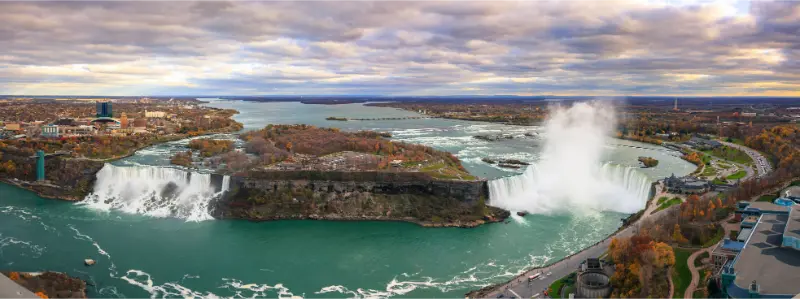
    Niagara Falls With Waves And Rainbows

    Day 3 – Gorge, Whirlpool and river geology

    Move north along the parkway. Choose the White Water Walk, Whirlpool area or Niagara Glen according to mobility and weather. Niagara Glen is a real hiking environment with uneven terrain, not a paved extension of the falls promenade. Keep the afternoon flexible.

    Day 4 – Niagara-on-the-Lake and wine country

    Use the final day for Niagara-on-the-Lake, historic streets and the surrounding agricultural landscape. Wine tasting should be arranged with a designated driver, organised transport or a tour. Families can replace winery visits with parks, heritage sites and food stops.

    Keep enough margin for meals, transport and an unscheduled stop. If this block runs long, remove the lowest-priority extra rather than turning the rest of the day into a race.

    Best time to visit

    Niagara is year-round, but the experience changes substantially. Summer has the widest attraction schedule and largest crowds. Autumn adds colour and harvest activity. Winter is cold, some boat operations stop, and ice can be spectacular. Spring is variable. Check individual attraction schedules rather than assuming all experiences operate every day.

    Do not choose dates from average temperature alone. Check daylight, rainfall or snow, local holidays, school breaks and major events. A slightly less famous month can be better if it gives you easier accommodation, comfortable walking conditions and fewer queues.

    Food and meal planning

    The region is more than chain restaurants near the falls. Niagara-on-the-Lake and the wider peninsula have wineries, farm markets, bakeries and restaurants built around local produce. Reserve one important meal and keep the rest flexible.

    Keep meal geography aligned with the day. Crossing the destination for a famous restaurant can waste more time than the meal adds. One carefully chosen reservation is usually more useful than building every sightseeing block around food bookings.

    One day trip or regional extension

    Niagara fits naturally into an Ontario trip with Toronto and Niagara-on-the-Lake. If you have more time, the wider peninsula, St Catharines and wine areas can justify extra nights. Do not treat Niagara as a detour that must be squeezed between two long driving days.

    A day trip should add a genuinely different experience. Measure it from hotel door to first attraction and back again, including waiting time, so a destination described as nearby does not quietly become a full transport day.

    How many days do you really need?

    Four days is a useful first-visit length because it gives the headline experiences their own space while protecting one flexible half-day. With only two days, remove the excursion before compressing the core sights. With five or six days, add a slower neighbourhood, second museum or nearby destination instead of extending every sightseeing day late into the evening.

    Think in half-days rather than individual attractions. A museum, historic complex, long market visit or excursion can consume much more time once transport, ticket queues, meals and rest are included. A realistic itinerary often looks modest on paper and feels much richer on the ground.

    Travelling with children

    Families have an enormous choice, which is exactly why overplanning is a risk. Pick one major falls experience, one fun attraction and one outdoor block each day. Leave space for mist, snacks and changing clothes.

    Families usually enjoy a destination more when each day has one anchor activity, one flexible stop and an obvious place to pause. Alternate long indoor visits or demanding walks with parks, viewpoints, markets or relaxed food stops.

    Niagara Falls At Sunset

    Senior travellers and a slower pace

    Senior travellers can enjoy the falls from well-developed viewpoints and use WEGO to reduce walking. Choose accommodation near the main journeys you expect to repeat. Gorge hikes can be skipped without losing the core experience.

    Do not let a four-day label force four full days of activity. A late start, long lunch or taxi across a difficult section can protect the experiences that matter most.

    Accessibility

    Many primary Niagara Parks attractions have accessibility information and paved approaches, but some natural areas do not. Check elevator status, boarding arrangements and trail conditions. Mist can make surfaces slippery even on paved areas.

    Accessibility changes not only by attraction but by route. Check lifts, ramps, surfaces, toilets, boarding procedures and the final distance from the drop-off point. Contact attractions directly when access information is unclear.

    Budget planning

    Premium attractions accumulate quickly. Decide whether your priorities are the boat, Journey Behind the Falls, power station, tower views or entertainment. You do not need all of them to understand Niagara. Walking the parkway and seeing the falls remains the central experience.

    Build the budget by day rather than only by accommodation night. Transport, timed attractions, tours and food in high-demand areas can cost more than the room itself. Keep a contingency for weather changes or a taxi when walking is no longer sensible.

    Tickets and reservations

    Reserve popular experiences in peak periods, but allow weather margin. If you plan a boat ride, avoid booking an immediate formal meal or long transfer afterward because you may need time to dry and change.

    Reserve the experiences that control the day, not every hour. Flexible blocks make it easier to react to weather, energy levels and temporary closures.

    Money and payments

    Carry more than one payment method and keep a small amount of local cash where useful. Card acceptance, tipping expectations and ATM fees vary, so check current local guidance rather than assuming the same rules apply across a whole country. Keep your main card and backup card in different places.

    Safety and situational awareness

    Stay behind barriers and marked paths. The river and gorge are powerful and dangerous, and unofficial viewpoints are not worth the risk. In winter, ice adds slip hazards; in summer, heat and crowds require water and patience.

    Use the same practical habits you would in any unfamiliar place: keep valuables unobtrusive, use licensed or well-reviewed transport, follow official warnings and avoid turning a beautiful viewpoint into a risky shortcut.

    How to handle bad weather or extreme conditions

    Build one movable block into the itinerary. In heat, shift the longest walk to morning or late afternoon; in rain, snow or strong wind, use a museum, market, long lunch or lower-level attraction as the flexible block. The goal is to reorganise the day rather than force the original order.

    Solo travel

    Solo travellers can simplify logistics by choosing a central base and joining a guided walk or small-group excursion only where it adds context or solves transport. Keep a charged phone, offline map and the accommodation address available without internet. Late at night, prioritise a simple route home over saving a small amount on transport.

    Evenings and downtime

    Do not turn every evening into another sightseeing shift. One planned dinner, performance, waterfront walk, market or neighbourhood stop is enough. Keeping some evenings light protects early starts and gives the trip the feeling of a holiday rather than a schedule that must be completed.

    Photography without turning the trip into a photo shoot

    Early morning and late afternoon often bring softer light and fewer people, but good travel photography comes from understanding a place rather than blocking it. Respect restrictions in religious, cultural and protected sites, ask before photographing people closely and never leave marked routes merely to recreate an image you saw online.

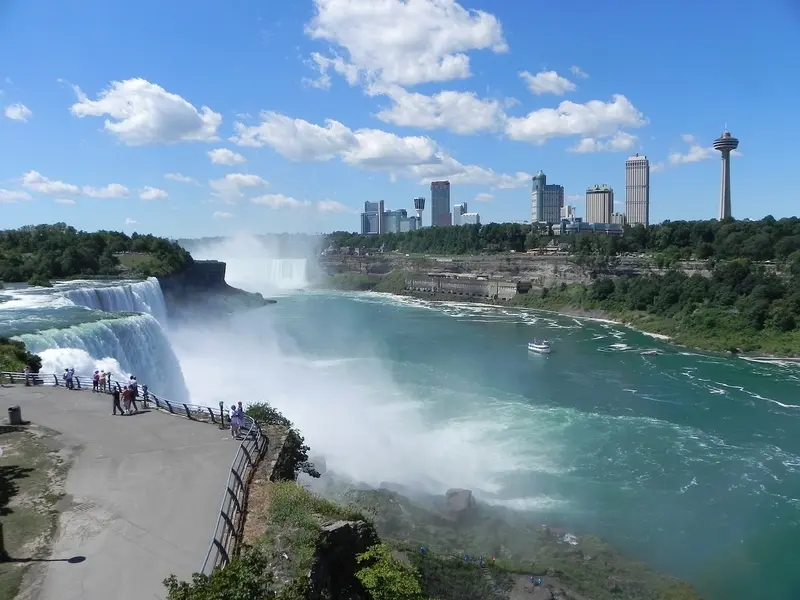
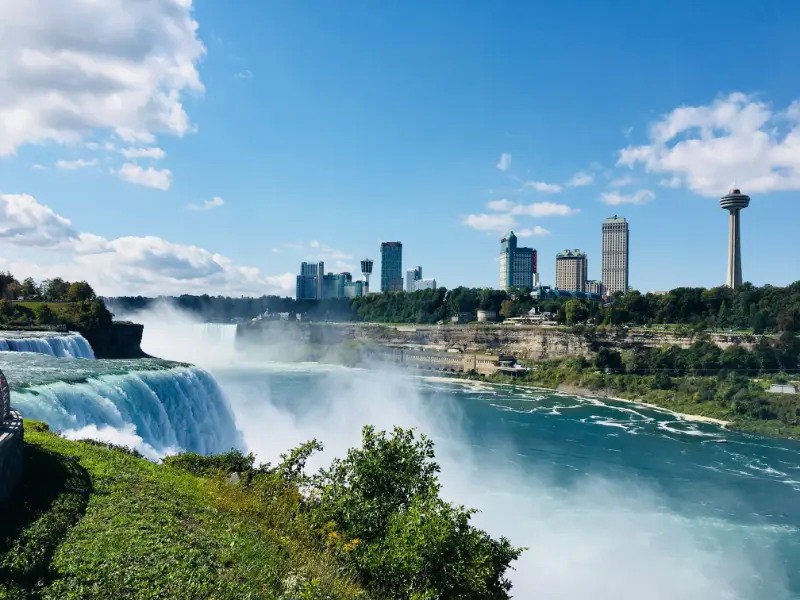
    Niagara Falls And Skylon Tower Ontario Canada

    Shopping and souvenirs

    Look for products connected to the destination rather than generic travel merchandise. Markets, museum shops and independent stores are often the easiest places to understand provenance. Check customs rules before carrying food, plants, animal products, antiques or unusually large quantities across borders.

    What to pack

    Bring a waterproof layer or clothes that dry quickly for falls experiences, comfortable shoes with grip and a spare layer. In winter, treat the mist zone as colder than the general forecast suggests.

    A small day bag is generally more useful than carrying the contents of a suitcase through museums, historic streets, trails or long walking routes. Keep medication, water and essential documents easy to reach.

    Common planning mistakes

    • Choosing accommodation by headline price without checking the repeated daily journey.
    • Booking a major attraction on arrival day with no margin for delays.
    • Crossing the destination several times because sights were listed by fame rather than geography.
    • Assuming a short map distance means an easy walk regardless of hills, heat, snow, rough surfaces or queues.
    • Keeping every day full and leaving no space for weather or fatigue.
    • Adding a day trip that duplicates a destination already scheduled later in the wider journey.

    Practical habits that make the trip easier

    • Save offline maps and the exact name of your hotel, station, terminal and meeting points.
    • Download tickets and confirmations before leaving reliable Wi-Fi.
    • Check the last practical return option before starting any excursion.
    • Carry a small amount of local cash even where cards are widely accepted.
    • Recheck opening hours and transport notices on the morning of any fixed reservation.
    • Keep one half-day flexible so a delay does not damage the rest of the trip.

    Final planning checklist

    • Confirm entry, transit and insurance requirements relevant to your nationality.
    • Choose accommodation by location, noise, access and transport as well as price.
    • Reserve only the attractions or excursions that genuinely control the day.
    • Keep offline copies of tickets, hotel details and important contact information.
    • Check the exact station, airport terminal, parking area or pickup point before travel.
    • Leave enough time for meals and unscheduled stops.
    • Recheck official information shortly before departure.

    Planning the days by geography

    Niagara Falls becomes easier when the itinerary is built around neighbourhoods, transport corridors or landscape zones instead of a ranked attraction list. Put sights that share the same streets, transit line or access road on the same day, then leave the final hours flexible. This reduces repeated transfers and makes it easier to stop for a meal, market, café or viewpoint that was not part of the original plan.

    Before each day, identify one experience that matters most and one that can be removed without regret. That simple hierarchy is more useful than a minute-by-minute schedule, particularly when weather, crowds or opening times change after you arrive.

    Arrival and departure day strategy

    Arrival and departure days are part of the trip but should not carry the same expectations as full sightseeing days. On arrival, prioritise checking in, eating, learning the immediate area and confirming the next morning’s transport. On departure, keep luggage logistics and the journey to the station, airport or onward road more important than squeezing in one last distant attraction.

    If your wider route continues elsewhere in Canada, confirm the exact station, terminal, road conditions or pickup point the evening before. Similar place names, multiple stations and seasonal timetables are common sources of avoidable stress.

    Final thoughts

    A strong trip is not the itinerary with the highest number of pins. It is the one that protects the experiences you care about, groups the day sensibly and leaves enough energy to notice what happens between attractions. Use this structure as a framework, then let weather, local events and your own pace decide the final order.

    Official information to check before you go

    Opening days, transport, weather-sensitive access and event schedules can change. Recheck the details that control fixed reservations shortly before travel, especially during public holidays, festivals or severe weather.

  • Puebla in 4 Days: Historic Centre, Talavera and Food Without Making It Only a Mexico City Day Trip

    Puebla in 4 Days: Historic Centre, Talavera and Food Without Making It Only a Mexico City Day Trip

    Puebla deserves enough time to feel like a destination rather than a box between two more famous places. 4 days give a first-time visitor room for the essential sights, neighbourhood life, meals and one flexible block without turning every morning into a race.

    If Puebla is part of a wider journey, compare the pace with Mexico in 10 Days: Mexico City and Oaxaca Without Trying to See the Whole Country. This city guide adds local depth rather than repeating the broader route.

    Quick trip summary

    • Ideal stay: 4 days for a first visit.
    • Best planning rule: group days geographically and protect one flexible half-day.
    • Best for: first-time visitors, couples, solo travellers, families and slower-paced travellers.
    • Main risk: using the city only as a gateway or adding too many day trips.

    Why 4 days works

    A useful city break is not a contest to collect the maximum number of attractions. The best plan groups places that naturally belong together, protects the one or two reservations that genuinely matter and leaves enough slack for meals, weather, queues and simple wandering. That matters for every traveller, but especially for families, older visitors and anyone who prefers to finish the trip with energy left rather than needing a holiday from the holiday.

    Puebla has enough contrast to justify a real stay, but it is still manageable when each day has a clear geographic focus. The itinerary below alternates heavier sightseeing with easier periods so it works for different ages, interests and energy levels rather than only for fast-moving travellers.

    Where to stay

    Area Why choose it
    Centro Histórico Best for first-time visitors who want to walk to the cathedral, museums, churches and many restaurants.
    Analco Close to the centre with a more neighbourhood feel and easy access to traditional market areas.
    Avenida Juárez / La Paz More modern hotels and restaurants, useful for travellers who value space and evening dining.
    Cholula A different base better suited to travellers prioritising the pyramid, university-town atmosphere and volcano views over central Puebla.

    Choose location before hotel style. Map the first morning, likely dinner area and departure route. A beautiful room that creates two extra transfers every day can cost more in time and energy than a slightly dearer room in the right district. Families should check room size, cot policy and lift access; light sleepers should read recent comments about street noise rather than trusting a neighbourhood label.

    A realistic 4-day itinerary

    Day 1: Zócalo, cathedral and tiled streets

    Begin around the Zócalo and cathedral, then explore the historic centre on foot, including streets where Talavera and colonial façades make the architecture itself part of the experience. Choose one museum or church interior rather than entering every building. Evening belongs in the centre after day visitors depart.

    Day 2: museums, markets and Puebla’s food culture

    Use the morning for a substantial museum or historic house, then move toward markets and traditional food. Puebla’s cuisine deserves more than a single mole tasting: share dishes, ask what is seasonal and leave enough time for a proper lunch rather than treating food as a snack between attractions.

    Day 3: Cholula without rushing both cities

    Spend a full or generous half-day in Cholula, focusing on the archaeological zone, churches, streets and views rather than trying to return for another packed Puebla programme. Weather can affect volcano visibility, so do not build the value of the outing around a guaranteed clear photograph.

    Day 4: crafts, quieter streets and a flexible finish

    Use the final day for Talavera-related workshops or shops, a second museum, Analco or anything missed earlier. If you are continuing to Oaxaca, keep the last afternoon easy and protect your intercity transport rather than adding another distant excursion.

    Arrival strategy

    Puebla is commonly reached overland from Mexico City and its airports, and road time can vary considerably with traffic. Compare the exact departure point of your bus or transfer with your arrival airport and hotel; “Mexico City to Puebla” is not a single fixed journey. If arriving after a long international flight, a comfortable connection is usually more valuable than squeezing another attraction into the first evening.

    Arrival day should carry less risk than the rest of the trip. Save the accommodation address offline, know the first transport option before landing and avoid a non-refundable attraction immediately after a flight, train or long road journey. If the journey is delayed, remove a secondary sight rather than beginning the holiday by rushing with luggage.

    Getting around efficiently

    The historic centre is highly walkable, but traffic and elevation changes make taxis or ride-hailing useful for some outer districts and Cholula. Local buses can work for experienced travellers, while families and senior visitors may prefer direct rides for longer legs. Keep central days compact and avoid repeatedly crossing the metro area.

    Compare routes door to door, not station to station. Waiting time, stairs, transfers and the final walk can make the nominally fastest option worse for a family, a senior traveller or anyone carrying luggage. Use transport to remove unrewarding distance and save walking energy for places where the surroundings are actually part of the experience.

    Best time to visit

    Puebla’s elevation moderates temperatures, but mornings and evenings can feel cool while midday sun is strong. The rainy season often brings afternoon or evening showers rather than constant rain; build museum and café options into each day. Festival periods and weekends can transform the centre, so check current local events before choosing dates.

    Seasonal planning should also consider daylight, local holidays, school breaks and whether your most important experience depends on clear skies, calm water or outdoor access. A shoulder-season trip is not automatically better if the one thing you came to do operates on a reduced schedule.

    What to book before arrival

    Book first the things that can genuinely break the itinerary if unavailable: a capacity-limited landmark, a specific long-distance connection, a guided experience with few departures or a weather-dependent excursion. Ordinary neighbourhood walks, markets and flexible museums should remain movable whenever possible. Leave a margin around timed entries so one slow meal or transport delay does not damage the rest of the day.

    Food strategy

    Puebla is one of Mexico’s strongest food destinations. Mole poblano, cemitas, chalupas and seasonal chiles en nogada are part of the story, but the best strategy is variety rather than eating every famous dish in one day. Mix markets, traditional restaurants and contemporary cooking, and leave room for sweets and coffee without making every stop a food challenge.

    Meals should also function as rest. A very good restaurant ten minutes from where you already are can be a better travel decision than a famous address requiring forty minutes of extra transport. Keep breakfast reliable, lunch practical and one or two dinners memorable rather than turning every meal into logistics.

    How to use food as cultural context

    Puebla’s food tells a story of indigenous ingredients, convent traditions, colonial exchange and regional agriculture. Instead of trying every famous dish in succession, ask what is seasonal and where it fits naturally. A market breakfast, traditional lunch and lighter evening can reveal more than three formal restaurants booked for reputation alone.

    Should you add a day trip?

    Cholula is the obvious extension and belongs inside this four-day plan. Do not add multiple pueblos, volcano excursions and Mexico City returns unless Puebla is your only base in central Mexico. If Oaxaca is next, protect the contrast by leaving some regional experiences for the onward journey.

    A day trip earns its place when it adds a landscape, historical layer or experience that the city cannot provide. It is less useful when it simply repeats a destination already included later in the same journey. Count total door-to-door time, not only the advertised train, ferry or driving time.

    Travelling with children

    With children, reduce transitions before reducing highlights. One substantial visit in the morning, an easy lunch and a park, waterfront, market or interactive stop in the afternoon usually works better than three formal attractions. Keep snacks, water and a simple exit route available. For babies and toddlers, check surfaces and stairs instead of assuming that ‘walkable’ means stroller-friendly.

    Travelling as a senior or at a slower pace

    For senior travellers or anyone who prefers a slower pace, remove low-value walking rather than removing the experiences themselves. Use public transport, taxis, lifts or short transfers where they save energy, then spend that energy on the historic streets, viewpoints, gardens and museums that justify the trip. Check hotel lifts, shower access and the exact entrance route to older attractions before booking.

    Budget planning

    Build the budget in layers: accommodation, airport or station transfer, local transport, fixed attractions, food and a reserve for weather or fatigue. A cheaper hotel is not automatically a cheaper trip if it creates repeated taxi rides or long commutes. If a tourist pass exists, calculate it against the exact attractions and journeys you will use rather than buying it because the discount headline looks impressive.

    Weather backup plan

    Before each day, identify one outdoor anchor and one indoor alternative. Move museums, covered markets and cafés into the worst weather window and protect the experience that most needs good visibility or dry conditions. Temperature alone is not enough: wind, humidity, rain intensity and daylight can completely change the practical value of a plan.

    Accessibility and mobility

    Accessibility varies sharply between modern transport and historic streets. If step-free access matters, verify the exact station exit, attraction entrance and hotel approach rather than relying on a general city label. Cobblestones, steep lanes, heat, sand and older buildings without lifts can be more limiting than the nominal walking distance.

    Connectivity, payments and practical details

    Download an offline map, save the accommodation address and keep screenshots or offline copies of critical tickets. A local eSIM or data plan can make live transport easier, but the day should not fail because a phone battery dies. Carry a backup payment method and a small amount of local currency where markets, taxis or small businesses may still prefer it.

    What to pack

    Comfortable walking shoes, weather-appropriate layers, sun or rain protection and a small day bag matter more than extra outfits. Add personal medication, a refillable bottle where practical and a compact power bank if navigation and tickets are digital. Pack for the destination’s real conditions, not only the headline temperature shown a week before departure.

    Common mistakes to avoid

    • Visiting Puebla only for a few hours from Mexico City.
    • Trying to combine central Puebla and every Cholula attraction in one rushed day.
    • Assuming volcano views will always be clear.
    • Ordering every famous regional dish at a single meal.
    • Ignoring traffic when planning bus connections back to Mexico City airports.

    Responsible travel and local etiquette

    Residential streets, markets, places of worship and working neighbourhoods are part of daily life, not open-air sets. Keep entrances clear, follow photography rules, dress appropriately where required and support local businesses when it fits naturally. In natural areas, respect marked routes, closures and current safety guidance rather than looking for unofficial shortcuts.

    If you have less or more time

    With one day less, remove the most distant excursion or the day with the most transport instead of compressing every highlight. With one or two extra days, add neighbourhood depth, a slower museum block or one nearby excursion that offers something genuinely different. Extra time should make the trip calmer, not simply add more pins to the map.

    Safety and decision-making on the day

    Use ordinary situational awareness, keep valuables controlled in crowded transport and use clearly identified taxis or trusted ride services where relevant. Conditions can vary by neighbourhood and time of day, so current local advice is more useful than blanket labels. On excursion and departure days, set a turnaround time early enough that a delay does not put an expensive connection at risk.

    What is actually worth prioritising

    The historic centre is not only a collection of churches. Talavera façades, convent history, markets and regional food all reinforce one another, so a slow central day can be richer than a long list of admissions. Cholula then adds a different pre-Hispanic and contemporary university-town layer without requiring another hotel.

    Managing the Mexico City connection

    If you arrive through Mexico City, plan the airport-to-bus-terminal or direct-transfer leg as carefully as the intercity journey itself. Mexico City traffic can be the least predictable part. On the return, leave a substantial buffer before an international flight or, if the schedule is early, consider spending the final night closer to the departure airport.

    Current planning note

    Official Puebla tourism information emphasises the UNESCO historic centre, Talavera traditions, baroque architecture, gastronomy and the wider state’s routes. Check the city and state tourism portals for current events, museum access and visitor information before travel.

    Useful official resource

    Opening hours, fees, access rules, transport schedules and seasonal operations can change. Recheck the official source shortly before departure.

    Final planning checklist

    • Confirm passport, visa, transit and health requirements for your nationality.
    • Reserve the attraction or transport that controls the rest of the itinerary.
    • Save the accommodation address and first-day route offline.
    • Recheck weather, closures and transport notices before each critical day.
    • Keep at least one half-day flexible enough to absorb a delay.
    • Leave a generous buffer before flights and other expensive connections.

    A strong trip to Puebla should feel as though you understood how the place fits together, not merely that you collected its famous names. Protect the reservations that matter, group the rest by geography and remove anything that creates more transit than experience.

  • Vancouver in 4 Days: Stanley Park, Granville Island and Mountains Without Renting a Car for Everything

    Vancouver in 4 Days: Stanley Park, Granville Island and Mountains Without Renting a Car for Everything

    Vancouver deserves a trip built around geography and real travel time rather than a checklist. Vancouver is one of those cities where mountains, ocean and downtown towers appear to be within one compact frame, but the experiences are spread across peninsulas, bridges and transit connections. Four days is enough for Stanley Park, False Creek, neighbourhoods and one North Shore or mountain day if you avoid treating every viewpoint as a separate cross-city trip.

    If this destination is part of a longer journey, compare the pacing with Vancouver Island in 9 Days: Victoria, Tofino and Cowichan Without Driving to the Far North. The useful question is not how many famous names fit on the map, but how much usable holiday time remains after transfers, check-in, meals, weather and rest.

    Quick trip summary

    • Recommended time: 4 days.
    • Best planning principle: group each day by geography and protect only the reservations that control access.
    • Best for: independent travellers, couples, families and slower-paced visitors who prefer a realistic rhythm.
    • Keep flexible: at least one half-day or one major activity that can move with weather, traffic or energy.
    • Book first: the accommodation location, scarce transport and any permit, timed entry or signature experience that shapes the rest of the trip.

    Is Vancouver the right trip for you?

    Vancouver suits travellers who like combining urban food and culture with easy access to nature. It is particularly good for families and active older travellers because walking, cycling, SkyTrain, buses and SeaBus can cover much of a first visit without a rental car. The city becomes expensive when accommodation is booked late or when every mountain and island is added as a separate tour.

    The practical test is simple: decide what would make you disappointed if you missed it, then build the trip around that one or two priorities. Everything else should earn its place by fitting the same area of the day. This is especially important when travelling with children, older relatives or anyone who enjoys a slower pace.

    Where to stay: choose location before hotel style

    BaseWhy choose it
    Downtown / Coal HarbourBest for a first visit, Stanley Park, waterfront walks and easy transit; convenient but usually expensive.
    Yaletown / False Creek edgeBest for restaurants, waterfront paths and small ferries, with good access to downtown.
    West EndBest for a more residential feel beside Stanley Park and English Bay while staying walkable to central areas.

    A more attractive room is not always a better travel decision. Before booking, map the first activity of the morning, the likely dinner area and the departure route. If the hotel adds two unnecessary transfers every day, the hidden cost is time as well as money.

    BC Place Stadium And False Creek Waterfront Vancouver Canada

    A realistic 4-day itinerary

    Day 1: downtown waterfront and Stanley Park

    Start with the waterfront, Canada Place area or Coal Harbour, then spend a substantial block in Stanley Park. Walk or cycle only the distance that suits the group. Finish around the West End or English Bay rather than crossing the city for dinner.

    Day 2: Granville Island and neighbourhood Vancouver

    Use a False Creek ferry or bus to reach Granville Island, then continue into Kitsilano, Mount Pleasant or another neighbourhood. The day should feel different from downtown: food, local streets, beaches or small cultural stops rather than another skyline loop.

    Day 3: North Shore choice

    Take SeaBus or another appropriate connection and choose one North Shore focus such as a mountain attraction, Lynn Canyon area or neighbourhood time. Do not combine several mountain experiences simply because they sit north of the harbour; access and hiking time are substantial.

    Day 4: museum, garden, beach or weather backup

    Use the final day for UBC-area museums and gardens, another beach, Chinatown and Gastown context, or a rain-adjusted indoor plan. Keep airport timing in mind because Vancouver’s geography can make the final cross-city transfer longer than it looks.

    How to move around without wasting the day

    TransLink connects Vancouver with buses, SkyTrain and SeaBus, and the Canada Line is a practical link between the airport and downtown. Small passenger ferries across False Creek are useful for Granville Island and nearby neighbourhoods. A car is unnecessary for many first-time city days and can add parking costs; rent one only when the itinerary genuinely needs routes that transit serves poorly.

    Do not judge a journey only by kilometres. A short distance can include traffic, security, parking, boat boarding, luggage handling or a long final walk. For every important transfer, think in door-to-door time and keep a margin before anything expensive or difficult to replace.

    Best time to visit

    Summer offers long daylight, beaches and mountain access but is busy and expensive. Spring and autumn can be excellent with more rain flexibility, while winter is mild by Canadian standards at sea level but wet, with snow conditions in nearby mountains. Build the trip so outdoor mountain time can move to the clearest day.

    Seasonal advice should guide the style of the trip, not become a promise. Climate averages cannot tell you the exact conditions on your dates. Check the local forecast and any official closure, transport or safety notice again shortly before each weather-sensitive day.

    What to book first

    Accommodation should be secured early for peak summer and major-event periods. Book any timed mountain attraction, whale-watching trip or special restaurant that shapes the trip. Ordinary city transit, park walks and neighbourhood days can remain flexible, which is valuable when rain changes the best order.

    Capilano Suspension Bridge North Vancouver British Columbia Canada

    After those anchors are secure, leave ordinary meals, short walks and secondary sights open. A timetable with every hour reserved is fragile: one delay turns the rest of the day into a sequence of apologies and missed slots.

    Food strategy: eat well without scheduling every meal

    Vancouver’s strength is variety: Asian cuisines, seafood, bakeries, markets and neighbourhood restaurants. Granville Island is convenient but does not need to carry the entire food plan. Richmond can be excellent for food but adds travel time, so combine it with airport arrival or another nearby purpose rather than crossing the region only for one meal.

    For a multi-age group, a reliable breakfast and an easy lunch often matter more than one additional attraction. Keep water accessible, avoid waiting until everyone is exhausted to look for food and use meal stops as genuine rest rather than another item to complete quickly.

    Travelling with children

    Stanley Park, beaches, ferries, the aquarium area, Science World and mountain experiences can work well for children. Balance one long outdoor block with a simpler meal and early evening. Cycling is fun for confident families, but use designated routes and choose child equipment appropriate to the age and experience of the rider.

    Children do not need a simplified version of every adult attraction. They usually need a different rhythm: movement, shade, snacks, toilets and periods when nobody is asking them to pay attention. Protect those needs and the whole group usually sees more, not less.

    Travelling at a slower pace or as a senior

    Downtown and the West End are good bases because many waterfront areas are flat and transit is close. Stanley Park distances can be longer than they appear, so use a shorter loop or transit connection rather than forcing the full seawall. On mountain days, check accessibility and walking surfaces before committing to suspension bridges or steep trails.

    When mobility or stamina is limited, reduce transitions before reducing experiences. One well-located base, a direct transfer and a shorter route often preserve the most memorable parts of a trip far better than trying to keep the original schedule with longer rest stops.

    Budget: where the money really goes

    Hotels are often the largest expense. Public transit is usually far cheaper than keeping a rental car downtown once parking is included. Mountain attractions and organized tours can be expensive, so choose one signature paid experience and balance it with free parks, beaches and neighbourhood walks.

    Track the total cost of each planning choice. A lower hotel rate can be false economy after taxis, parking or long transfers, while a more expensive excursion may be reasonable if it replaces a rental car, guide and separate admission fees. Compare complete days rather than isolated prices.

    Canada Place White Sails And Vancouver Waterfront Canada

    Weather fallback plan

    Rain is part of Vancouver planning rather than a reason to cancel the trip. Move museums, markets and cafés to wet periods and use a clearer window for Stanley Park viewpoints or the North Shore. Mountain weather can differ from downtown, so check conditions at the specific destination.

    The useful fallback is not a list of random indoor attractions. It is one realistic substitute that fits the same area or preserves the next day. Keep at least one activity movable so a poor forecast does not force you to choose between losing money and doing something unsafe.

    Connectivity, cash and small practical details

    Use a contactless or appropriate transit payment method and confirm fare zones and transfer rules for your journeys. Keep a light rain layer accessible. If visiting the North Shore late in the day, check return transit frequency so dinner does not become an expensive ride back across the harbour.

    Save hotel addresses, tickets, permits, insurance details and the next transfer outside your email app. Offline access matters most precisely when the network is weak, your battery is low or you are trying to solve a delay.

    What to pack

    Bring a waterproof layer, comfortable shoes and layers that work from waterfront wind to indoor heating. Summer still benefits from a light jacket in the evening. If hiking, pack for the trail rather than city weather, including water, appropriate footwear and a plan for changing conditions.

    A small day bag should hold water, medication, sun or rain protection and the layer you are most likely to need. The goal is not to carry everything; it is to avoid having the useful items locked in a suitcase or parked car when conditions change.

    Common mistakes to avoid

    • Renting a car for the whole stay when most central days are easier by transit.
    • Planning Stanley Park, Granville Island and a North Shore mountain on the same day.
    • Assuming downtown weather is the same as mountain conditions.
    • Booking a cheaper hotel far from rapid transit without counting the daily travel time.
    • Adding Victoria as a casual half-day without respecting ferry and terminal logistics.

    Responsible travel and local etiquette

    Stay on marked trails, respect wildlife and follow fire or closure guidance in parks. Vancouver has a strong Indigenous cultural presence; choose experiences that present local nations through their own institutions and voices. Public transport and walking make it easy to explore without adding unnecessary car traffic.

    The best rule is to treat the destination as a real place rather than a stage built for visitors. Follow staff and ranger instructions, respect residential space and protected environments, and spend with businesses that add genuine local value instead of rewarding the most aggressive sales pitch.

    Canada Place Cruise Terminal Waterfront Vancouver British Columbia

    If you have less or more time

    Two days should focus on Stanley Park/downtown and Granville Island/neighbourhoods. Three days adds the North Shore. Five or six days gives enough space for Richmond, UBC, Bowen Island or a slower beach day without turning Vancouver into a base for constant day trips.

    Extra days are most useful when they reduce pressure. Before adding another distant stop, ask whether the trip improves more by sleeping in the same place, repeating a favourite beach or neighbourhood, waiting for better weather or enjoying a late breakfast without watching the clock.

    How to choose between similar experiences

    Choose Grouse Mountain for a structured attraction with city views, Lynn Canyon for a more park-like experience, and a city neighbourhood day if mountain weather is poor. If you are continuing to Vancouver Island, save some of your coastal nature appetite for that trip instead of trying to fit every ferry and forest into Vancouver.

    When two options offer a similar experience, choose the one that fits the geography and energy of the day. The extra hour of transfer rarely creates an extra hour of enjoyment, especially in heat, traffic, rough water or at altitude.

    Safety and decision-making on the day

    Use normal big-city awareness in busy downtown areas and pay attention to local conditions when exploring trails or waterfronts. Never approach wildlife for photographs. Mountain routes can become serious quickly, so match the hike to weather, daylight and the group’s actual experience.

    Local warnings, ranger instructions and transport operators have more value than an itinerary written months earlier. Set a practical turnaround time for hikes, drives and water days, and change the plan when conditions deteriorate rather than trying to complete the original checklist.

    Useful official and planning resources

    Opening hours, protected-area rules, transport schedules, fees and visitor procedures change more often than the landscape. Recheck the source below shortly before departure.

    Final planning checklist

    • Confirm passport, visa, transit and health requirements for your nationality.
    • Reserve the transport, permit or timed entry that controls the rest of the itinerary.
    • Check how luggage moves between airport, road transfer, ferry, train or accommodation.
    • Download offline maps and save key tickets outside your email app.
    • Recheck weather, sea, road, trail or park notices before each critical day.
    • Keep at least one half-day that can absorb a delay or become simple rest.
    • Leave a generous buffer before international flights and other costly connections.

    A good trip to Vancouver should feel like you understood the place, not merely that you passed through it. Keep the transport anchors fixed, leave room for conditions to change, and remove anything that does not fit your interests, mobility or energy. The result is usually more enjoyable than the most ambitious version of the same route.

  • Loreto, Baja California Sur: Islands, Marine Wildlife and a Historic Town

    Loreto, Baja California Sur: Islands, Marine Wildlife and a Historic Town

    Loreto feels a long way from the busiest resort corridors of Mexico’s Baja California peninsula. Mountains rise behind a historic town while the Gulf of California opens toward islands, marine wildlife, and striking desert seascapes. The destination is appealing to families, couples, independent travelers, and visitors who prefer a small-town base over nightlife, but it requires choices. Island excursions are weather-dependent, the water is a protected environment, and driving times across Baja can be longer than expected. This guide focuses on Loreto’s history, beaches, responsible wildlife viewing, where to stay, and how to organize a trip that does not become a string of expensive boat tours.

    At a glance

    DestinationLoreto, Baja California Sur, Mexico
    Suggested stay3–4 days
    Especially good forMarine wildlife, desert landscapes and a calm historic town

    In this guide

    Get oriented between the town, mountains, and islands

    Loreto sits on the Gulf of California side of Baja California Sur, with the Sierra de la Giganta behind it. The town’s compact central streets, mission history, and waterfront are close together, while many of the best marine experiences require a boat. This geography should guide your accommodation choice. A hotel in the historic center makes it easy to walk to meals and stroll in the evening; an outlying beachfront resort may offer a spacious setting but requires transport for markets, cafés, and local life. Boats reach different islands and bays depending on operator and conditions. Do not assume the scenery visible across the water can be accessed independently by driving to a nearby beach.

    Visit the mission and understand its historical context

    The Misión de Nuestra Señora de Loreto is closely connected to the early Jesuit mission system in the Californias. Its architecture and museum setting are key historic landmarks, but the story should be told with an understanding of the Indigenous communities who lived on the peninsula before and during colonization. Mission history includes cultural changes, disease, displacement, and unequal power, not only stone buildings and old routes. Read interpretation critically and look for material on Cochimí and other local histories. Access to the mission church or museum may vary with religious services and opening hours. Visitors should dress and behave respectfully and avoid assuming that every historic building is a public photography venue.

    Walk the historic center and waterfront

    Loreto is easy to enjoy without a packed agenda. Walk the central streets, look for a shaded place to drink something cold, visit small shops, and head toward the malecón for views across the bay. The waterfront is pleasant in cooler parts of the day, although wind and sun can be intense. Choose locally made goods where available and ask sellers about materials rather than assuming every object is a regional craft. If you are traveling with children, short walks followed by a meal work better than insisting on hours of sightseeing under the midday sun. Keep the town’s ordinary rhythm in mind: shops and restaurants do not all run on resort timetables, and closing hours may change seasonally.

    Loreto Bay National Marine Park: what protection means

    The surrounding marine park is the reason many travelers come, but protected status means there are rules designed to safeguard habitats and wildlife. Boat operators should know where landing, snorkeling, fishing, and wildlife approaches are permitted. Ask whether required park fees or permits are included, how waste is handled, and what happens if sea conditions change. A good tour does not promise that animals will appear on command or guarantee an up-close encounter. The Gulf of California supports a remarkable marine ecosystem, and visitor decisions affect it. Avoid touching coral or animals, do not collect shells from protected areas where prohibited, and use reef-conscious behavior in the water.

    Choosing an island day trip

    Different excursions emphasize scenic beaches, snorkeling, wildlife observation, or a mix of short landings. The right choice depends on the season, sea conditions, swimming ability, and how long your group can spend in a boat. Before paying, ask for the expected travel time, number of stops, shade on board, bathroom availability, life jackets in appropriate sizes, and cancellation policy. Families with young children may prefer a shorter route with fewer transfers. People prone to motion sickness should plan ahead and check the forecast, not only the advertised departure time. Choose a licensed operator who can explain park restrictions and does not encourage passengers to chase animals or land on beaches marked as off-limits.

    Whale watching with realistic expectations

    Whales can be part of the region’s seasonal appeal, and the Baja California Sur tourism authorities highlight marine mammal viewing as one of Loreto’s experiences. Species, sightings, and trip availability depend on time of year and nature. Avoid selecting dates based on a promise of guaranteed blue whales or other species. Wildlife excursions should maintain appropriate distance and follow Mexican regulations and protected-area guidance. Bring binoculars, patience, and a secure strap for a camera rather than seeking a boat that advertises the closest possible approach. Some people discover that watching the open sea and learning from a knowledgeable guide is satisfying even on a day with few sightings. Responsible travel leaves wildlife to behave naturally.

    Beaches, snorkeling, and swimming safety

    Not every beach near Loreto has the same entry conditions. Some stretches are rocky, some require a boat, and others are easier for families to access. Water temperature, clarity, and wind change throughout the year. If snorkeling, choose an area recommended for your ability, wear a properly fitted flotation aid if needed, and avoid touching the seabed or marine life. Children require direct supervision, even where the bay looks calm. Ask locals about currents and boat traffic before entering the water. Good sun protection matters on land and at sea; shade is often scarce. A beach day can also mean reading by the water and enjoying the scenery without swimming.

    San Javier and the mountain backdrop

    A trip toward the historic Misión de San Javier introduces a very different side of the region: dramatic desert mountains, rugged landscapes, and a mission settlement away from the bay. Road conditions and travel times vary, so do not treat it as a short walk or spontaneous late-afternoon detour. If you are self-driving, check the route, vehicle suitability, fuel, and weather; avoid remote driving after dark. A guided excursion can simplify logistics and provide context on landscape, settlement, and mission history. Take water and allow time for an unhurried return. Adding this day helps balance a Loreto itinerary centered on marine tours, particularly for travelers who prefer cultural stops to snorkeling.

    Arriving in Loreto and getting around

    Loreto has an airport serving selected routes, but flight availability and connections change with season and airline schedules. Some travelers arrive by car along the Baja California peninsula. The driving route is scenic but remote in places, and realistic planning requires fuel stops, daylight travel, and awareness of road conditions. Do not assume a major city elsewhere in Baja is close just because it is on the same peninsula. Once in central Loreto, walking is useful for restaurants and waterfront stops. A car becomes more valuable for outlying beaches or the mountain excursion. Agree on taxi fares or transfer details before departure and confirm whether your hotel offers airport pickup.

    Where to stay: downtown, waterfront, or outside town

    A downtown hotel gives flexibility: coffee and dinner without driving, easy browsing, and short walks to tour meeting points. A beachfront hotel may offer more space and a quieter setting but can be isolated if you do not have a rental car. Check whether the advertised ‘beach access’ means safe, swimmable water or simply a view of the shore. Families should ask about connecting rooms, shade, pool fencing, and whether a child-sized life jacket is provided on boat tours booked through the property. Senior travelers and wheelchair users should confirm step-free room access, bathrooms, and transport rather than depending on general resort descriptions. Small hotels can be welcoming without offering the same facilities as larger chains.

    A three-day itinerary with one sea excursion

    On day one, settle into Loreto, explore the mission and old center, and walk along the waterfront near sunset. Day two is for a carefully chosen marine-park excursion, weather permitting, with a quiet dinner afterward. On day three, visit San Javier with suitable transport or enjoy a relaxed beach and town day. This balance keeps the trip from depending entirely on boat conditions. If wind cancels the excursion, swap the days without losing the holiday. Travelers who want multiple islands or specialized wildlife trips should add nights rather than squeezing activities into a single packed afternoon. Leave room to enjoy a café or conversation instead of paying for every available tour.

    Families, seniors, and travelers who do not swim

    Loreto can suit mixed-age groups because it offers history, food, scenery, and marine experiences at different intensity levels. Non-swimmers can enjoy some boat tours if the operator provides a safe seated experience and proper life jackets, though rough seas may still be uncomfortable. Ask in detail before booking. Parents should verify minimum ages, supervision expectations, and shade for young children. Older travelers may prefer gentle town walks and shorter boat routes rather than long sun-exposed outings. Those with mobility limitations need specific information about boarding boats, climbing docks, and beach landings. Access to the historic center may be simpler than access to remote natural sites, so choose a trip that matches the group’s practical needs.

    Food, budgeting, and supporting local businesses

    Seafood is prominent in the region, alongside tacos, soups, and other Mexican staples. Choose food establishments based on current menus and hygiene practices, and confirm allergy concerns rather than expecting every kitchen to offer substitutions. Boat trips are likely to be a substantial part of the budget; compare what is included, not only the headline price. Park fees, food, equipment, and transport can differ between operators. Carry some Mexican pesos for smaller purchases, while checking card acceptance beforehand. Independent restaurants, local guides, and regional producers provide ways to spend money beyond large tour companies. A relaxed day of walking and dining can be memorable without an expensive excursion.

    Weather, seasons, and flexible booking

    The desert environment has hot periods, cooler evenings in some seasons, and marine conditions that can change unexpectedly. Outdoor comfort depends on both temperature and wind. Wildlife watching is seasonal, so confirm the specific experience you want before deciding when to travel. If you are planning around whale activity, consult reputable local operators and official seasonal guidance; sightings are never guaranteed. Summer sun can make the middle of the day uncomfortable, while winter boat rides may call for warmer layers. Leave a weather buffer when possible, particularly if marine tours are the main reason for your visit. Travel insurance should be reviewed for water activities and any restrictions applicable to your bookings.

    Safety, conservation, and thoughtful travel

    Follow current official travel advice for Baja California Sur, use reputable transport, and avoid isolated driving at night. Carry water and a communication plan for mountain outings. On the sea, insist on a working life jacket and cancel if safety conditions do not meet expectations. Do not encourage feeding, handling, or pursuing wildlife. Respect the communities and cultural history of the peninsula, including Indigenous perspectives often overlooked in simple mission narratives. Use designated waste facilities and minimize plastics on boat trips. Loreto is at its best when visitors appreciate how the desert, historic town, and protected sea interact rather than treating each island as a place to conquer in one day.

    Frequently asked questions

    Can I enjoy Loreto without swimming? Yes. The mission, waterfront, local restaurants, mountain scenery, and some sightseeing boat trips offer alternatives. Confirm sea conditions and boarding requirements.

    Do I need a rental car? Not for central Loreto, but it helps with San Javier and outlying beaches. Guided transfers are another option.

    Are whale sightings guaranteed? No. They depend on species, season, weather, and animal behavior. Choose responsible operators.

    How long should I stay? Three or four nights allow one marine excursion, town time, and flexibility if the wind disrupts plans.

    More travel ideas on Travel is Wonderful

    Continue planning with these related guides, already published on Travel is Wonderful.

    Official visitor information and map

    Confirm schedules, access rules, and travel conditions with these official sources before departure. Opening hours, permits, and services can change.

    Explore Loreto, Baja California Sur, Mexico on Google Maps ↗

  • San Francisco in 4 Days: Waterfront, Neighbourhoods and Views Without Driving Everywhere

    San Francisco in 4 Days: Waterfront, Neighbourhoods and Views Without Driving Everywhere

    San Francisco deserves a trip built around geography and real travel time rather than a checklist. San Francisco is one of the easiest major US cities to enjoy without a car, yet many visitors still lose time parking, crossing hills and driving short distances that transit handles better. Four days gives the waterfront, Golden Gate Park, neighbourhoods and one flexible bay or coastal block enough room without turning every viewpoint into a separate journey.

    If this destination is part of a longer journey, compare the pacing with California Road Trip in 10 Days: San Francisco, Yosemite and the Central Coast Without Driving Every Day. The useful question is not how many famous names fit on the map, but how much usable holiday time remains after transfers, check-in, meals, weather and rest.

    Quick trip summary

    • Recommended time: 4 days.
    • Best planning principle: group each day by geography and protect only the reservations that control access.
    • Best for: independent travellers, couples, families and slower-paced visitors who prefer a realistic rhythm.
    • Keep flexible: at least one half-day or one major activity that can move with weather, traffic or energy.
    • Book first: the accommodation location, scarce transport and any permit, timed entry or signature experience that shapes the rest of the trip.

    Is San Francisco the right trip for you?

    San Francisco is especially good for travellers who enjoy neighbourhoods, public transport, food, museums and dramatic urban scenery. Families can mix parks, cable cars and waterfront stops, while slower-paced visitors should plan around hills rather than against them. Weather changes quickly between districts, so flexibility matters.

    The practical test is simple: decide what would make you disappointed if you missed it, then build the trip around that one or two priorities. Everything else should earn its place by fitting the same area of the day. This is especially important when travelling with children, older relatives or anyone who enjoys a slower pace.

    Where to stay: choose location before hotel style

    BaseWhy choose it
    Union Square / downtown edgeBest for transit connections and first-time convenience, though street atmosphere varies block by block.
    Fisherman’s Wharf / Marina edgeBest for waterfront access and families, with a more tourist-focused feel.
    Nob Hill / Russian Hill edgeBest for classic atmosphere and central position, but check the steepness of the exact hotel approach.

    A more attractive room is not always a better travel decision. Before booking, map the first activity of the morning, the likely dinner area and the departure route. If the hotel adds two unnecessary transfers every day, the hidden cost is time as well as money.

    San Francisco Bay Skyline At Night

    A realistic 4-day itinerary

    Day 1: Embarcadero, waterfront and North Beach

    Start around the Ferry Building and Embarcadero, continue toward the waterfront and North Beach, and choose only the attractions that genuinely interest you. Finish with a neighbourhood meal rather than staying entirely in the busiest tourist strip.

    Day 2: Golden Gate Bridge, Presidio and Marina

    Build the day around the Presidio and bridge area, using buses or rides to reduce hill fatigue. Add Crissy Field, a viewpoint or a short walk, then keep the evening on the northern side of the city.

    Day 3: Golden Gate Park and western neighbourhoods

    Give the park enough time for one major museum, gardens or a longer walk, then explore the Inner Sunset or another nearby neighbourhood. Do not pair the park with several distant downtown sights.

    Day 4: Mission, Castro or one bay experience

    Choose neighbourhood depth in the Mission and Castro, Alcatraz if prebooked and important, or a simple ferry experience. Keep departure logistics in mind if this is also the final day of a California road trip.

    How to move around without wasting the day

    Muni buses, light rail, streetcars and cable cars can cover most visitor needs, while rideshare is useful for awkward cross-town trips or late returns. A rental car is usually more burden than benefit inside the city because parking and break-in risk complicate ordinary sightseeing.

    Do not judge a journey only by kilometres. A short distance can include traffic, security, parking, boat boarding, luggage handling or a long final walk. For every important transfer, think in door-to-door time and keep a margin before anything expensive or difficult to replace.

    Best time to visit

    San Francisco has mild temperatures but highly variable wind, fog and neighbourhood microclimates. Late summer and early autumn can be especially pleasant, yet no season guarantees clear bridge views. Carry layers and keep viewpoint days flexible.

    Seasonal advice should guide the style of the trip, not become a promise. Climate averages cannot tell you the exact conditions on your dates. Check the local forecast and any official closure, transport or safety notice again shortly before each weather-sensitive day.

    What to book first

    Reserve accommodation first and Alcatraz well ahead if it is a priority. Popular restaurants or special museum experiences may also need planning. Ordinary neighbourhood days, bridge viewpoints and transit should remain flexible around weather.

    San Francisco Bay Bridge Night Skyline

    After those anchors are secure, leave ordinary meals, short walks and secondary sights open. A timetable with every hour reserved is fragile: one delay turns the rest of the day into a sequence of apologies and missed slots.

    Food strategy: eat well without scheduling every meal

    The city is easier to enjoy when meals follow neighbourhoods: North Beach, Mission, Chinatown and other districts each support a full block without crossing town for one famous restaurant. Keep one special meal and let the rest fit the route.

    For a multi-age group, a reliable breakfast and an easy lunch often matter more than one additional attraction. Keep water accessible, avoid waiting until everyone is exhausted to look for food and use meal stops as genuine rest rather than another item to complete quickly.

    Travelling with children

    Cable cars, ferries, parks, museums and waterfront areas can work very well for children. Hills are the main energy drain, so use buses uphill and walk down when practical. Keep snacks and layers accessible because weather can change within an hour.

    Children do not need a simplified version of every adult attraction. They usually need a different rhythm: movement, shade, snacks, toilets and periods when nobody is asking them to pay attention. Protect those needs and the whole group usually sees more, not less.

    Travelling at a slower pace or as a senior

    Choose a hotel near reliable transit and avoid routes that require repeated steep climbs. Use Muni and rides strategically, and do not assume a short distance is an easy walk. Golden Gate Park and the Embarcadero provide long flatter stretches when hills become tiring.

    When mobility or stamina is limited, reduce transitions before reducing experiences. One well-located base, a direct transfer and a shorter route often preserve the most memorable parts of a trip far better than trying to keep the original schedule with longer rest stops.

    Budget: where the money really goes

    Hotels are the largest expense, followed by dining and major attractions. Public transport can reduce both parking and rideshare costs. A slightly more expensive hotel near transit can be better value than a cheaper room that forces repeated car trips.

    Track the total cost of each planning choice. A lower hotel rate can be false economy after taxis, parking or long transfers, while a more expensive excursion may be reasonable if it replaces a rental car, guide and separate admission fees. Compare complete days rather than isolated prices.

    San Francisco Bay Bridge At Night From Shore

    Weather fallback plan

    Fog and wind can hide bridge views while another district is sunny. Move viewpoints to the clearest period and use museums, food halls or neighbourhoods when the coast is cold. Always carry a layer even if the morning begins warm.

    The useful fallback is not a list of random indoor attractions. It is one realistic substitute that fits the same area or preserves the next day. Keep at least one activity movable so a poor forecast does not force you to choose between losing money and doing something unsafe.

    Connectivity, cash and small practical details

    Do not leave anything visible in a parked car, even briefly. Save transit maps and hotel details, keep phones secure on busy streets and know that some downtown blocks can feel very different from adjacent ones. Choose routes based on current conditions and comfort.

    Save hotel addresses, tickets, permits, insurance details and the next transfer outside your email app. Offline access matters most precisely when the network is weak, your battery is low or you are trying to solve a delay.

    What to pack

    Layers are essential: a light jacket, comfortable walking shoes and sun protection cover most days. A compact day bag works better than carrying valuables in a vehicle during sightseeing.

    A small day bag should hold water, medication, sun or rain protection and the layer you are most likely to need. The goal is not to carry everything; it is to avoid having the useful items locked in a suitcase or parked car when conditions change.

    Common mistakes to avoid

    • Renting a car for the city portion of the trip by default.
    • Leaving luggage or visible belongings in a parked vehicle.
    • Walking every hill because the distance looks short.
    • Scheduling the Golden Gate Bridge for one fixed hour regardless of fog.
    • Eating only around Fisherman’s Wharf and missing neighbourhood food scenes.

    Responsible travel and local etiquette

    Use public transport, respect residential streets and parks, and avoid treating people experiencing homelessness as attractions or photo subjects. Keep waterfront and park spaces clean and follow local trail or wildlife rules.

    The best rule is to treat the destination as a real place rather than a stage built for visitors. Follow staff and ranger instructions, respect residential space and protected environments, and spend with businesses that add genuine local value instead of rewarding the most aggressive sales pitch.

    San Francisco Golden Gate Bridge From Marin

    If you have less or more time

    With two days, focus on waterfront, bridge/Presidio and one neighbourhood. Three days adds Golden Gate Park. With five days, add Alcatraz or a ferry day plus deeper neighbourhood exploration.

    Extra days are most useful when they reduce pressure. Before adding another distant stop, ask whether the trip improves more by sleeping in the same place, repeating a favourite beach or neighbourhood, waiting for better weather or enjoying a late breakfast without watching the clock.

    How to choose between similar experiences

    Choose Alcatraz for a structured historic experience, Sausalito for a ferry-based change of scenery, and the Mission for neighbourhood food and street life without leaving the city. Weather and advance availability should guide the choice.

    When two options offer a similar experience, choose the one that fits the geography and energy of the day. The extra hour of transfer rarely creates an extra hour of enjoyment, especially in heat, traffic, rough water or at altitude.

    Safety and decision-making on the day

    The most useful precautions involve vehicle break-ins, situational awareness and choosing comfortable routes after dark. Keep car interiors empty, use normal big-city awareness and do not let dramatic online anecdotes replace current local information.

    Local warnings, ranger instructions and transport operators have more value than an itinerary written months earlier. Set a practical turnaround time for hikes, drives and water days, and change the plan when conditions deteriorate rather than trying to complete the original checklist.

    Useful official and planning resources

    Opening hours, protected-area rules, transport schedules, fees and visitor procedures change more often than the landscape. Recheck the source below shortly before departure.

    Final planning checklist

    • Confirm passport, visa, transit and health requirements for your nationality.
    • Reserve the transport, permit or timed entry that controls the rest of the itinerary.
    • Check how luggage moves between airport, road transfer, ferry, train or accommodation.
    • Download offline maps and save key tickets outside your email app.
    • Recheck weather, sea, road, trail or park notices before each critical day.
    • Keep at least one half-day that can absorb a delay or become simple rest.
    • Leave a generous buffer before international flights and other costly connections.

    A good trip to San Francisco should feel like you understood the place, not merely that you passed through it. Keep the transport anchors fixed, leave room for conditions to change, and remove anything that does not fit your interests, mobility or energy. The result is usually more enjoyable than the most ambitious version of the same route.

  • Las Vegas in 4 Days: The Strip, Downtown and Red Rock Without Walking Miles Between Casinos

    Las Vegas in 4 Days: The Strip, Downtown and Red Rock Without Walking Miles Between Casinos

    Las Vegas looks compact from above and enormous at pavement level. Casino resorts that seem next door can require long indoor walks, bridges and repeated escalators before you reach the entrance you actually need. Four days works best when the Strip is divided into sections, Downtown gets its own evening and one desert experience provides a complete change of scale.

    If this destination is part of a wider trip, compare the pacing with Nevada in 8 Days. The city guide should add depth to that route rather than duplicate the same transfers.

    Quick trip summary

    Ideal stay4 days for a first trip
    Best approachGroup each day by geography and protect one flexible block
    Transport strategyWalk within districts; use public transport or taxis for cross-city moves
    Who it suitsFirst-time visitors, couples, solo travellers, families and slower-paced travellers
    Most common mistakeAdding too many distant attractions to the same day

    How to plan the trip before booking

    Start by fixing the parts of the itinerary that are difficult to replace: timed monuments, limited-capacity experiences, major performances or transport that controls the rest of the trip. Everything else should remain flexible enough to move when weather, queues or simple tiredness change the day.

    The most useful question is not “How many attractions can fit?” but “Which part of the city should this day belong to?” Grouping stops by geography usually saves more time than any transport trick. It also creates room for spontaneous meals, neighbourhood streets and the unexpected places that often become the strongest memories.

    Where to stay: choose location before hotel style

    BaseWhy choose it
    Central StripBest for first-time visitors who want to reduce taxi use and walk to several major resorts.
    South StripOften useful for convention access or specific resorts, but expect more transport for central attractions.
    North StripCan suit newer resort stays and selected shows, though some classic Strip sights are farther away.
    DowntownBetter for Fremont Street, lower-key casino hopping and a different Las Vegas atmosphere, but not the best base if most plans are on the Strip.

    A beautiful room is not automatically a good base. Map the first activity of the morning, the likely dinner area and the departure route. If the hotel creates two unnecessary transfers every day, the hidden cost is time as well as money.

    Las Vegas Strip Street Lights At Night

    A realistic 4-day itinerary

    Day 1: Central Strip without trying to walk all of it

    Pick one manageable Strip section and explore it slowly. Resort interiors, public art, gardens and people-watching can consume far more time than expected. Schedule only one fixed evening event so a delayed dinner or long resort walk does not cause a rush.

    Day 2: South or north Strip plus a show

    Choose the opposite Strip section and use transit or a taxi for the first long move. Keep the afternoon lighter if you have a ticketed show. A good Las Vegas day usually has one major daytime focus and one evening focus, not six casinos plus a performance.

    Day 3: Red Rock or another desert contrast

    Use the day for Red Rock Canyon or another well-planned outdoor experience appropriate to weather and road conditions. Start early in hot periods, carry more water than you think you need and treat timed-entry or access rules as something to verify before departure.

    Day 4: Downtown, Arts District and final evening

    Move beyond the Strip for Downtown and, if it fits your interests, the Arts District. Return to your preferred part of the city for the final evening rather than criss-crossing between Downtown and the Strip several times.

    Keep the second half of the day lighter than the first whenever possible. A useful itinerary leaves room for a delayed start, a longer meal, weather or the simple discovery that one neighbourhood deserves another hour.

    Getting from the airport and handling arrival day

    Harry Reid International Airport is close to the resort corridor in kilometres but traffic and terminal logistics still matter. For most short stays, taxi or ride-hailing is simpler than collecting a rental car immediately. Check the pickup location for your terminal before landing.

    Arrival day should carry less risk than the other days. Keep the first reservation easy to cancel, buy water and any transport card you need, and learn the route back to the hotel before staying out late.

    Las Vegas Strip Panorama At Dusk

    Getting around without wasting the day

    Walking is useful only within a chosen Strip section. For longer moves use buses, taxis, ride-hailing or the monorail where its stations match your plan. Do not assume the monorail serves the airport. A rental car becomes useful mainly when you add desert excursions, and even then it may be better to rent only for that day.

    When comparing two routes, include walking to the station, waiting, transfers and the final approach. A route with fewer changes is often better for families, luggage, older travellers and anyone visiting in difficult weather.

    Best time to visit and how season changes the itinerary

    Heat is the major planning variable. In hotter months, outdoor walking belongs early or late, with indoor attractions during the middle of the day. Cooler months make desert excursions easier but evenings can still feel cold. Wind and road conditions can also change outdoor plans quickly.

    Season also changes hotel prices, daylight, event calendars and how tiring outdoor sightseeing feels. If your dates are fixed, adapt the daily rhythm instead of forcing an itinerary designed for another month.

    What to book first

    Reserve only the experiences where availability genuinely matters. Timed museums, high-demand monuments, a special show, protected natural areas and limited tours deserve priority. Ordinary neighbourhood walks, markets and most meals are better left flexible unless there is one restaurant you care about deeply.

    Recheck opening days, transport works, reservation rules and local closures shortly before departure. These details change faster than the basic shape of a good itinerary, and a five-minute check on an official source can prevent a wasted cross-city journey.

    Food strategy: eat well without crossing the city for every meal

    Las Vegas supports everything from food halls and casual counters to destination restaurants. Decide which meals are truly important and reserve those; keep the rest flexible near the area you are already visiting. Crossing the Strip for every famous restaurant quickly becomes its own transport itinerary.

    For a multi-age group, a reliable breakfast and an easy lunch often matter more than one additional attraction. Use meals as genuine rest rather than another item to complete quickly.

    Travelling with children

    Families should treat resort attractions selectively, plan swimming or indoor breaks around heat and check age restrictions before assuming an evening venue works for everyone. Distances inside resorts can be tiring for children even when the outdoor map looks short.

    Las Vegas Strip Hotels At Twilight

    With children, reduce transitions before reducing the highlights. Alternate one structured indoor visit with something that allows movement: a park, waterfront, market, short ride or open square. Keep toilets, drinking water, snacks and an easy route back to the hotel in mind before starting a long afternoon.

    Travelling at a slower pace or as a senior

    For slower-paced travellers, the most important choice is a well-located hotel and disciplined transport use. Save walking energy for the resort or attraction itself rather than the long approach. Ask about accessible entrances because pedestrian bridges and casino layouts can create unnecessary detours.

    Slower travel usually improves a city itinerary because it forces better geographic choices. Use transport to remove unrewarding distance, then spend walking energy on the streets, museums, viewpoints and markets that actually define the destination.

    Budget planning

    The largest differences in a short city budget usually come from hotel location, airport transfers, major admissions, restaurant choices and repeated taxi use. A slightly more expensive hotel can be better value if it removes two long transfers every day. Compare the total trip cost rather than the room rate alone.

    Keep a small daily reserve for an easier taxi, an unexpected admission, extra water, a spontaneous meal or a weather-driven change. A budget works better when it protects the trip from small problems instead of allocating every available amount in advance.

    Weather backup plan

    Keep at least one indoor or low-commitment block movable. The best backup fits the same part of the city, so a sudden shower, heat wave or poor visibility does not force a completely new transport plan. Outdoor viewpoints, beaches and long walks should be placed where they can move by half a day if necessary.

    Connectivity, payments and small practical details

    Save the hotel address, key tickets, passport or identity details, insurance information and the next important transfer outside your email app. Offline access matters when the network is weak or the battery is low. Carry a small power bank and keep a backup payment method separate from the main wallet.

    Do not assume every small business accepts the same payment methods as major hotels. Carrying a modest amount of local cash can be useful even in destinations where cards are common, while large amounts of cash create unnecessary risk.

    What to pack

    Comfortable shoes, weather protection and a small day bag matter more than extra outfits on a short city trip. Add any medication you may need during the day, a refillable bottle where practical and one layer for strong air-conditioning or cooler evenings. Pack for the conditions you will actually walk through, not only the climate average.

    Las Vegas Strip Hotels And Palms

    Common mistakes to avoid

    • Believing adjacent Strip resorts are a five-minute walk apart.
    • Renting a car for every day when it will mostly remain in a paid garage.
    • Scheduling an outdoor desert visit at the hottest part of the day.
    • Booking back-to-back shows or dinners in different resort zones.
    • Treating Downtown as a quick add-on between two Strip reservations.

    Responsible travel and local etiquette

    Treat residential streets, places of worship, markets and memorial spaces as working parts of the destination rather than scenery. Follow staff instructions, keep entrances and pavements passable, ask before photographing people in sensitive settings and spend with local businesses when it fits naturally.

    In natural or wildlife settings, distance and local rules matter more than the photograph. Do not feed animals, cross barriers or pressure guides to break access rules for a closer view.

    If you have less or more time

    With two days, divide the Strip into two sections and choose one evening show. Three days adds Downtown. With five days, add one desert excursion and a slower pool, spa or museum block rather than another day of casino hopping.

    Safety and decision-making on the day

    Use ordinary urban awareness: keep phones and wallets controlled in crowded areas, use clearly identified transport and avoid walking while distracted at complicated crossings. The most useful safety advice is current and local, so follow official notices, hotel guidance and attraction staff when conditions change.

    Set a practical turnaround time for excursions and transfer days. A missed secondary sight is cheaper than a missed flight, an unsafe late journey or an exhausted final day.

    Useful official and planning resources

    Opening hours, transport schedules, fees, reservation procedures and access rules change more often than the basic geography. Recheck the official source shortly before departure.

    Final planning checklist

    • Confirm passport, visa, transit and health requirements for your nationality.
    • Reserve the attraction, tour or transport that controls the rest of the itinerary.
    • Save the accommodation address and first-day route offline.
    • Recheck weather, closures and transport notices before each critical day.
    • Keep at least one half-day that can absorb a delay or become simple rest.
    • Leave a generous buffer before flights and other costly connections.

    A successful city break should feel as though you understood how the place fits together, not merely that you collected its famous names. Protect the fixed reservations that matter, group the rest by geography and remove anything that creates more transit than experience.